National test scores for 13-year-olds in the US show major drops in math and reading scores, with the average reading score back to where it was in 2004 and the average math score back to the 1990 level. Scores fell the most for students already at the bottom of the scale, and students of all races and ethnicities fell in math. The pandemic has exacerbated the decline in student performance, and action is needed to identify effective methods for teachers and schools.

National test results show that math scores among 13-year-olds in the US have had the largest drop since assessments began in 1973, with a 9-point decline from 280 to 271. Reading scores also dropped by 4 points from 260 to 256. While the pandemic has exacerbated the decline, the results show that the decline began pre-pandemic. The Biden administration is encouraging states to use their American Rescue Plan funds to support academic recovery and learning loss. Some lawmakers argue that the results strengthen the case for school choice.
National test scores for 13-year-olds in the US have shown the largest drop in math in 50 years and no signs of academic recovery following the disruptions of the pandemic. Student scores plunged nine points in math and four points in reading on the National Assessment of Educational Progress (NAEP), often regarded as the nation’s report card. The average math score is now the same as it was in 1990, while the average reading score is the same as it was in 2004. The hardest hit were the lowest-performing students, and students from all regions of the country and of all races and ethnicities lost ground in math.
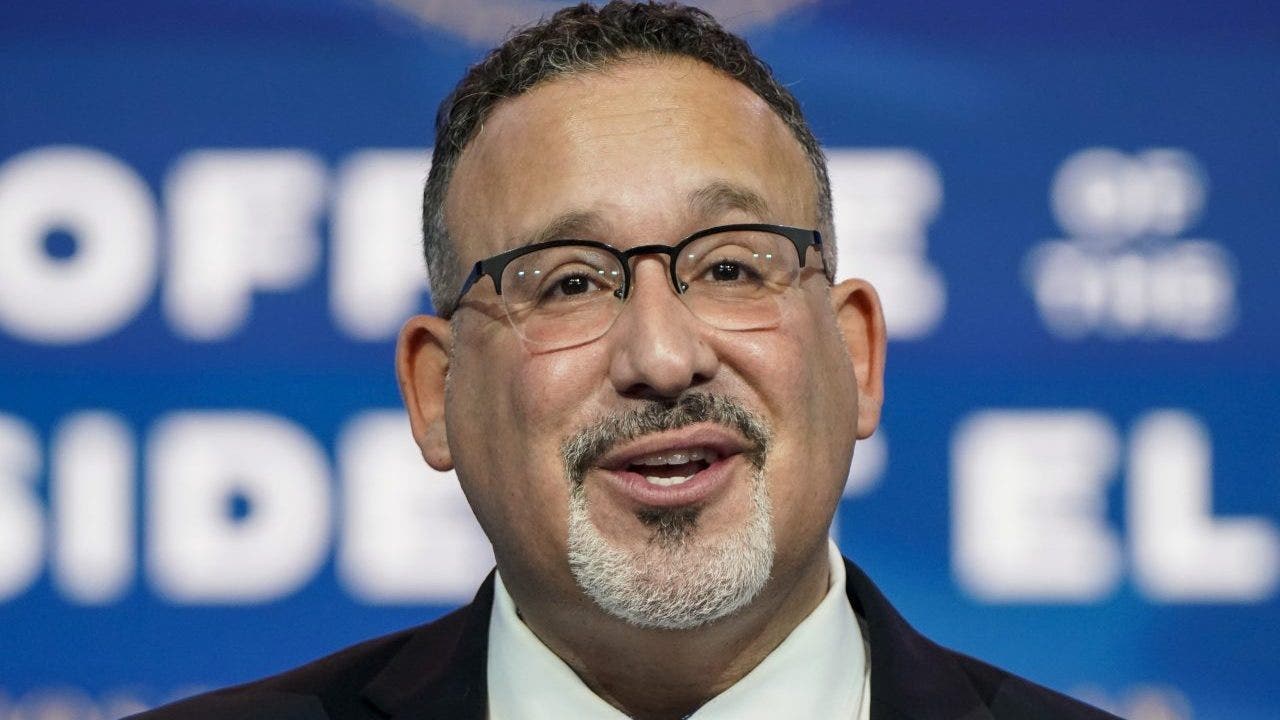
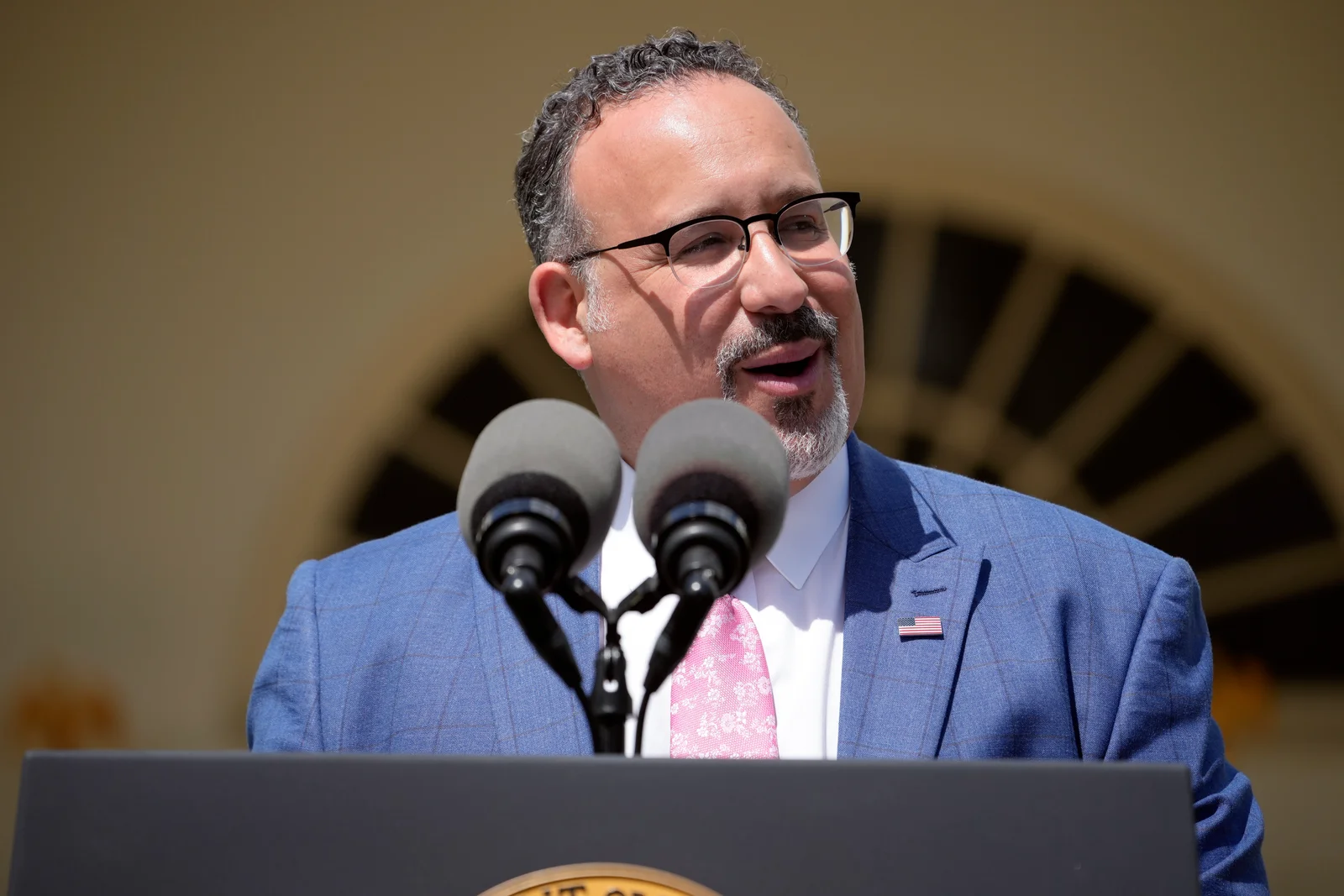
U.S. Secretary of Education Miguel Cardona blames book "banning" and censorship for dismal U.S. history and civics scores released by the National Assessment of Educational Progress (NAEP). The latest declines are the latest indication of COVID-era school policies' lasting impacts on student performance. Cardona partly blamed book "banning" and censorship for the dismal outcome, seemingly taking a jab at Republicans like Florida Gov. Ron DeSantis who notoriously cracked down on allegedly divisive rhetoric in classrooms across The Sunshine State and even rejected a proposed outline for an AP African American Studies course.
National test results show a decline in eighth grade U.S. history scores, a trend that began nearly a decade ago and was accelerated by the pandemic. The National Assessment of Educational Progress exam, administered by the National Center for Education Statistics, revealed that few students scored as proficient. The article includes a quiz with five questions of medium difficulty from the eighth-grade U.S. history test given by the federal government.
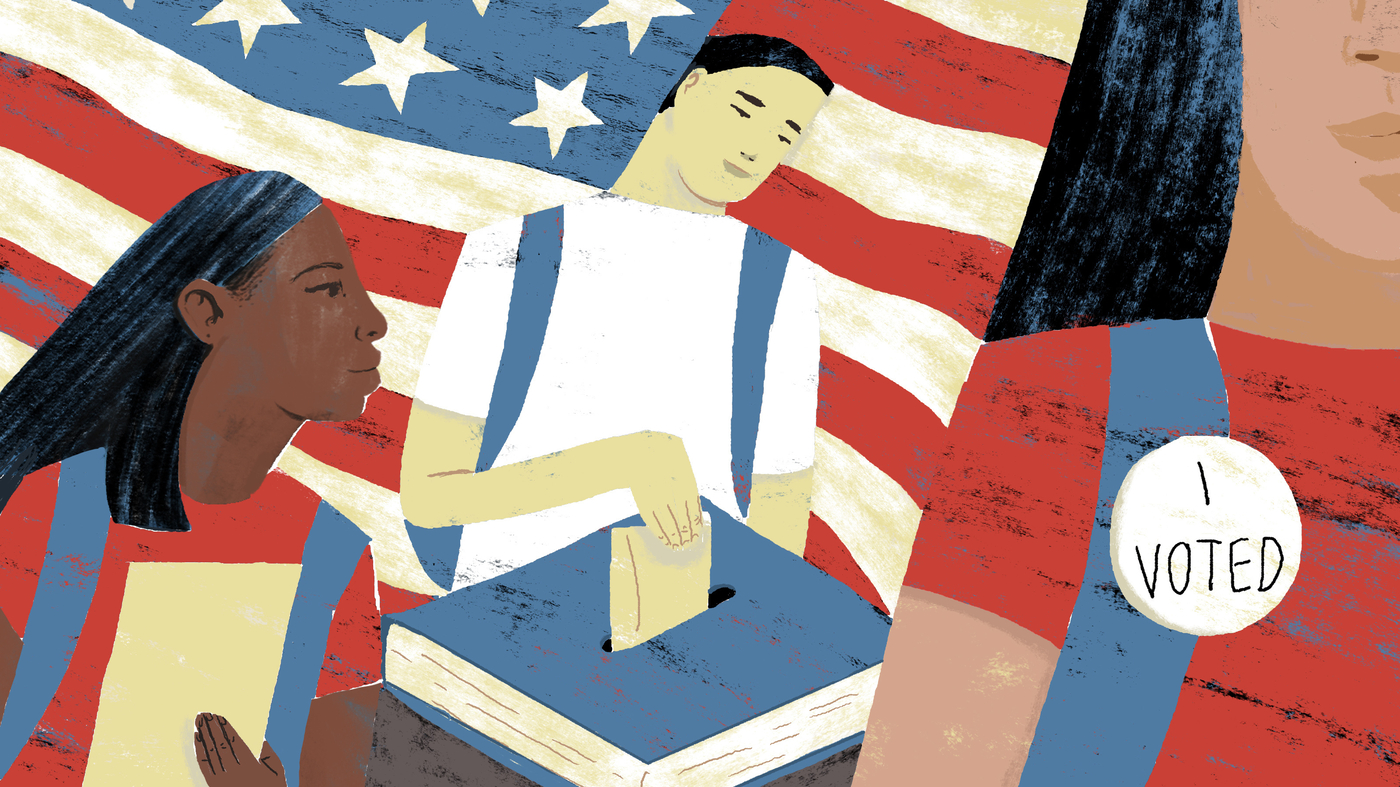
The National Assessment of Educational Progress tests show a decline in knowledge of civics among eighth-graders and a 5-point decline in average scores in history, highlighting the impact of pandemic disruptions on academic performance in social studies. The poor performance is a cause for concern regarding the level of understanding of the nation’s history, government, and democratic processes. The results suggest that now is not the time for politicians to cut education funding or limit what students learn in U.S. history and civics classes. The decline in scores is a larger concern for lower-performing students across all subjects, and NCES Commissioner Peggy Carr suggests more social studies lessons for students to improve scores.
Eighth grade students in the US have seen a slight decline in their history and civics test scores, with an increasing number of children lacking a basic understanding of either subject, according to the National Assessment of Educational Progress. The results reflect the impact of the COVID-19 pandemic that shuttered schools across the country. Nearly one-third of eighth grade students cannot describe the structure or function of government, and many US schools aren't doing enough to reverse the trend, history and civics educators say.
The National Assessment of Educational Progress (NAEP) has reported a drop in history and civics scores for eighth-graders in the US, with this year's history scores being the lowest since the assessment began in 1994. The pandemic is believed to have had a profound impact on student learning, with declines in reading and math also reported. The results have prompted calls for action to address the problems head-on, rather than limiting what students learn in US history and civics classes.