Broadway musicians are prepared to strike immediately if they do not reach a new contract with the Broadway League by Thursday morning, citing issues over healthcare, wages, and job security, amid ongoing negotiations and a recent actors' agreement that could influence the situation.
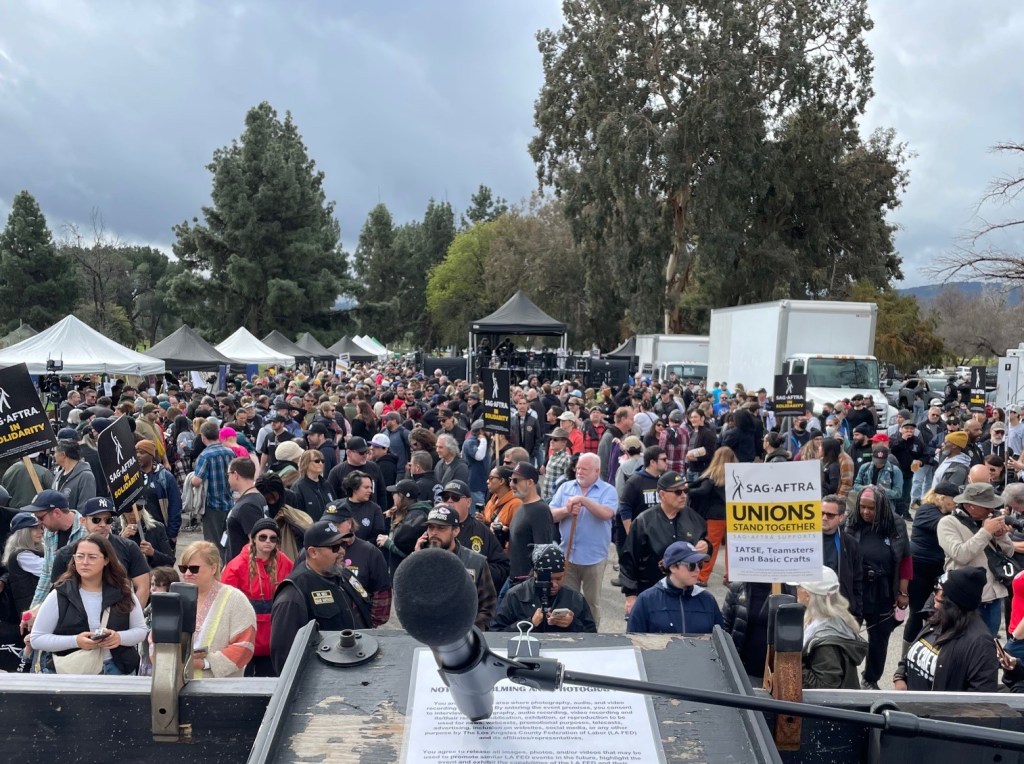
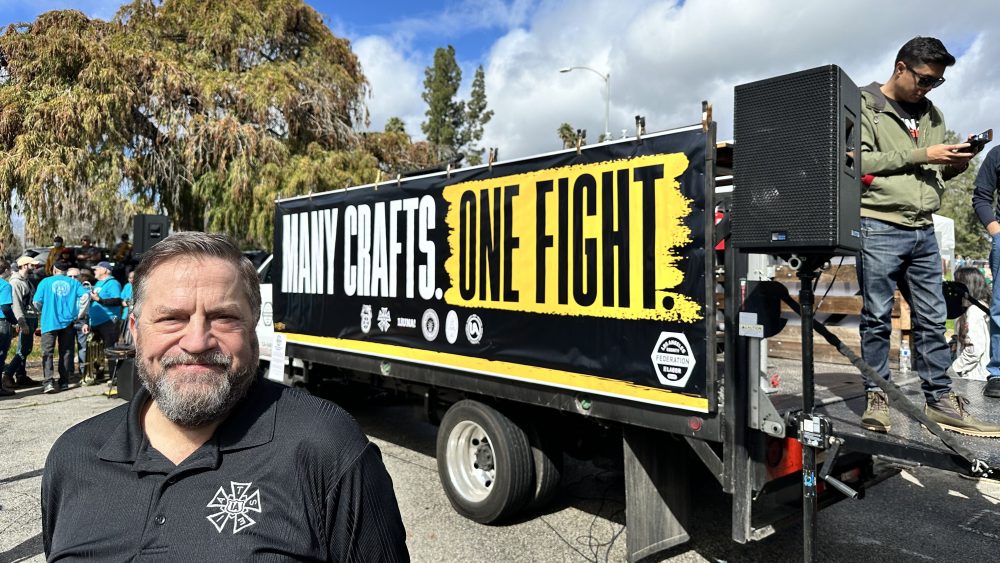
Hollywood's below-the-line unions, including Teamsters and IATSE, held a solidarity rally ahead of negotiations with the Alliance of Motion Picture and Television Producers, threatening a historic strike if their demands for improved health and pension benefits weren't met. The rally drew support from other entertainment industry unions and emphasized the importance of crew members. The unions seek to address challenges faced after the 2023 strikes, including funding cuts to benefits plans, and prioritize increasing retirement accrual rates and gaining new streaming-based funding. The negotiations will cover West Coast and other local contracts, with a potential strike looming as members express readiness to endure it if necessary.
Hollywood union leaders, including IATSE and Teamsters, warned of a potential strike this summer if the studios fail to reach a deal before crew contracts expire on July 31. Negotiations with the Alliance of Motion Picture and Television Producers are set to begin, with a focus on health and pension benefits, wage increases, and "quality of life" issues. The use of artificial intelligence and concerns about job security were also highlighted at a rally attended by over 2,000 crew members.
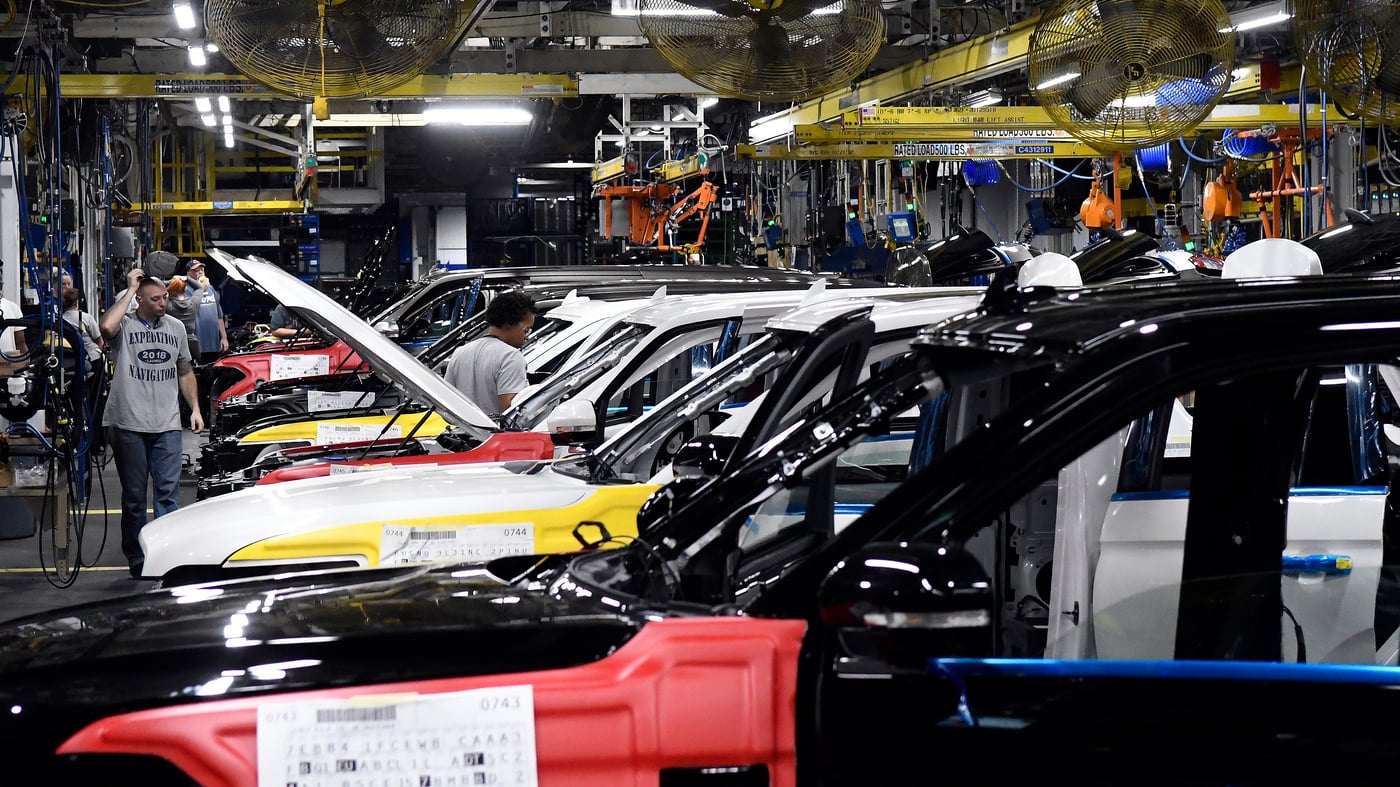
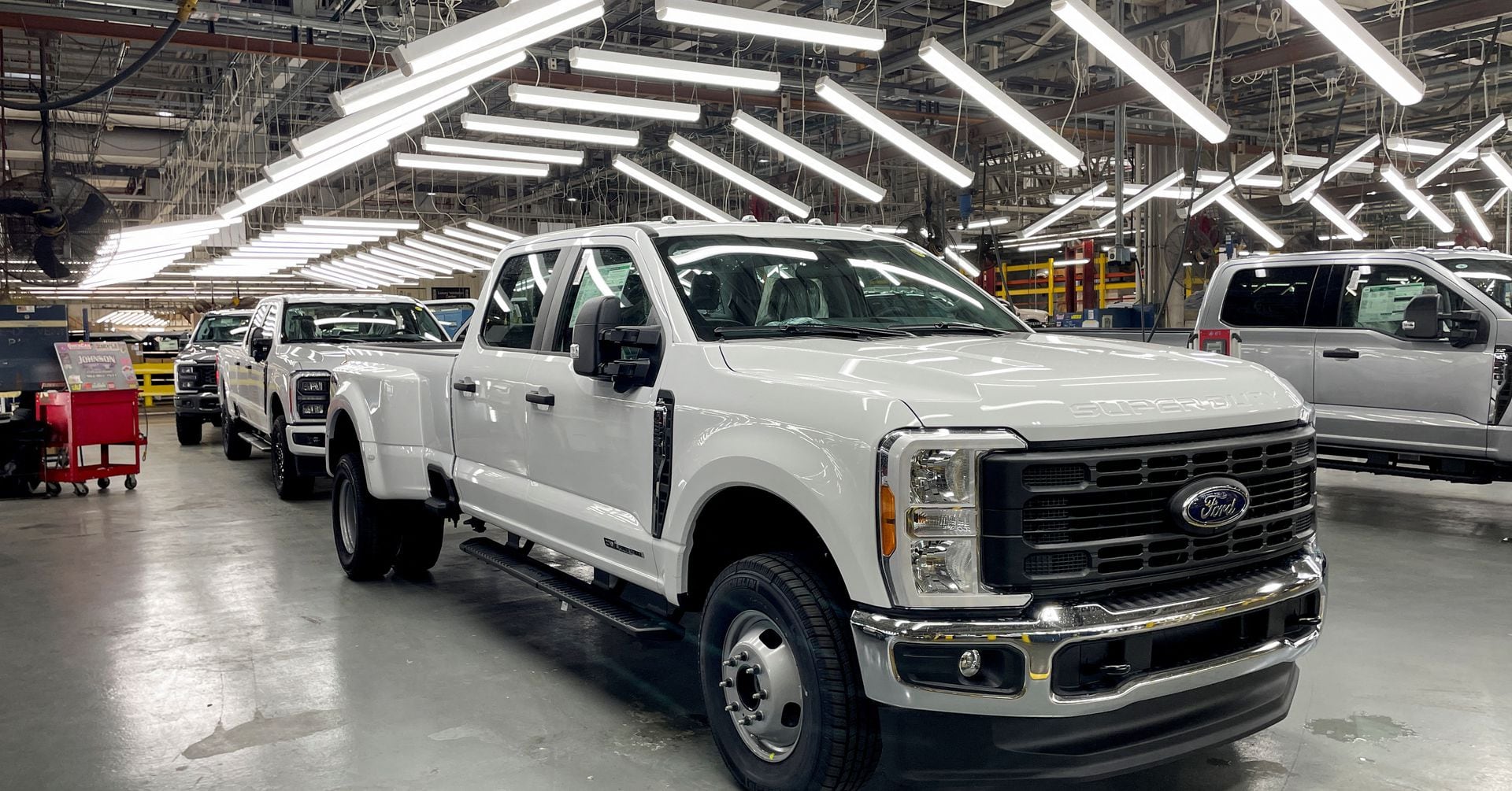
The UAW has threatened to strike at Ford's Kentucky Truck Plant due to unresolved local contract negotiations, setting a deadline for February 23. The plant, known for producing profitable vehicles, has been at the center of recent UAW actions. The union's focus on non-unionized automakers, including Tesla, indicates potential future labor disputes in the industry.
The United Auto Workers union is threatening to strike at Ford's Kentucky Truck Plant on Feb. 23 if a local contract dispute is not resolved, marking the second potential strike at the plant in a year. The main areas of dispute include health and safety issues, minimum in-plant nurse staffing, ergonomic concerns, and skilled trades worker reduction. Ford stated that negotiations are ongoing, while the union highlighted 19 other local agreements being negotiated with Ford, as well as several more with rivals General Motors and Stellantis. This strike threat follows Ford CEO Jim Farley's remarks about the impact of last year's strike on the company's relationship with the union.
Nearly 9,000 UAW members at Ford's Kentucky truck plant are threatening to strike next Friday if local contract issues, including health and safety concerns and skilled trades erosion, are not resolved. The core issues at the plant's local negotiations revolve around minimum in-plant nurse staffing levels and Ford's attempts to erode skilled trades. The strike warning comes as U.S. labor unions push for better wages and working conditions amid a worker shortage and favorable public opinion.
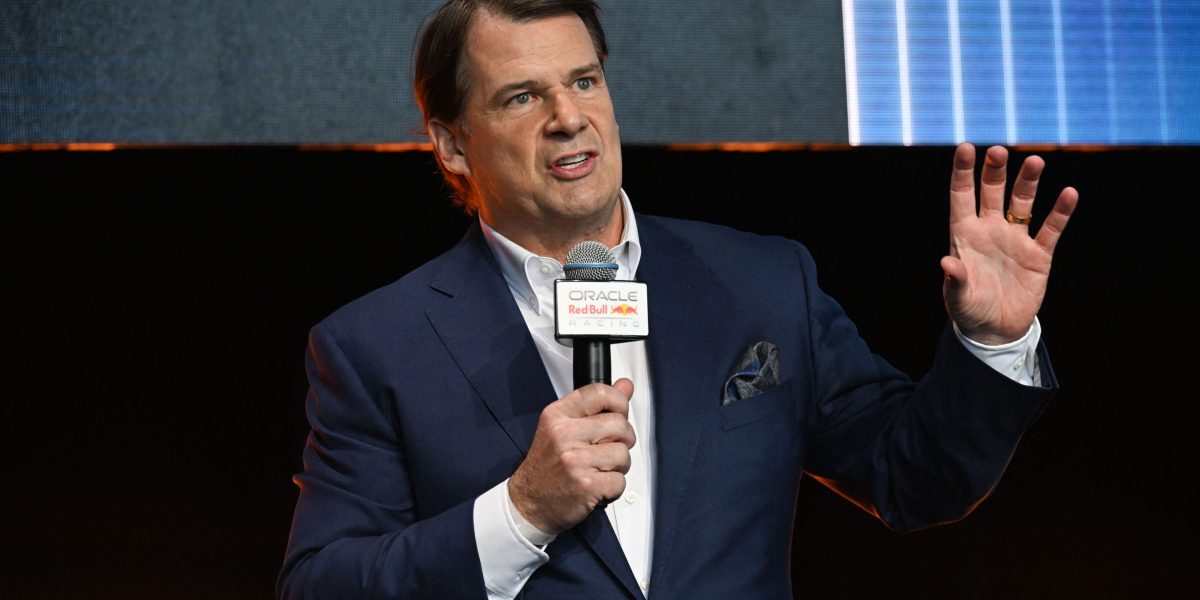
The United Auto Workers union is threatening to strike at Ford's Kentucky Truck Plant on Feb. 23 if a dispute over the local contract is not resolved, just a day after Ford CEO Jim Farley said union activity was prompting the company to reconsider its plant placements. The union cites issues including health and safety, nurse staffing, and skilled trades workers as points of contention. Farley acknowledged the impact of last year's strike, which cost the company $1.7 billion, and resulted in significant raises and contract changes for UAW members, leading to nearly $9 billion in extra costs for Ford.
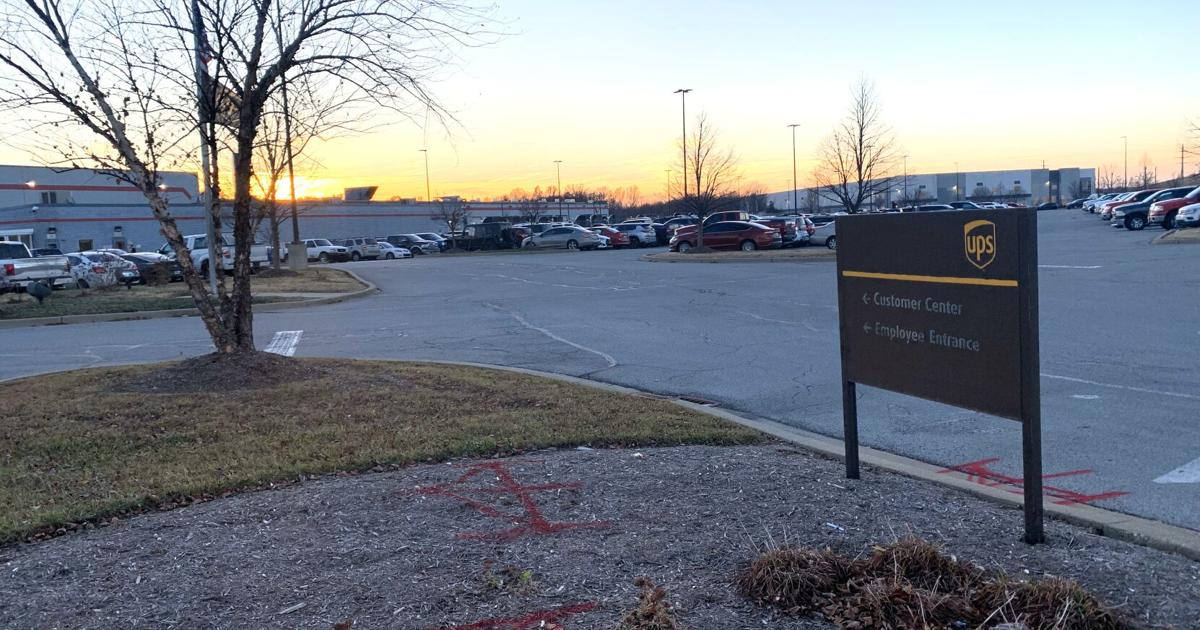
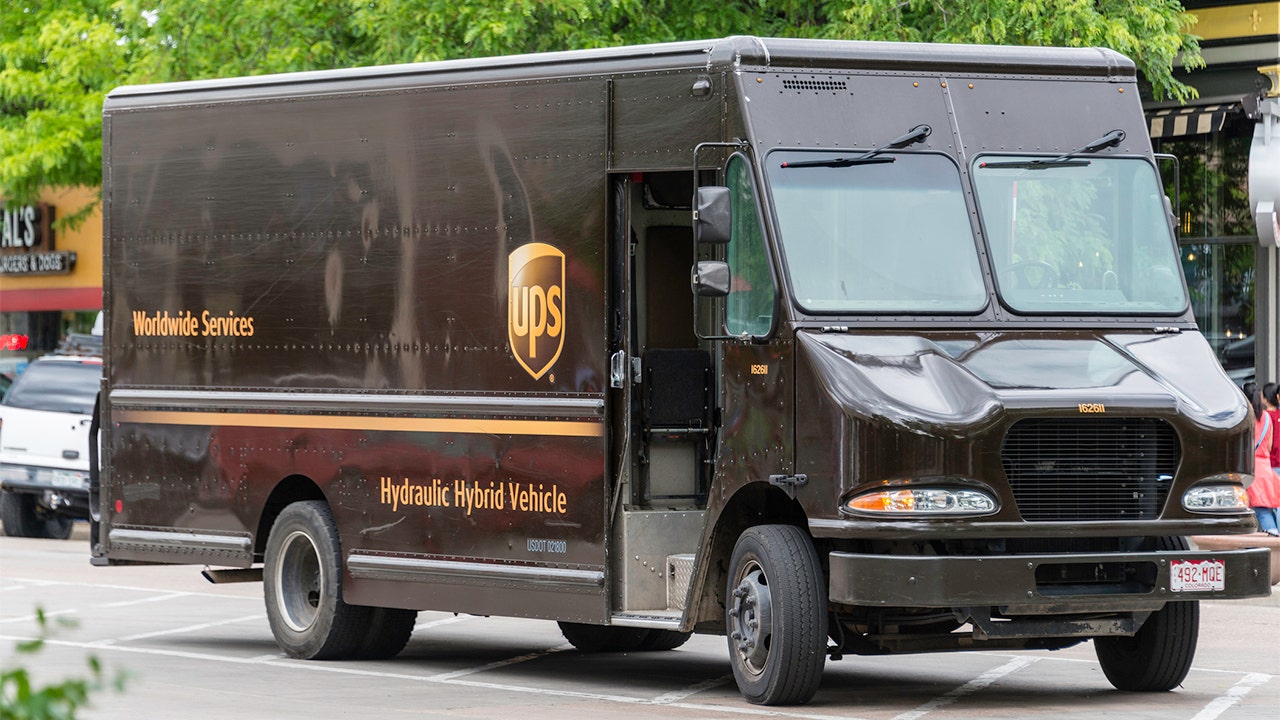
United Parcel Service (UPS) has laid off around 35 employees at its Centennial ground hub in Louisville, prompting a rebuke and strike threat from the Teamsters union. The workers, who had recently voted to unionize, were office staff at the hub. The Teamsters claim that UPS eliminated their jobs after an independent arbitrator ruled in favor of the workers' eligibility for collective bargaining. UPS denies any connection between the layoffs and the employees' unionization, stating that the layoffs were a result of aligning staffing with business needs. The Teamsters have threatened a strike if the situation is not rectified by December 11.
A tentative contract is close to being reached between the Las Vegas hotel workers union and MGM Resorts International, following a breakthrough deal with Caesars Entertainment. The contract, which is pending approval by the union's rank and file, would cover 20,000 hospitality workers and is expected to address concerns such as pay increases to combat inflation. The union had threatened to strike if negotiations failed, but the tentative agreement with Caesars has provided momentum for new contracts for all 35,000 members. However, a strike could still occur if deals are not made with MGM Resorts and Wynn Resorts by Friday morning.
Dozens of Culinary Union members were arrested in an act of "civil disobedience" on the Las Vegas Strip as they seek a new five-year contract. The union members disrupted traffic by sitting in a circle on Las Vegas Boulevard, leading to their arrest by the Las Vegas Metropolitan Police Department. The union members cooperated cheerfully, but the arrests were meant to send a serious message to the resort hotels. The union is prepared to go on strike if their demands are not met. Negotiations have shown some progress with MGM, but the union still wants more from the resorts.
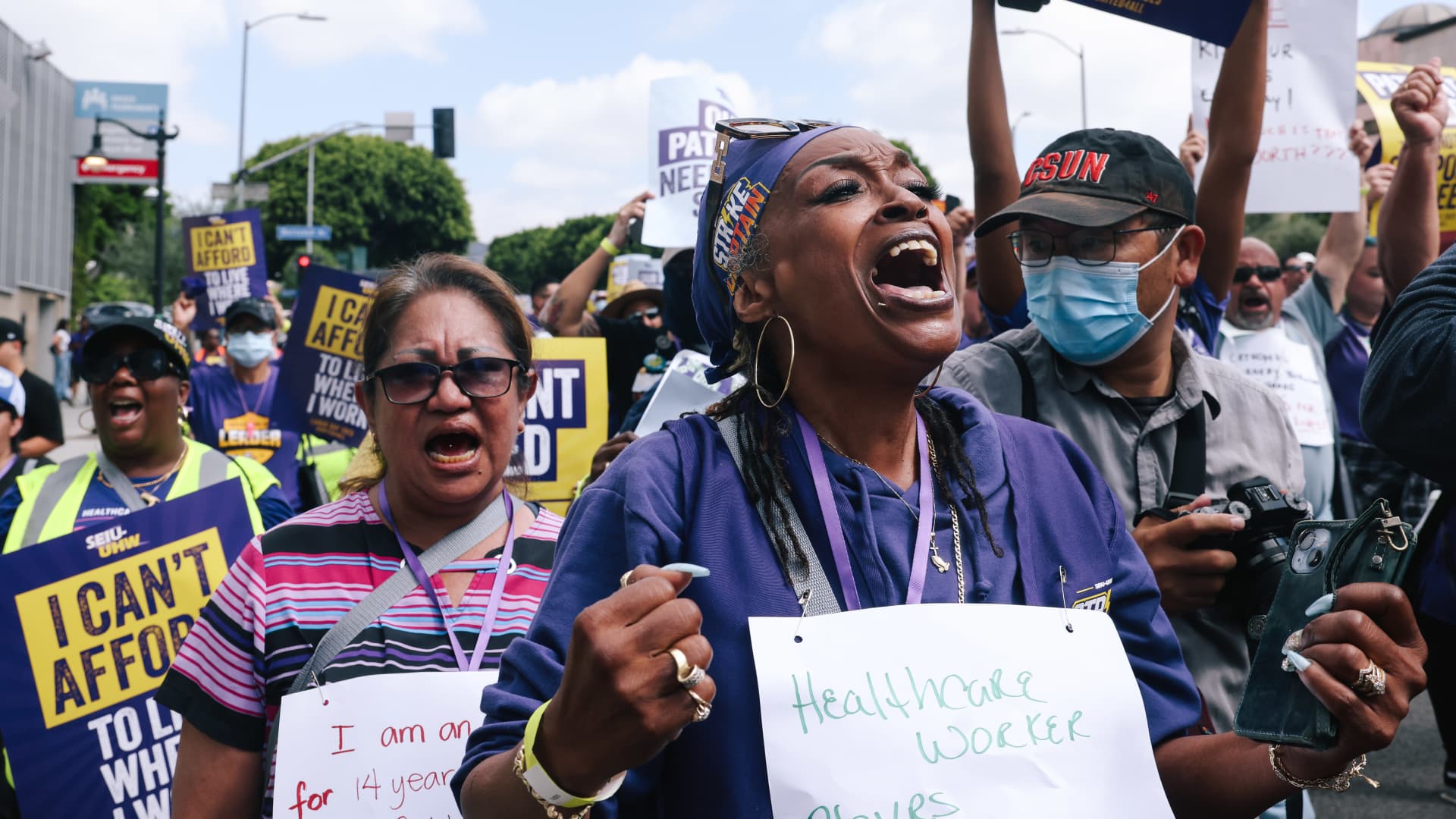
More than 75,000 workers at Kaiser Permanente, the largest nonprofit healthcare provider in the US, have threatened to strike if a labor agreement is not reached to address a staffing crisis by the end of next week. The Coalition of Kaiser Permanente Unions issued the ultimatum after their final bargaining session concluded without a resolution. The unions plan to strike for three days in October if an agreement is not reached when their current contract expires on September 30. Kaiser Permanente serves nearly 13 million patients across eight states and the District of Columbia.
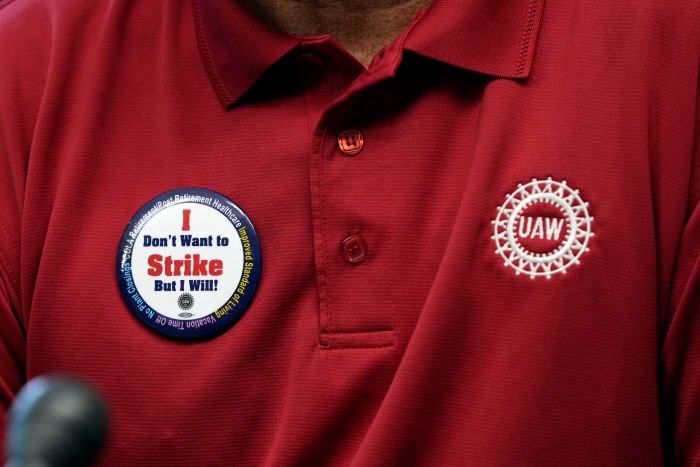
The United Auto Workers (UAW) union is demanding various concessions from the Big Three automakers, including the elimination of tiered wages, double-digit pay raises, the restoration of Cost of Living Adjustments (COLA), defined benefit pensions for all workers, the re-establishment of retiree medical benefits, the right to strike over plant closures, the implementation of a working family protection program, and the conversion of temporary workers into permanent positions. The UAW has rejected the automakers' counter offers, deeming them "insulting," and has threatened to strike if a deal is not reached by the contract deadline.
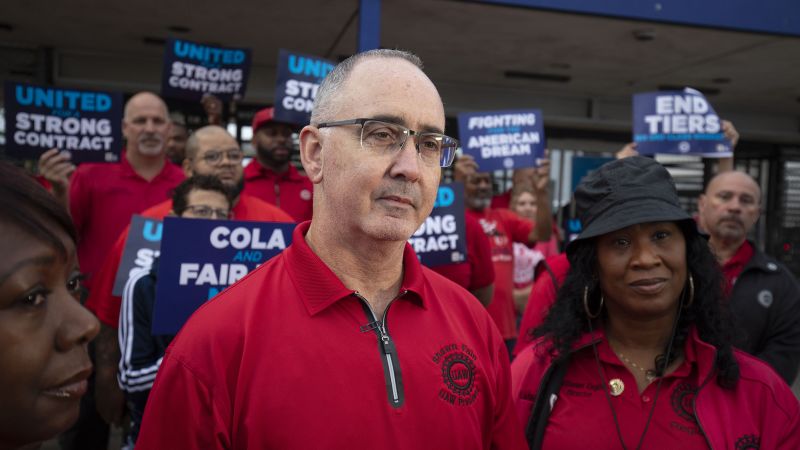
Shawn Fain, the president of the United Auto Workers (UAW), is taking a tough stance in contract negotiations with automakers, demanding a 40 percent wage increase and criticizing corporate greed. Union members will vote on whether to authorize a strike when the contract expires in September. Fain's ambitious and belligerent approach is setting a tense tone for negotiations that could have significant implications for the economy, the green-energy transition, and middle-class manufacturing wages. The labor movement has seen a surge in strikes this year, fueled by a tight labor market and rising public support for unions. Fain is also pushing for fair pay in electric vehicle and battery factories, which could complicate the Biden administration's green-energy agenda.
The head of the United Auto Workers (UAW) union, Shawn Fain, has declared that the union is prepared to strike against the Big Three US automakers - Ford, Stellantis, and General Motors - if their demands are not met during contract negotiations set to begin this week. Fain warned that nearly 150,000 UAW members will strike if the automakers do not give them their "fair share." The contracts between the UAW and the Big Three expire on September 14. The last auto workers strike occurred in 2019 when 48,000 UAW members at General Motors walked off the job for six weeks.
Negotiations between UPS and the Teamsters union are intensifying as the company offers an enhanced pay package, although the union believes it is still insufficient. The Teamsters have demanded UPS to provide its "last, best, and final offer" by the end of June, threatening a strike if a deal isn't reached before the current contract expires at the end of July. While there has been progress on wages, the union insists that there are still no concessions from their side. Both parties aim to reach an agreement by July 5 for ratification before the contract's expiration. UPS, with around 340,000 unionized employees, plays a significant role in the U.S. economy, particularly in the e-commerce sector.