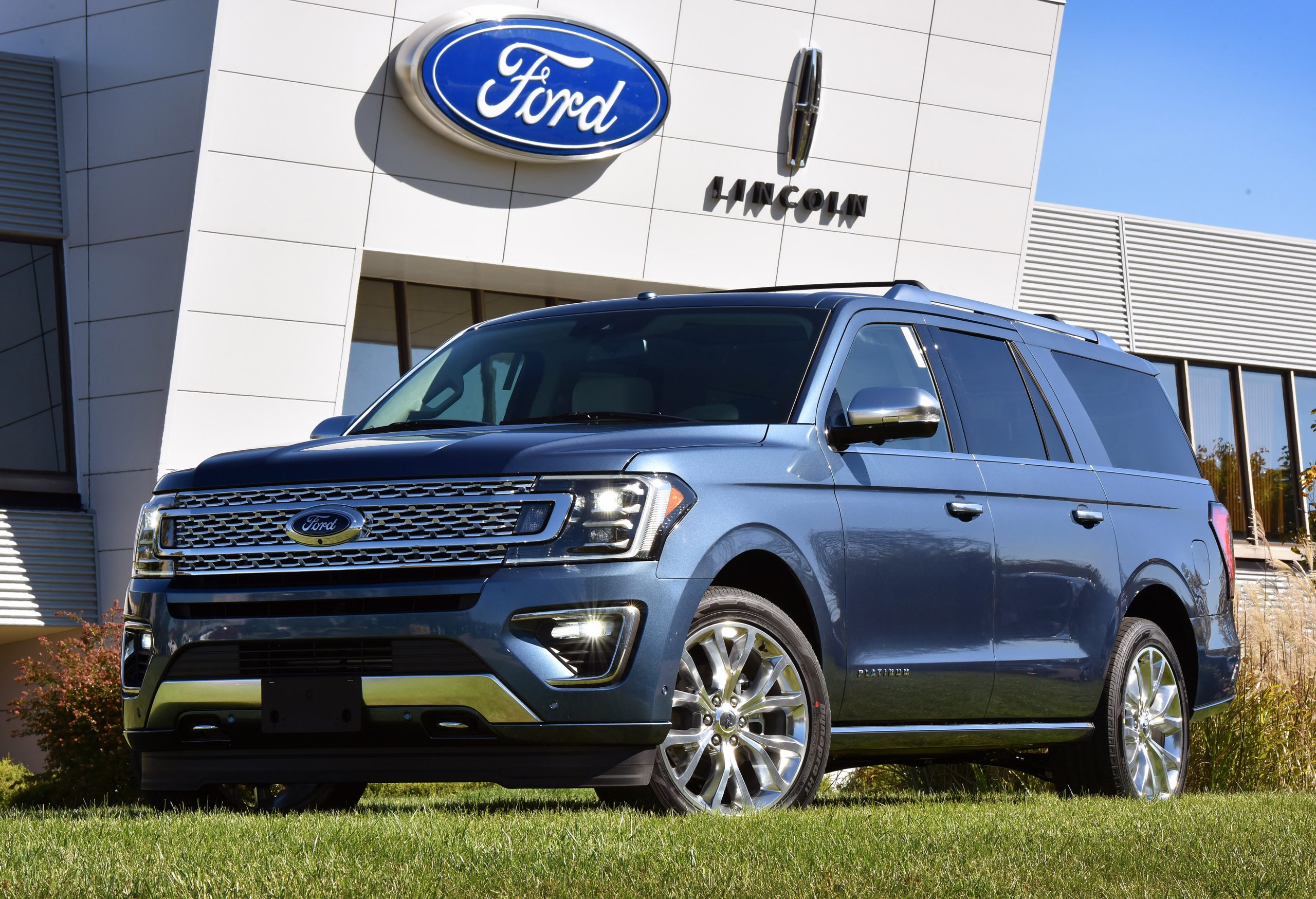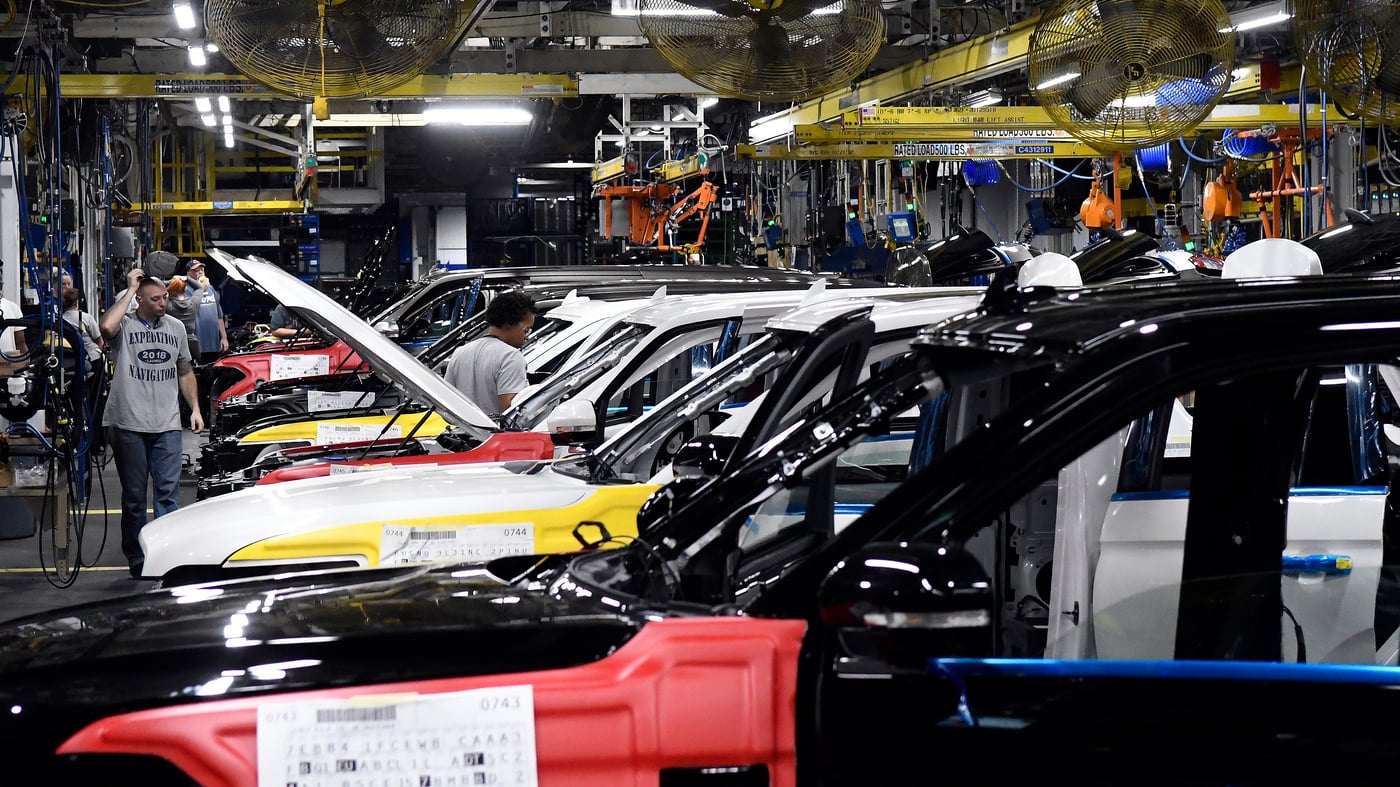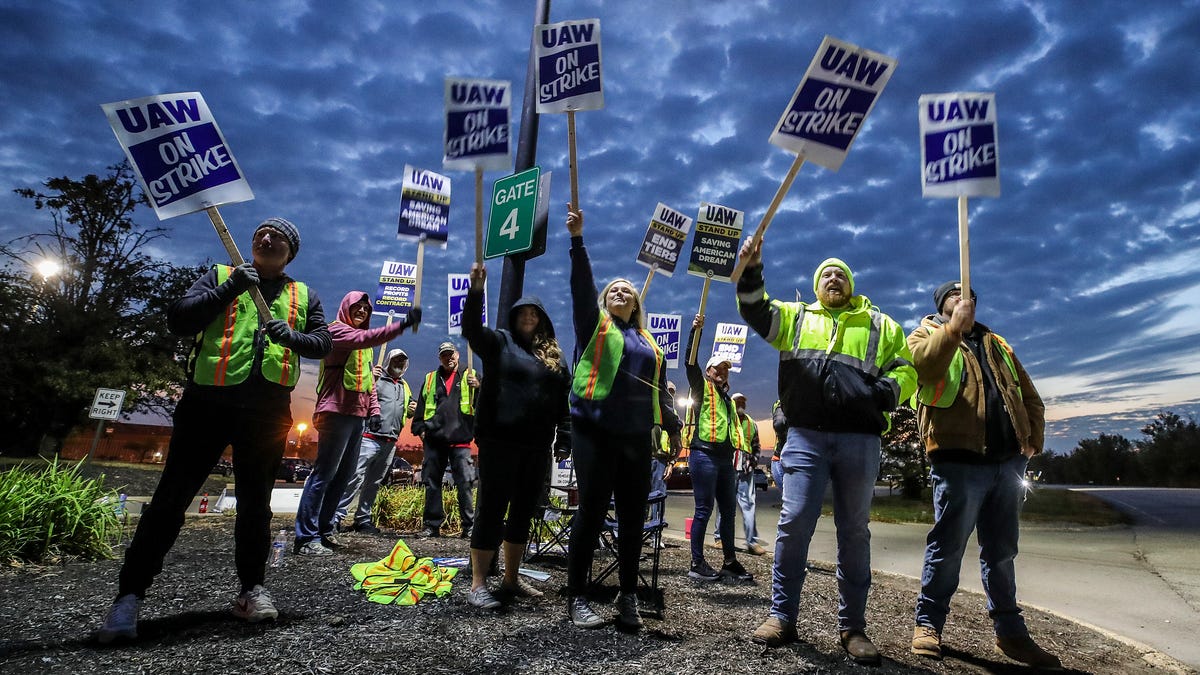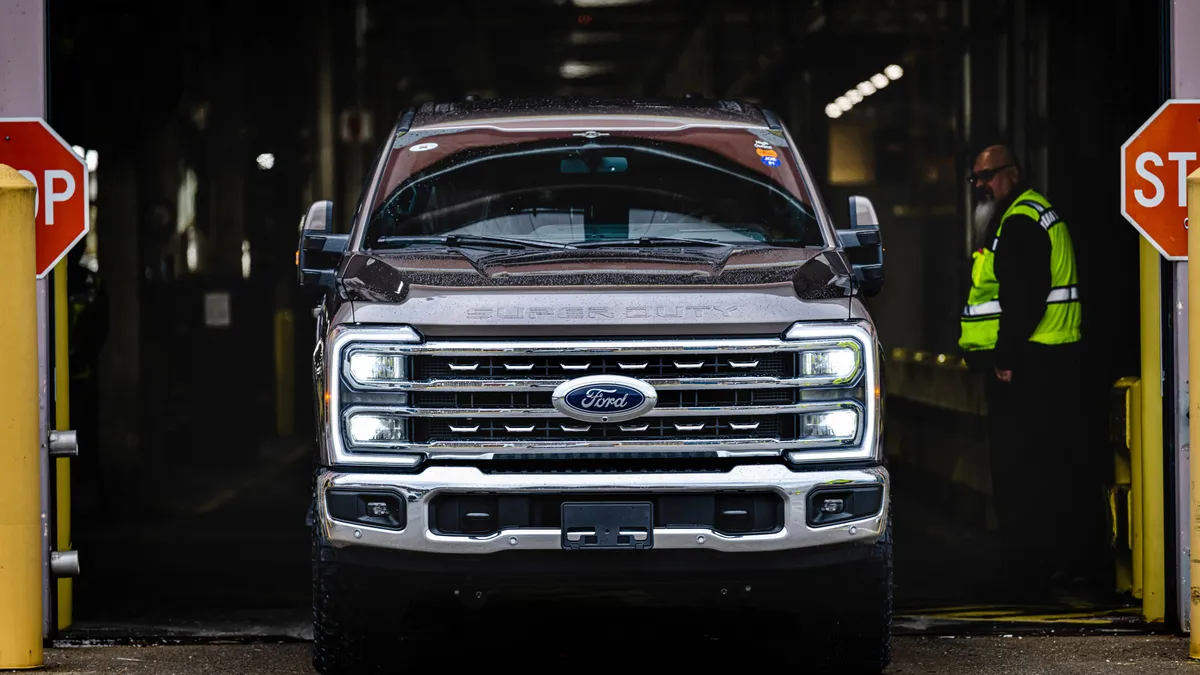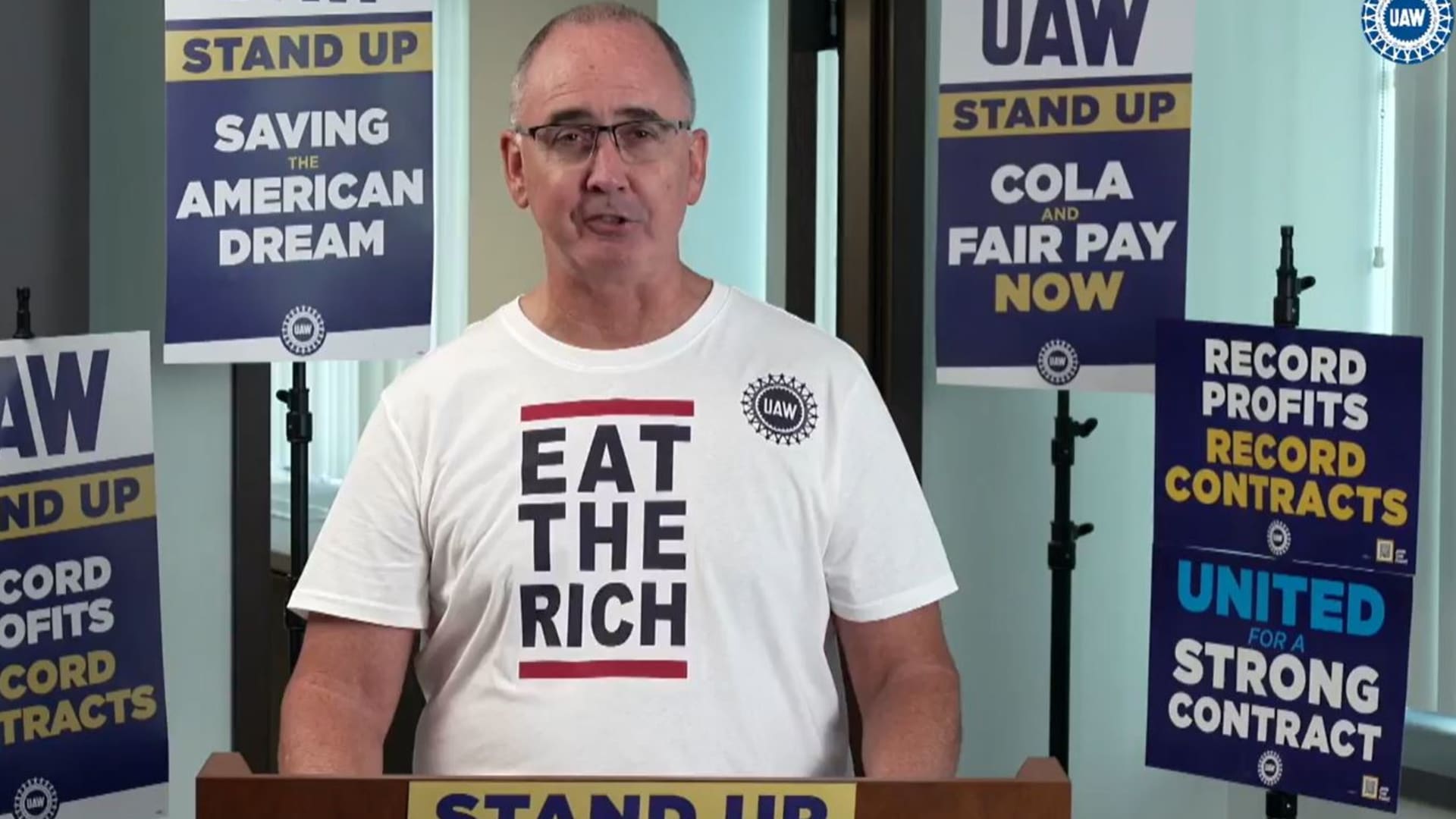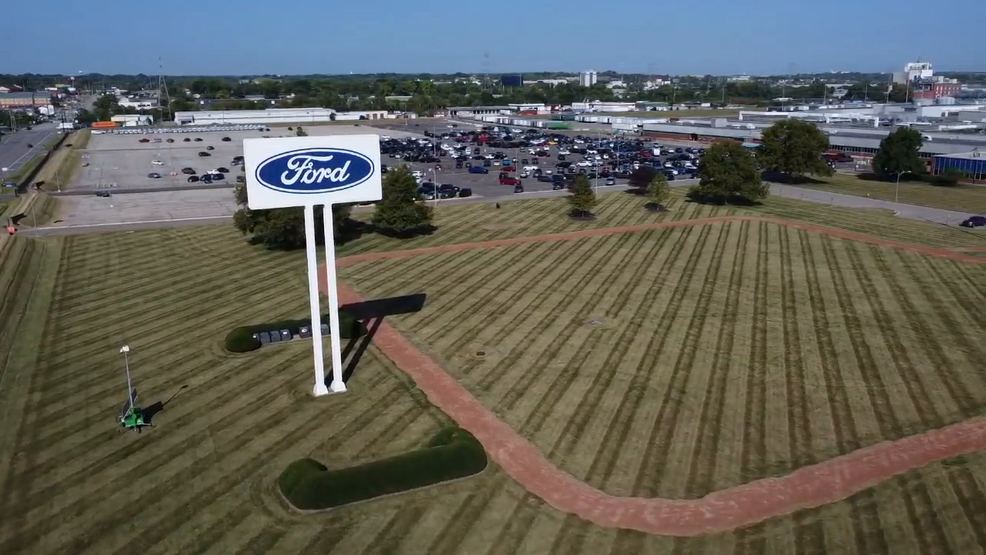
Ford's Kentucky Truck Plant and the United Auto Workers union have reached a tentative agreement on a new local contract, avoiding a strike by the plant's 9,000 workers. The agreement, reached after more than five months of negotiations past the contract expiration, addresses issues such as minimum in-plant nurse staffing, ergonomic concerns, and skilled trades culture. The UAW had served Ford with a strike notice over these local contract issues in February. With this resolution, the focus now shifts to the 19 other local contracts across the country that are still seeking agreements.
The UAW has threatened to strike at Ford's Kentucky Truck Plant due to unresolved local contract negotiations, setting a deadline for February 23. The plant, known for producing profitable vehicles, has been at the center of recent UAW actions. The union's focus on non-unionized automakers, including Tesla, indicates potential future labor disputes in the industry.
The United Auto Workers union is threatening to strike at Ford's Kentucky Truck Plant on Feb. 23 if a local contract dispute is not resolved, marking the second potential strike at the plant in a year. The main areas of dispute include health and safety issues, minimum in-plant nurse staffing, ergonomic concerns, and skilled trades worker reduction. Ford stated that negotiations are ongoing, while the union highlighted 19 other local agreements being negotiated with Ford, as well as several more with rivals General Motors and Stellantis. This strike threat follows Ford CEO Jim Farley's remarks about the impact of last year's strike on the company's relationship with the union.
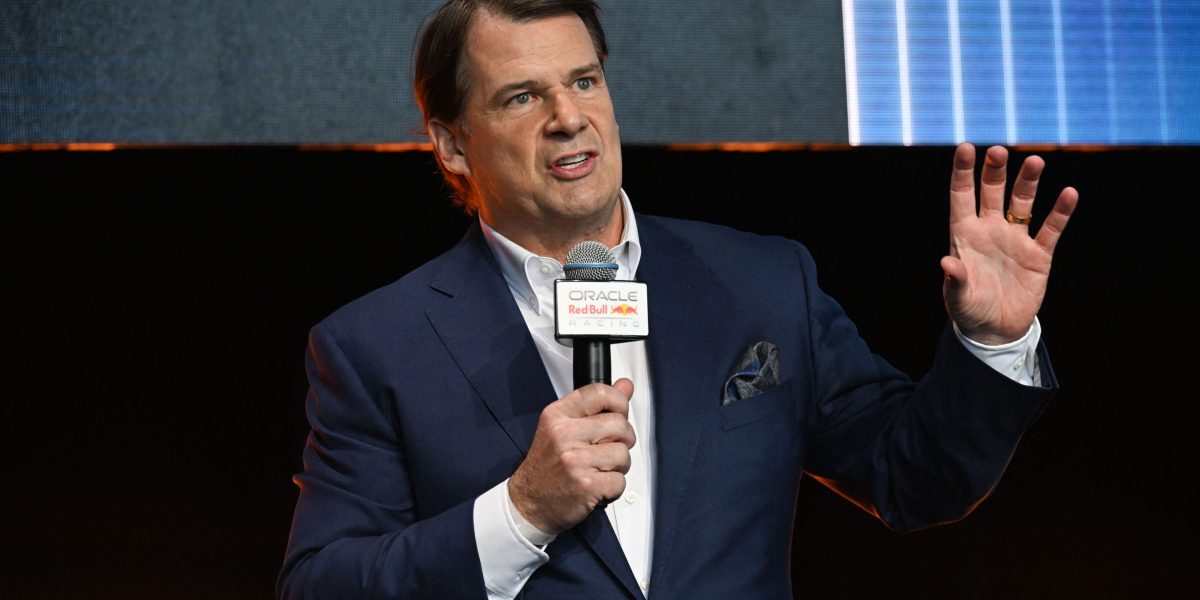
The United Auto Workers union is threatening to strike at Ford's Kentucky Truck Plant on Feb. 23 if a dispute over the local contract is not resolved, just a day after Ford CEO Jim Farley said union activity was prompting the company to reconsider its plant placements. The union cites issues including health and safety, nurse staffing, and skilled trades workers as points of contention. Farley acknowledged the impact of last year's strike, which cost the company $1.7 billion, and resulted in significant raises and contract changes for UAW members, leading to nearly $9 billion in extra costs for Ford.
The United Auto Workers (UAW) is threatening to strike at Ford's Kentucky Truck Plant if local contract issues with UAW Local 862 aren't resolved by February 23. The plant, which produces Ford Super Duty pickup trucks and SUVs, was previously hit by a 41-day strike last year, costing the automaker $1.7 billion in profit. The issues being discussed include health and safety concerns, and the UAW is seeking authorization to set a strike deadline. Ford is currently in negotiations and hopes to reach an agreement with UAW Local 862. The UAW's recent bargaining gains have empowered them to seek to double their membership by organizing foreign and EV startup plants.
The UAW is threatening to call a labor strike at Ford's Kentucky Truck Plant next week if local contract issues, including health and safety concerns and erosion of skilled trades, aren't resolved. This comes after Ford CEO Jim Farley discussed the impact of the 2023 strike on truck production and the changed relationship with the union. Nearly 9,000 UAW members could be affected, and negotiations are ongoing as the union seeks to address plant-specific issues.
The United Auto Workers (UAW) is threatening to strike Ford's Kentucky Truck Plant if local contract issues regarding health and safety, including minimum in-plant nurse staffing levels and skilled trades erosion, are not resolved by next week. The strike deadline comes after UAW President Shawn Fain criticized Ford CEO Jim Farley's comments about future vehicle production and the company's relationship with the union. The UAW has open local agreements at several other plants across Ford, General Motors, and Stellantis, and the strike threat reflects ongoing tensions between the union and automakers.
The United Auto Workers strike has expanded to include the Kentucky Truck Plant, one of Ford's largest and most profitable facilities, where 8,700 workers have walked off the job. The plant is crucial for Ford, responsible for 16% of the company's global revenue, and produces popular Ford Super Duty trucks. The strike, now in its fifth week, is also affecting General Motors and Stellantis. The union is pushing for job protection amid the transition to electric vehicles, as well as better pay and retirement benefits. Negotiations between the companies and the union are ongoing, with details limited. Ford has not yet agreed to include EV battery production in the union contract.
The United Auto Workers (UAW) escalated its strike against Ford, shutting down the company's Kentucky Truck Plant, which produces F-Series Super Duty trucks, Ford Expeditions, and Lincoln Navigators. This move affects Ford's largest and most profitable operation, causing significant financial losses estimated at $247 million per week. The UAW is demanding a 40% raise for its members over four-year contracts, and Ford has increased its wage hike offer to 23%. The strike, which also includes General Motors and Stellantis, has resulted in the shutdown of six assembly plants and 38 parts depots, impacting around 34,000 union workers.
The UAW strike at the Ford truck plant in Louisville has led to strike-related layoffs at the Sharonville Ford transmission plant in Ohio, affecting 300 UAW members. The president of UAW Local 863 expressed concern that if Sharonville also goes on strike, it could result in further layoffs at other plants. The layoffs are not following the usual seniority-based approach, with Ford targeting employees regardless of their seniority or department. Affected workers have the option to help with picketing to earn strike pay, and negotiations between the UAW and the company are ongoing.
The United Auto Workers union has called for a strike of approximately 9,000 workers at the Ford Kentucky Truck Plant after the company refused to make progress in a bargaining agreement. The plant produces Ford's Super Duty trucks and large SUVs. This strike adds to the 25,300 autoworkers already on strike at select Ford, GM, and Stellantis facilities across the country. Workers at the Kentucky Assembly Plant in Louisville are not part of this strike.
The United Auto Workers (UAW) union has expanded its strike against Ford by ordering workers at the Kentucky Truck Plant, the company's largest plant, to walk off the job. The UAW president stated that it's time for a fair contract at Ford and the rest of the Big Three automakers. The strike's expansion came after a brief negotiation session where the union rejected Ford's offer, which was the same as the one made weeks earlier. The UAW has been on strike against Ford, General Motors, and Stellantis since September 15. The Kentucky Truck Plant produces vehicles that generate $25 billion in annual revenue for Ford.
The United Auto Workers (UAW) ordered 8,700 workers at Ford's Kentucky Truck Plant to go on strike after claiming that the automaker refused to make further progress in bargaining. This surprise move marks the first time the UAW has expanded its simultaneous strike of all three Detroit automakers without publicly stating a deadline. The Kentucky Truck Plant is Ford's largest and most profitable plant, producing Super Duty trucks and large SUVs, generating about $25 billion a year. The strike adds to the 25,300 autoworkers already on strike at select Ford, GM, and Stellantis facilities, resulting in thousands of layoffs and an estimated $5.5 billion in economic losses.
Ford's Kentucky Truck Plant has implemented a new approach to quality control, including shutting down production for up to three days to fix defective parts, adding 300 quality inspectors, and using digital tools to catch problems before trucks roll off the line. The Super Duty trucks, among the most profitable vehicles Ford sells, generate billions in annual profit. The success of the redesigned Super Duty line is critical for Ford to hit its profit targets for this year, as CEO Jim Farley aims to slash the tax that quality problems levy on Ford's profitability.