A federal judge in San Francisco has ordered the reversal of hundreds of layoffs of federal employees that were finalized during the recent government shutdown, citing violations of a stopgap spending bill that prohibited such layoffs until January 30, 2026. The ruling impacts about 680 employees across several agencies and emphasizes the legal obligation to halt these reductions, with ongoing debates about the administration's interpretation of the law.

House Speaker Mike Johnson has proposed a two-step funding package to avoid a partial government shutdown. The proposal extends government funding for some agencies and programs until January 19 and continues funding for others until February 2. The approach aims to address concerns from GOP lawmakers who want to avoid a massive spending bill just before the holidays. The bill excludes funding requested by President Joe Biden for Israel, Ukraine, and the U.S. border with Mexico. Hardline conservatives have indicated some support for the temporary spending measures, but there is criticism from within the party. The White House has criticized the plan as "unserious" and a threat to national security and domestic programs.
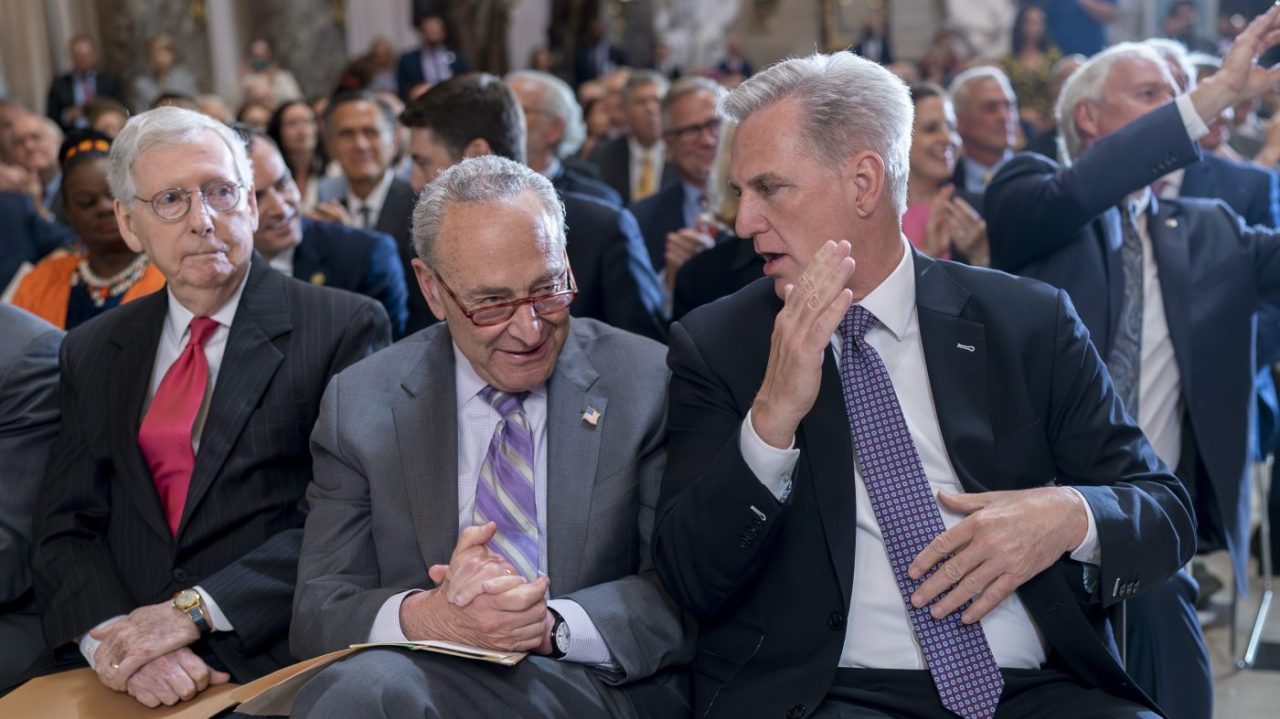
The House and Senate passed a clean stopgap spending bill, avoiding a government shutdown and providing $16 billion in disaster relief. However, the bill does not include funding for Ukraine or GOP provisions for border security. Winners include Speaker Kevin McCarthy for averting a shutdown and excluding Ukraine aid, hardline conservatives who opposed Ukraine aid, Senate Minority Leader Mitch McConnell for avoiding a shutdown but losing support for Ukraine aid, Congressional Democrats for avoiding a shutdown but sacrificing Ukraine funding, and President Biden for avoiding a shutdown but losing out on Ukraine funding. Losers include Rep. Matt Gaetz for failing to oust McCarthy and fiscal conservatives who failed to force spending cuts. Additionally, Ukraine funding was not included in the bill, raising questions about its future.
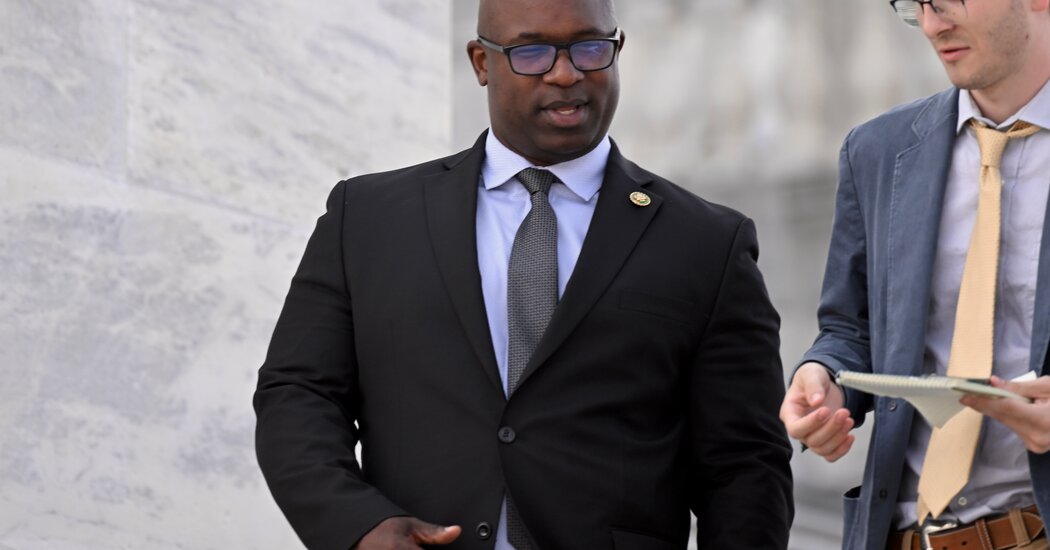
Representative Jamaal Bowman, a Democrat from New York, pulled a fire alarm in the House Cannon office building during a rushed vote on a stopgap spending bill, leading to an evacuation and investigations by the Capitol Police and the House Administration Committee. The alarm coincided with House Democrats stalling the vote on the spending measure, which later passed with more Democrats voting for it than Republicans. Bowman's chief of staff confirmed the incident but did not provide a reason or clarify if it was intentional. Republicans criticized Bowman, with one representative drafting a motion to expel him from the House.
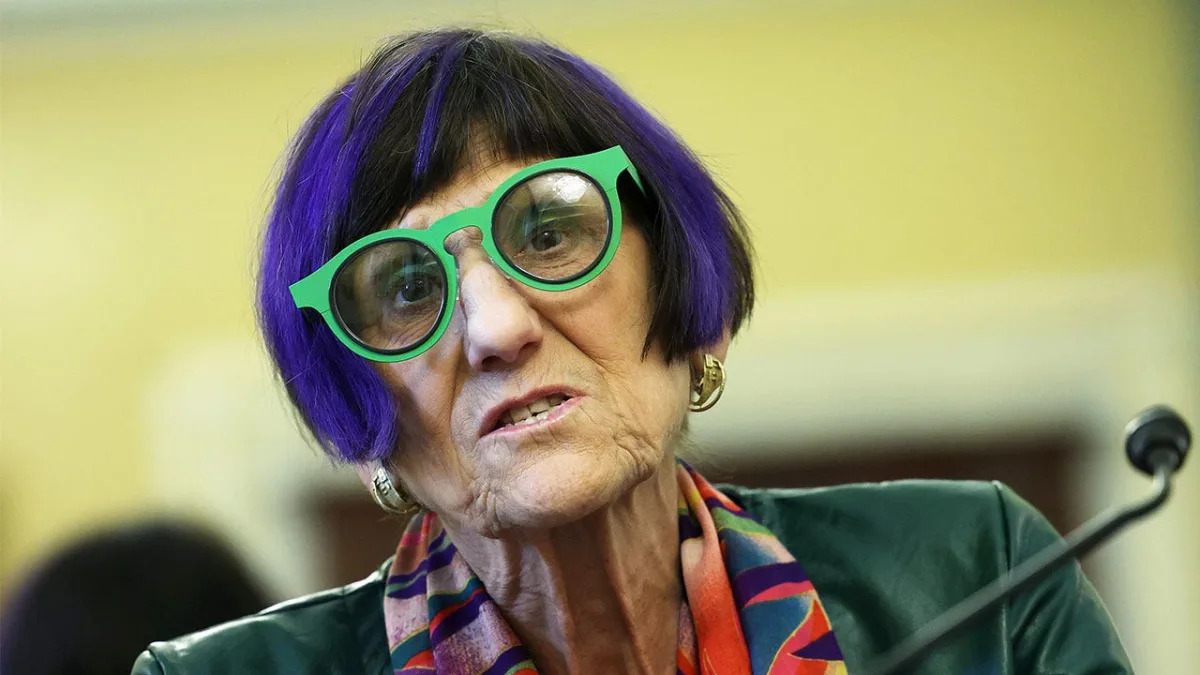
Democratic lawmaker Rep. Rosa DeLauro falsely accused House Republicans of attempting to give themselves a pay raise while objecting to a stopgap spending bill, claiming that the bill included a pay increase for members of Congress. However, her claim was immediately refuted by House Republicans, who shouted that it was false. Rep. Austin Scott disproved DeLauro's claim by citing the 27th Amendment of the U.S. Constitution, which prohibits changes in compensation for members of Congress without an intervening election. The House later passed the short-term spending bill, moving to avoid a government shutdown.
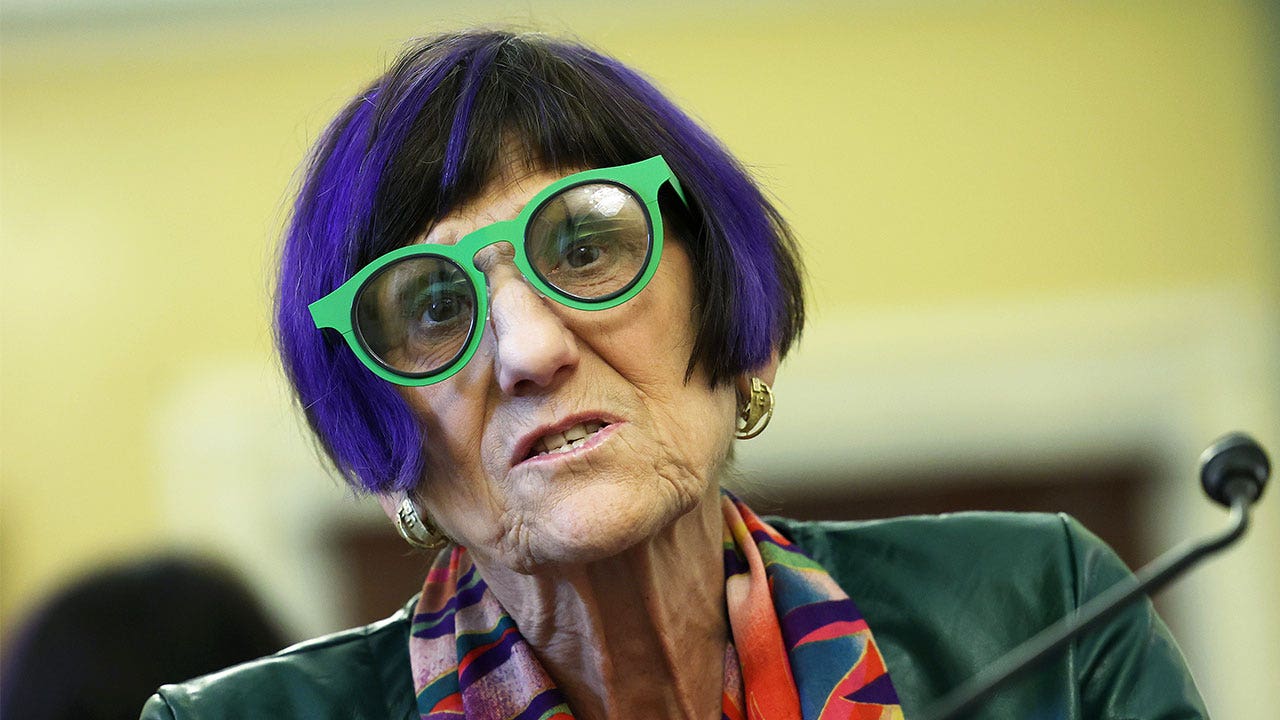
Democratic lawmaker Rep. Rosa DeLauro falsely accused House Republicans of trying to give themselves a pay raise while objecting to a stopgap spending bill, which she ultimately voted for. DeLauro's claim was met with immediate pushback from House Republicans, who shouted it down as false. Republican Rep. Austin Scott disproved DeLauro's claim by citing the 27th Amendment to the U.S. Constitution, which prohibits changes to congressional compensation without an election. The House later passed the short-term spending bill, moving to avoid a government shutdown if the Senate adopts the measure.
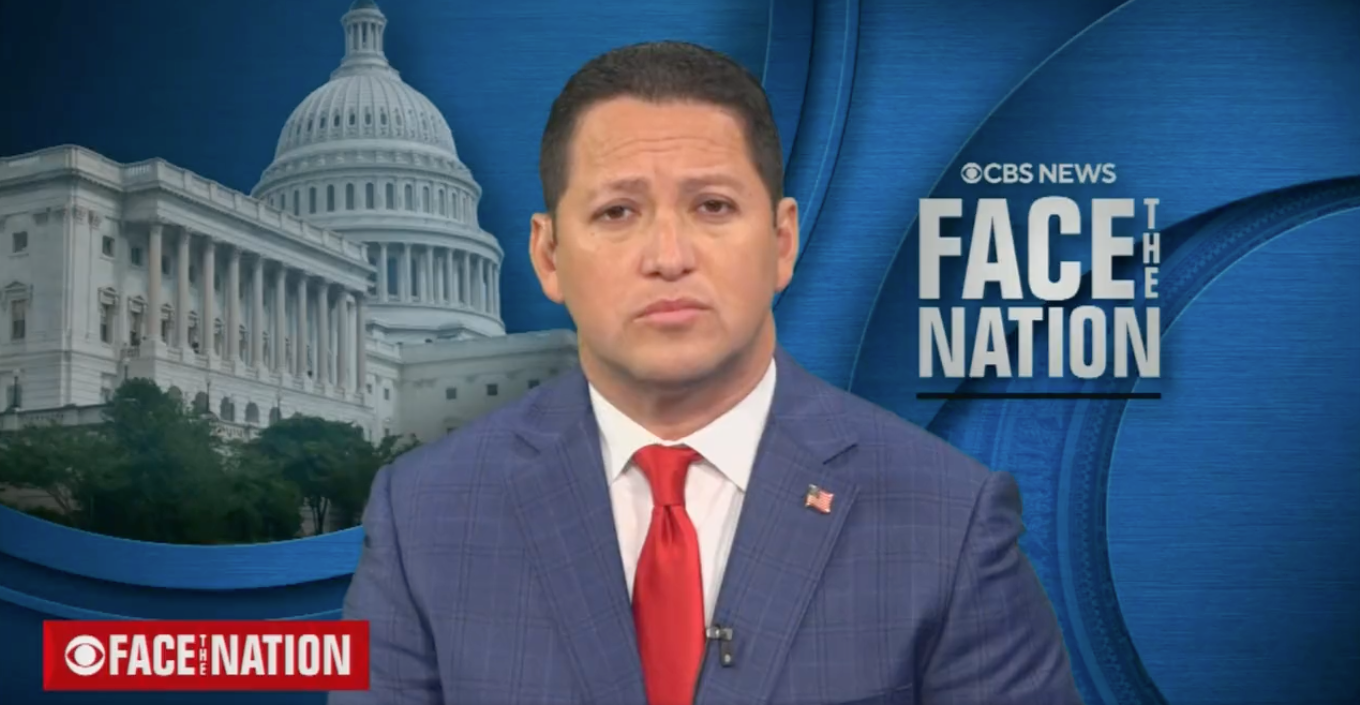
Republican Representative Tony Gonzales expressed skepticism about House Speaker Kevin McCarthy's ability to gather enough support within the party to avoid a government shutdown next month. Gonzales stated that while he wouldn't bet on McCarthy, he also wouldn't bet against him. He criticized the use of continuing resolutions as a temporary solution and predicted that the country is headed for a shutdown, urging everyone to prepare accordingly.
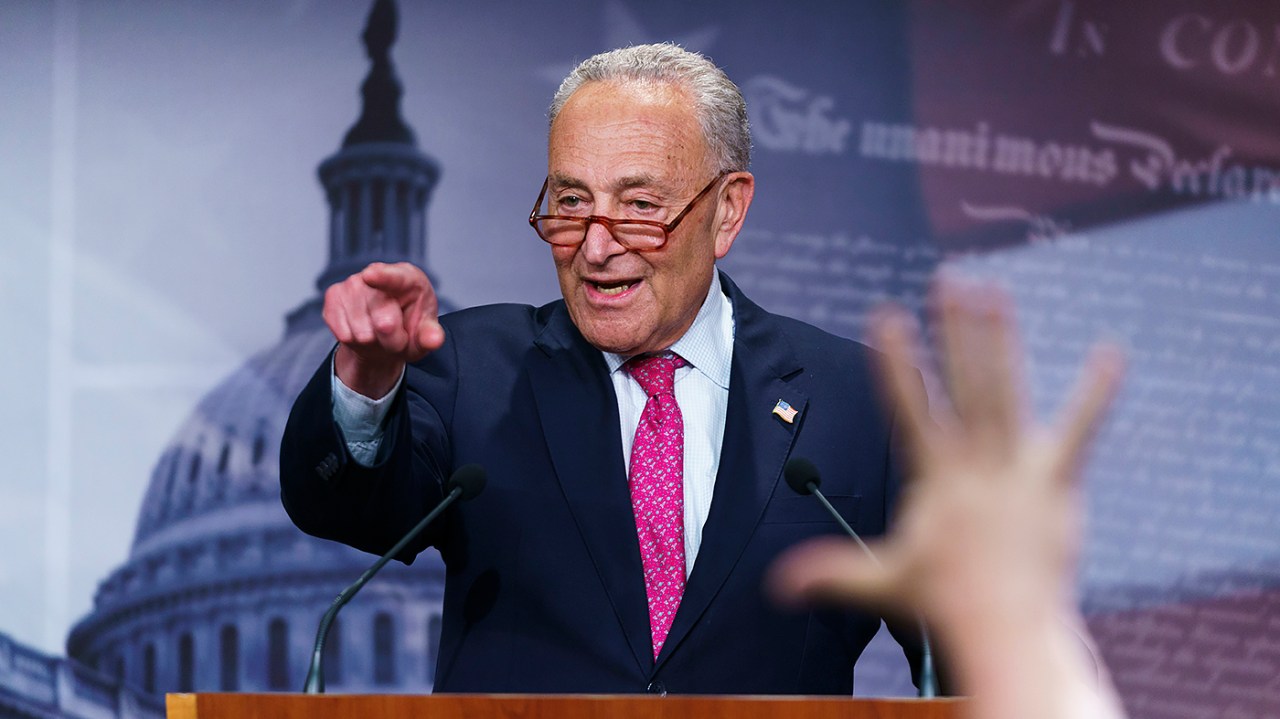
Senate Majority Leader Chuck Schumer has expressed support for passing a short-term bill to fund the government until December, acknowledging the need for more time to pass spending bills for fiscal 2024. Schumer emphasized the importance of bipartisan support to avoid a government shutdown and urged House Republicans to follow the Senate's lead. He also voiced support for the Biden administration's request for $13 billion in disaster relief for Hawaii following wildfires. Negotiators must navigate potential obstacles, including House conservatives and Republicans' concerns about Ukraine and the U.S. southern border. The timing of the Hawaii supplemental remains uncertain.