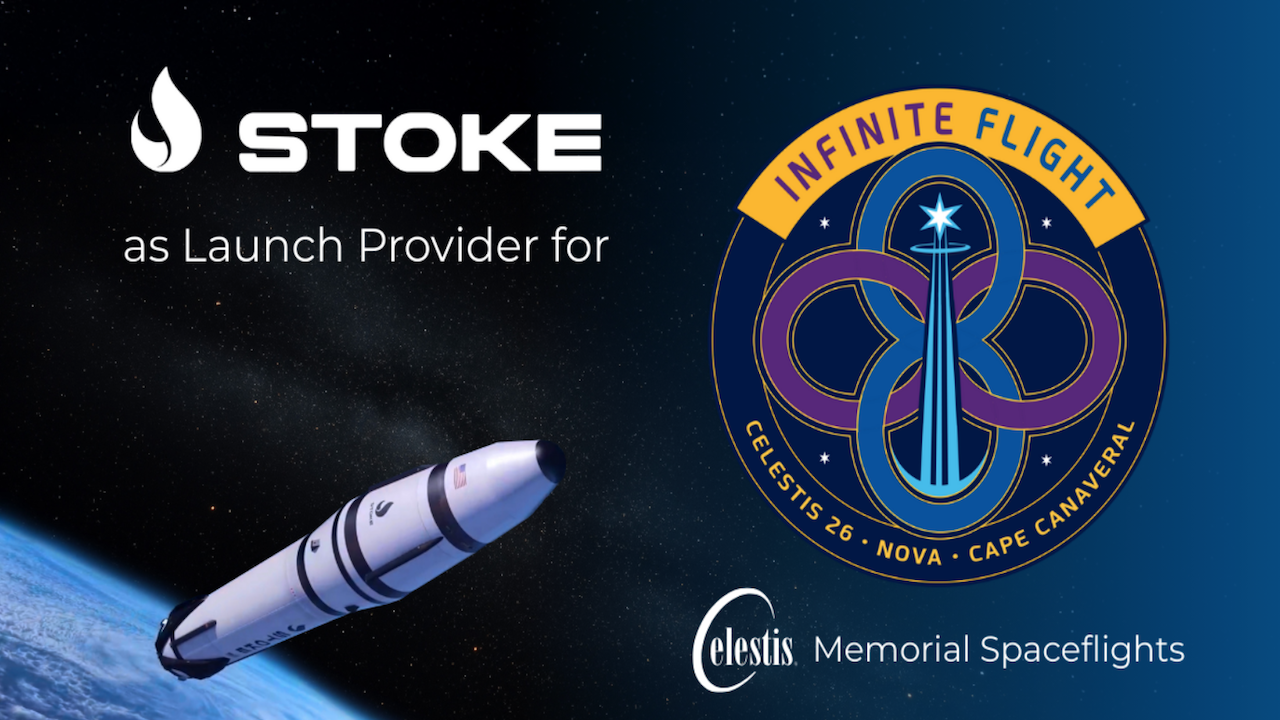
Celestis Inc. has selected Stoke Space's Nova rocket for its upcoming 'Infinite Flight' mission, set to launch in late 2026, carrying human remains into deep space beyond the Earth-moon system, marking the second commercial deep space memorial flight by the company.
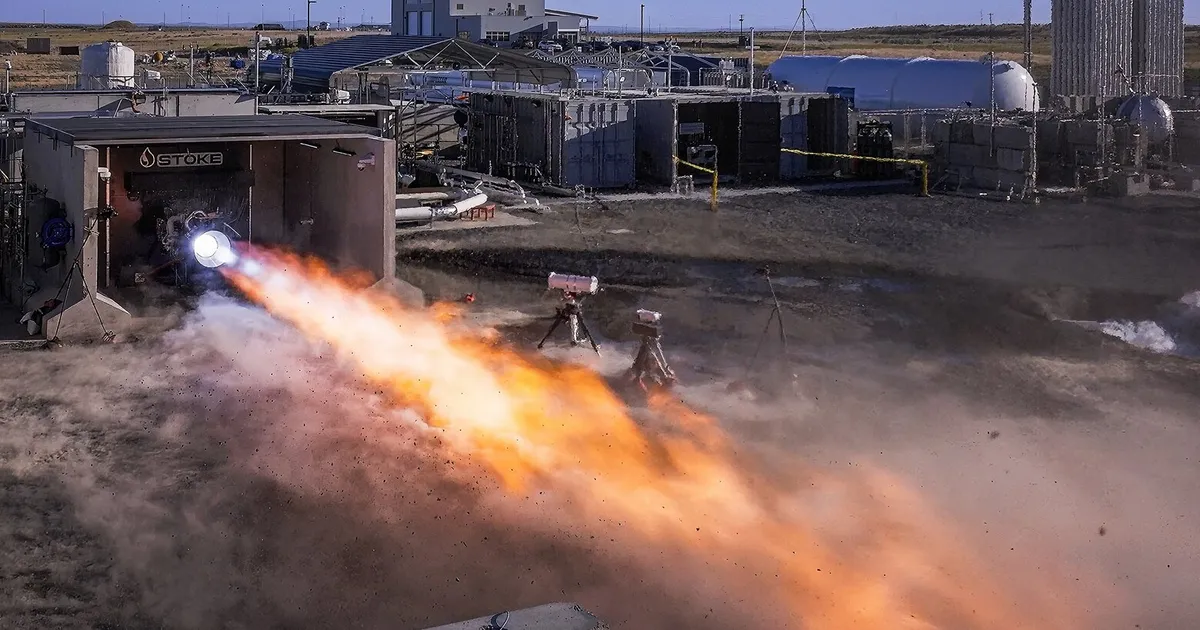
Stoke Space, a Washington-based aerospace company, is developing fully reusable rockets aimed at revolutionizing space travel with aircraft-like schedules. The company, founded by former Blue Origin engineers, is working on a novel rocket design featuring a "ring-of-fire" engine for the second stage, which integrates a heat shield with thrusters to enable vertical descent. Stoke's approach promises significant cost savings and increased access to space, potentially facilitating commercial ventures like asteroid mining and space junk cleanup. The company plans its first expendable launch next year, with full reusability expected a year later.
Stoke Space, a small launch company, has raised $100 million in funding and revealed the name of its fully reusable small rocket, Nova. The funding will be used to develop the rocket's engine and structure, as well as new construction at Launch Complex 14. Meanwhile, the return to flight of Europe's Vega C small launch vehicle has been delayed to late 2024 due to a nozzle redesign. Rocket Lab has opened a new engine development center in a building previously owned by Virgin Orbit, enabling faster production of engines. Germany is pursuing a competitive procurement process for launch services, signaling a shift from Arianespace as the primary rocket vendor. Additionally, French aviation company Dassault Aviation is in talks with Rocket Lab for the potential development of a reusable space transportation system.
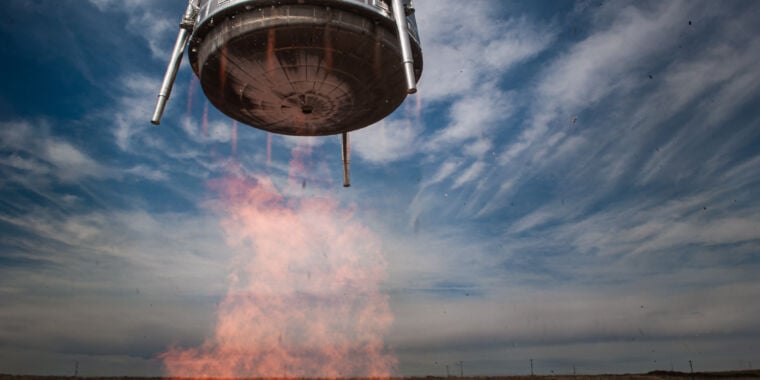
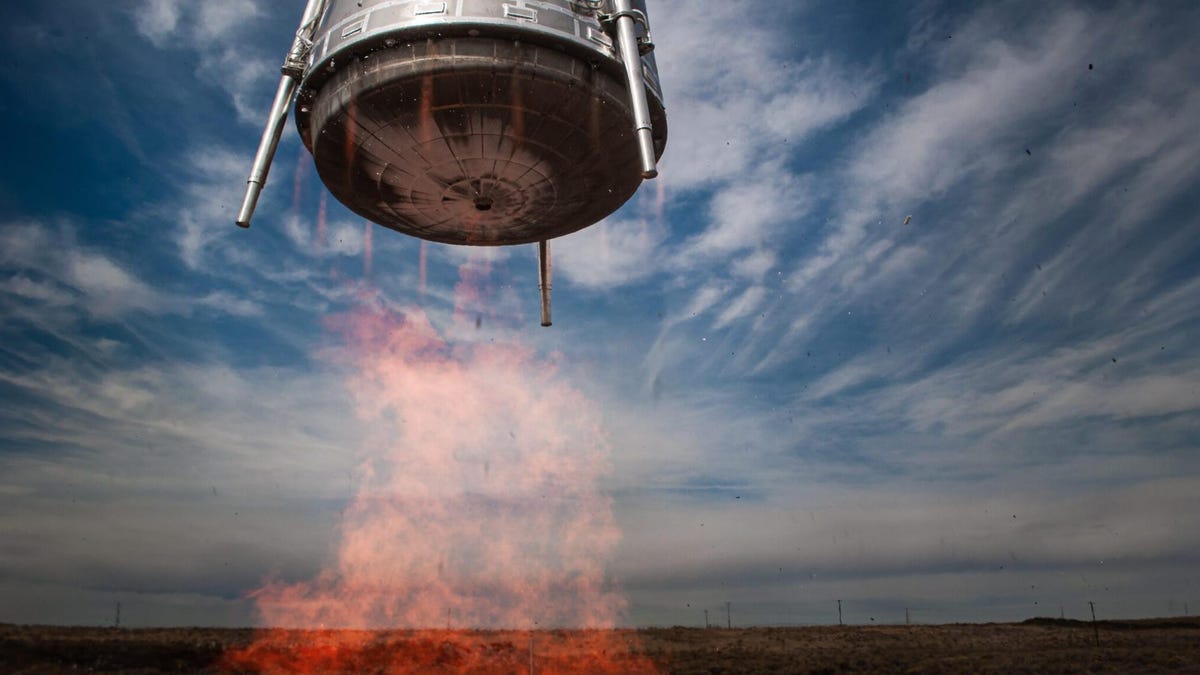
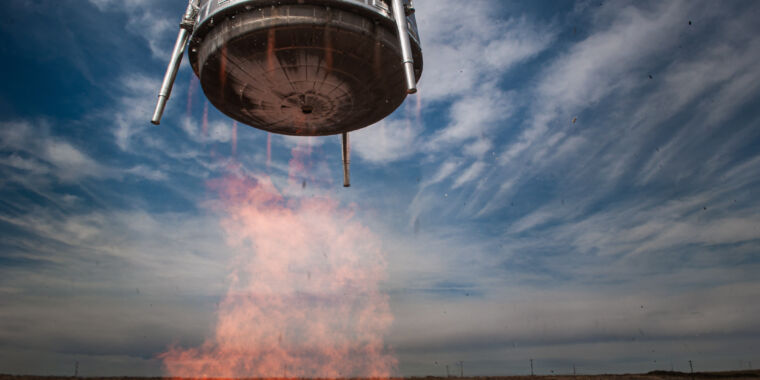
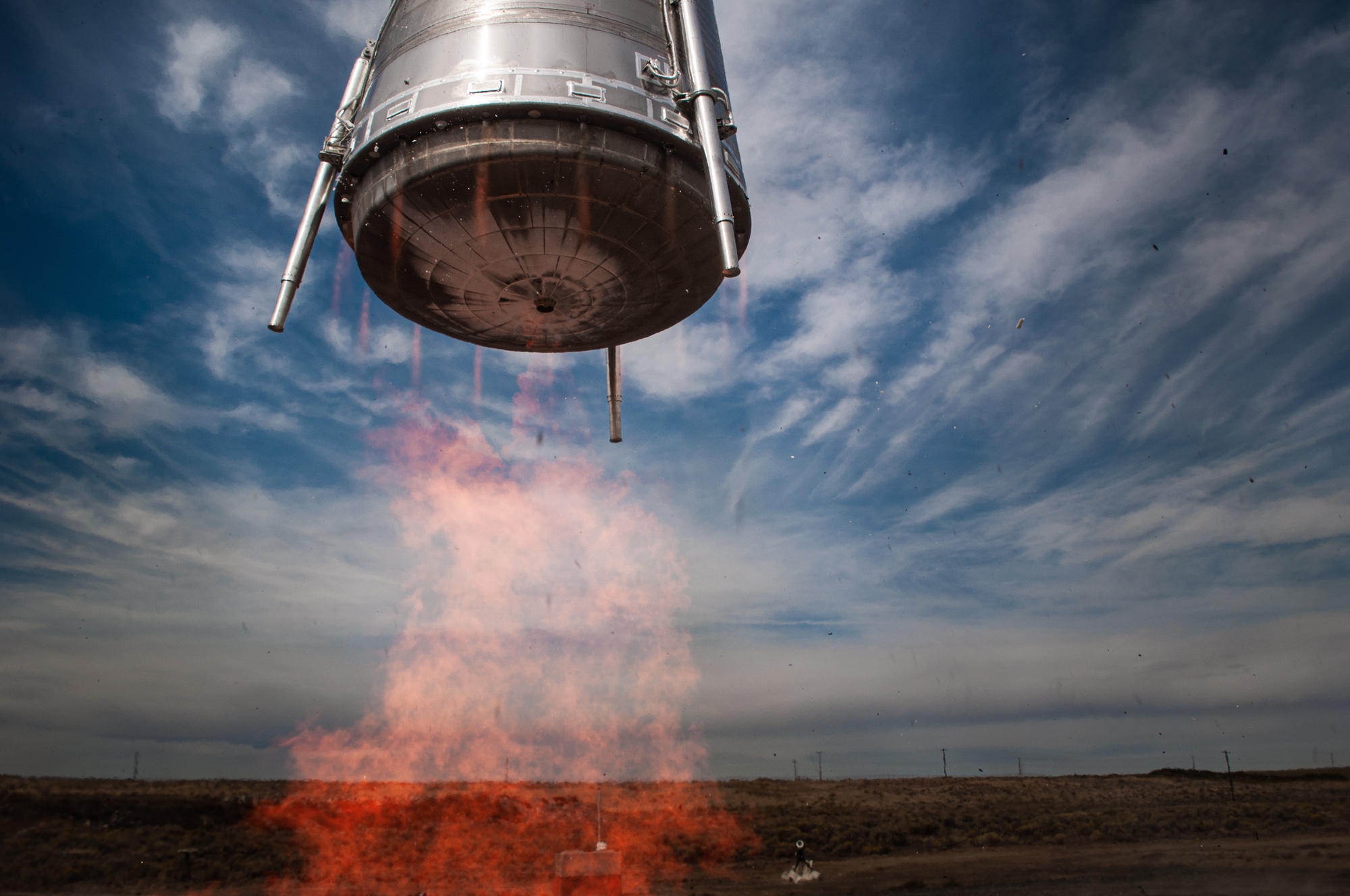
Stoke Space successfully launched and landed its prototype upper stage rocket, Hopper2, in a 15-second test flight, marking a significant step towards developing the world's first fully reusable rocket. The Seattle-based company aims to create a launch vehicle that can deliver payloads to orbit and return for vertical landings on Earth. Stoke Space plans to focus on its reusable first stage as it continues its development program.
Stoke Space, a small launch company, successfully flew its upper stage rocket for the first time in a short test flight. The flight demonstrated the performance of the company's oxygen-hydrogen engine, throttle control system, avionics, software, and ground systems. Stoke Space aims to develop a fully reusable rocket, with the upper stage designed to fly back to Earth and land vertically. The company plans to focus on developing a more traditional first stage and aims for a 2025 debut of its rocket. Stoke Space has been allocated a launch complex at Cape Canaveral Space Force Station and has the potential to become the second company to build a fully reusable rocket.
Stoke Space successfully flew its Hopper2 prototype, a reusable upper stage, in a brief test flight in Moses Lake, Washington. The vehicle, powered by liquid hydrogen and liquid oxygen, reached an altitude of about nine meters before safely landing. Stoke Space considers this flight a significant milestone in their efforts to develop a fully reusable launch vehicle and has obtained valuable data to evolve the vehicle design. The company plans to work on a reusable first stage informed by the lessons learned from the upper stage, with a goal of developing a full-fledged orbital vehicle by 2025.