
Tag

Stellar Contamination

All articles tagged with #stellar contamination

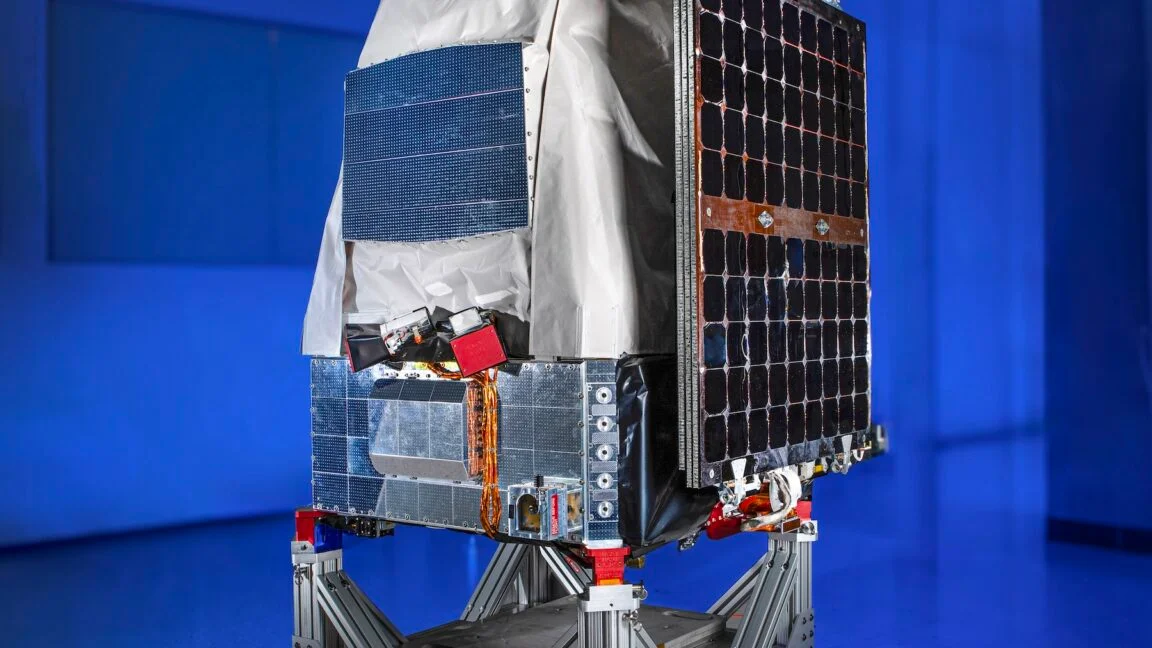
Tiny Pandora, Big Insight: Pandora Helps Webb See Real Exoplanet Signs
space5 days ago

Tiny Pandora, Big Insight: Pandora Helps Webb See Real Exoplanet Signs

NASA launches Pandora, a small 17-inch telescope, to calibrate and disentangle stellar activity from exoplanet signals so Webb can more reliably study exoplanet atmospheres. Over its one-year prime mission, Pandora will observe 20 preselected exoplanets to map star variability and correct Webb’s measurements, potentially confirming atmospheres with water or methane while operating on a modest budget and a SpaceX rideshare launch.
"TRAPPIST-1: Unveiling Alien Life Possibilities with Webb Space Telescope"
space-science2 years ago

"TRAPPIST-1: Unveiling Alien Life Possibilities with Webb Space Telescope"

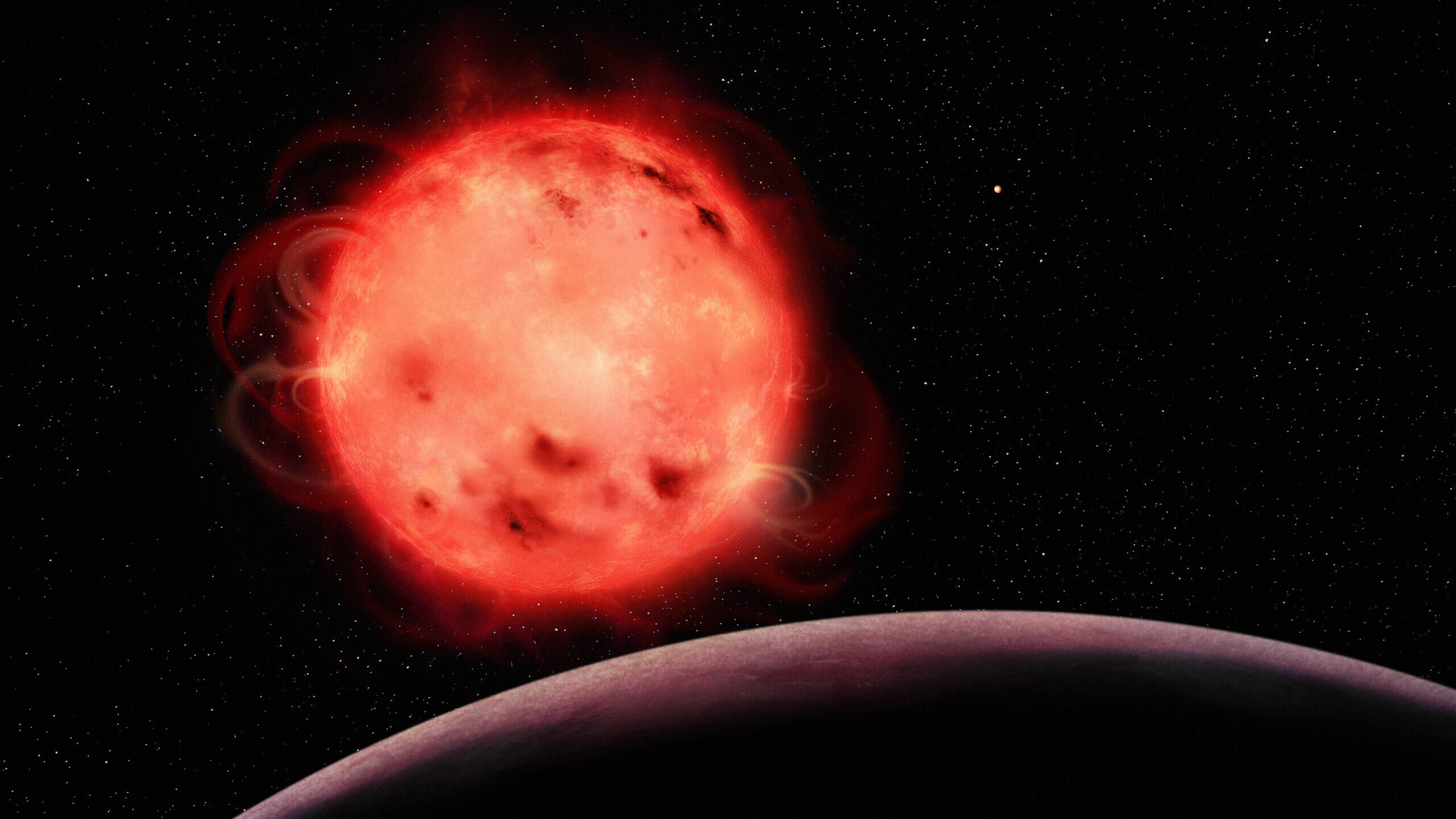
New observations from the James Webb Space Telescope suggest that the behavior of the host star of TRAPPIST-1b, an Earth-like exoplanet, may be interfering with accurate measurements of the exoplanet. Stellar contamination, caused by variations in the star's brightness due to starspots and faculae, can heavily impact spectroscopic observations of exoplanet atmospheres. This finding highlights the importance of taking stellar contamination into account when analyzing data and could affect future studies of the TRAPPIST-1 system, which has three exoplanets in the star's habitable zone. Further theoretical work and observations of the host star are needed to better understand and mitigate the effects of stellar contamination.

"Groundbreaking Discovery: James Webb Space Telescope Captures TRAPPIST-1 Planet's Spectral Signature"
space2 years ago

"Groundbreaking Discovery: James Webb Space Telescope Captures TRAPPIST-1 Planet's Spectral Signature"

The James Webb Space Telescope (JWST) has provided new data on TRAPPIST-1 b, the closest planet to its star in the TRAPPIST-1 solar system. The observations focused on understanding how the star affects observations of exoplanets in the habitable zone. The study found that stellar contamination, including spots and flares on the star, significantly impacts the measurements of the exoplanet's atmosphere. The results suggest that TRAPPIST-1 b may not have a significant atmosphere, but thinner atmospheres cannot be ruled out. These findings will inform future observations and contribute to our understanding of exoplanetary atmospheres and their potential habitability.