
Tag

Stellar Collision

All articles tagged with #stellar collision

Rogue Star's Collision Course with Earth Proven False
astronomy2 years ago

Rogue Star's Collision Course with Earth Proven False

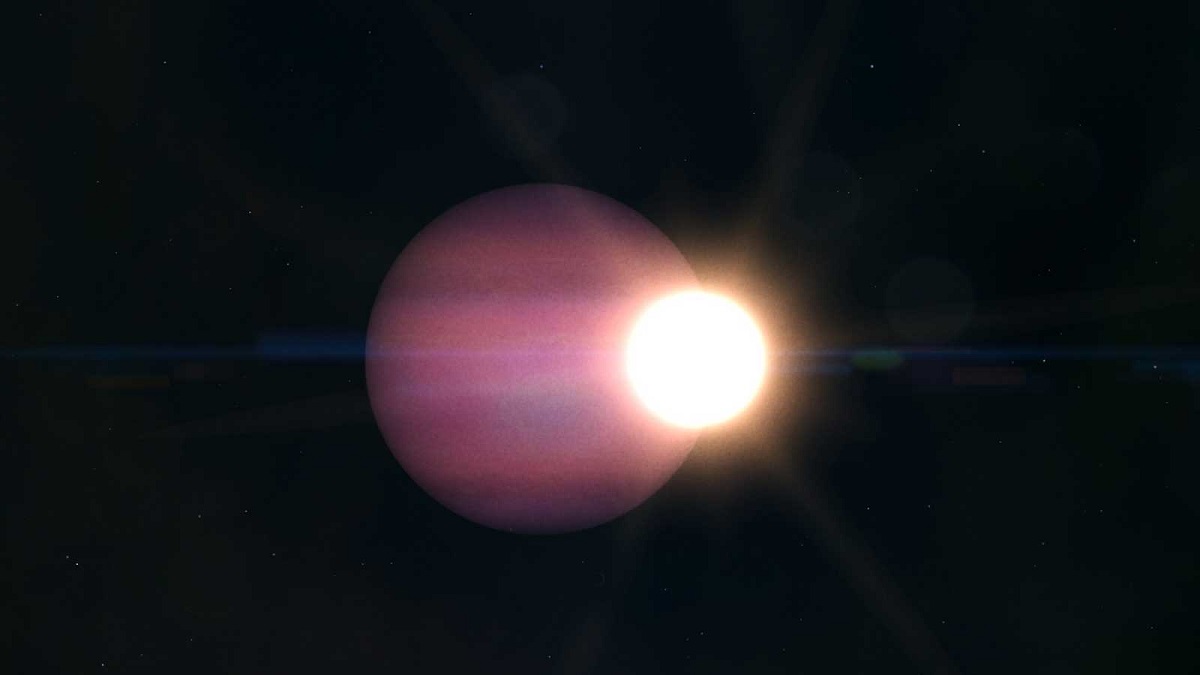
Scientists have corrected their previous calculations and determined that a rogue white dwarf star, WD0810-353, will not crash into our Sun or come close to Earth. The previous projections were based on the star's light spectrum, but the researchers overlooked its unusually large magnetic field, which affected the measurements. While our solar system is still likely to encounter other stellar visitors in the future, this particular potential catastrophe has been ruled out.
Unprecedented Discoveries: Exploring Explosions and Collisions in the Universe
science2 years ago

Unprecedented Discoveries: Exploring Explosions and Collisions in the Universe

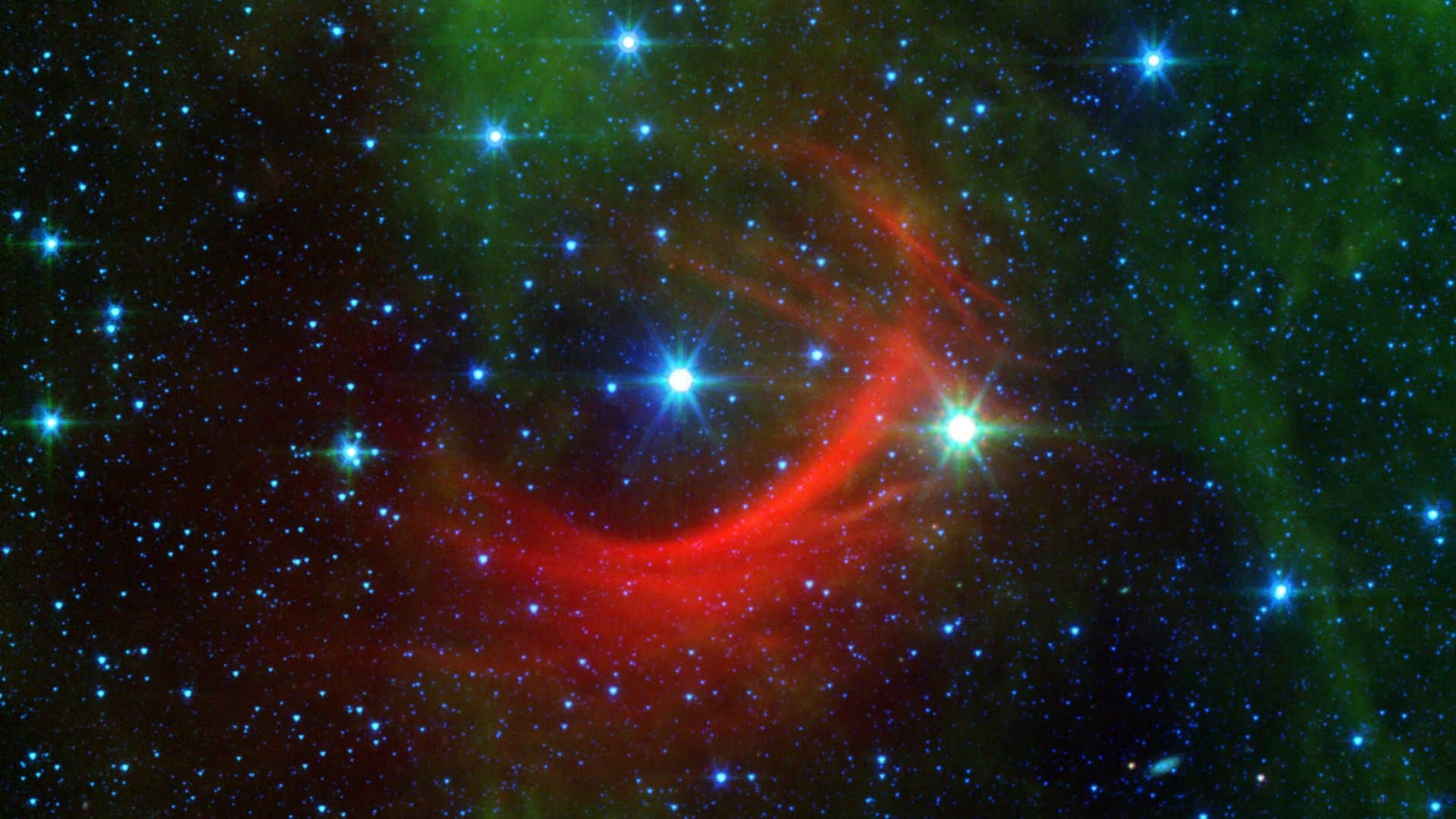
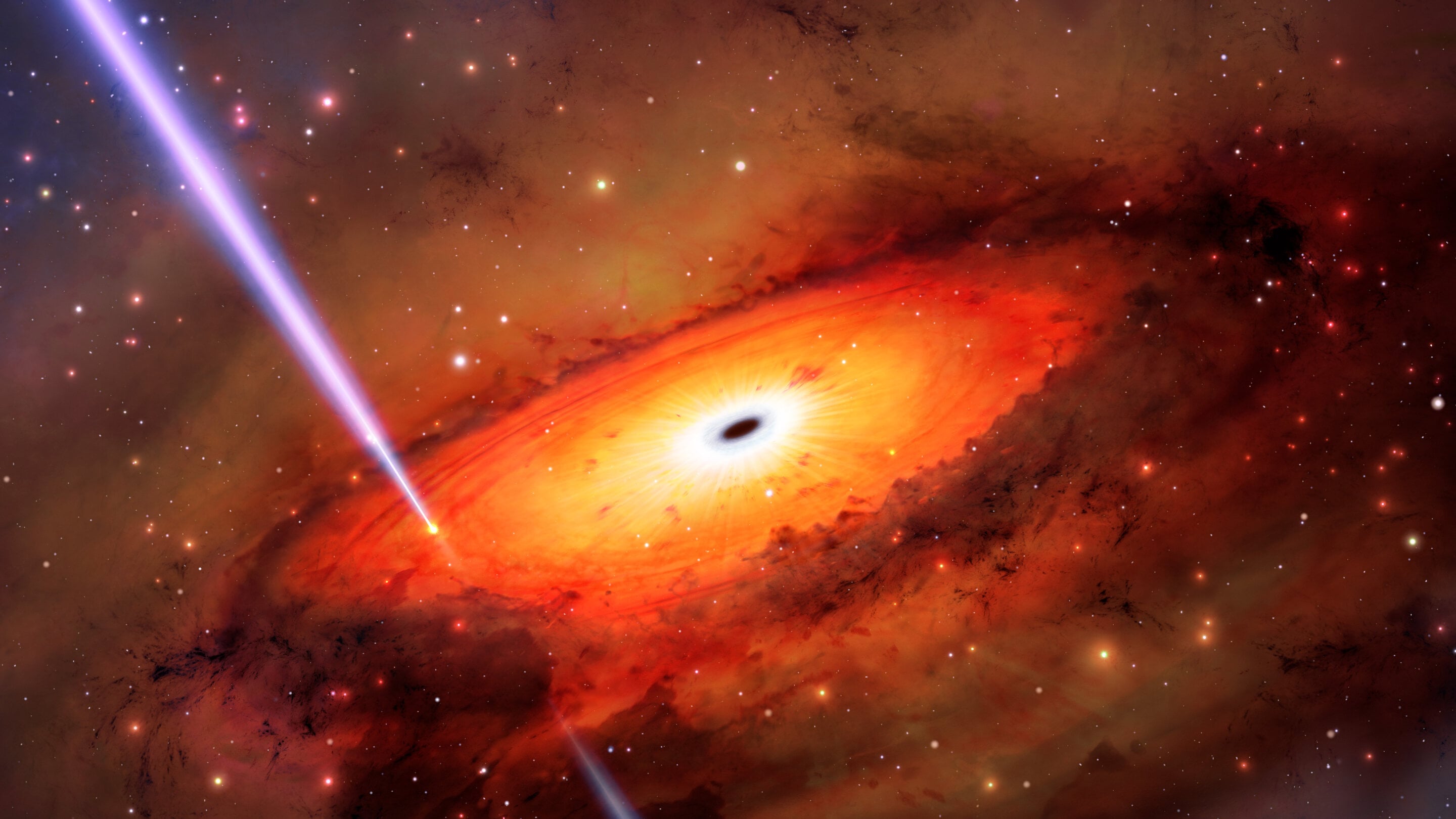
Scientists have observed a new way for stars to die: by colliding with each other and causing a massive gamma-ray burst. This discovery was made by an international team of astrophysicists studying the area around a supermassive black hole in an ancient galaxy. The collision of two stars resulted in a minute-long flash of gamma rays, ruling out other common causes of gamma-ray bursts. While collisions between stars have been theorized, this is the first time it has been observed. The finding highlights the vast unknowns in the universe and the continued importance of both ground-based and space observatories in making discoveries.

Unprecedented Stellar Destruction and Explosions Baffle Astronomers.
astronomy2 years ago

Unprecedented Stellar Destruction and Explosions Baffle Astronomers.

An international team of astrophysicists has discovered a new way to destroy a star and generate a gamma-ray burst (GRB) by observing the collision of stars or stellar remnants in the dense environment surrounding a supermassive black hole at the core of an ancient galaxy. The researchers used the Gemini South telescope to make long-term observations of the GRB's fading afterglow and pinpointed its location to a region less than 100 light-years from the nucleus of the galaxy. The discovery of this event in the core of its old, quiescent galaxy opens the door to promising new avenues for the formation of binary systems that have rarely been observed before.