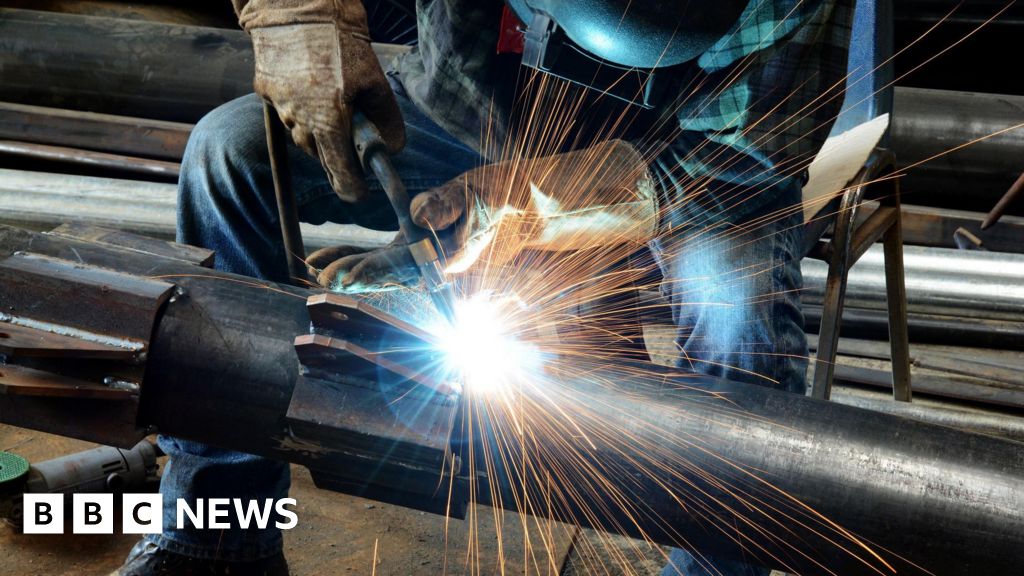
The UK and US have signed a deal reducing tariffs on UK car and aerospace exports, but steel and aluminium tariffs remain unresolved, creating uncertainty for UK manufacturers. The agreement also involves the UK removing tariffs on US beef and ethanol, raising concerns among UK farmers and industry, while the steel tariff issue could escalate if not resolved by July 9.
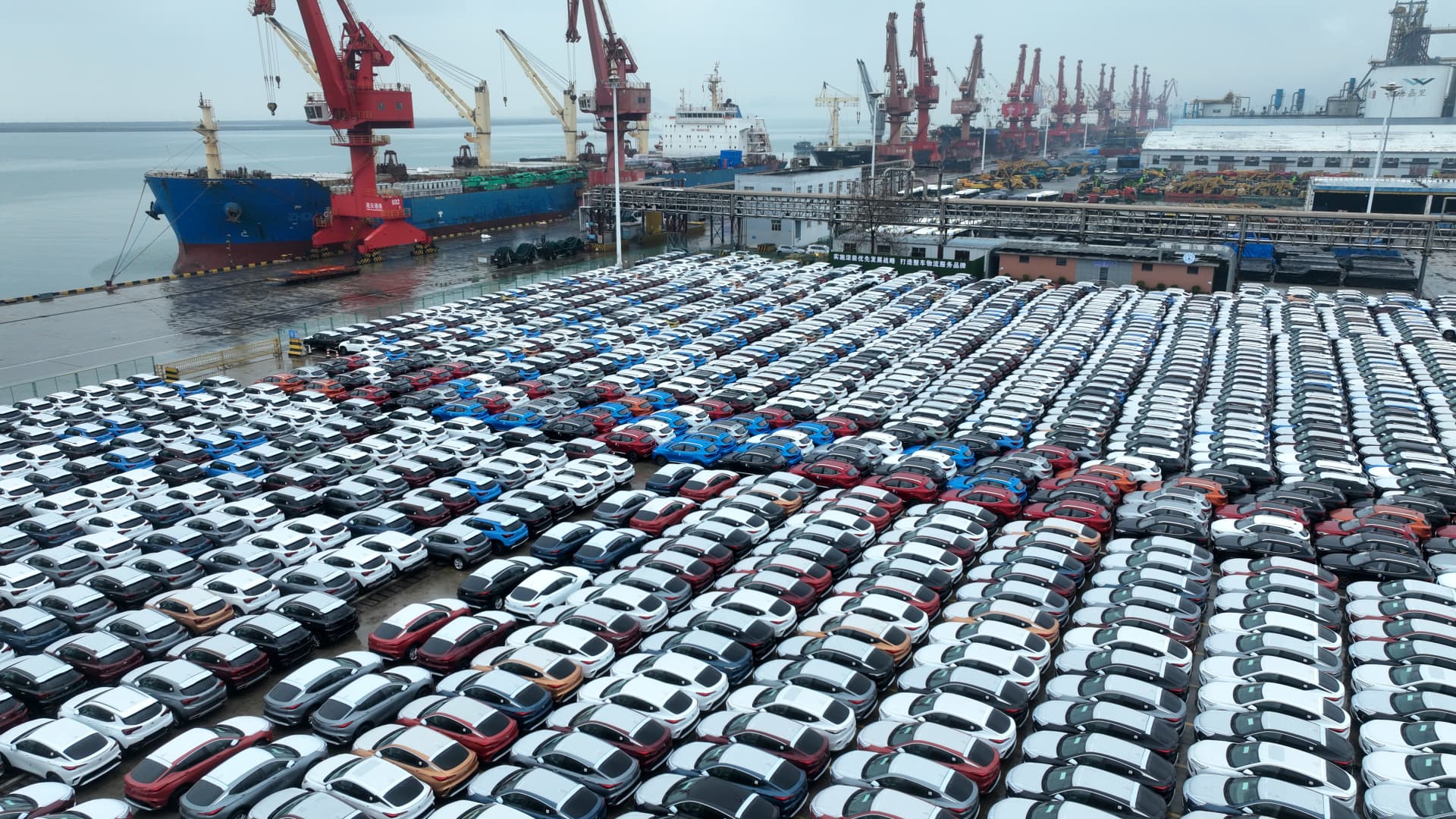
China narrowly missed surpassing Japan as the world's top car exporter in 2023, with over 70% of its exports being gasoline-powered vehicles, many of which went to Russia and Mexico. The country's new energy vehicle penetration reached 40% of new passenger car sales, significantly higher than in the U.S., and Chinese electric car company BYD outperformed Tesla in overall vehicle production. Chinese car makers are expected to increase their share of the domestic auto market to 75% by 2030, potentially leading to trade disputes, particularly in the case of Chinese car sales to Mexico.
China's car industry has experienced a surge in exports, surpassing Japan as the world leader, as overseas demand for inexpensive vehicles made in China continues to grow. Chinese automakers have captured significant market shares in Russia, Southeast Asia, Australia, South America, and Mexico, and are now preparing to expand into Europe. However, the lack of specialized ships to carry the cars remains a challenge. Chinese carmakers are stuck with unused factory capacity for gasoline-powered cars, as Chinese consumers increasingly prefer electric vehicles. To address this, Chinese automakers are building a fleet of car-carrying ships to meet the rising demand for their vehicles abroad.