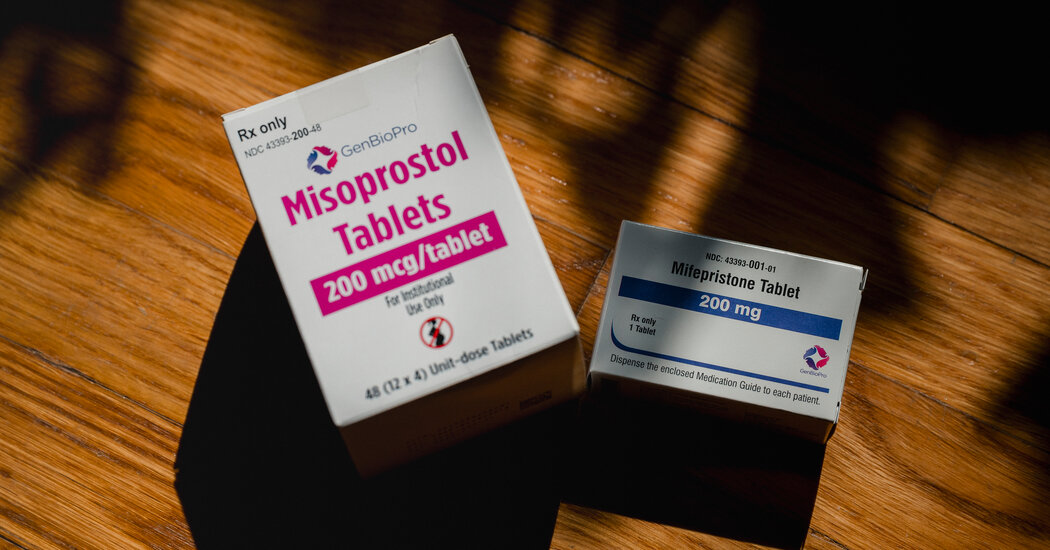
States like Texas and New York are heading toward a constitutional showdown over abortion shield laws, which protect providers who prescribe abortion pills via telemedicine in states with bans, challenging interstate legal cooperation and raising significant legal and constitutional questions.
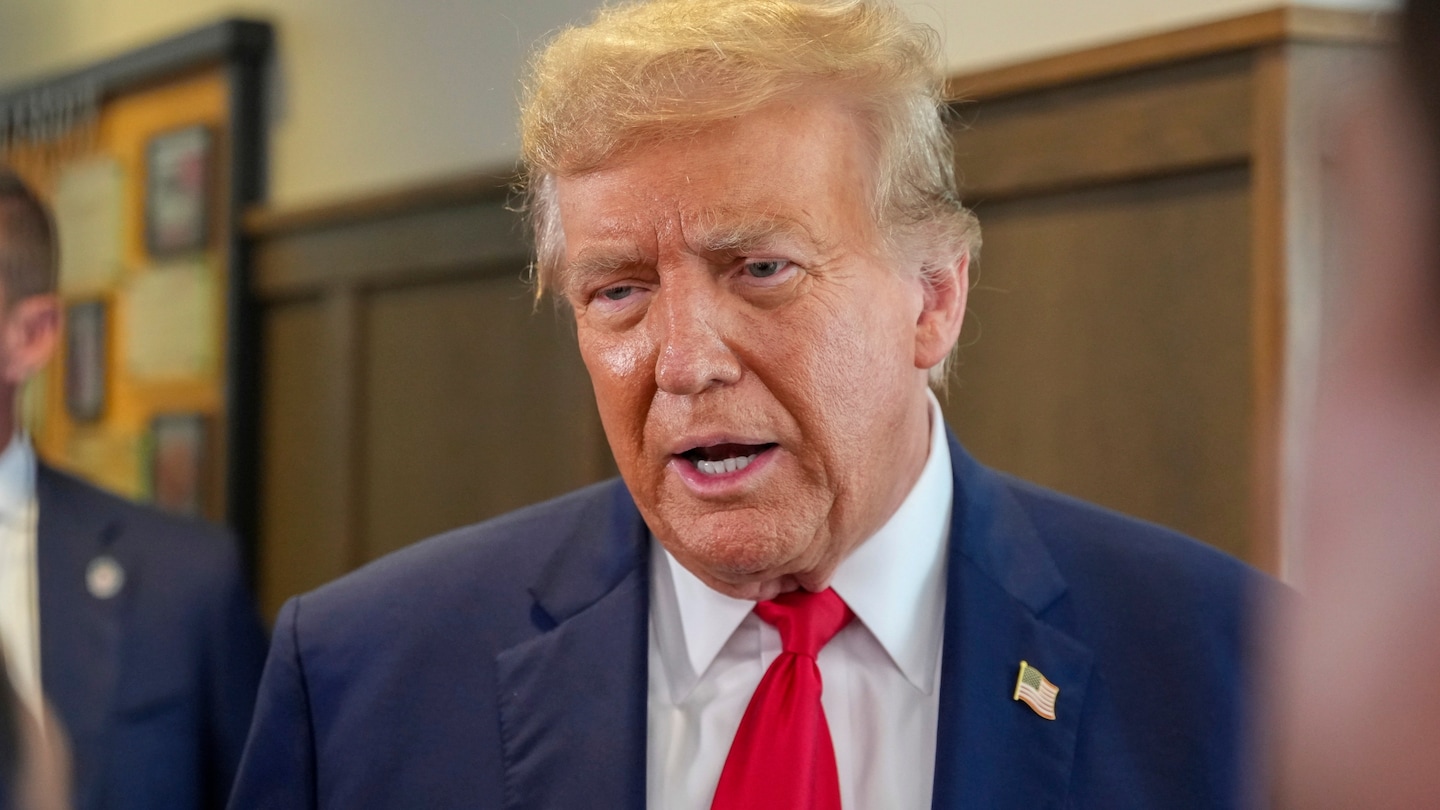
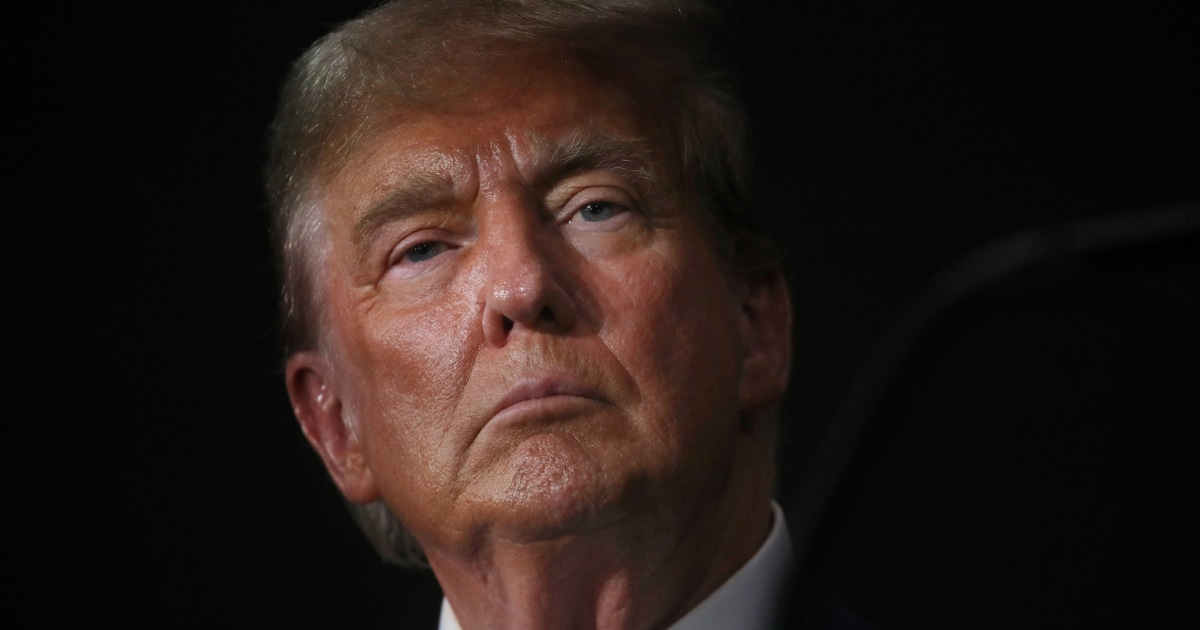
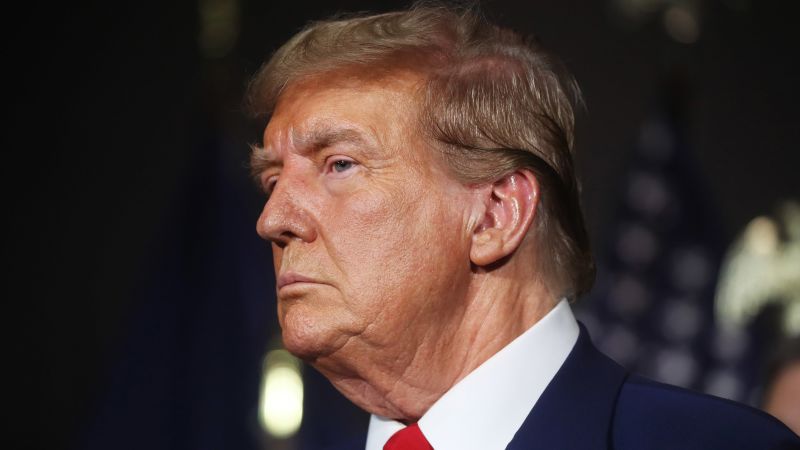
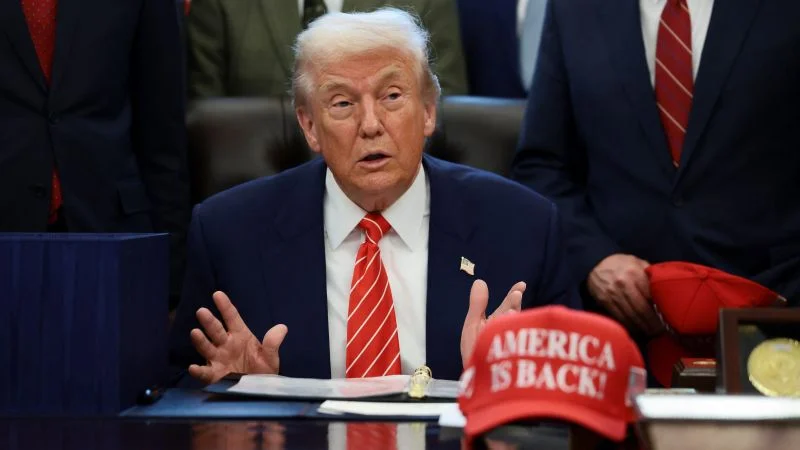
Former President Donald Trump avoided taking a clear stance on punishing doctors who provide abortions, deferring the decision to the states. This comes as the Arizona Supreme Court revived a harsh 1864 abortion ban threatening providers with prison time. Trump's reluctance to address specific abortion policies reflects his discomfort with the issue's divisiveness and his tendency to avoid taking a definitive position. This lack of leadership on a contentious issue leaves the GOP without a clear path forward.
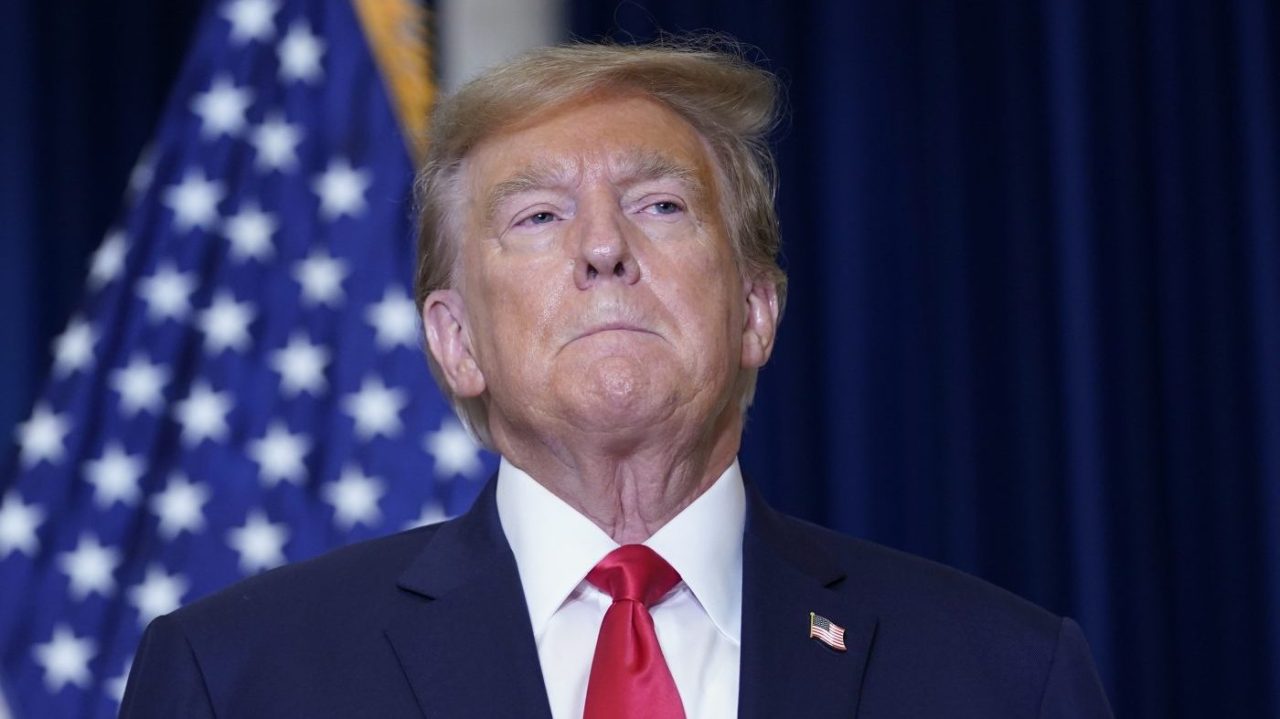
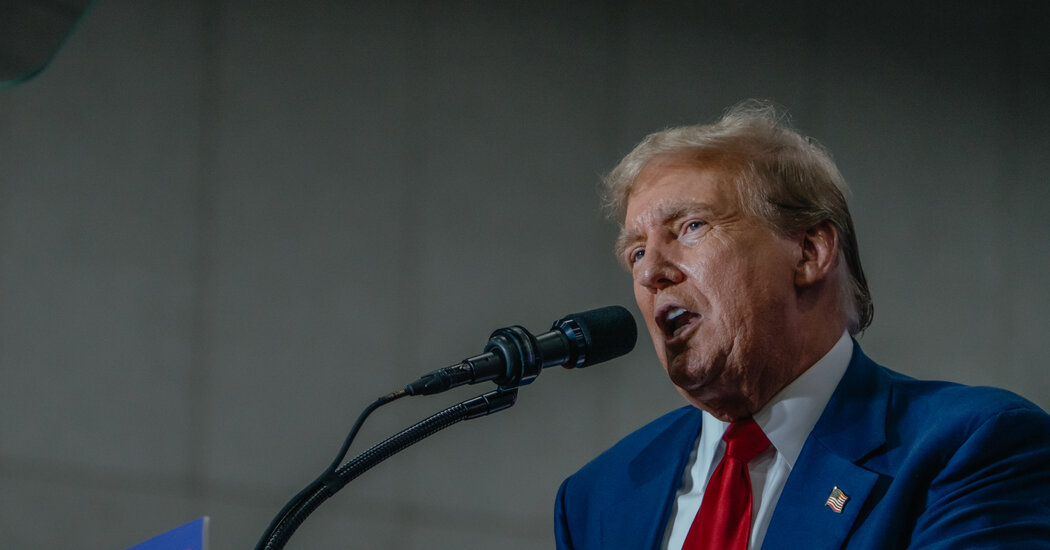
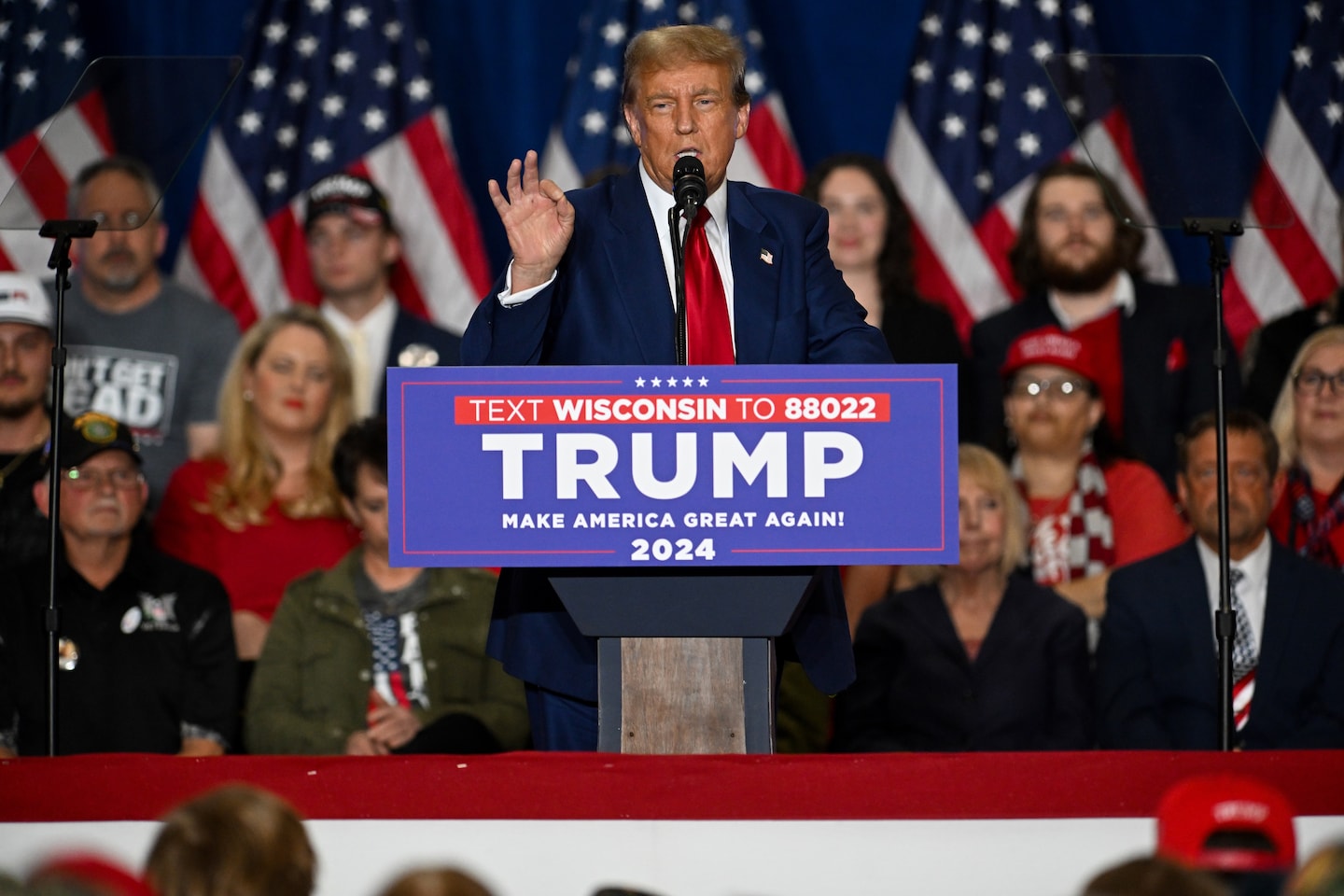
Former President Trump stated that he would not sign a national abortion ban if reelected, emphasizing that abortion policy should be determined by individual states. The Biden campaign quickly dismissed his comments, citing his previous support for a national abortion ban and his track record on the issue. Trump's stance on leaving abortion policy to the states was tested by an Arizona court ruling upholding a law that made performing abortion a felony. Despite the potential challenges in passing a federal abortion ban through Congress, concerns remain about the possibility of further restrictions on abortion access in a second Trump administration.
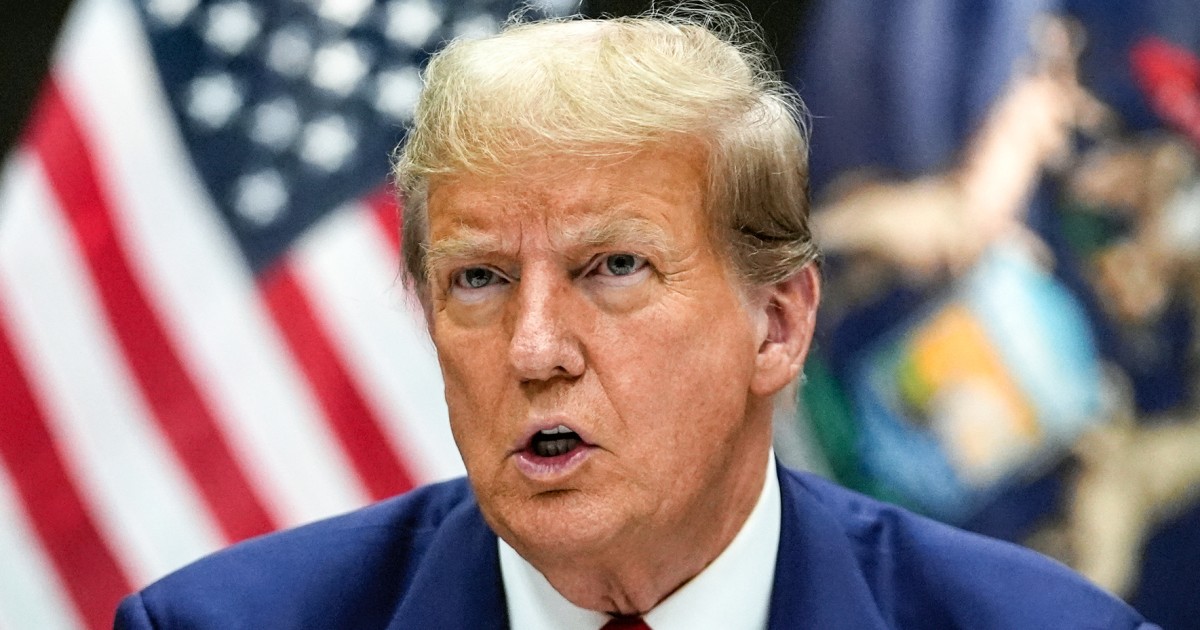
Former President Donald Trump criticized the Arizona Supreme Court's ruling on the state's near-total abortion ban, stating that it went too far and should be "straightened out" by Arizona's governor and others. Trump reiterated his belief that abortion should be left up to states, while also stating that he would not sign a national abortion ban as president. His comments come amid a debate within the Republican party over the issue, with some Republicans wanting Trump to promote the possibility of a national ban.
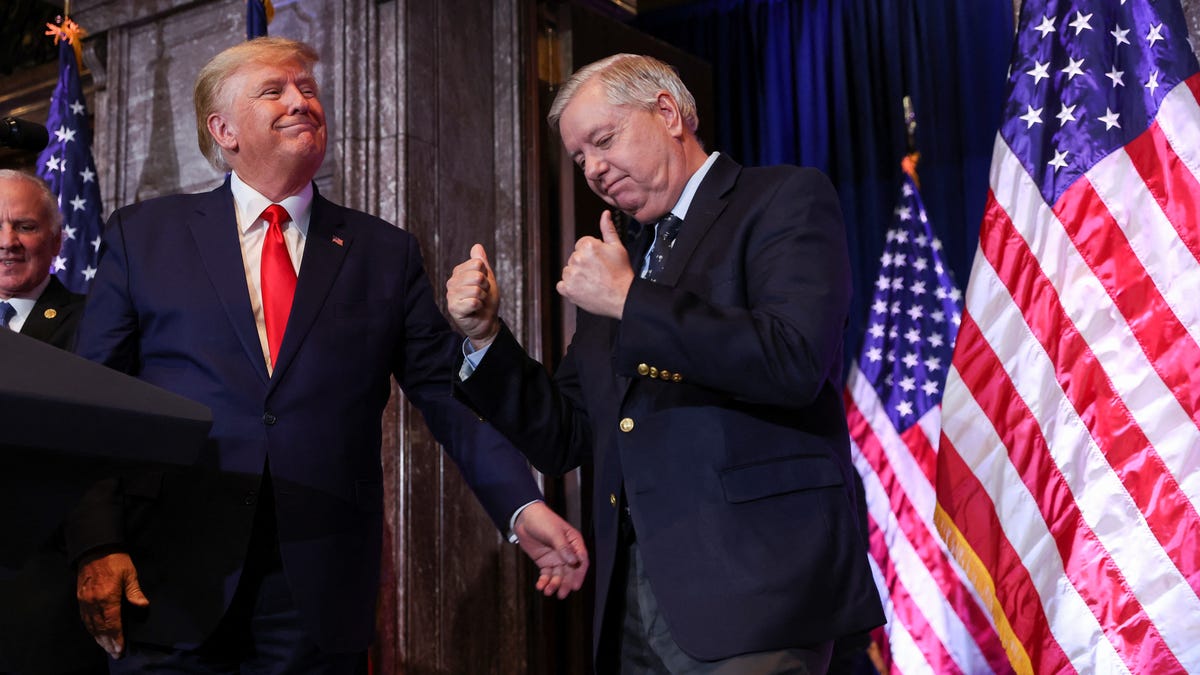
Former President Donald Trump and South Carolina Republican Senator Lindsey Graham clashed over abortion policy, with Graham criticizing Trump's stance that states should decide their own abortion policies. Graham, who supports a federal abortion ban after 15 weeks, argued that the pro-life movement is not about geography but about the child. Trump, on the other hand, believes that federal abortion bans are not popular with voters and could cost Republicans elections. The dispute highlights divisions within the Republican party over abortion policy and state's rights.
After much deliberation and lobbying from allies, Donald Trump ultimately decided to stick with the "states' rights" approach to abortion, allowing individual states to determine their own laws. Despite pressure to support a national ban, Trump's team argued that antiabortion voters would remain loyal and that a federal ban could be politically damaging. Trump's wavering stance on the issue has drawn criticism from some antiabortion leaders, while Democrats are poised to use his position on abortion as a key election issue in 2024.
Former President Donald Trump stated that abortion laws should be determined by individual states, avoiding taking a stance on a national ban despite pressure from some allies. His comments upset anti-abortion groups, with one leader expressing disappointment in his position. Trump's shifting statements on abortion have caused confusion, with his campaign indicating support for states' rights over a federal ban. President Joe Biden's campaign has criticized Trump's varying remarks on abortion, emphasizing trust in women's choices.
Former President Donald Trump stated that abortion rights should be determined by individual states, emphasizing the need for legislation to reflect the will of the people. He expressed support for exceptions in cases of rape, incest, and life-threatening situations, while avoiding mention of a potential national ban. Trump's remarks highlight the ongoing struggle within the Republican party over their stance on abortion following the 2022 overturning of Roe v. Wade, providing Democrats with an opportunity to criticize his position on some of the country's strictest abortion laws.
Former President Donald Trump, after months of mixed signals, suggested that abortion should be left to states, taking credit for the overturning of Roe v. Wade and emphasizing that it is now up to the states to decide. Trump has wavered on the issue since Roe fell in 2022, facing pressure from both sides of the abortion debate and highlighting the political fallout for Republicans. He has emphasized support for in vitro fertilization and the potential danger of the abortion issue for conservatives at the ballot box, while also acknowledging the difficulty of securing federal restrictions on abortion.
Former President Donald Trump stated that abortion legislation should be determined by individual states, emphasizing that it should be decided by vote or legislation. He expressed pride in appointing three conservative Supreme Court justices and suggested that states may have varying abortion laws, while reiterating support for exceptions in cases of incest, rape, and maternal life endangerment.
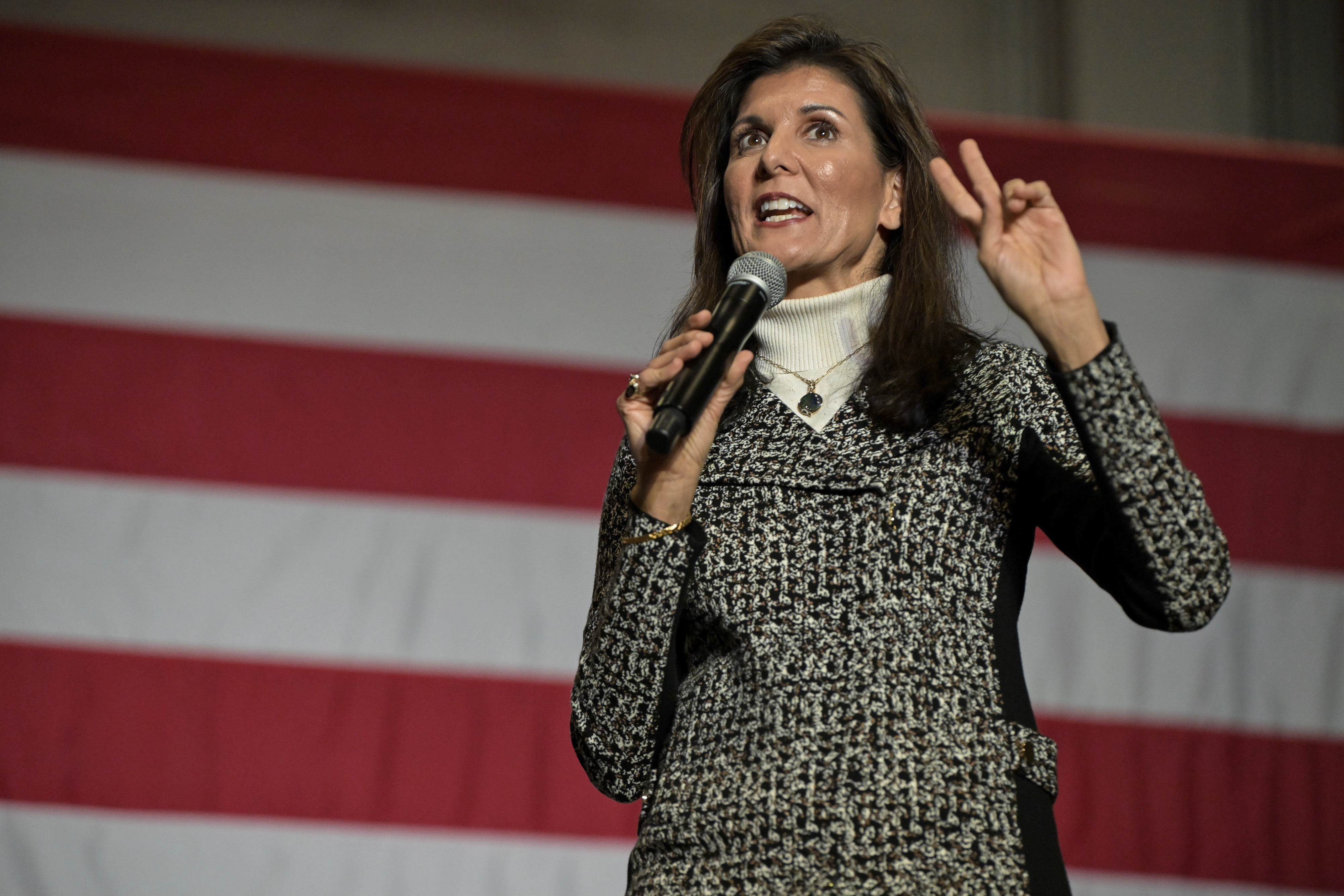
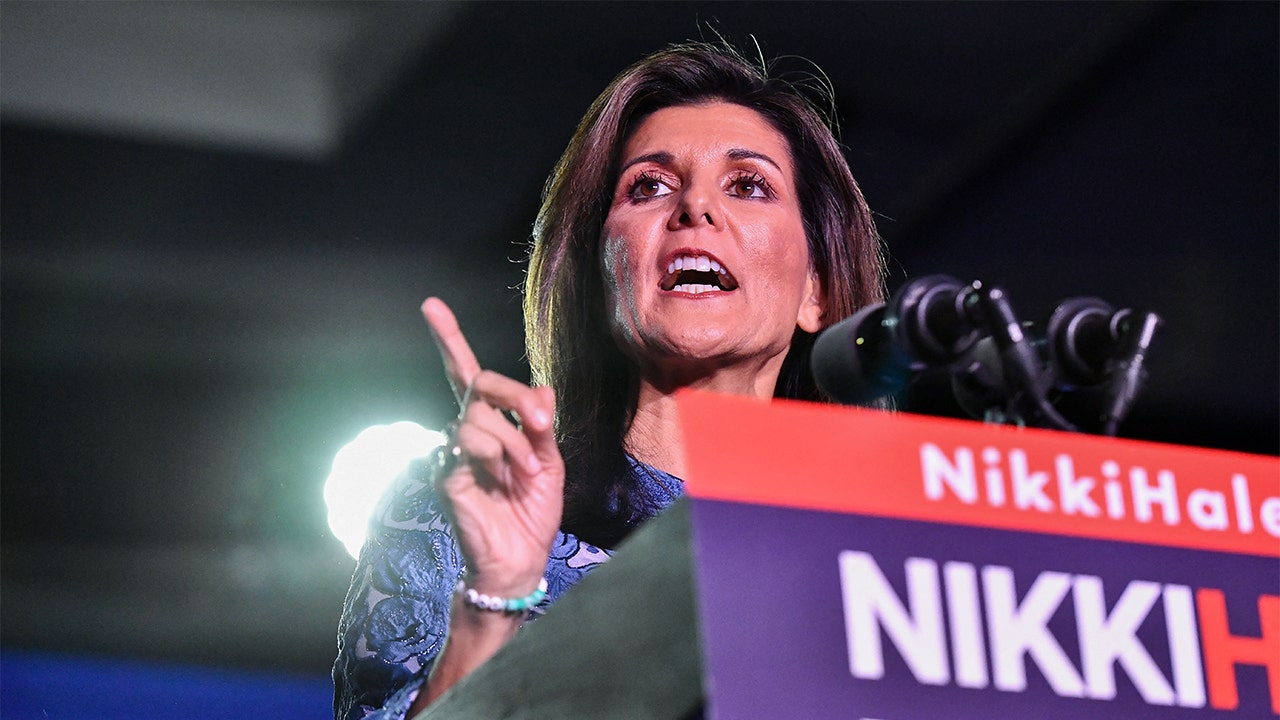
Former South Carolina governor and Republican presidential candidate Nikki Haley backtracked on her earlier remarks about states' ability to secede, clarifying that according to the Constitution, they cannot. This comes after she initially suggested that Texas could leave the union if it chose to. The discussion arose in the context of Texas Governor Greg Abbott's defiance of a U.S. Supreme Court ruling regarding border security measures. Haley expressed sympathy for Abbott's frustration, emphasizing the importance of states' rights while disavowing any support for secession.
Nikki Haley clarified her recent comments about Texas secession, stating that her remarks were more about the immigration crisis and states' rights than actual secession. She emphasized that Texans are not seriously considering seceding from the U.S. and that the focus should be on addressing the illegal immigration crisis. Haley expressed support for Texas Governor Greg Abbott's efforts to protect the state's border and emphasized the importance of allowing states to make decisions to keep their residents safe. The U.S. Constitution does not allow for states to secede, and legal experts have confirmed that secession is not a viable option for Texas.
A recent Supreme Court ruling on animal welfare could have implications for the abortion debate, as it dealt with the ability of states to take actions with impacts beyond their borders. Experts suggest that states could use this ruling to restrict or expand abortion access beyond their own borders, such as cracking down on the mailing of abortion pills or restricting the sale of goods from states with contrary views. The ruling could also embolden states to enact policies that have secondary effects in other states, similar to California's law on pork raised in a way that goes against their ethics.
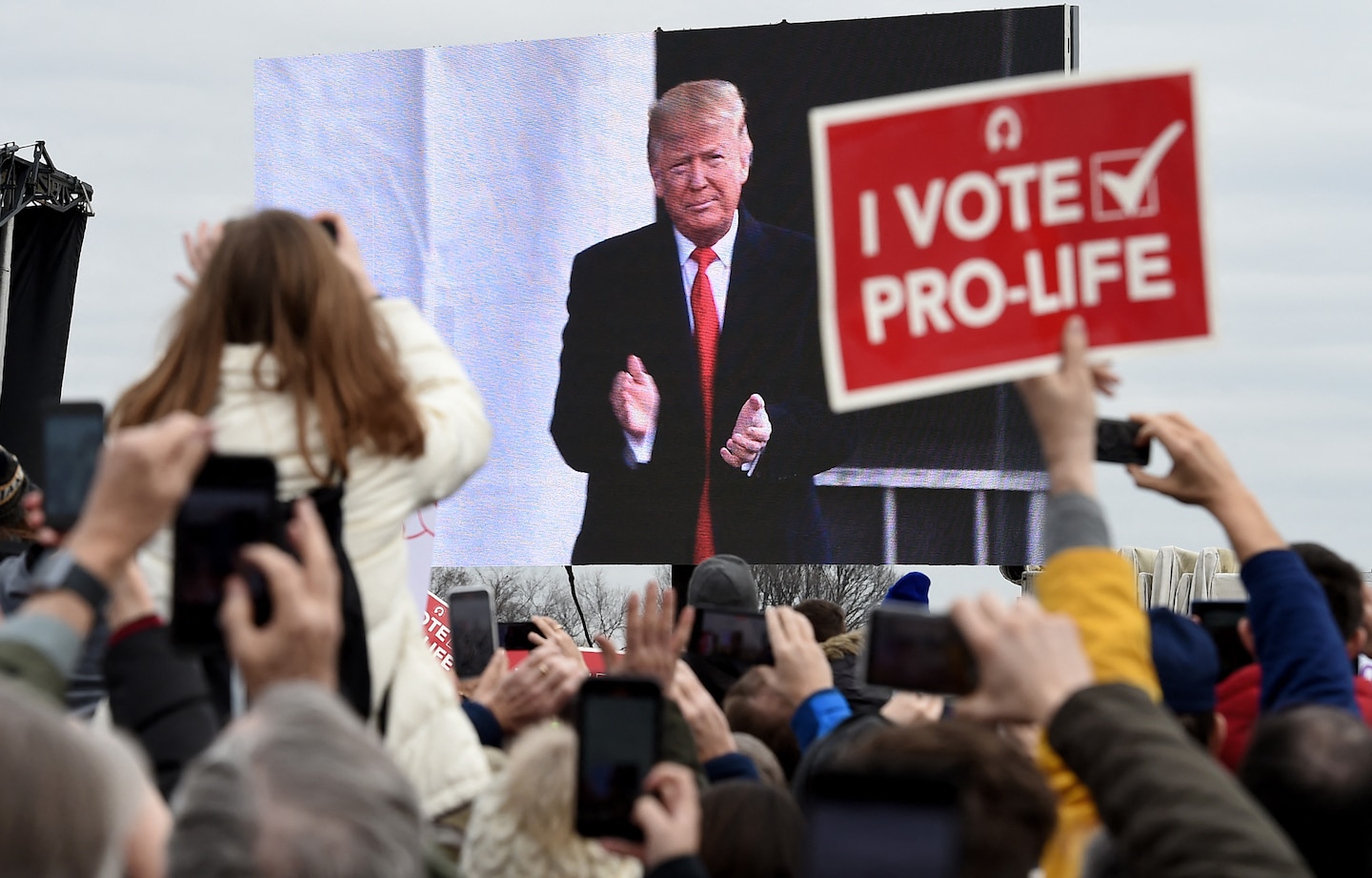
Anti-abortion group SBA Pro-Life America criticized former President Donald Trump after his campaign said he believes states should decide abortion laws. The group's president, Marjorie Dannenfelser, called Trump's position "morally indefensible" and said they would oppose any presidential candidate who refuses to embrace a 15-week national standard. Trump's spokesperson reiterated his position that states should be the decision-makers on abortion. The response from SBA Pro-Life America highlights the challenges facing Republican candidates seeking their party's nomination next year, as they navigate the divide between conservative members of the base who want strict rules against abortion and those who want the procedure to be legal in all or most cases.
House Republican leaders are distancing themselves from any kind of national abortion ban, instead leaving the issue to House committees and the states. With a slim majority and many members in swing districts, leaders appear content to leave the decision to the states. Conservative and anti-abortion advocacy groups are pushing for Congress to take action on federal abortion restrictions, but House GOP leaders are not putting forward a national ban on abortion in any form.