Tag

Federalism

All articles tagged with #federalism

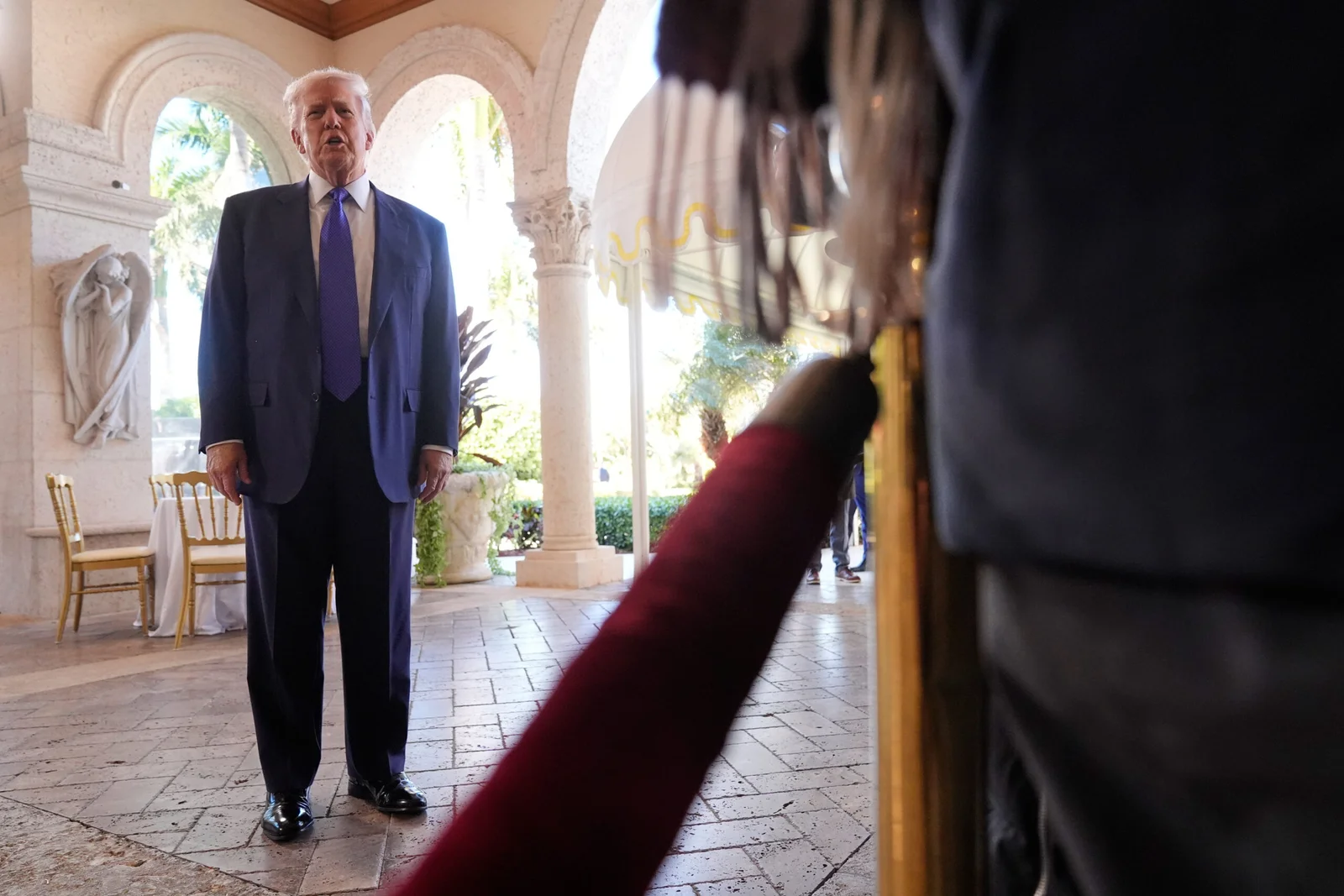
Ohio Republicans defend state control as Trump pushes federal elections
politics18 days ago

Ohio Republicans defend state control as Trump pushes federal elections

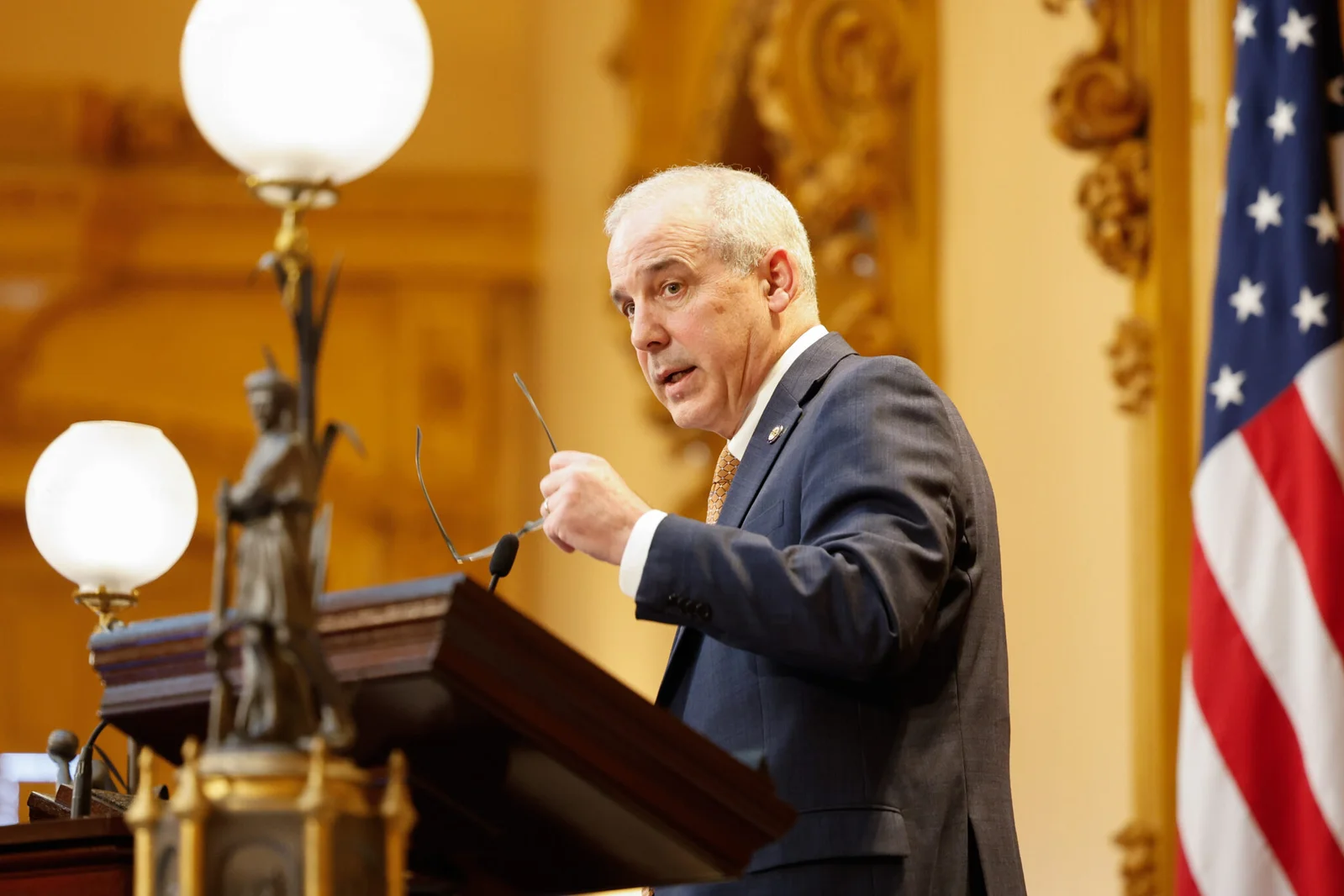
Ohio lawmakers largely push back against Donald Trump’s call to federalize elections. House Speaker Matt Huffman rejects ceding control to the federal government, insisting Ohio should run its own elections, while U.S. Sen. Jon Husted and Sen. Bernie Moreno back the federal SAVE Act, which would require citizenship proofs to register to vote. Gov. Mike DeWine and Secretary of State Frank LaRose tout Ohio’s election integrity and state-led administration, even as they discuss federal standards; experts say the president cannot unilaterally take over elections and that Congress, not the presidency, would set federal election rules. All sides highlight the ongoing tension between state control and calls for federal oversight.

Trump’s Bid to Nationalize Elections Sparks Alarm Among Secretaries of State
politics24 days ago

Trump’s Bid to Nationalize Elections Sparks Alarm Among Secretaries of State

Trump’s push to have the federal government oversee elections has alarmed state election officials who run voting nationwide, highlighting a frayed federal‑state partnership as DOJ/FBI actions, data requests, and executive-order proposals raise concerns about federal overreach and the future of election administration, with some Republicans backing the administration and others defending state control.

Trump’s Push to Nationalize Elections Encounters Constitutional Barriers
politics24 days ago

Trump’s Push to Nationalize Elections Encounters Constitutional Barriers

Experts warn that Trump’s call for Republicans to “nationalize the voting” would upend the Constitution’s division of election power, which is reserved to the states with Congress having limited oversight. Implementing a nationwide system would require new federal legislation, a move unlikely to pass, and the current decentralized system is praised for reducing broad-scale fraud and interference. The piece also notes past efforts to centralize rules (and Trump’s 2020 attempts to overturn results) as context for the debate.

Constitutional guardrails curb Trump’s push to nationalize elections
politics24 days ago

Constitutional guardrails curb Trump’s push to nationalize elections

Trump’s call for Republicans to “take over” or “nationalize” voting would clash with the Constitution’s Elections Clause, which assigns states—via their legislatures—the power to run elections, while Congress can set nationwide standards. Experts say a federal takeover would require new legislation and is unlikely, given the decentralized system that helps deter fraud and logistical chaos. The White House tied his remarks to the SAVE Act, but past moves to federalize voting—including 2020 executive orders and the Help America Vote Act of 2002—have faced legal challenges. The article frames the situation as a critical test of federalism and democratic norms.

Trump urges GOP to nationalize voting, fueling constitutional debate
politics25 days ago

Trump urges GOP to nationalize voting, fueling constitutional debate

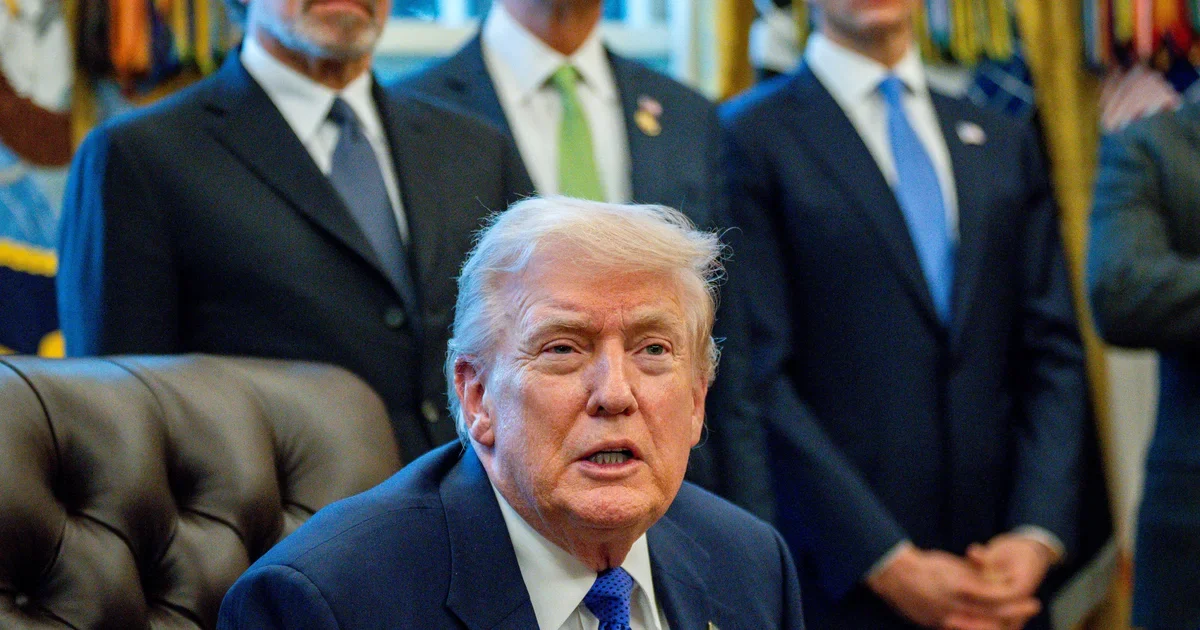
President Trump told a podcast and later remarks that Republicans should “nationalize” voting and take over federal elections in at least 15 states, a move critics say clashes with the Constitution’s Elections Clause which reserves election administration to states. He has supported executive measures and GOP-led bills like the SAVE Act to tighten voting rules, while White House officials and GOP leaders push back on federal control, reaffirming that states should administer elections. The push follows past DOJ action over voter rolls and a high-profile FBI search in Georgia related to the 2020 election.

Trump calls for nationalizing elections, labels states as federal agents
politics25 days ago

Trump calls for nationalizing elections, labels states as federal agents

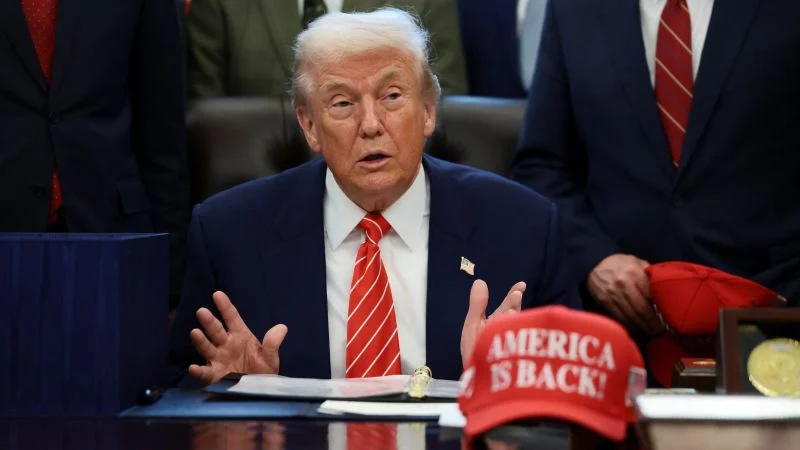
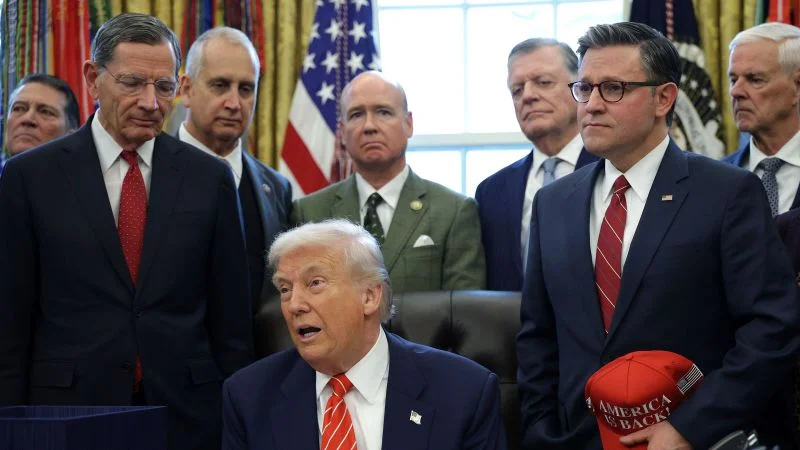
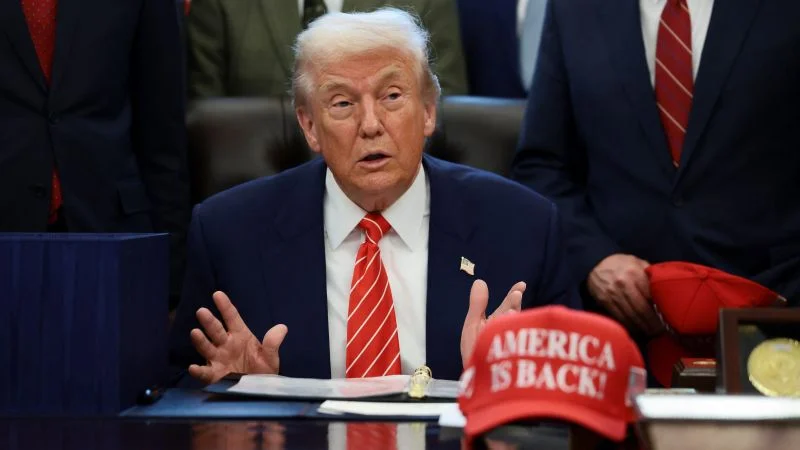
President Donald Trump said in an Oval Office moment that “a state is an agent for the federal government in elections,” arguing Republicans should nationalize how votes are run. He criticized how some states administer elections and suggested the federal government should step in if states can’t run them honestly. White House aides linked the remarks to support for the SAVE Act, a national voter ID proposal, though officials noted Trump’s ongoing push to overhaul voting rules ahead of midterm elections and reminded that elections are currently run mainly by state and local officials.

Thune Resists Nationalizing U.S. Elections, Emphasizing State Control
politics25 days ago

Thune Resists Nationalizing U.S. Elections, Emphasizing State Control

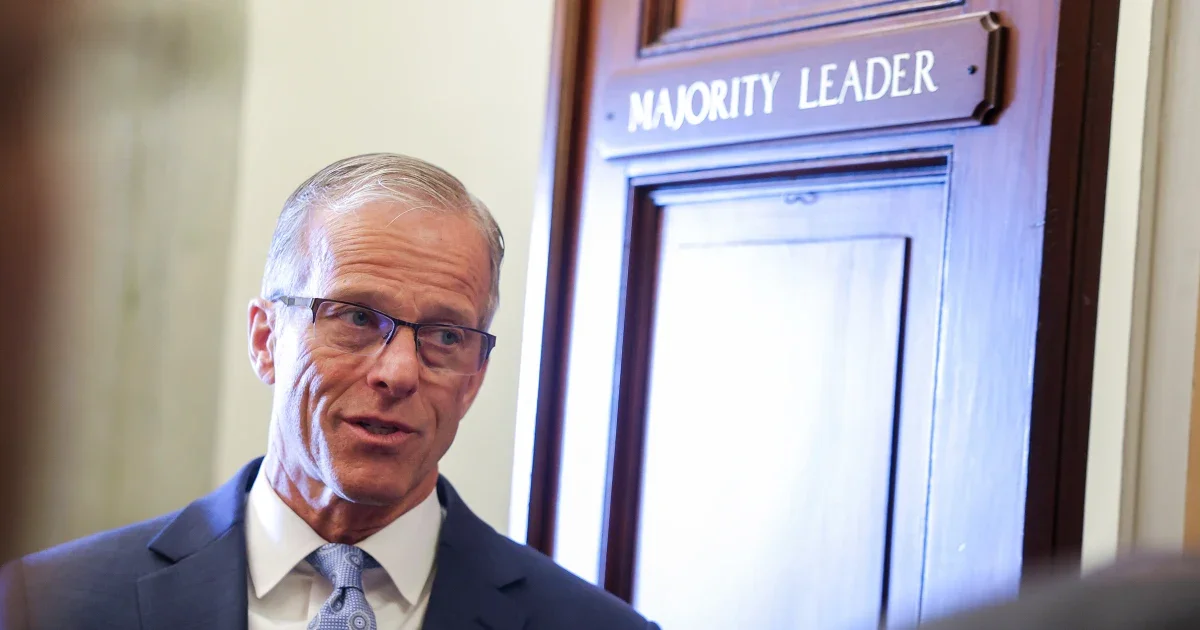
Senate Majority Leader John Thune said he’s not in favor of federalizing elections, arguing that elections are run by the states under the Constitution and that a decentralized system is harder to hack. Trump urged nationalizing voting, drawing pushback from Thune, the White House, and Democrats who warn such a move could undermine democracy, while supporters highlight proposals like the SAFE Act to create uniform voter-ID standards and other election safeguards.

Trump Calls for Nationalization of U.S. Elections
politics26 days ago

Trump Calls for Nationalization of U.S. Elections

Former President Donald Trump urged Republicans to take over how ballots are cast and counted, framing voting as corrupt and advocating national control of elections. He repeated unsubstantiated claims about noncitizen voting and said the 2020 election was stolen, remarks that followed a FBI raid on Fulton County’s 2020 election materials and referenced Tina Peters, a Colorado official convicted over an election-security breach.

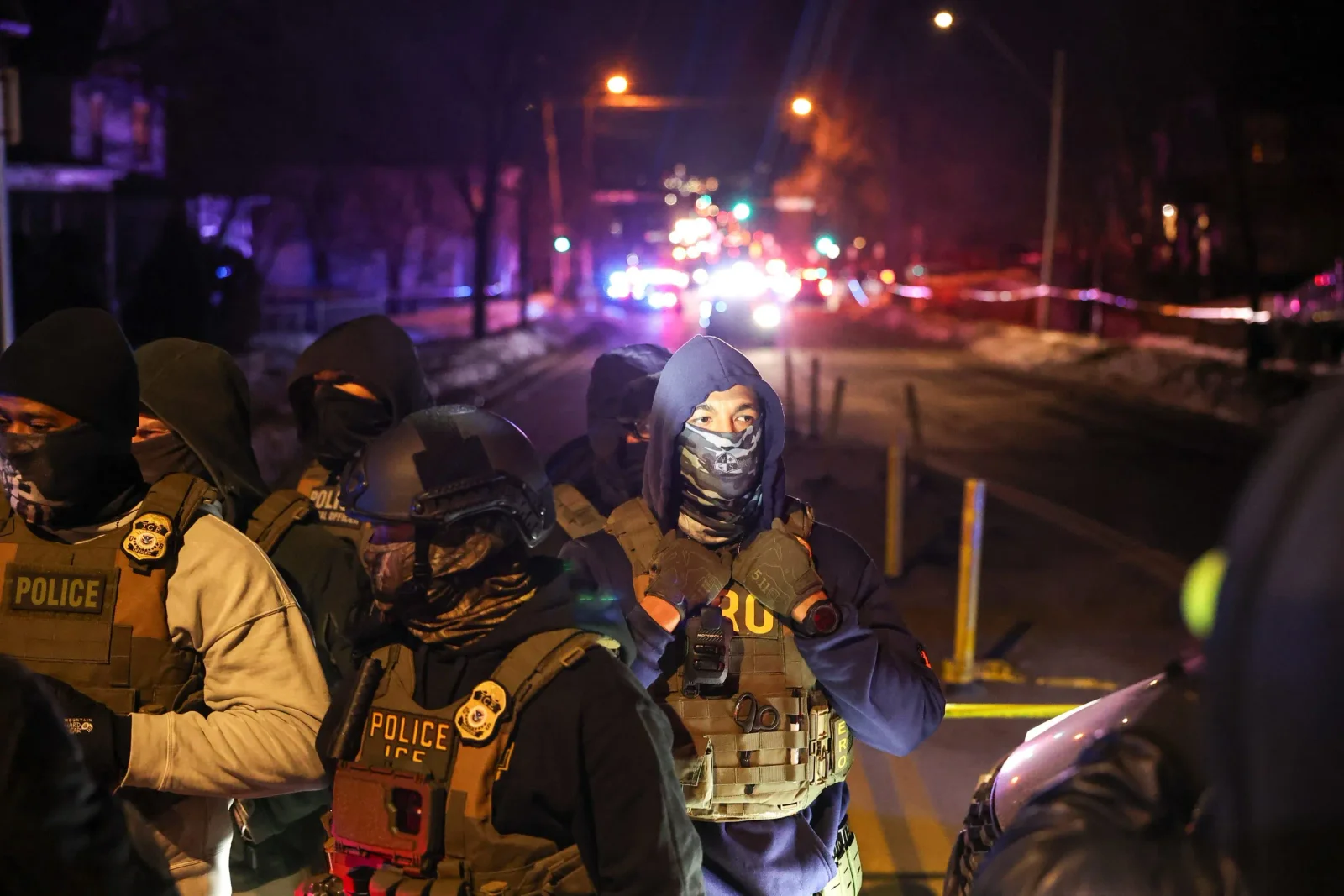
ICE in Minneapolis Tests Federalism’s Limits
law-and-justice26 days ago

ICE in Minneapolis Tests Federalism’s Limits

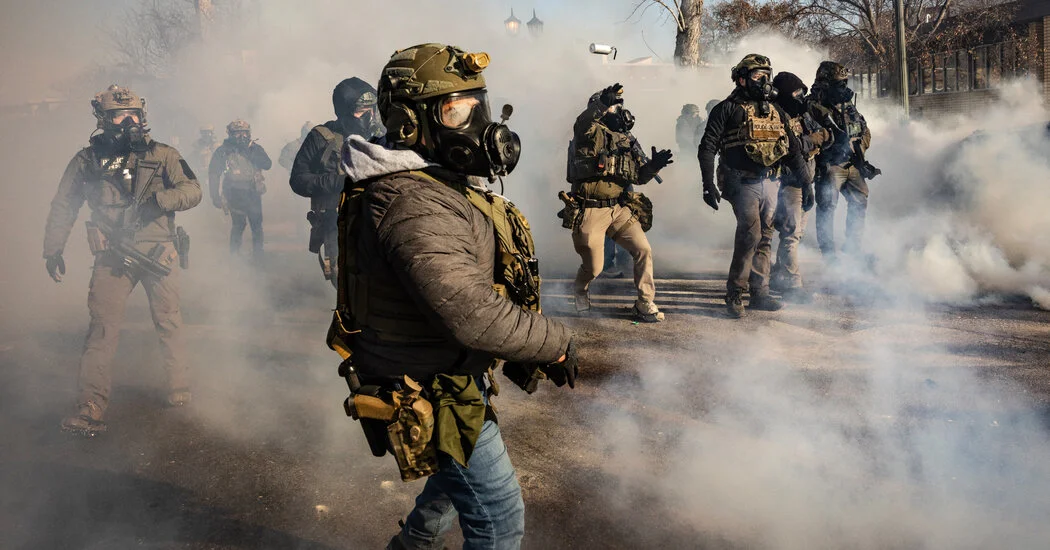
Garrett Epps argues that Trump’s Minneapolis ICE crackdown runs into established anti-commandeering doctrine and the Constitution: federal officials cannot coerce states or localities to enforce federal immigration policy, and funding threats cannot legally force compliance. Courts have largely blocked such coercion, framing it as an overreach of federal power, while the administration pursues aggressive enforcement and protests around ICE actions. The dispute foregrounds a broader federalism debate over immigration policy and civil liberties, with the Supreme Court likely to weigh in eventually.

Draghi calls for a genuine EU federation to stave off deindustrialisation
europepolitics26 days ago

Draghi calls for a genuine EU federation to stave off deindustrialisation

Former Italian PM Mario Draghi argues in a Leuven University speech that the EU must move from a loose confederation to a genuine federation to prevent subordination, division and deindustrialisation as the US and China reshape global order. He promotes a pragmatic federalism where member states opt in but Europe acts cohesively on trade, competition and monetary policy, highlighting the euro as a success and warning that a divided bloc risks losing its values and strategic influence.

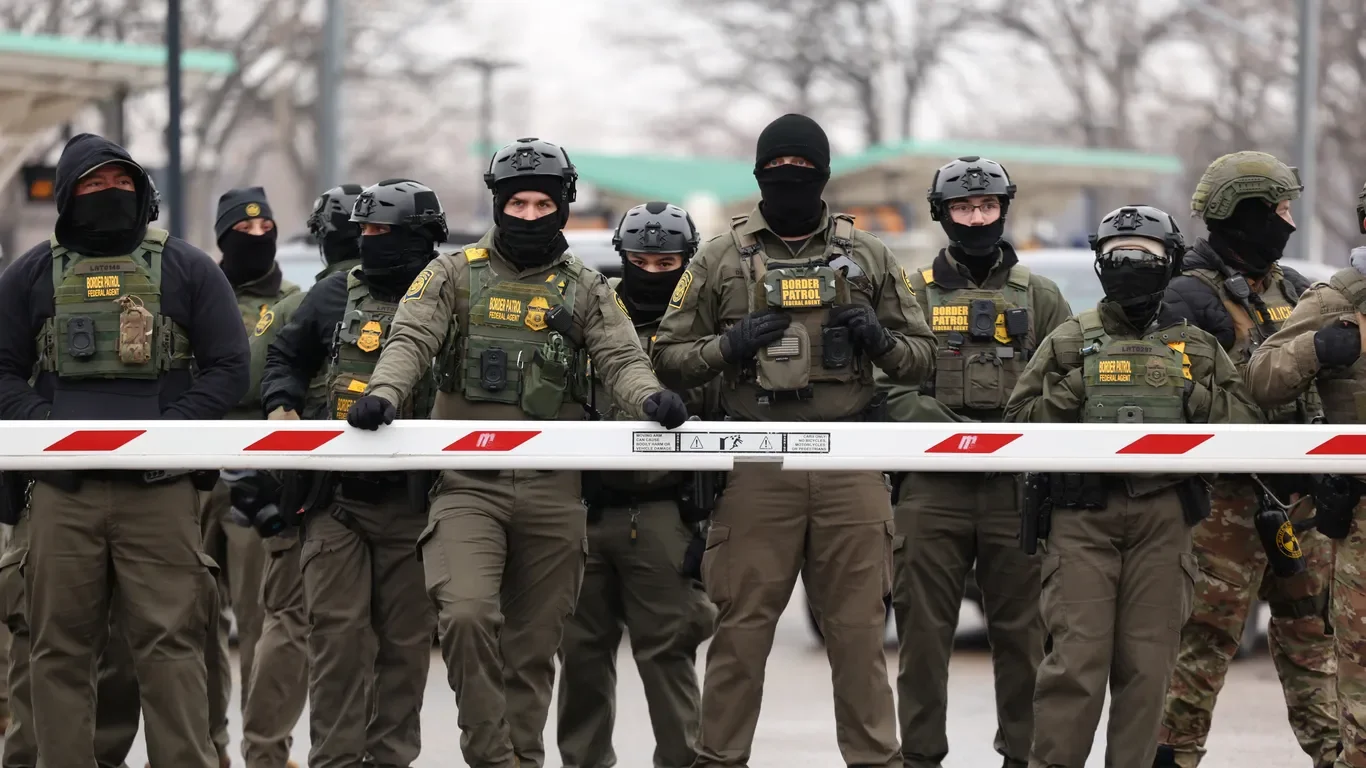
Minnesota judge lets ICE surge continue, denying injunction
politics28 days ago

Minnesota judge lets ICE surge continue, denying injunction

A federal judge ruled that Minnesota cannot halt the ICE/CBP ‘Operation Metro Surge,’ allowing the crackdown to proceed and denying an injunction despite concerns about harms and alleged racial profiling. The state’s lawsuit, which argues the surge violates the Tenth Amendment and infringes on state authority, was weighed against the federal government's position that the surge is lawful and has already yielded arrests.

States Move to Curb Federal Immigration Tactics After Minneapolis Killings
politics1 month ago

States Move to Curb Federal Immigration Tactics After Minneapolis Killings

Democrats in several states are advancing bills to curb federal immigration enforcement, including private civil-rights lawsuits against officials, restrictions on ICE activity in state facilities, and requirements for warrants or independent investigations. Spurred by the Minneapolis killings of Alex Pretti and Renee Good, measures are moving in Colorado, California, Oregon, Maryland, New York and others, signaling a broader push against federal enforcement tactics, despite opposition from the White House and DOJ.

Minnesota Court Examines 10th Amendment Challenge to ICE Metro Surge
politics1 month ago

Minnesota Court Examines 10th Amendment Challenge to ICE Metro Surge

A Minneapolis federal court is weighing whether the Trump administration’s deployment of about 3,000 immigration agents to Minnesota crosses from enforcement into an unconstitutional occupation under the 10th Amendment. Minnesota and the cities of Minneapolis and St. Paul seek an injunction to halt the surge and return to pre-surge staffing, arguing the operation is intrusive and coercive, while authorities defend it as lawful immigration enforcement. The case centers on a Bondi letter linking the surge to demands on voter data and welfare information, and follows multiple fatal incidents involving federal agents that have intensified calls for judicial review.

Minnesota Challenges ICE Surge as 10th Amendment Case Heads to Court
politics1 month ago

Minnesota Challenges ICE Surge as 10th Amendment Case Heads to Court

State and Minneapolis/St. Paul officials argue that the federal deployment of about 3,000 immigration agents—Operation Metro Surge—violates the 10th Amendment and amounts to an illegal occupation, asking a federal judge to halt the surge. The Trump administration defends the move as legal. A Monday hearing will determine whether the campaign can proceed amid shootings, thousands of arrests, and protests tied to the enforcement campaign.

Minnesota’s ICE Clash Tests Federal-Local Power
politics1 month ago

Minnesota’s ICE Clash Tests Federal-Local Power

Amid a sweeping federal ICE/CBP operation in Minneapolis, Minnesota lawmakers and officials face stark federalism limits that prevent them from easily ejecting or restraining federal agents, leaving Governor Walz to deploy the National Guard as a buffer and rely on courts and lawsuits to slow the crackdown. The piece argues this is a unique constitutional dilemma where Trump’s deployment of federal forces against a blue state risks escalating into a broader confrontation, drawing on historical precedents where federal troops were used only after state authorities failed to protect civil rights. It warns that any escalation could verge on civil conflict, given the Insurrection Act’s vague criteria and the administration’s willingness to redefine “law and order” as justification for intervention.