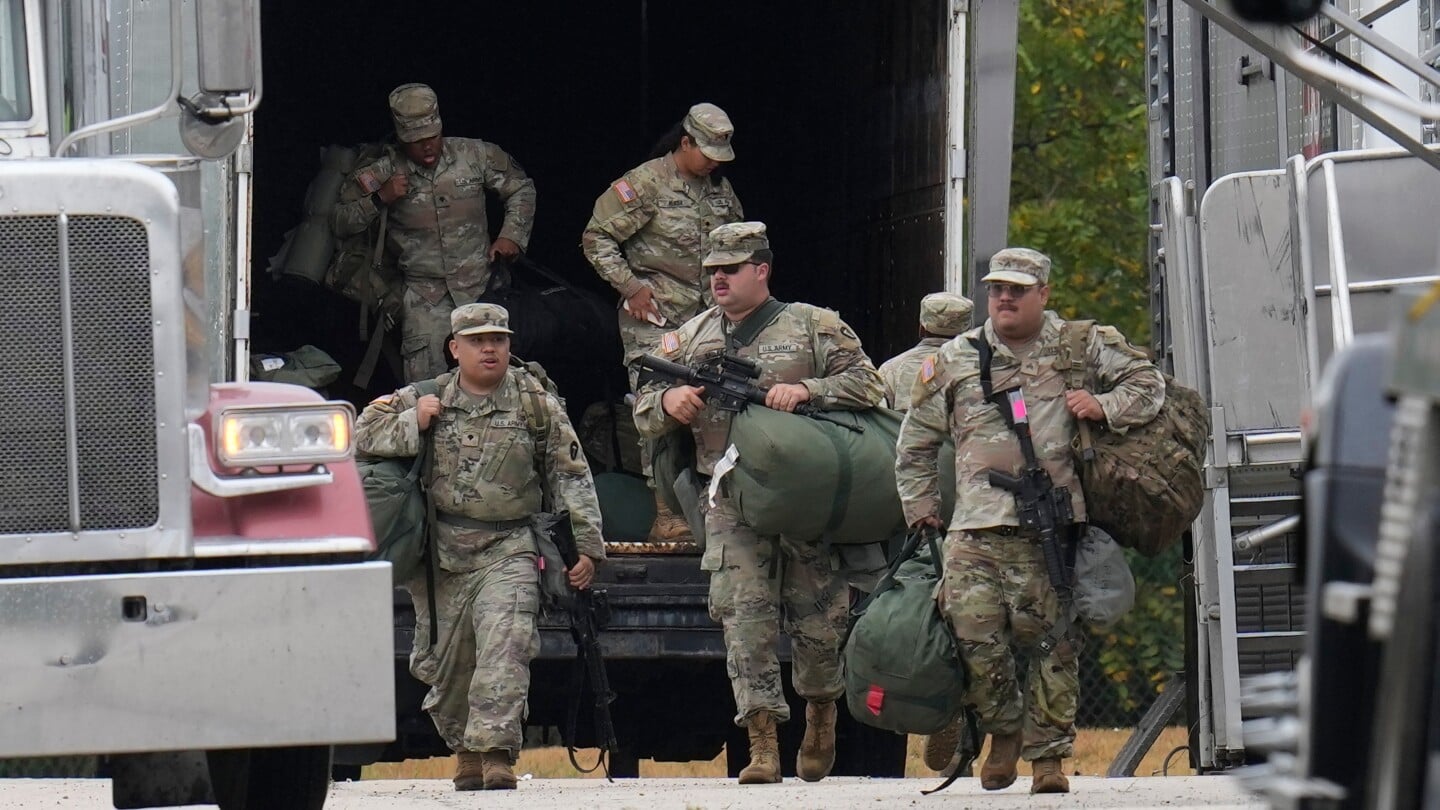
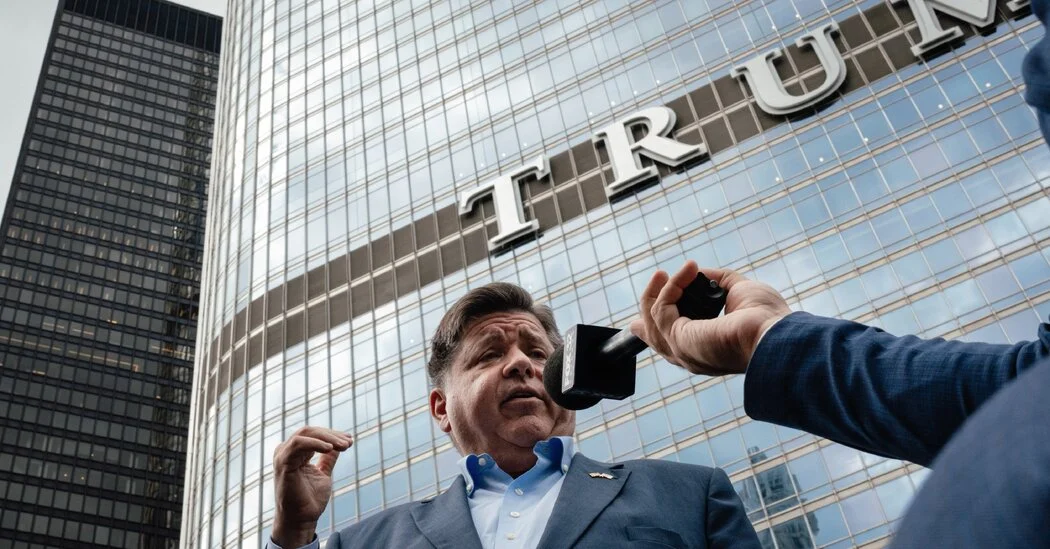
President Trump has attempted to deploy National Guard troops into U.S. cities like Portland and Chicago, prompting legal challenges and debates over presidential authority versus state control, with courts generally ruling against him citing legal and constitutional limits, including the Posse Comitatus Act and the need for actual threats to justify federal intervention.
The deployment of troops to U.S. states by the federal government has intensified tensions between Trump and Democratic governors, with Democrats condemning the actions as an abuse of power and a threat to state sovereignty, leading to increased partisan conflict and legal challenges.
A coalition of 19 Democratic governors condemned President Trump's threat to deploy National Guard troops into their states without consent, calling it an abuse of power and emphasizing the importance of state authority and proper law enforcement funding.
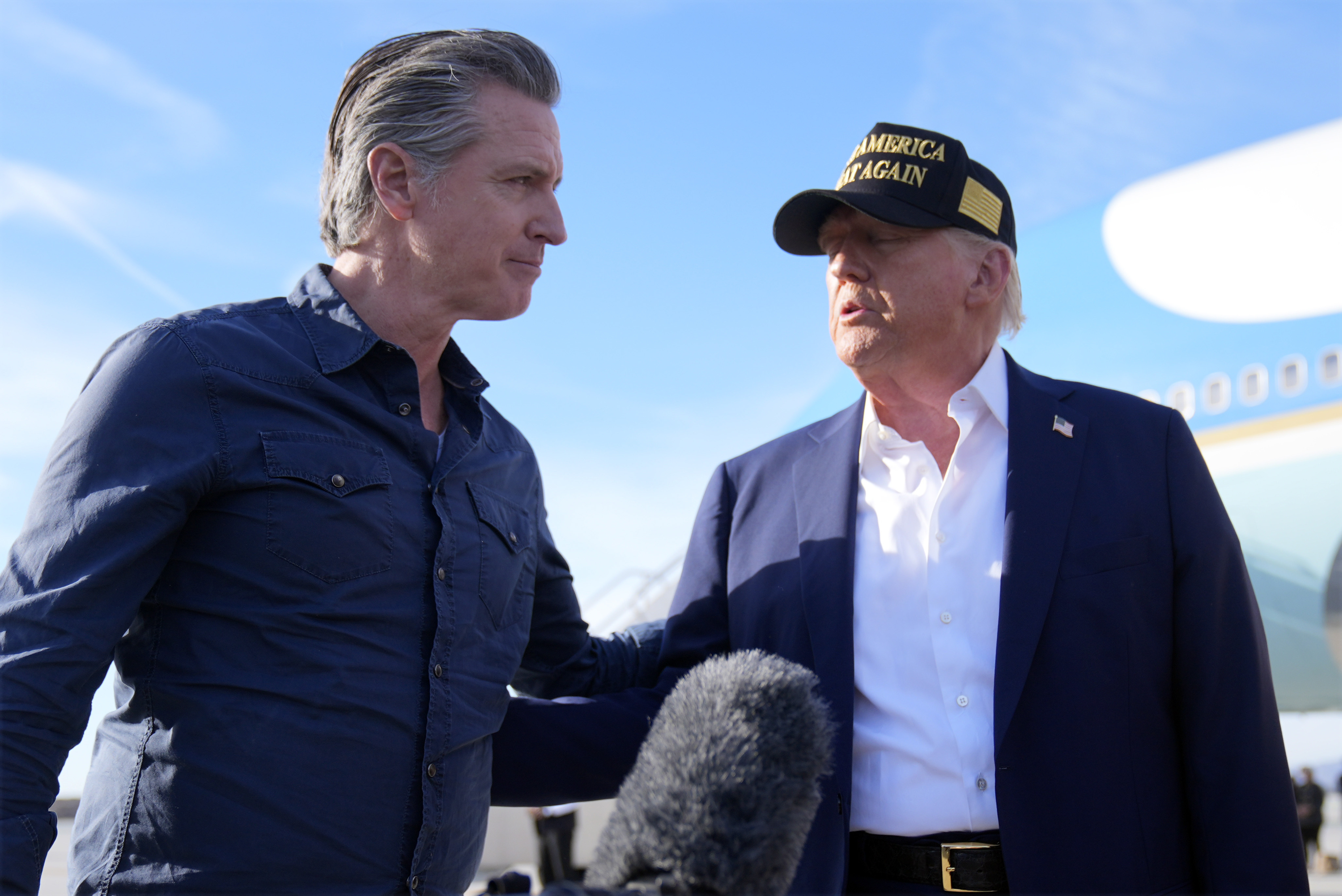
California faces an intense and aggressive pushback from President Trump, including federal agents deployment, climate policy rollbacks, and confrontations with state officials, highlighting a significant power struggle between state sovereignty and federal authority amid escalating tensions.
California Governor Gavin Newsom demanded that President Trump withdraw the National Guard from Los Angeles, criticizing the deployment as unlawful and a breach of state sovereignty amid protests. Trump had ordered the Guard's deployment under federal law, but Newsom and California officials argue local police are sufficient to handle the situation. The dispute highlights tensions over federal and state authority during civil unrest.
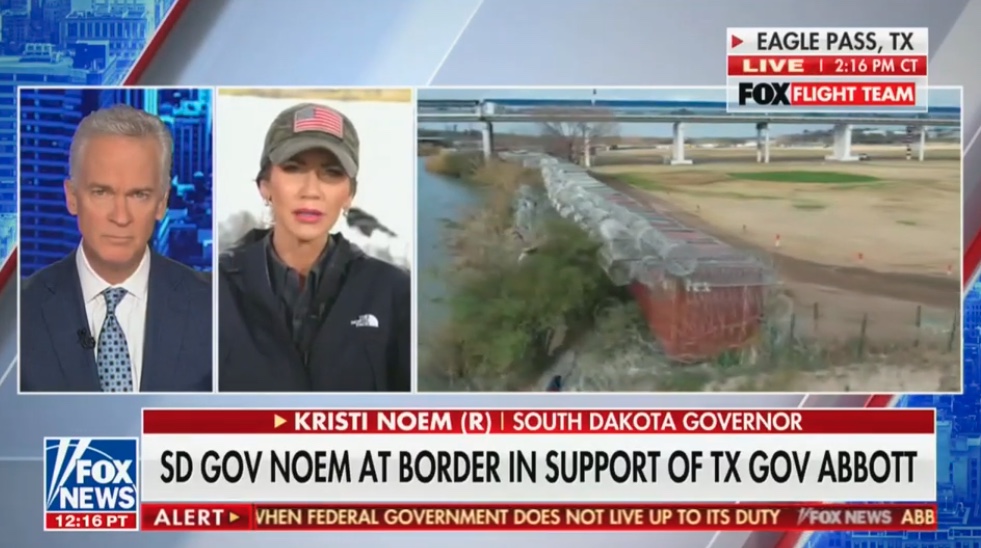
Gov. Kristi Noem falsely claimed that Texas signed a treaty enacting the "first constitution" of the United States, suggesting that Texas had rights to protect itself and defend its people. However, Texas was not admitted to the Union until 1845, long after the Articles of Confederation were signed. Noem also expressed support for Texas and other governors in protecting state sovereignty, despite a recent U.S. Supreme Court decision regarding the installation of razor wire at the border.
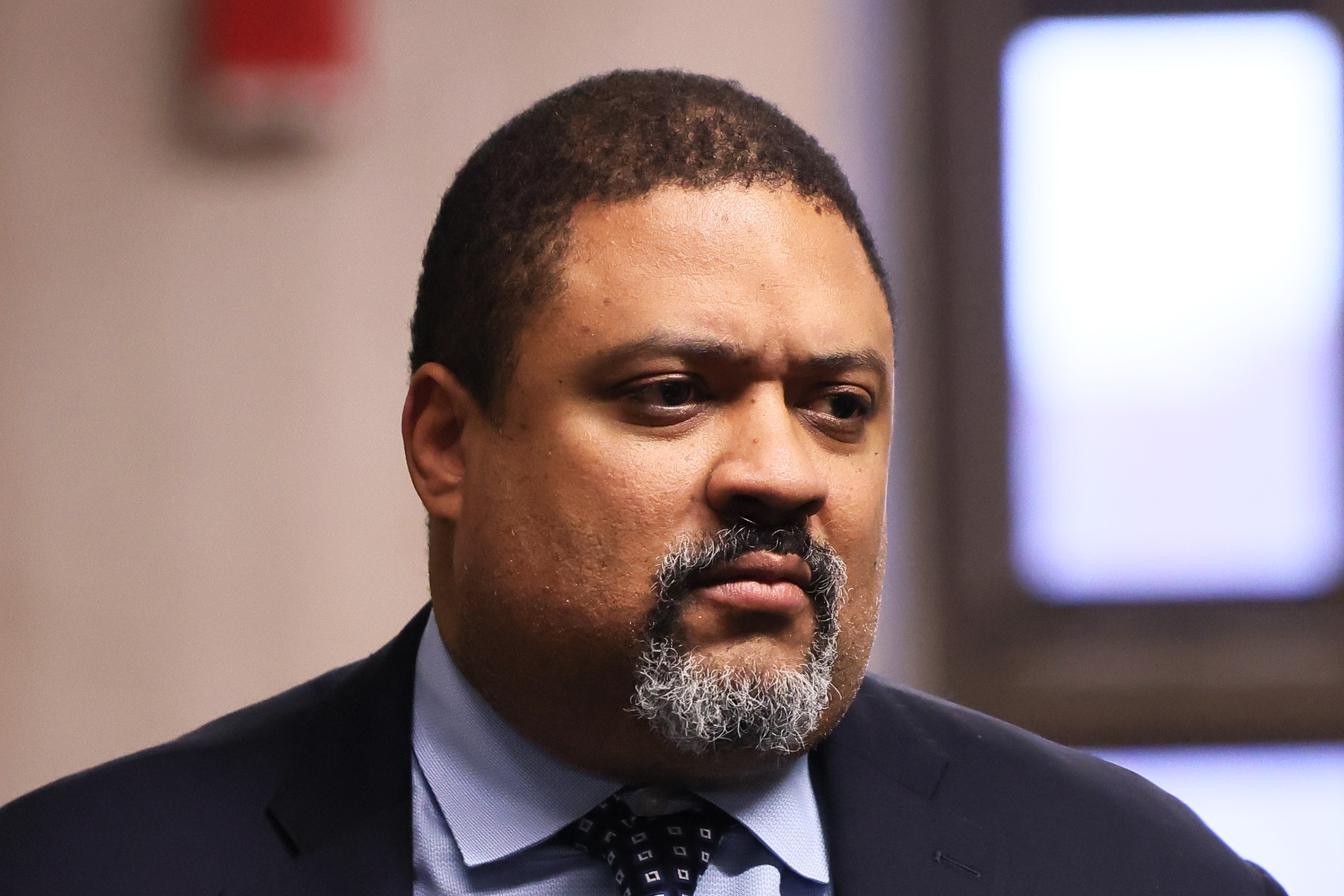
Manhattan District Attorney Alvin Bragg is using a legal strategy to defy federal subpoenas by invoking state sovereignty, which he previously used while working in the New York attorney general's office. Bragg's lawsuit against Rep. Jim Jordan and his House Judiciary Committee seeks to block a subpoena seeking testimony from a former assistant DA who criticized aspects of his Trump investigation. The conflict raises delicate questions about the balance of power between Congress and the states. Bragg's lawsuit replicates many of the arguments made in a 2016 and 2017 subpoena fight over a climate change investigation.