A lawsuit alleges that New York's Office of Children and Family Services is unlawfully confining children in solitary cells without toilets for extended periods, violating state regulations.
States and lawmakers warn that delaying the extension of enhanced ACA subsidies will lead to significant premium hikes, potential coverage drops, and logistical challenges during the upcoming open enrollment period, with some experts stating it is now 'too late' to implement changes smoothly before November 1.
CVS and Walgreens are limiting access to COVID-19 vaccines in some states due to varying state regulations, with CVS not offering vaccines in Massachusetts, Nevada, and New Mexico without a prescription, and Walgreens preparing to offer vaccines where permitted following recent FDA approvals. These changes reflect ongoing adjustments to vaccination policies amid evolving federal and state guidelines.
CVS will not offer COVID-19 vaccines in 16 states, including Pennsylvania, due to current regulatory issues, although they can still administer vaccines in some states depending on local laws and patient eligibility. The decision is based on the regulatory environment, with some states allowing pharmacists to vaccinate under certain conditions. CVS continues to offer vaccines in many other states, with appointments available online or in person.
The Wisconsin Supreme Court ruled 4-3 in favor of allowing the state's ban on conversion therapy to be enacted, ruling that a legislative committee's rejection of the regulation was unconstitutional and that it overstepped legislative authority, thereby strengthening executive power and impacting broader regulatory issues.
Nine states, including California, plan to ban the sale of new gas-powered vehicles by 2035 as part of efforts to reduce emissions. The regulations, known as Advanced Clean Cars II, have been adopted by eight other states and aim to transition to zero-emission vehicles. Critics argue that the plan overlooks infrastructure and consumer costs, while supporters believe it will drive down prices of zero-emission vehicles and combat climate change. The Biden administration has also proposed increasing vehicle pollution standards to promote electric vehicles, although the industry has faced challenges in this transition.
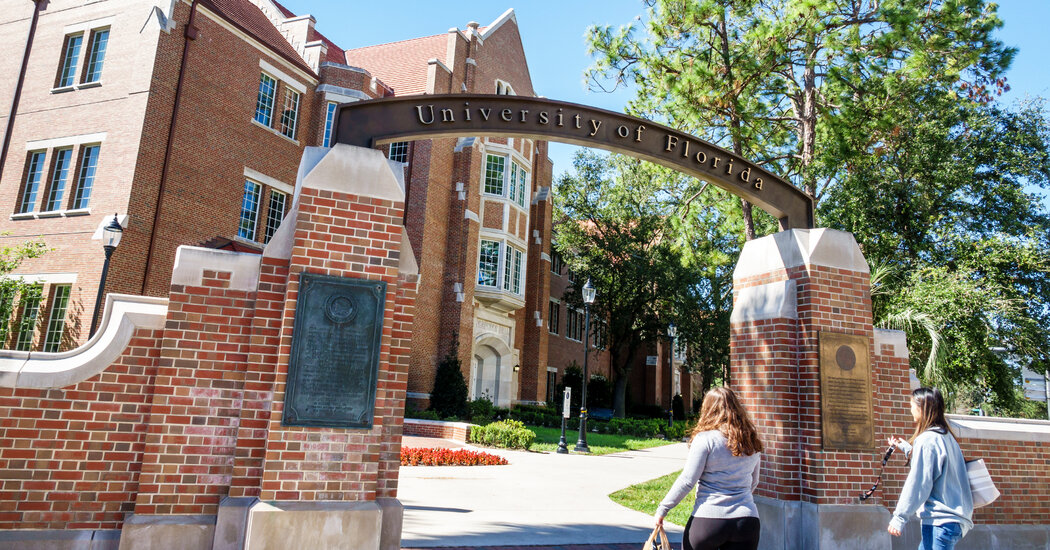
The University of Florida has eliminated all positions related to diversity, equity, and inclusion in compliance with a new state law that prohibits public universities from using government funds for such initiatives. The move includes reallocating approximately $5 million previously allocated for D.E.I. expenses into a faculty recruitment fund. This action follows similar moves by other Florida universities and reflects a broader trend of Republican-led states enacting laws to restrict or eliminate D.E.I. initiatives at publicly funded institutions.
The University of Florida has eliminated all diversity, equity, and inclusion (DEI) positions and activities in response to new state regulations banning the use of public funds for DEI programs and activities. The move follows similar bans by the Florida Board of Education and the Board of Governors, prompting criticism from some who view it as censorship and exclusion. The decision to eliminate DEI positions has sparked debate over the role of DEI in higher education, with supporters arguing for its importance and opponents expressing concerns about the equity component of DEI.
San Francisco has missed a deadline for passing legislation to expedite housing approvals, prompting a standoff with state housing officials. The state is giving the city another 30 days to get the bill on track before potentially revoking its permitting authority or withholding state funds. The bill in question, Mayor London Breed's Constraints Reduction Ordinance, has been repeatedly stalled in committee due to unnecessary amendments. The city is now at risk of falling out of compliance with state law, and community groups are rallying against the legislation. The state housing department is not budging on the deadlines.
A federal judge in West Virginia has ruled that the state can restrict the sale of the abortion pill, despite its approval by the FDA as a safe and effective medication. The judge determined that the state's near-total abortion ban takes precedence over federal approvals. While most GOP-controlled states have enacted abortion bans, legal experts anticipate ongoing court battles over access to abortion pills. The manufacturer of the abortion pill, GenBioPro, plans to challenge the ruling and is allowed to proceed with a challenge concerning telehealth. The decision has been praised by West Virginia's Republican Attorney General, who views abortion regulation as a state issue.