Logan Stanley of the Winnipeg Jets will have a hearing with the NHL Department of Player Safety for roughing Brady Tkachuk during a game against the Senators, with potential discipline being considered.
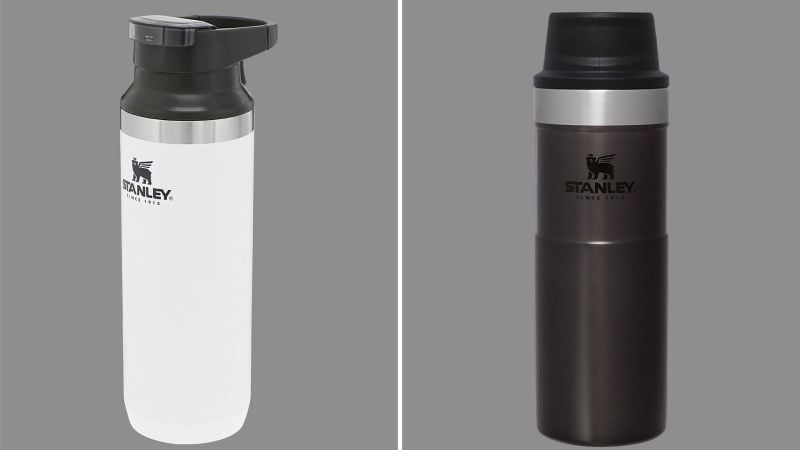
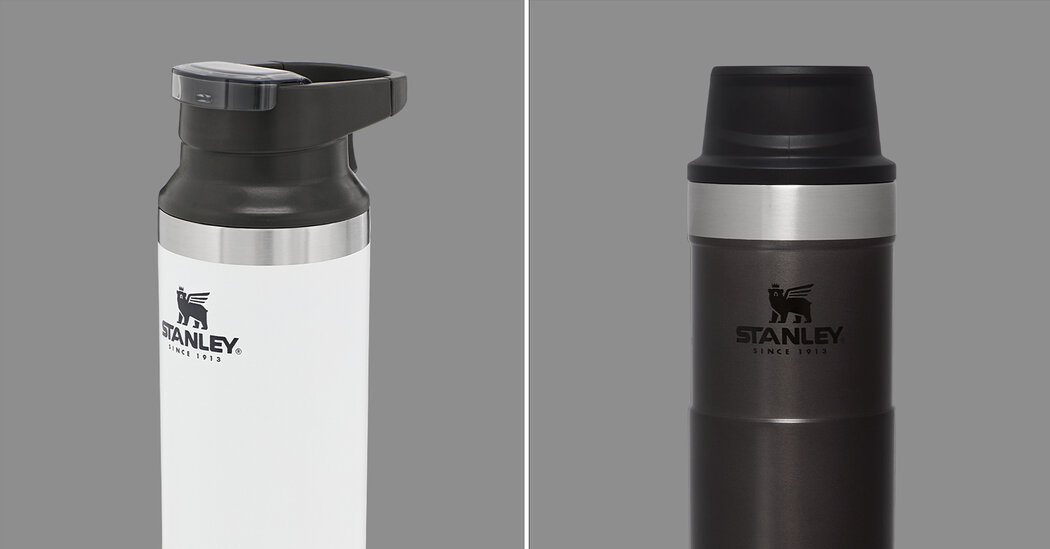
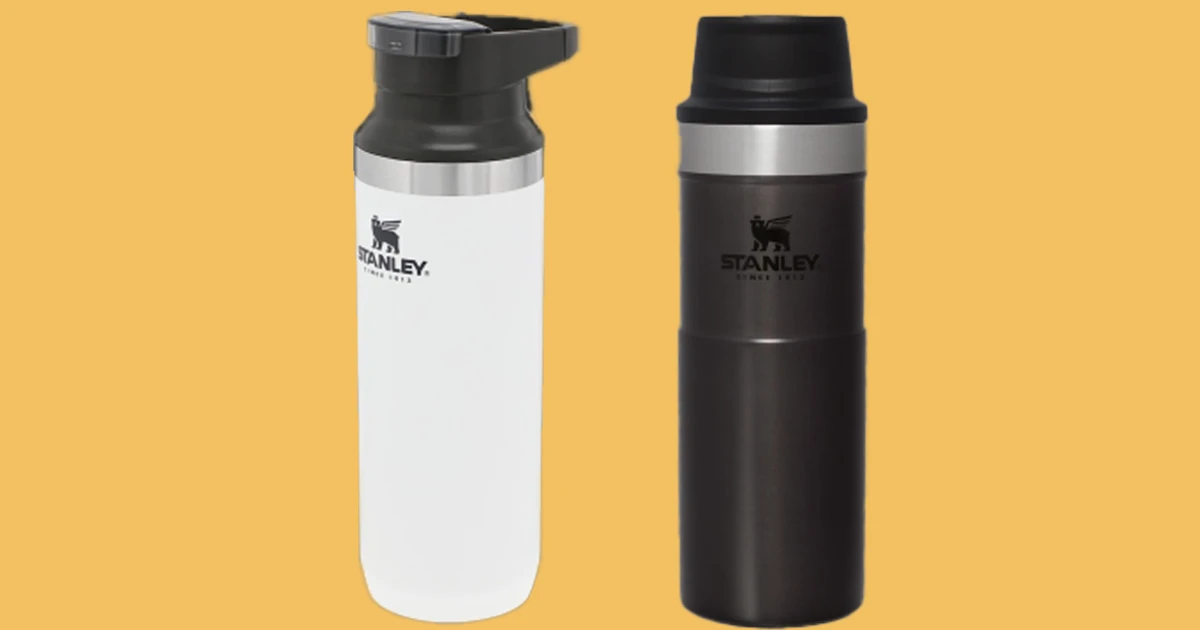
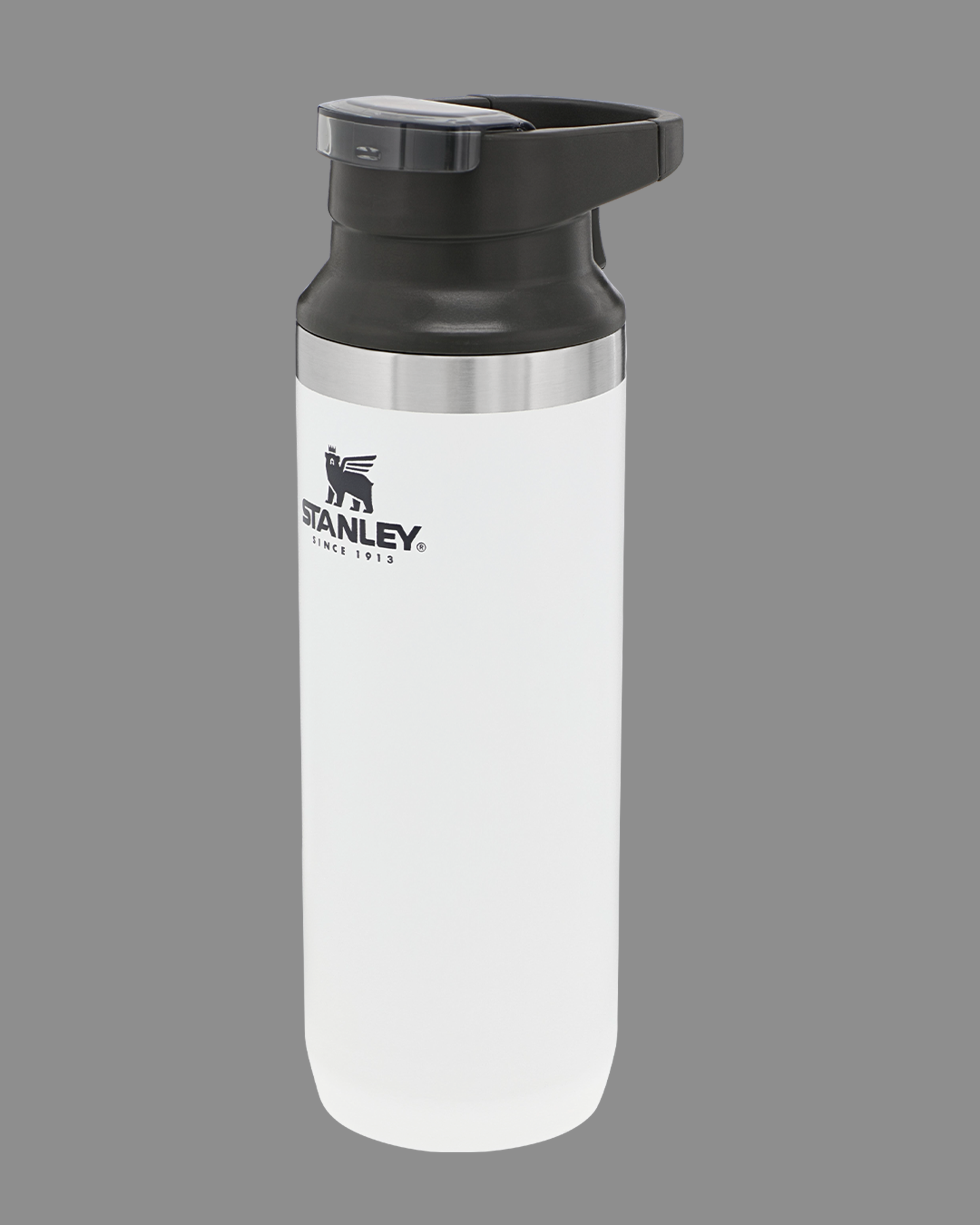
Stanley has issued a voluntary recall of 2.6 million stainless steel travel mugs due to a defective lid that can detach and cause burns. The recall affects the Stanley Switchback and Trigger Action mugs, with 91 reports of incidents worldwide, including 38 burn injuries. The Consumer Product Safety Commission advises users to stop using the mugs and contact Stanley for a free replacement lid. The recall does not affect the popular Quencher tumblers.
Stanley has recalled approximately 2.6 million travel mugs due to potential burn hazards caused by lids that can loosen when exposed to heat and torque. The recall affects all Stanley Switchback and Trigger Action stainless steel travel mugs sold in the U.S., with reports of 38 burn injuries, 11 requiring medical attention. Consumers are advised to stop using the mugs and contact Stanley for a free replacement lid. The mugs, priced between $20 and $50, were sold at major retailers like Amazon and Walmart.
Stanley has issued a recall for over 2 million travel mugs due to a potential burn hazard. Consumers are advised to stop using the affected products and contact the company for further instructions.
Stanley has recalled 2.6 million stainless steel travel mugs due to faulty lids that have caused 38 burn injuries worldwide, including two in the U.S. The recall affects Switchback and Trigger Action models sold since 2016, with the company offering replacement lids. The mugs, popularized through social media and sold at major retailers, have been linked to 91 reports of lids detaching during use.
Stanley has recalled 2.6 million Switchback and Trigger Action travel mugs due to a burn hazard, as announced by the U.S. Consumer Product Safety Commission (CPSC). The recall is part of efforts to protect consumers from injury risks associated with these products. Consumers are advised to stop using the mugs and contact Stanley for a remedy.
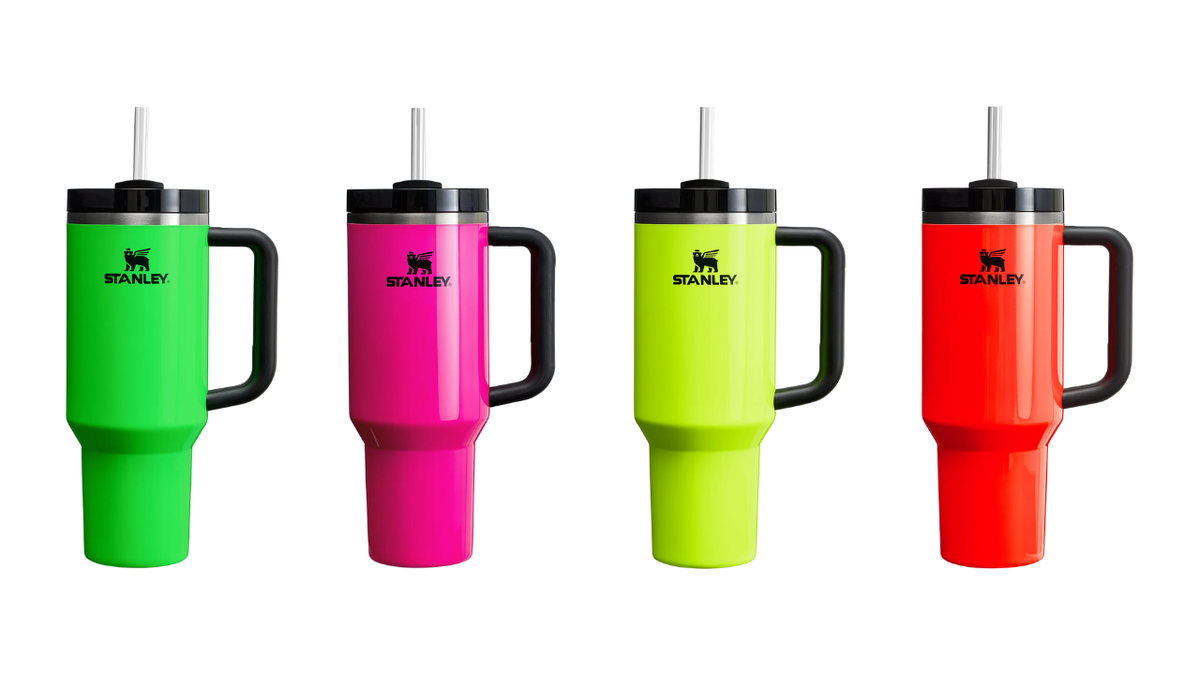
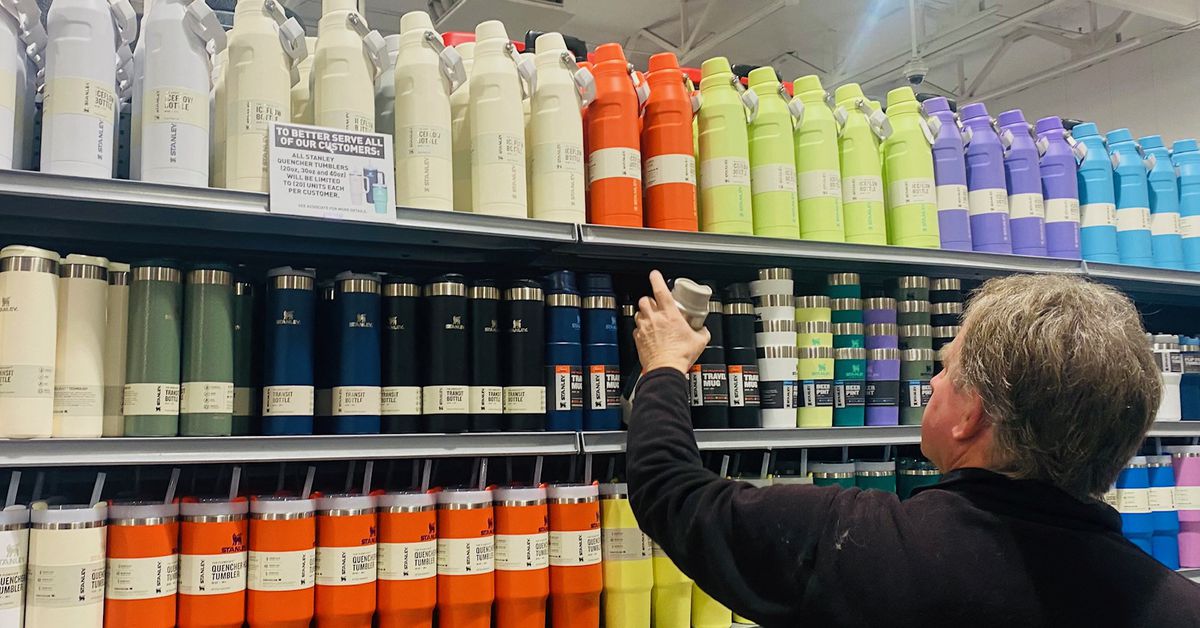
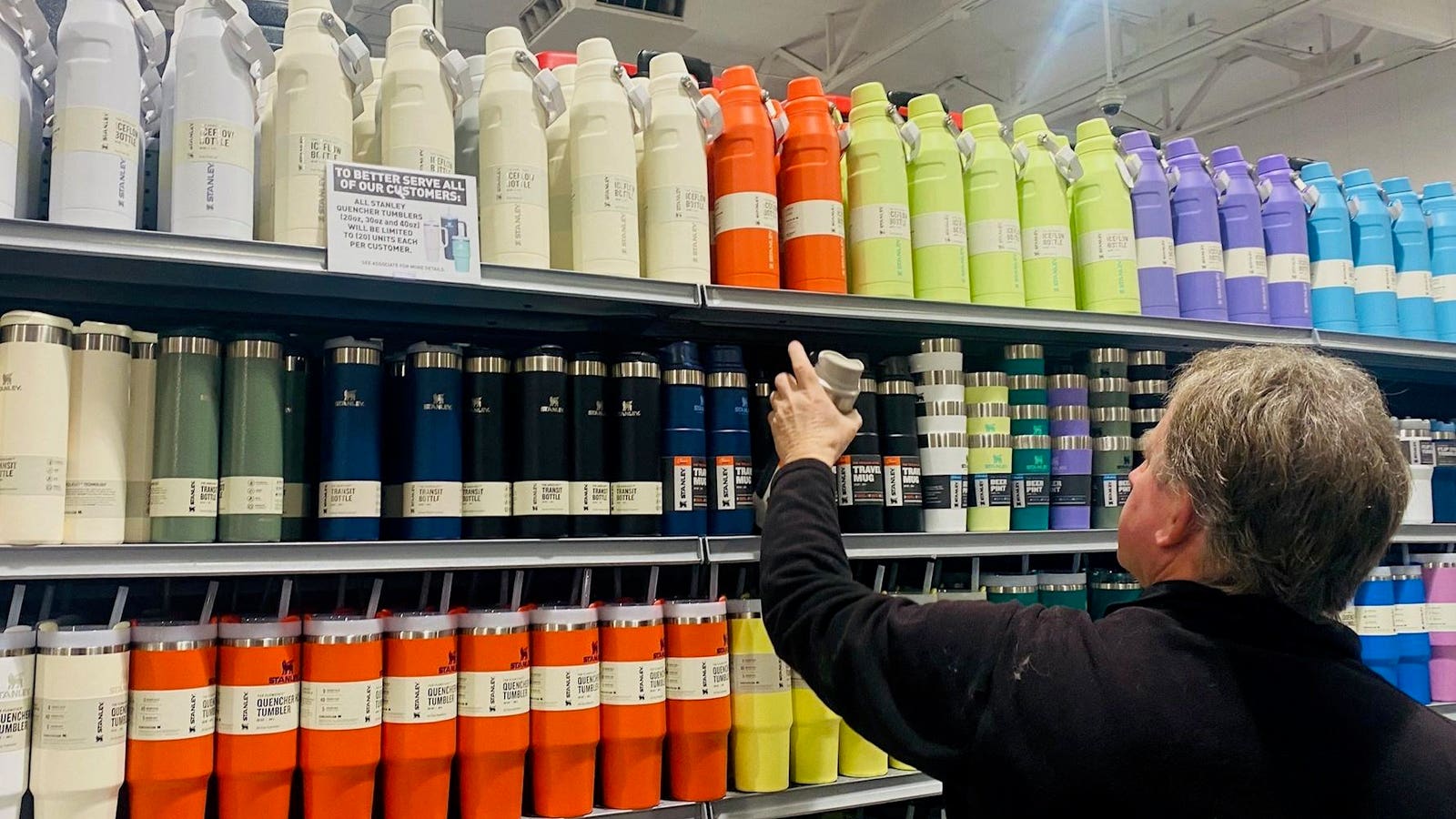
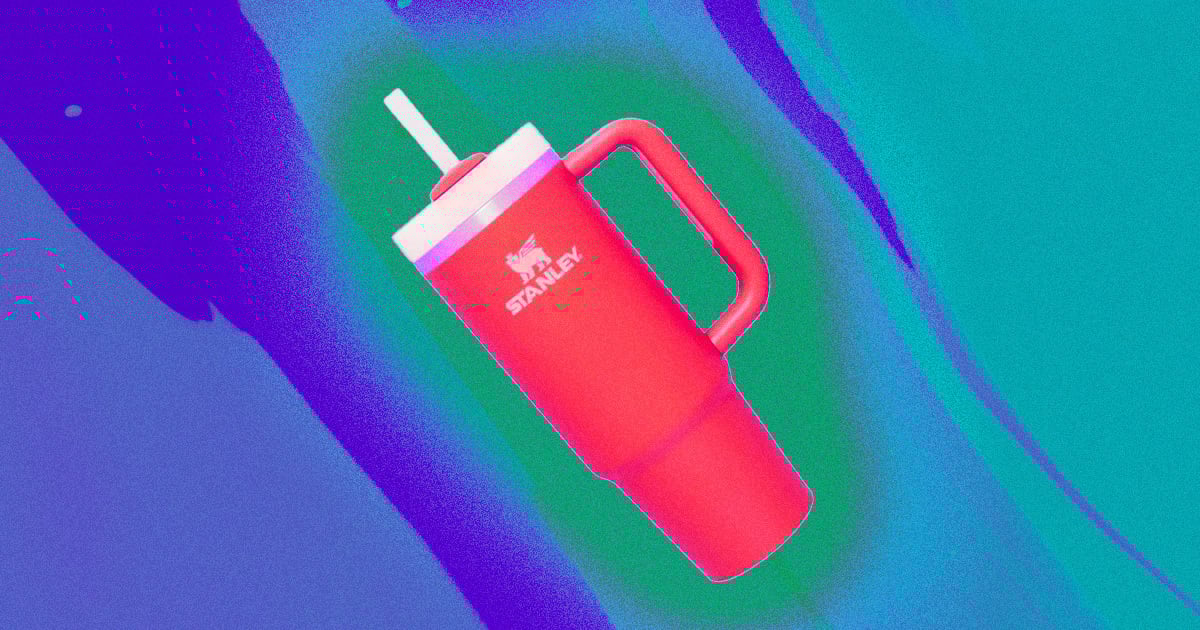
Stanley has launched a new "Neon" collection featuring bright neon-colored tumblers in four distinct colors: neon green, electric pink, neon yellow, and neon orange. The collection was released on Tuesday and is available on Stanley's website as well as at Dick's Sporting Goods. Customization options are available for the neon green and electric pink tumblers, and additional black neon and white neon tumblers are also available. These limited edition tumblers are expected to sell out quickly.
Pacific Market International, the company behind Stanley tumblers, is facing multiple lawsuits from consumers over the presence of lead in its products, with one lawsuit alleging that the company marketed the tumblers as "safe" while failing to disclose the use of lead in manufacturing until January 2024. The lawsuits, filed in California, Nevada, and Washington state, seek punitive damages and a permanent injunction requiring PMI to disclose any lead or other toxins in its products. PMI has stated that their products contain a sealing material with "some lead," but they assure that no lead is present on the surface of any Stanley product that comes into contact with the consumer or the contents of the product.
The parent company of the popular Stanley tumbler "quenchers" is facing a lawsuit alleging that it deceived customers about the presence of lead in its products. The suit claims that the company did not disclose the presence of lead until January, and alleges that the potential for exposure to lead is present if the tumbler is damaged or worn. Despite experts stating that the risk of serious lead exposure is negligible, the lawsuit seeks unspecified damages and an order to stop the alleged deceptive practices.
Customers have filed lawsuits against Stanley, alleging that the company failed to disclose the presence of lead in their popular tumblers, violating their right to make an informed purchase. Stanley has defended itself, stating that no lead is present on the surface of the products that come into contact with consumers or the contents. The lawsuits seek monetary compensation, a corrective advertising campaign, a product recall, and barring the company from selling the cups until lead levels are removed or fully disclosed. Stanley has confirmed that a small amount of lead is used in the bottom cap to seal the insulated cups, but it is enclosed in stainless steel and does not come in contact with the drink inside.
Seattle-based company Stanley, known for its popular Quencher line, is facing a class action lawsuit alleging failure to disclose the presence of lead in its products. The lawsuit, filed by a Seattle law firm, includes complaints such as breach of contract and violation of consumer protection laws. Despite Stanley's transparency about the use of lead on its website, the lawsuit claims that the company's failure to disclose the presence of lead has rendered the products essentially worthless to consumers.
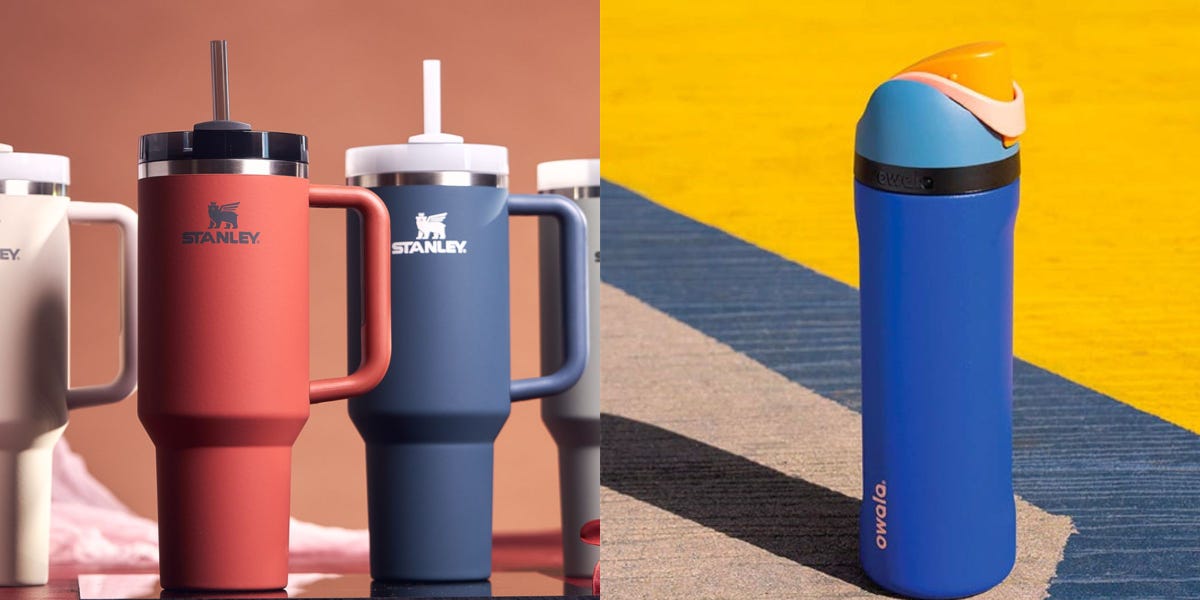
Stanley's insulated stainless steel cups contain lead, sparking concern on social media, despite experts saying it doesn't pose a safety risk. Competitors like Hydro Flask and Owala are seizing the opportunity to promote their lead-free products, capitalizing on the public's heightened awareness of the issue. Marketing experts see this as a smart move to differentiate themselves and win over customers, particularly those concerned about health risks and the environment. Meanwhile, Stanley is working on alternative materials for its sealing process.
Stanley water bottles, popular for their durability and insulation, contain lead in the sealing material, posing potential health risks if the bottle is damaged. While the company assures consumers that intact bottles are safe, concerns arise about the use of lead and its impact on workers and the environment. Rivals emphasize their lead-free products, highlighting the financial and ethical costs of transitioning away from lead. The situation raises questions about the lack of lead regulations in the US and the potential risks posed to consumers and communities.
Competing water bottle brands like Hydro Flask and Owala are leveraging social media to promote their lead-free products and take shots at Stanley over concerns about lead in their water bottles. The viral success of Stanley's Quencher bottles has led to a surge in popularity, but also to complaints of scams and thefts. Hydro Flask's shade at Stanley could be an attempt to reclaim its title as TikTok's most-viral water bottle, as the brand was previously popularized during the "VSCO girl" trend.
Stanley, the tumbler brand made famous on TikTok, has admitted that trace amounts of lead are used in its manufacturing processes, but assured consumers that the lead will not touch any beverages put inside the cups due to being enclosed within their interiors, which are protected by stainless steel exteriors. The company stated that its products comply with US and state regulations and is working on innovative, alternative materials for use in the sealing process.