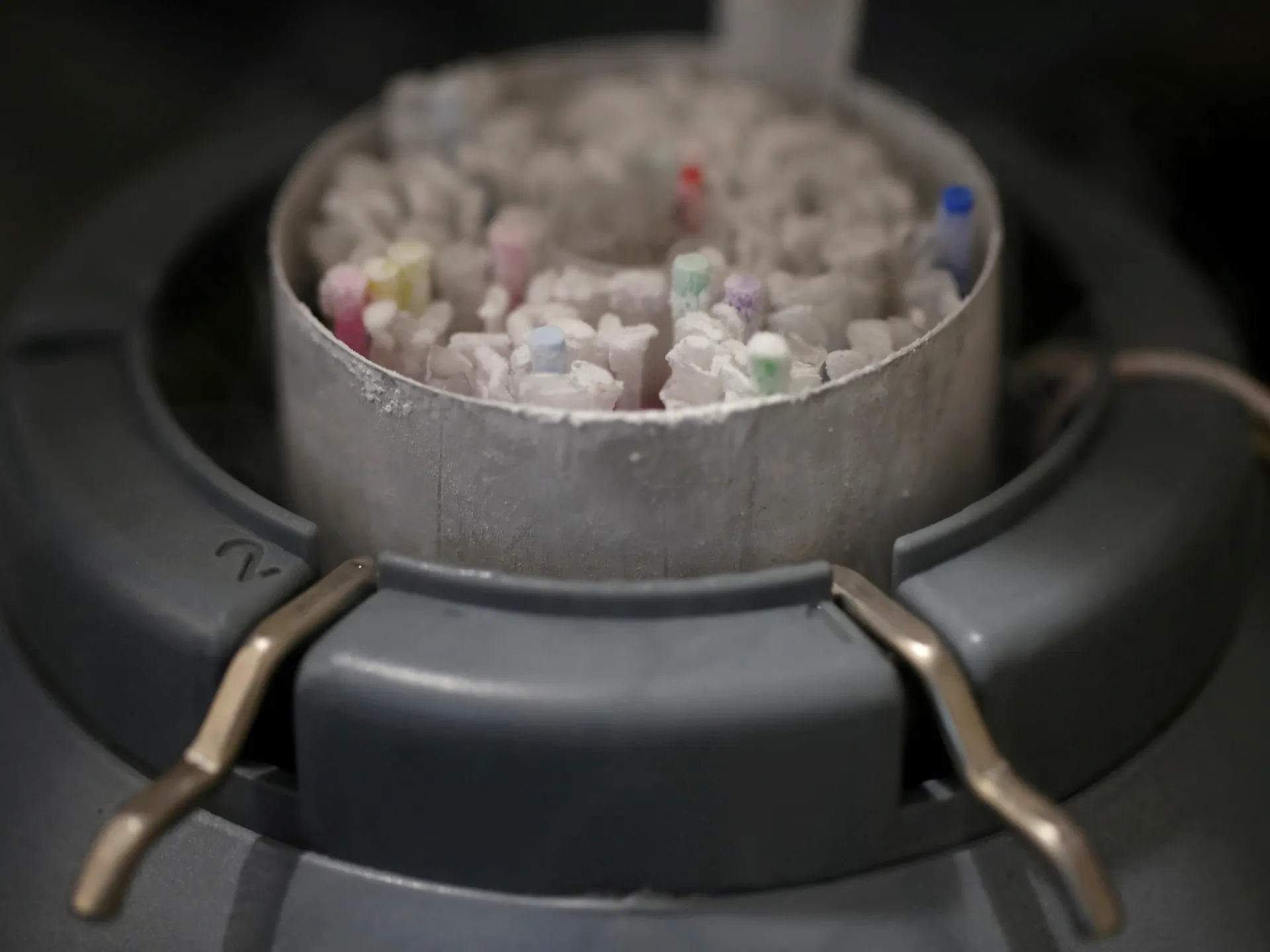
A sperm donor with a rare cancer-causing gene mutation fathered at least 197 children across Europe, some of whom have already died from cancer, highlighting the need for stricter genetic screening and regulation of sperm donors.
Ten children conceived with the same sperm donor, who carried a rare genetic mutation linked to cancer, have been diagnosed with cancer, prompting calls for limits on the number of families per donor. The sperm bank confirmed the mutation was present in some of the donor's sperm and used by at least 67 families, raising concerns about genetic disease dissemination and the need for stricter regulations.
Lala Kent, from Vanderpump Rules, shared details about choosing a sperm donor for her second pregnancy during a recent episode. She threw a party where friends and family helped pick the donor, ultimately choosing one with attributes that resonated with her. Lala, who is pregnant via intrauterine insemination, expressed her desire for her future child to have a similar aesthetic look to her and her family, aiming to eliminate any potential challenges for her child.
Reality TV star Lala Kent announced her pregnancy with her second child and revealed that she used a sperm donor, shading her ex-fiancé Randall Emmett in the process. Kent expressed her desire to have full control over raising her children and stated that she does not want to share custody again after a difficult breakup with Emmett. She emphasized the support of her family in co-parenting and described her nontraditional family dynamic as a "pod of orcas." Kent and Emmett have been in a custody battle over their almost 3-year-old daughter, Ocean, and Kent has made it clear that she does not expect a resolution anytime soon.
"Vanderpump Rules" star Lala Kent revealed on her podcast that looks and intelligence were low priorities when choosing a sperm donor for her second child, emphasizing the desire to eliminate potential questions about her child's appearance in a less progressive world. She announced her pregnancy after undergoing intrauterine insemination (IUI) and expressed surprise at getting pregnant on the first try. Kent shared that the chosen donor has a connection to her two-year-old daughter and discussed her decision to undergo IUI, expressing gratitude for the option.
A mother and daughter have filed a lawsuit against Dr. Merle Berger, co-founder of Boston IVF, alleging that he used his own sperm for artificial insemination without their consent. The daughter discovered the truth after taking a home DNA test, which led her to suspect that Berger was her biological father. The case is one of many instances that have come to light in recent years as people research their ancestry through genetic testing. The lawsuit accuses Berger of fraudulent concealment, intentional misrepresentation, and violation of the Massachusetts Consumer Protection Law. Advocacy groups are pushing for federal legislation to address issues surrounding fertility treatments and hold individuals accountable.
Slate's advice column features a range of topics this week, including a man regretting being his sister-in-law's sperm donor, a mother seeking advice on how to handle her autistic son's interactions with other children, a man struggling with insecurities about his sexual performance compared to his partner's ex, and a woman unsure about asking her sister's friends to contribute financially to an extravagant bridal shower.
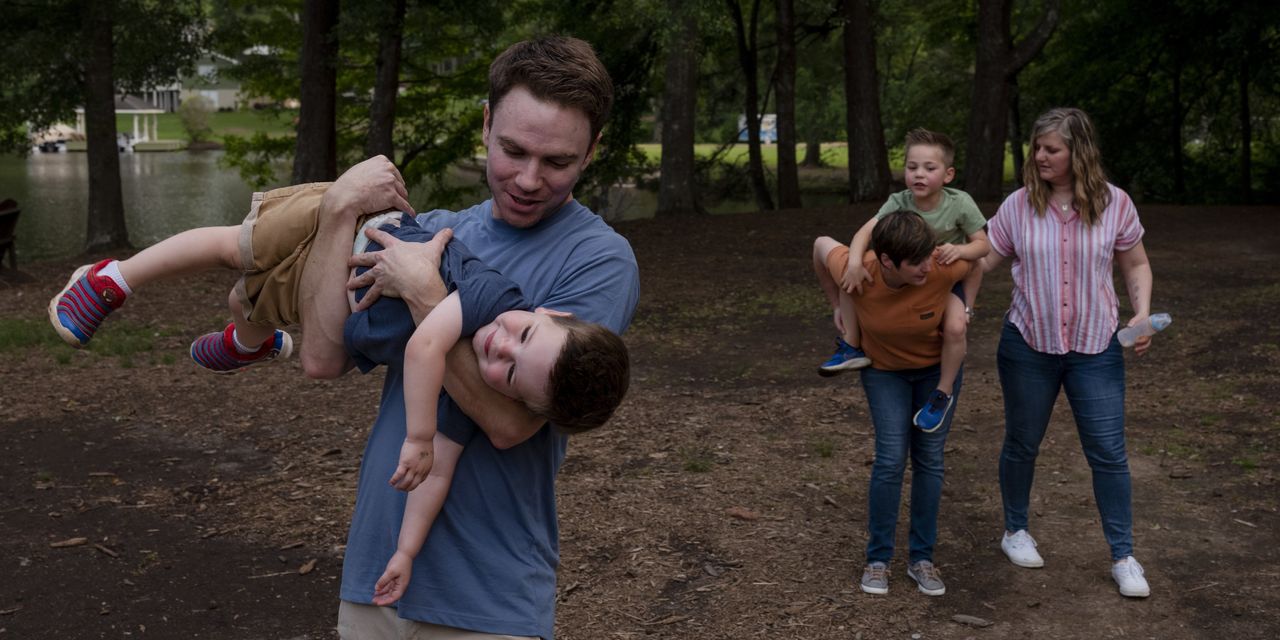
Dylan Stone-Miller, a 32-year-old man from Georgia, has fathered at least 96 children through sperm donations made over six years starting in college. After being contacted by the adoptive parents of one of his children, Stone-Miller embarked on a journey to connect with his biological offspring. Armed with a spreadsheet and a unique sperm bank ID, he has met 25 of his children so far. Stone-Miller's quest began when he received a message from one of the parents who had tracked him down using clues from his donor file. He has since visited several of his children and is documenting their names, ages, and birthdays. While some of the families have welcomed him, others have set boundaries to protect their children. Stone-Miller's motivation for reconnecting with his children is to watch them grow up.
A sperm donor embarks on a 9,000-mile road trip to meet some of the 96 children he fathered, highlighting the complexities that arise when the identities of sperm donors are no longer anonymous. The loss of anonymity raises questions about boundaries, responsibilities, and the development of sometimes ambivalent relationships between donors and their biological children.
A mother seeks advice on how to tell her 30-year-old daughter that her father is actually her brother, as they used her husband's adult son's sperm to conceive. The mother is anxious and worried about revealing the truth, as it will complicate every family relationship her daughter has. Psychologists warn that internal family secrets can be damaging, creating feelings of betrayal. Discovering shocking paternity truths through DNA ancestry testing has become increasingly common, leading to a spike in paternity fraud cases. Despite potential emotional fallout, experts emphasize the importance of truth and connection in family relationships.
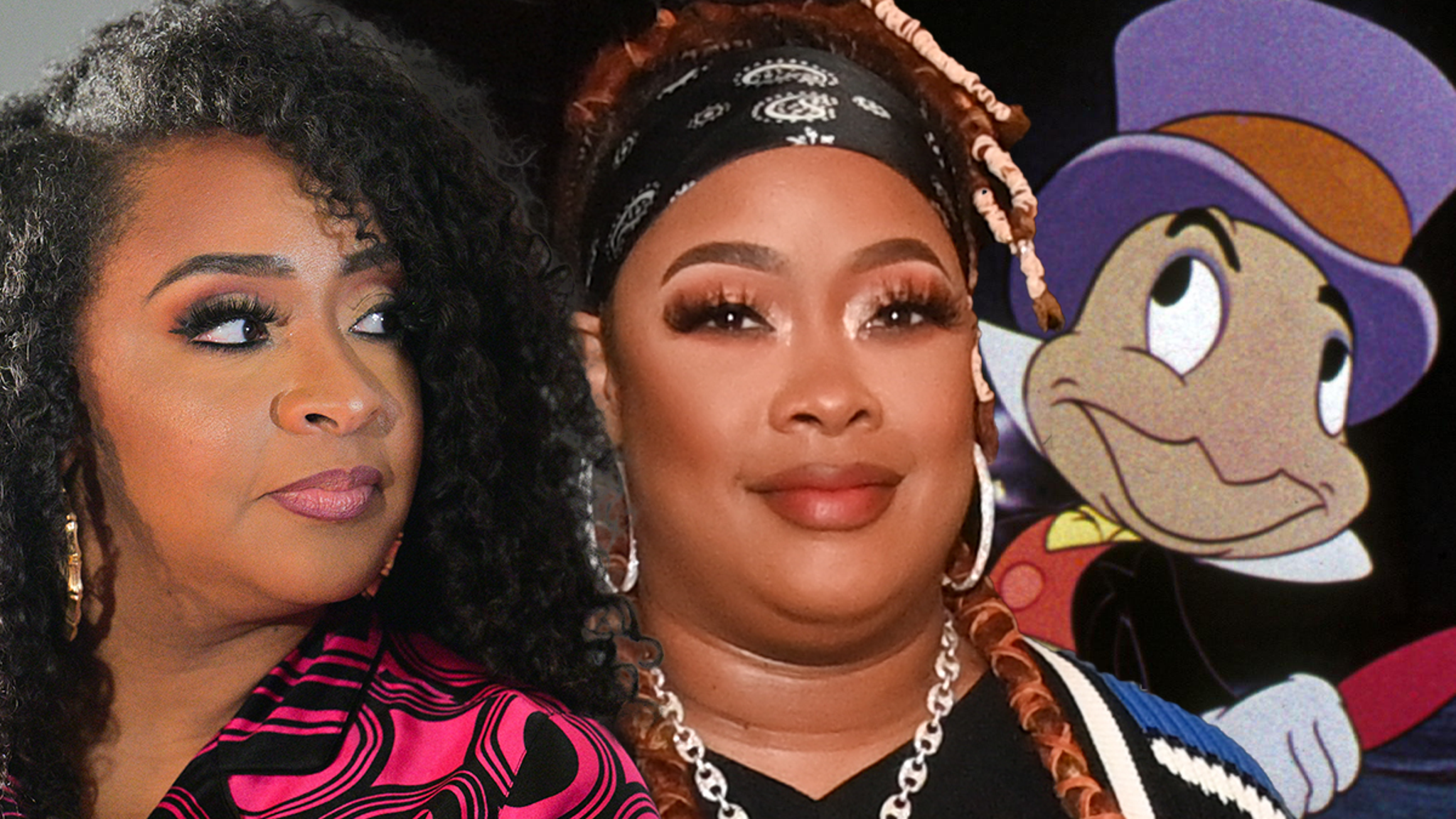
Jesseca Dupart denies intentionally choosing a non-Black sperm donor for her upcoming baby, citing limited choices in the gene pool and a lack of Black donors in general. She also scolded Da Brat for making a joke about one of the donors looking like Jiminy Cricket, agreeing with social media protests that the remark was in poor taste.
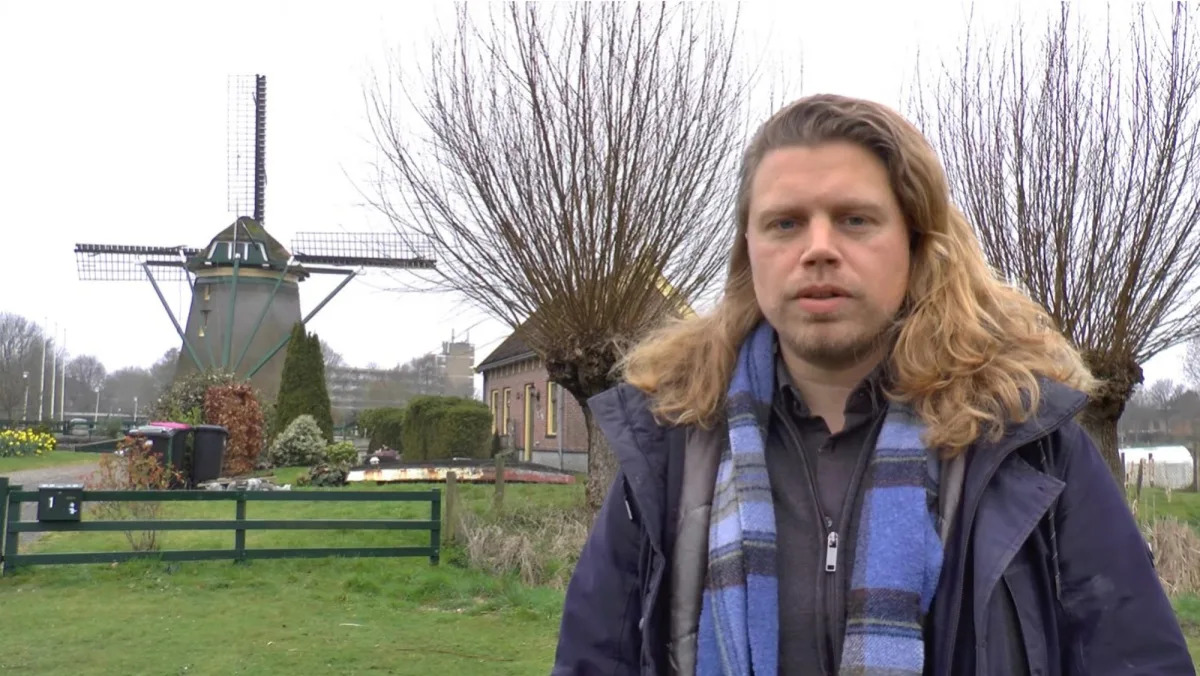
A Dutch man suspected of fathering 550 children worldwide has been ordered by a court in The Hague to stop donating sperm and provide a list of all the clinics he had used, ordering them to destroy his sperm. The man had been banned from donating to fertility clinics in the Netherlands in 2017 after fathering more than 100 children, but continued to donate abroad and online, misleading hundreds of women.
A Dutch man who fathered over 550 children worldwide through sperm donations has been ordered by a judge to stop or face a fine of more than €100,000 ($111,275). He was already banned from donating to fertility clinics in the Netherlands in 2017 after fathering more than 100 children. A court in The Hague has now ordered him to provide a list of all the clinics he has used and to order them to destroy his sperm.
A Dutch court has ruled that a prolific sperm donor, who may have fathered over 500 children, must pay a fine of around $110,000 if he donates again. The court also ordered him to immediately stop donating and call up any clinic where he has donated and request they immediately destroy his samples. The donor had promised mothers who used his sperm that he would stop donating in order to limit the risk of accidental incest but continued to donate anyway. The court ruled that "the interests of the donor children and their parents outweigh the interest of the donor in continuing to donate sperm to new prospective parents."
A Dutch court has banned a sperm donor, identified as Jonathan M, from donating any more of his sperm after fathering at least 550 children in the Netherlands and other countries and misleading prospective parents about the number of offspring he helped to conceive. The court noted under Dutch guidelines, sperm donors are allowed to produce a maximum of 25 children with 12 mothers, and the donor lied to prospective parents about his donation history. The court ruled “the interests of the donor children and their parents outweigh the interest of the donor in continuing to donate sperm to new prospective parents”.