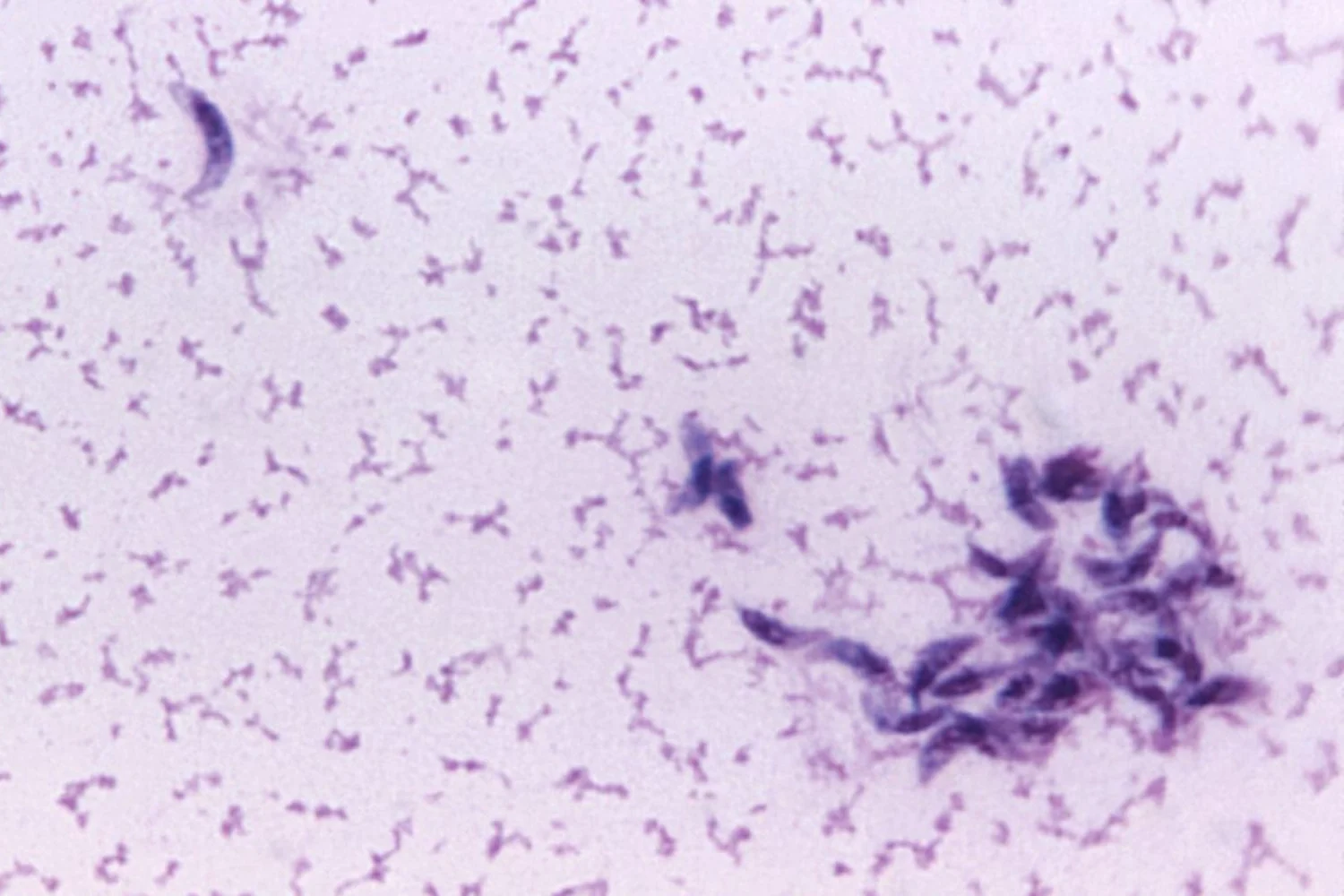
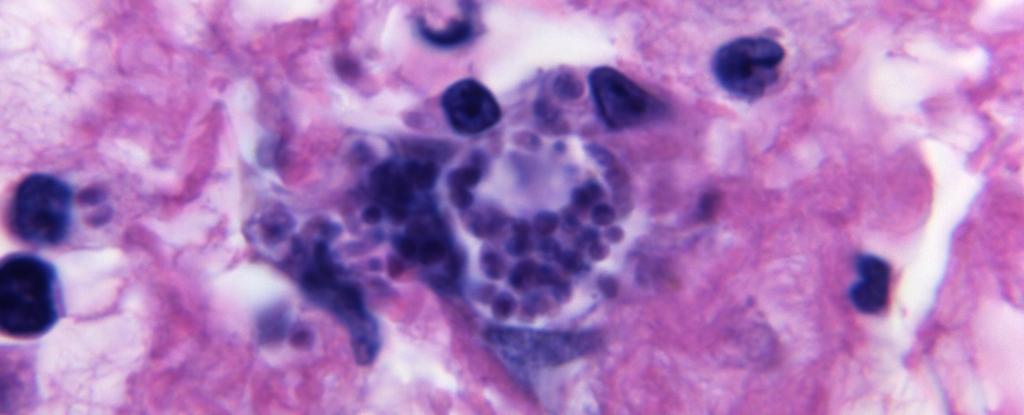
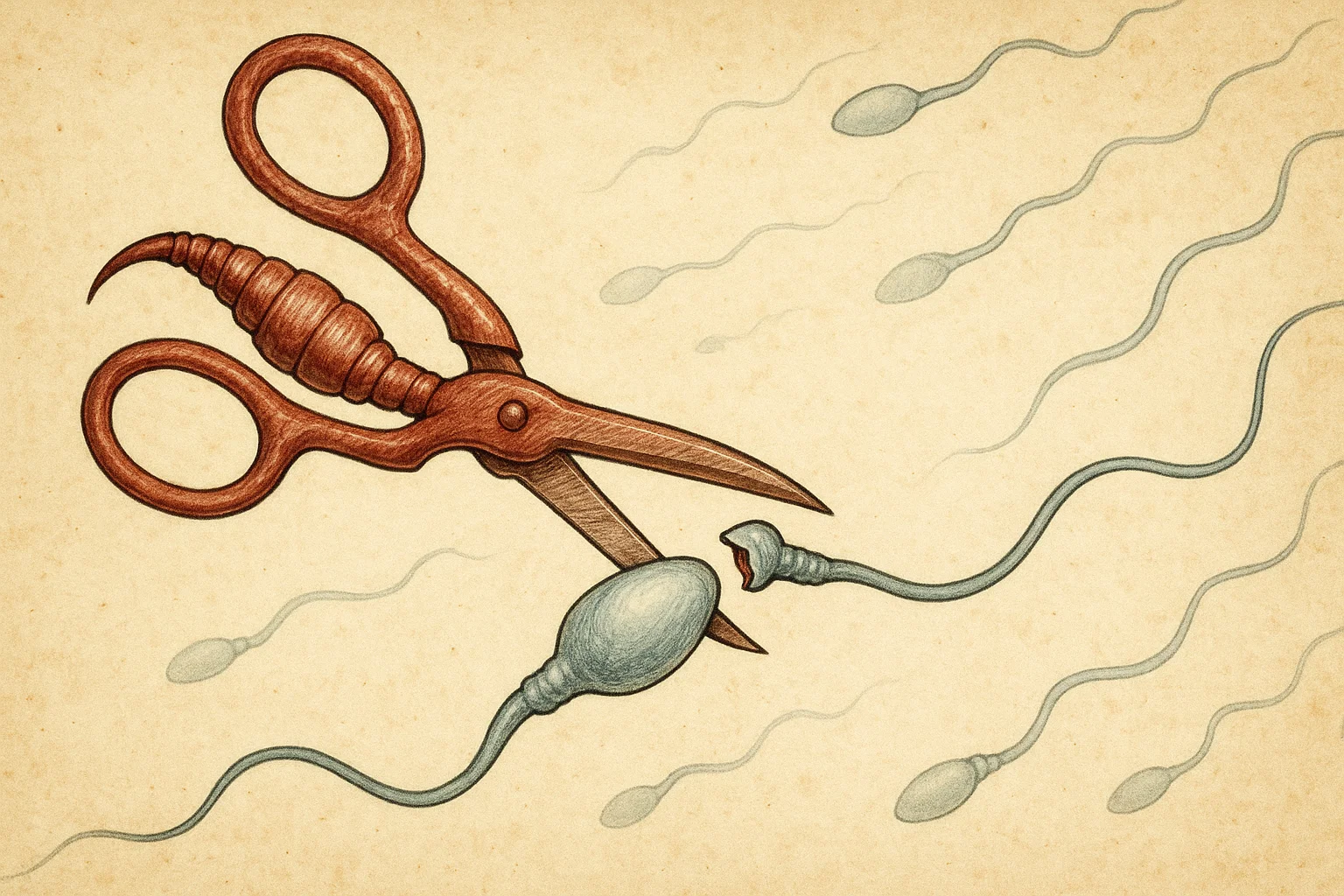
A recent study suggests that the parasite Toxoplasma gondii can directly damage human sperm by causing decapitation and deformities, potentially contributing to global male infertility trends. The parasite can infect male reproductive organs, and exposure may be linked to reduced sperm quality, although more research is needed to confirm this connection. Preventative measures include proper hygiene, cooking meat thoroughly, and avoiding raw foods.
A recent study suggests that the parasite Toxoplasma gondii can directly damage human sperm by causing decapitation and deformities, potentially contributing to declining male fertility rates worldwide. The parasite infects many people globally and can target reproductive organs, raising concerns about its impact on human fertility, although more research is needed. Preventative measures include proper food handling and hygiene practices.
A recent study shows that the parasite Toxoplasma gondii can directly damage human sperm, potentially contributing to declining male fertility rates, by decapitating sperm cells within five minutes of contact. The parasite infects various organs, including reproductive organs, and is widespread globally, emphasizing the importance of prevention measures such as proper food handling and hygiene.