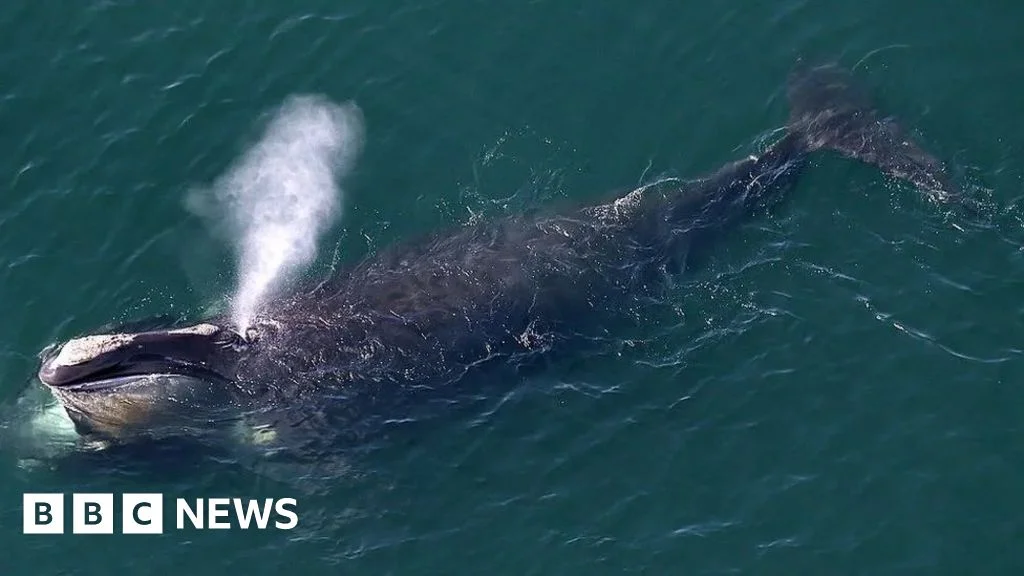
A rare North Atlantic right whale, first spotted off Donegal in Ireland, was later confirmed to have been sighted in Massachusetts Bay, US, highlighting its remarkable travel ability and the importance of international cooperation for its conservation.

The Houston Zoo has welcomed Akobi, a 477-pound male pygmy hippopotamus, as part of the AZA Species Survival Plan. Akobi, whose name means "first born" in Yoruba, is the first pygmy hippo at the zoo since the death of Silas in 2022. Pygmy hippos, smaller and more docile than common hippos, are gaining popularity, partly due to viral sensations like Moo Deng from Thailand. The zoo is also celebrating its centennial with new exhibits and awards.
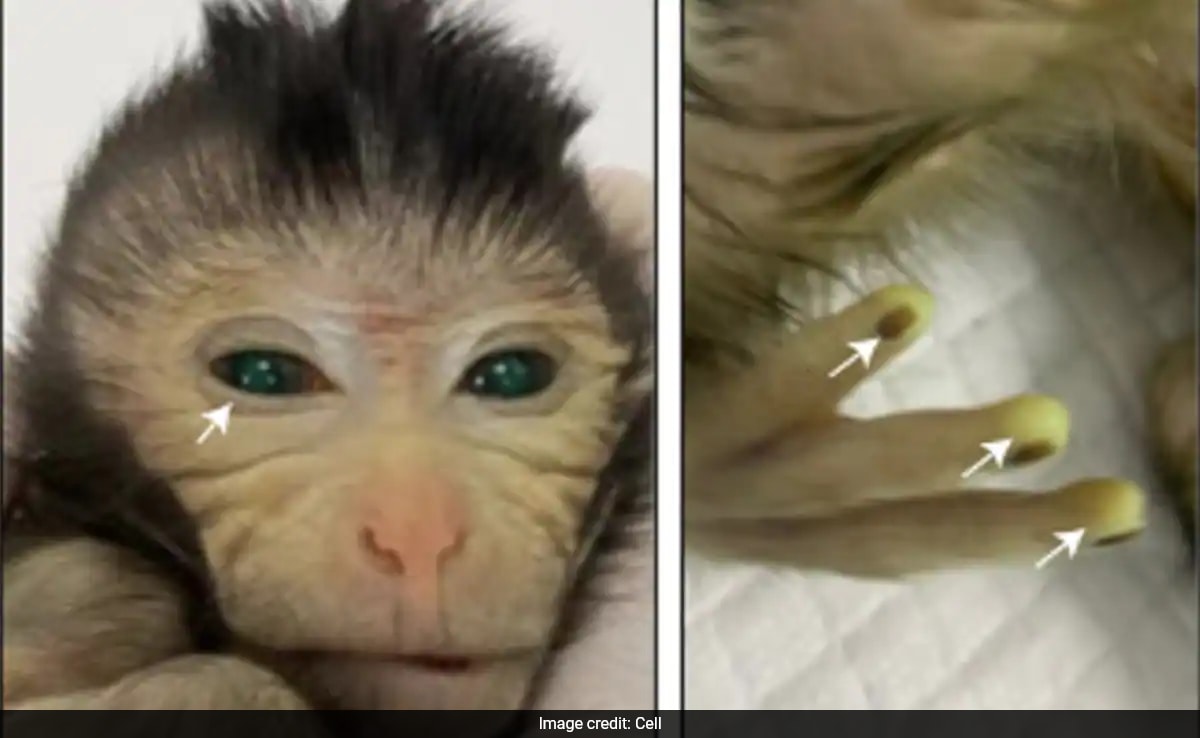
Chinese scientists have successfully created a chimeric monkey with green eyes and glowing fingertips using two sets of DNA from the same monkey species. The experiment, which is still experimental, could have potential benefits for medical research and species conservation. The live birth monkey chimera survived for 10 days before being euthanized. The presence of donated stem cells in the animal ranged from 21% to 92%, with the highest percentage found in brain tissues. Chimeric animals have been used in biomedical research since the 1960s.
Scientists in China have successfully created the first-ever live birth of a chimeric monkey using stem cells. The monkey, created from two genetically distinct embryos, displayed fluorescent green eyes and fingertips due to a fluorescence green protein introduced during the experiment. Unfortunately, the monkey lived for only 10 days before being euthanized. The researchers believe this breakthrough has significant implications for stem cell research, neurological disease studies, genetic engineering, and species conservation among primates. They hope to further study embryo survival during pregnancy and improve their line of chimera monkeys.