Tag

Spaceexoplanets

All articles tagged with #spaceexoplanets

spaceexoplanets2 years ago

Planetary Neighbors: The Key to Discovering Life

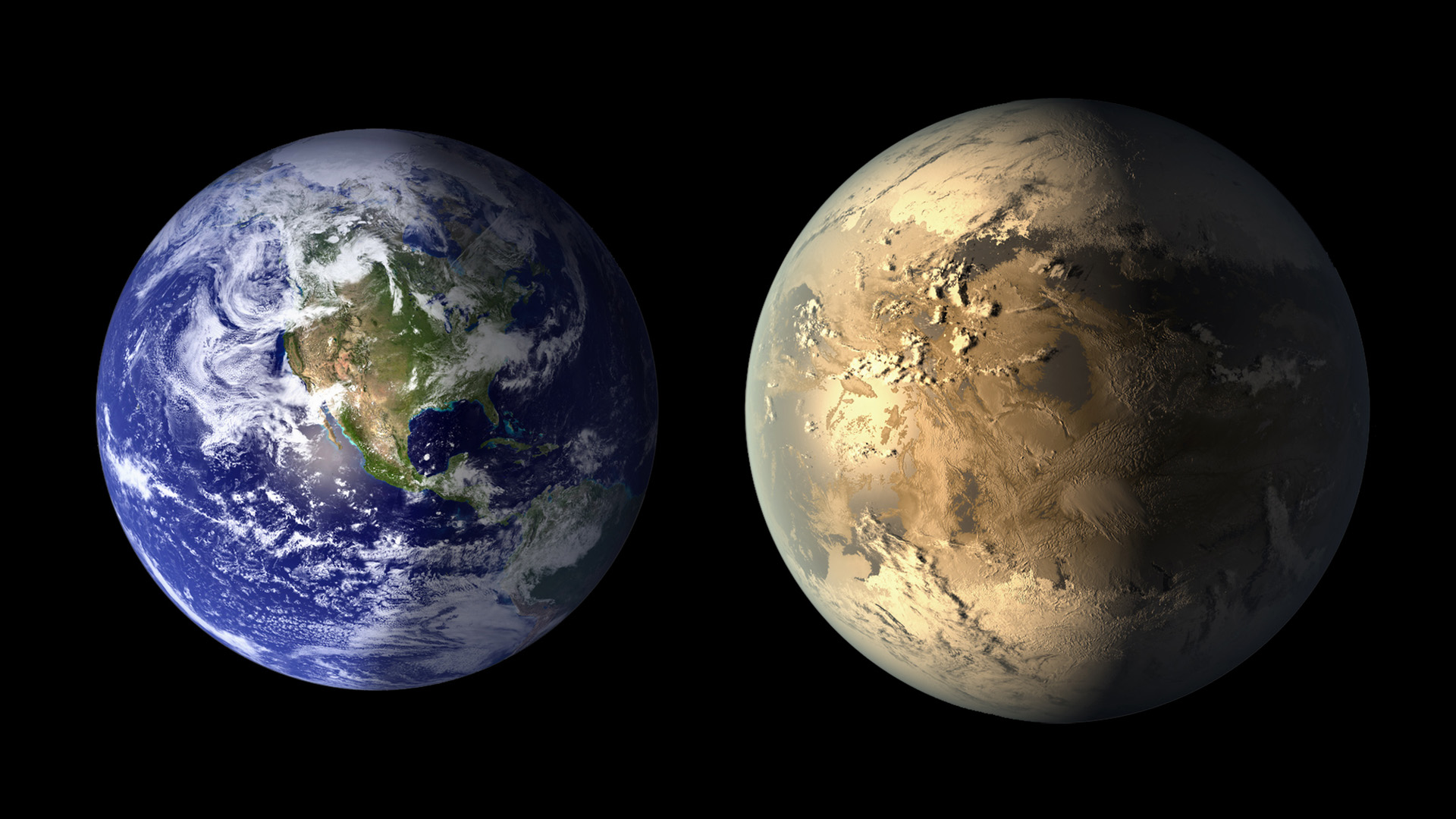
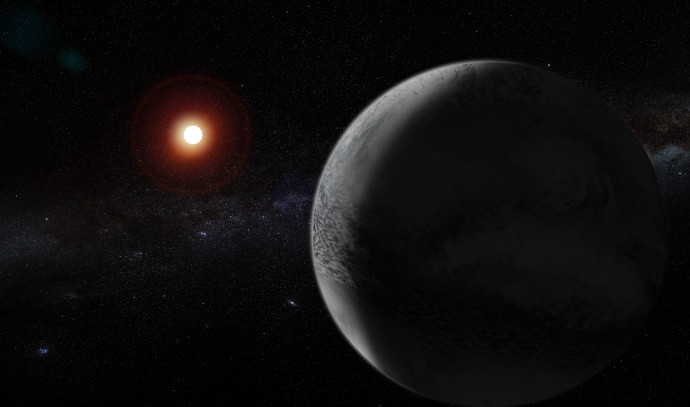
A new study suggests that comparing the atmospheric composition of a potentially habitable exoplanet with those of its neighboring planets in the star system could be a better approach to finding signs of life. By analyzing the abundance of atmospheric carbon, researchers can determine if an exoplanet has significantly less carbon than similar worlds in its system, indicating the presence of water and organic life. While this method is not definitive, it could help identify candidate planets for further study and potentially lead to the discovery of extraterrestrial life.
spaceexoplanets2 years ago

"James Webb Telescope Discovers Signs of Alien Life on Exoplanet K2-18b"

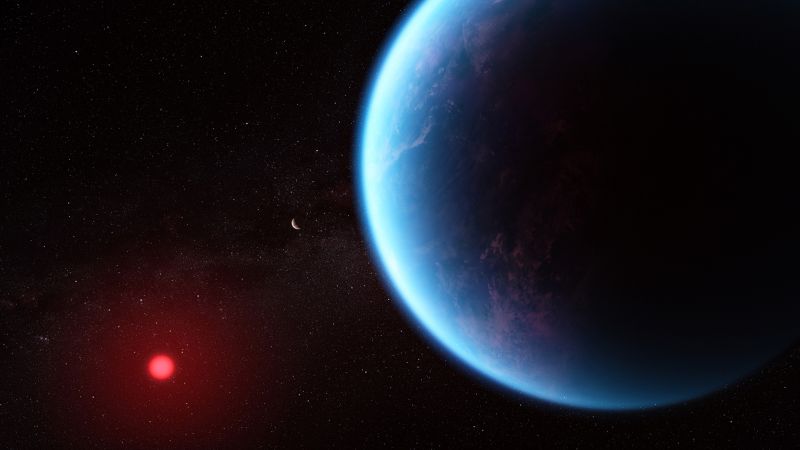
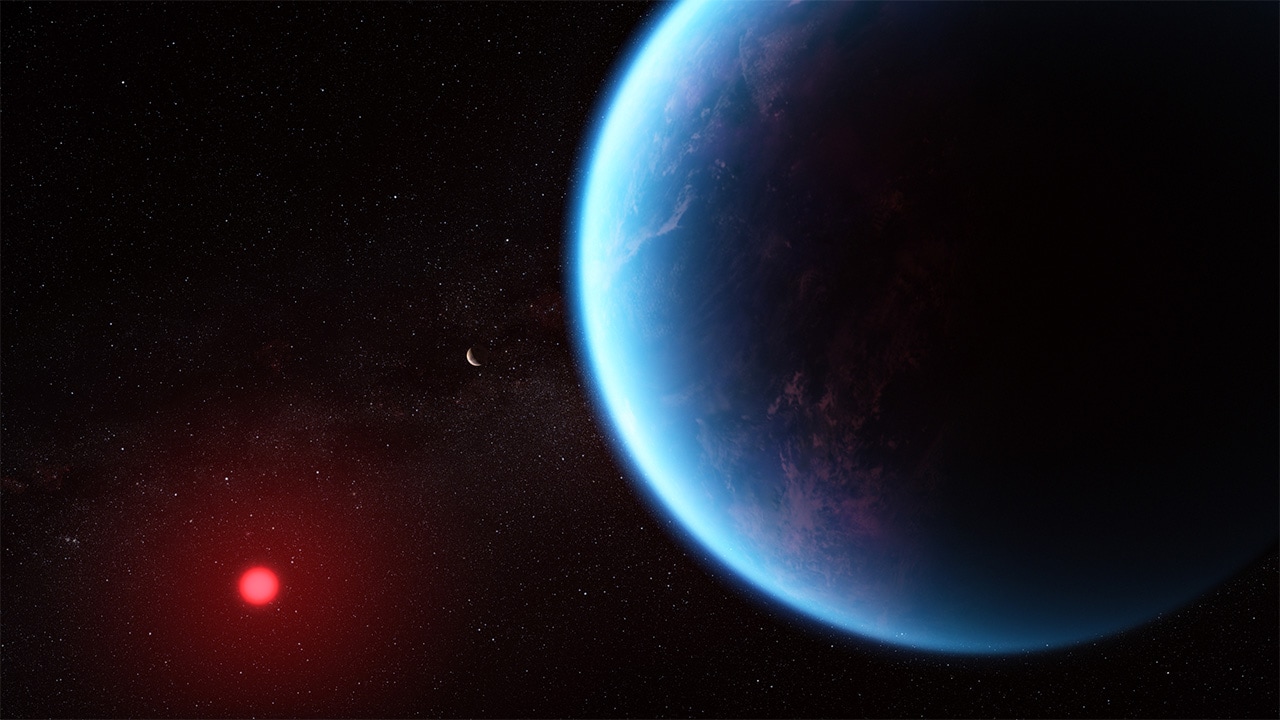
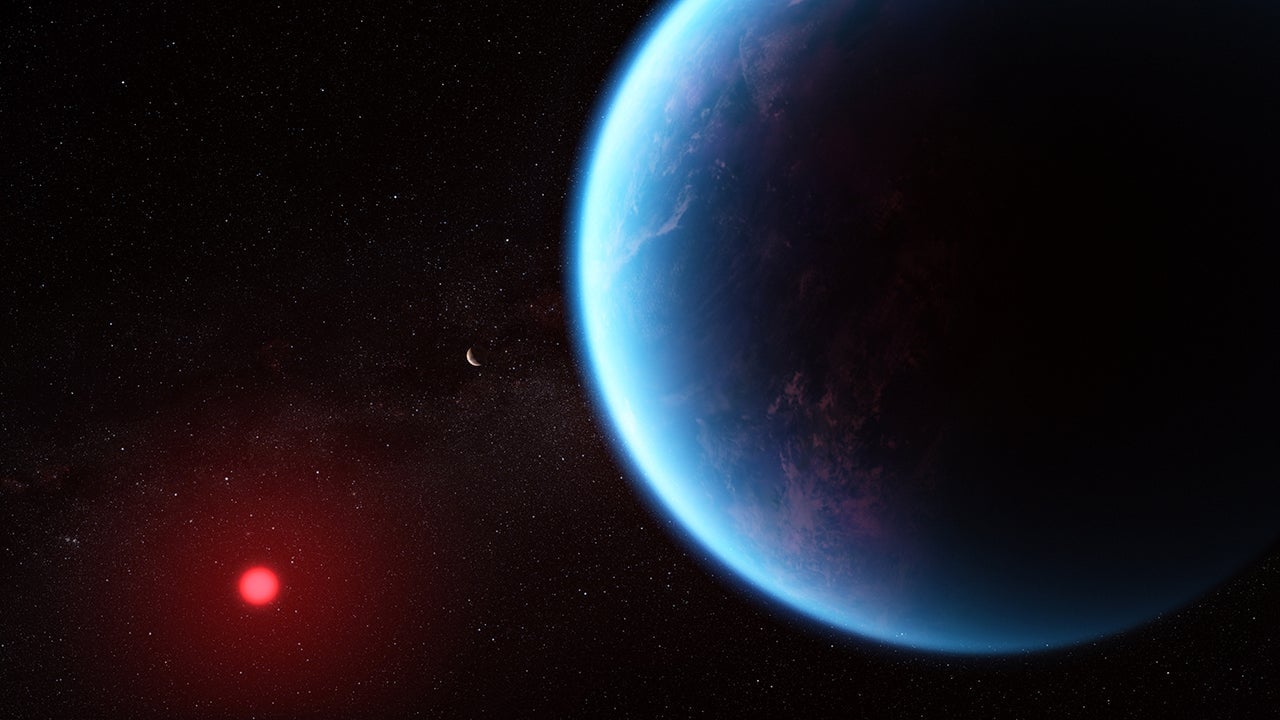
NASA's James Webb Space Telescope has detected methane, carbon dioxide, and dimethyl sulphide (DMS) in the atmosphere of exoplanet K2-18b, located 124 light-years from Earth. The presence of DMS, a molecule only produced by living things on Earth, suggests the possibility of life on the planet. K2-18b is considered a potentially habitable world, with a hydrogen-rich atmosphere and a liquid-water ocean, making it a candidate for a Hycean planet. Further research is needed to validate the evidence of DMS and determine if the exoplanet can support life.

spaceexoplanets2 years ago

James Webb Telescope Discovers Exoplanet with Promising Signs of Life

The James Webb Space Telescope has detected an organic molecule, along with methane and carbon dioxide, in the atmosphere of exoplanet K2-18 b, suggesting the possibility of life in its vast global ocean. The planet, located 120 light-years away in the constellation Leo, is believed to be a Hycean world, a type of potentially habitable planet with hydrogen-rich atmospheres and world-spanning oceans. Further observations are needed to confirm the presence of life and determine if the planet's radiation has made its ocean too hot to sustain life as we know it.

spaceexoplanets2 years ago

"Webb's Data Reveals Habitable Zone Planet with Rare Oceans and Potential Signs of Life"

The James Webb Space Telescope has uncovered evidence suggesting that the exoplanet K2-18b, located 120 light-years from Earth, may have the necessary conditions to support bodies of water and potentially life. The planet, which orbits the cool dwarf star K2-18, lies within the star's habitable zone and has an atmosphere rich in methane and carbon dioxide. The presence of carbon-bearing molecules and the potential presence of dimethyl sulfide, a molecule associated with life on Earth, further enhance the possibility of an ocean world. However, further research is needed to confirm the presence of dimethyl sulfide and the potential for life on K2-18b.

spaceexoplanets2 years ago

"NASA's Webb Telescope Uncovers Potential 'Hycean' Planet with Water Ocean and Signs of Life"

NASA's James Webb Space Telescope has provided evidence suggesting the presence of an ocean on a massive exoplanet called K2-18 b, located over 100 light-years away in the constellation Leo. The planet, 8.6 times the mass of Earth, exhibits an atmosphere containing methane and carbon dioxide, consistent with an ocean-covered surface beneath a hydrogen-rich atmosphere. While the detection of dimethyl sulfide raises the possibility of biological activity, further observations are needed to confirm this finding. The planet's large size and potential high-pressure ice mantle may make it inhospitable for life, but the discovery highlights the importance of exploring diverse habitable environments in the search for extraterrestrial life.

spaceexoplanets2 years ago

JWST's Discovery: Intelligent Civilization Found on Earth

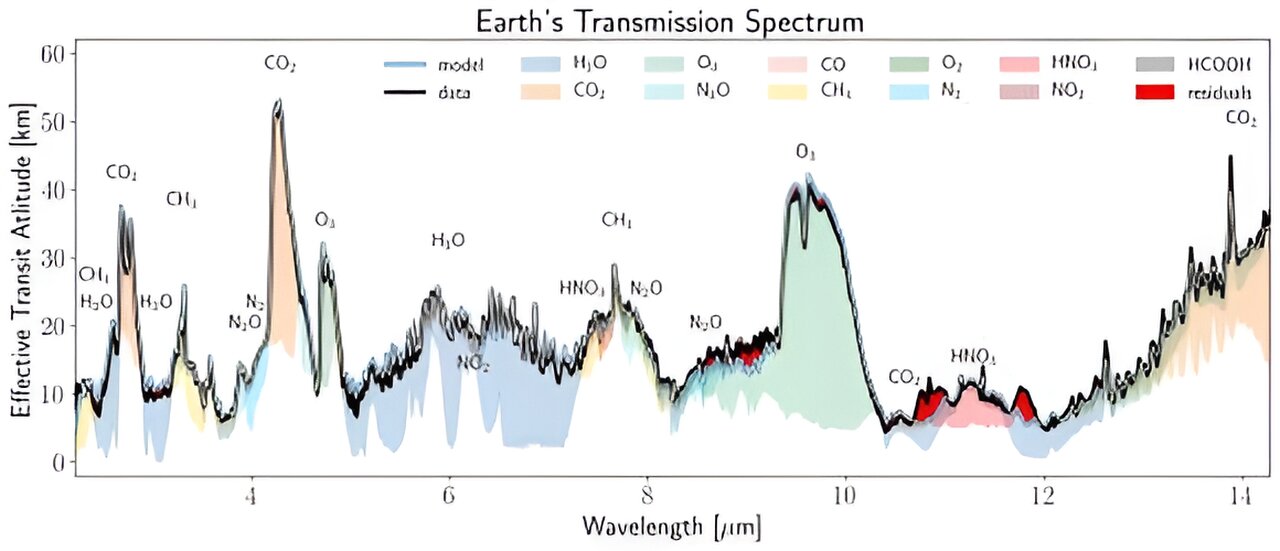
A recent study suggests that if Earth were an exoplanet, the James Webb Space Telescope (JWST) would be able to detect the presence of an intelligent civilization by analyzing the molecules in our atmosphere. By simulating the data obtained from Earth's atmosphere and introducing noise and lower resolutions, the study found that JWST could identify various molecules, including those indicative of an industrial civilization. The study also demonstrated that JWST could potentially identify biological and technological signatures on exoplanets within 50 light-years, such as those in the Trappist-1 system. This research could significantly advance our understanding of life in the universe.