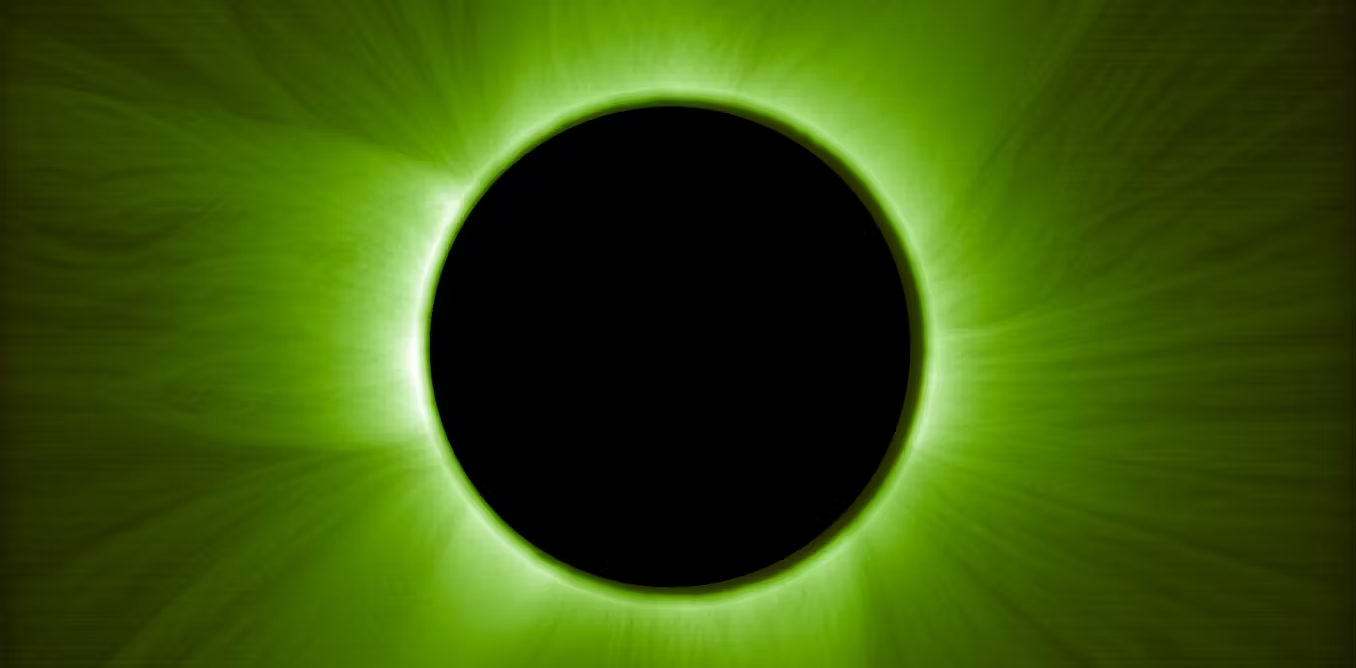
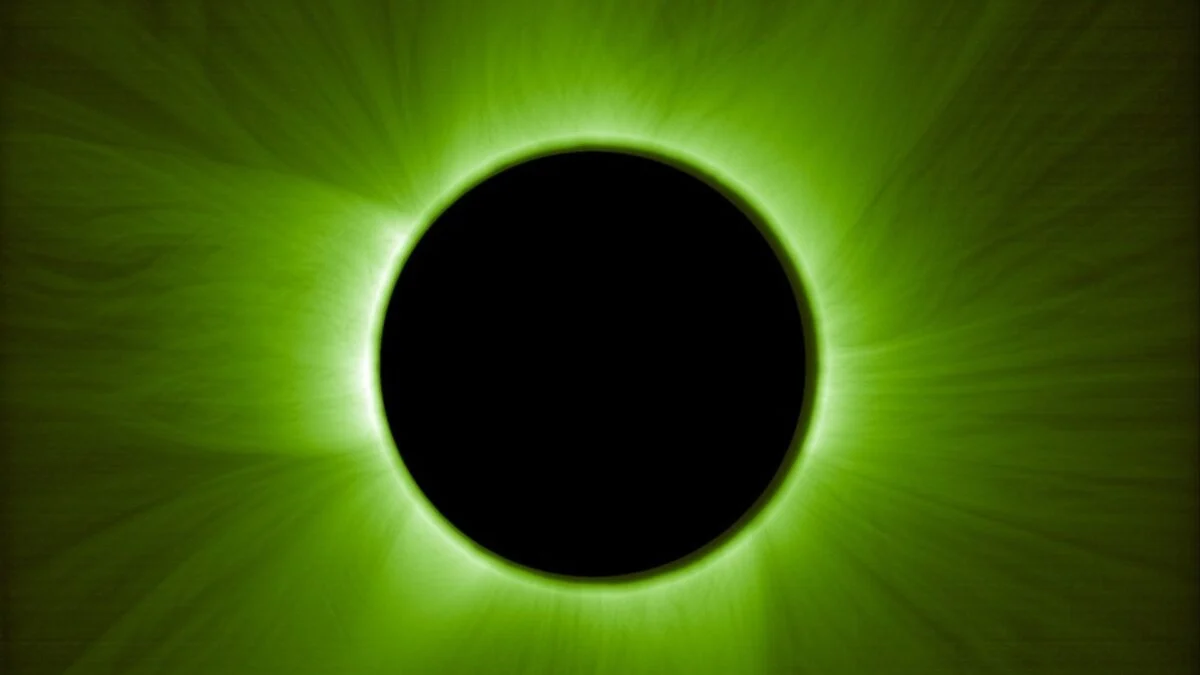
European Space Agency's Proba-3 mission involves two spacecraft flying in precise formation to create artificial solar eclipses, allowing scientists to study the Sun's corona and space weather while testing advanced formation-flying technology for future space missions.
The ESA's Proba-3 mission successfully created the world's first artificial total solar eclipse by autonomously aligning two satellites to block the Sun's surface, enabling detailed observation of the solar corona and advancing solar physics and satellite formation technology.
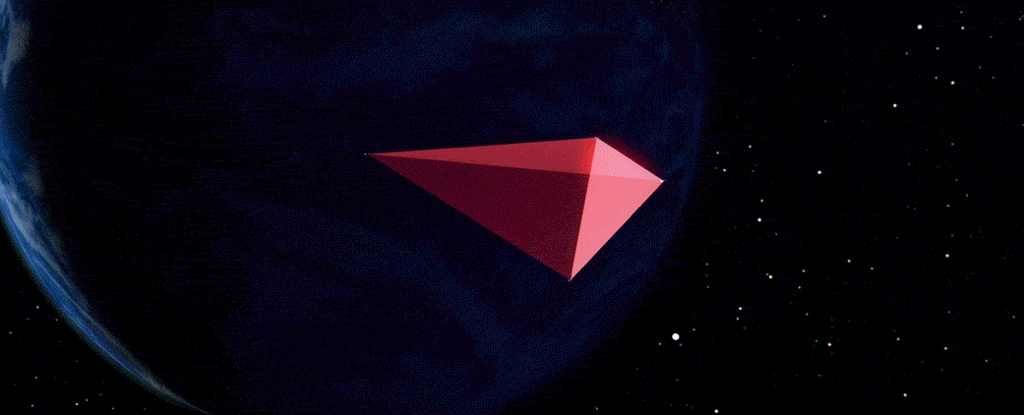
A team of NASA researchers proposed a mission using spacecraft in a tetrahedral formation and interferometers to search for evidence of additional physics within our Solar System, aiming to resolve cosmological mysteries that have eluded scientists for over half a century. The mission would investigate the Sun's gravitational field for deviations from the predictions of general relativity at the Solar System scale, employing local measurement techniques and atom interferometers. This mission aims to enhance the precision of testing general relativity and alternative gravitational theories by more than five orders of magnitude, while also exploring aspects of the solar system and detecting gravitational waves in the micro-Hertz range.