Tag

Space Tug

All articles tagged with #space tug

space2 years ago

NASA Urgently Addresses Safety Concerns of Space Station Careening Out of Control

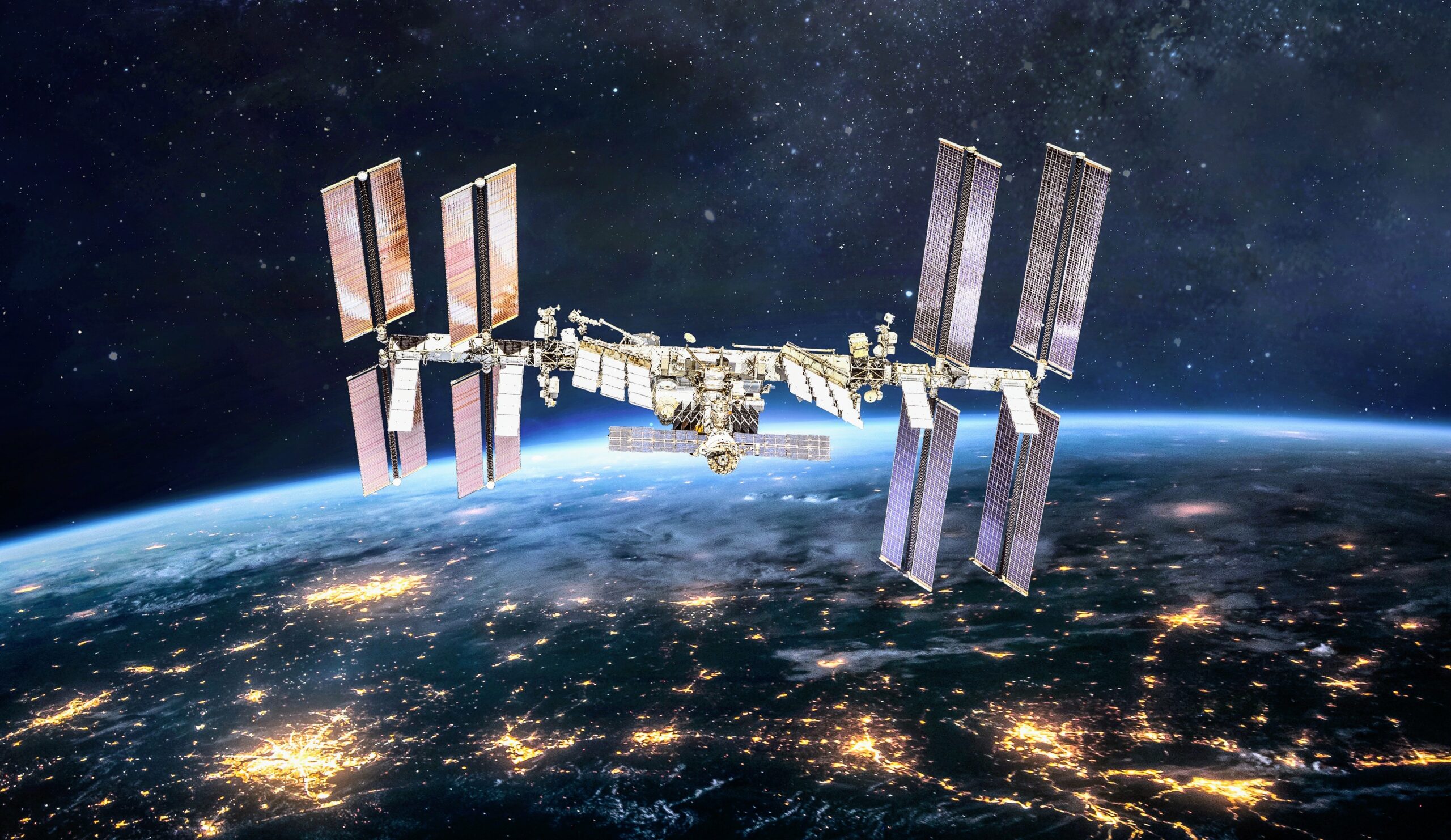
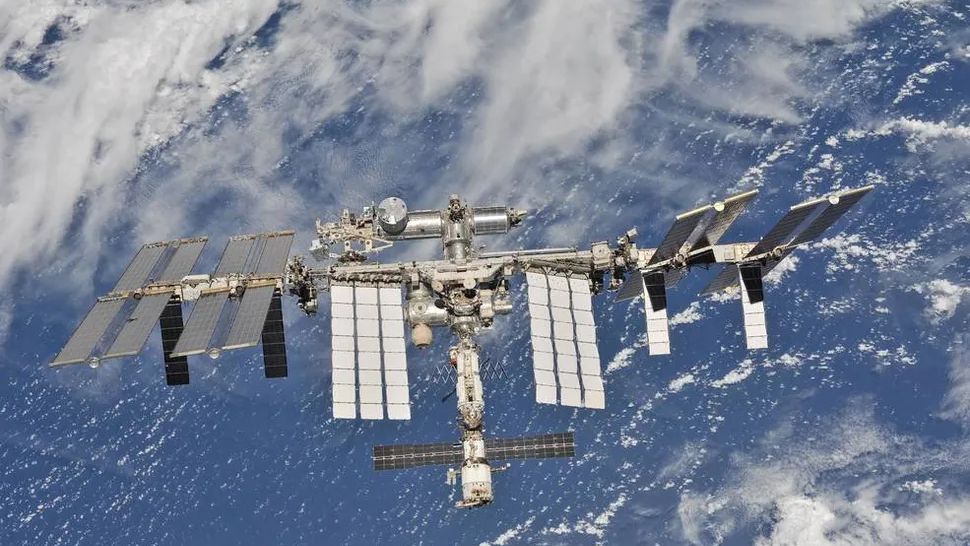
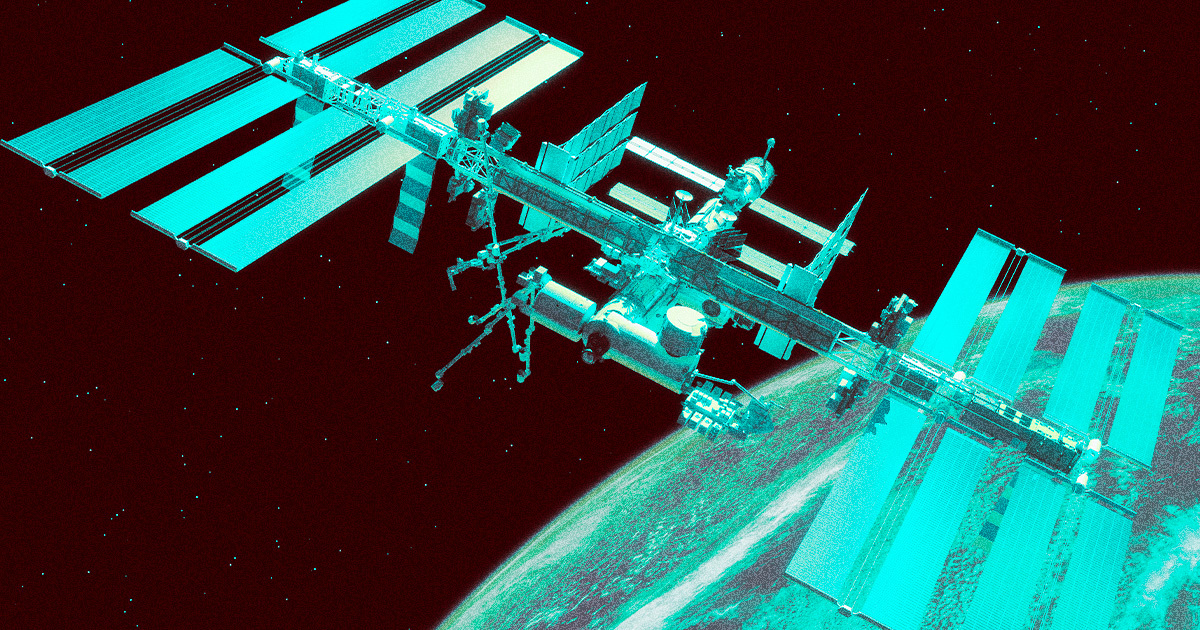
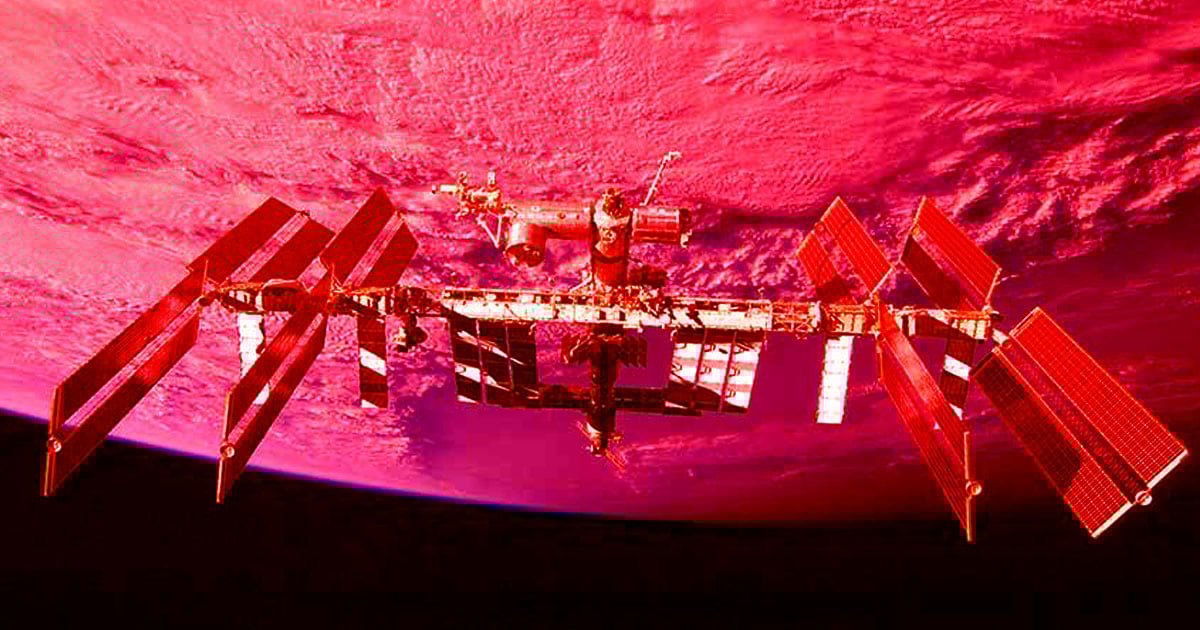
NASA's Aerospace Safety Advisory Panel (ASAP) has emphasized the urgent need for a specialized "space tug" to retire the International Space Station (ISS) in a controlled manner, fearing the potential catastrophic consequences of an uncontrolled re-entry into the Earth's atmosphere. The ISS, which has already exceeded its intended lifespan, is too massive and poses a significant hazard to populated areas. NASA plans to retire the ISS by 2030 and has allocated $180 million to develop the space tug, but the actual construction could cost up to $1 billion. However, budget cuts resulting from the Fiscal Responsibility Act of 2023 may pose challenges to NASA's retirement plan.
space2 years ago

NASA Panel Urges Mandatory Deorbiting of ISS Spacecraft

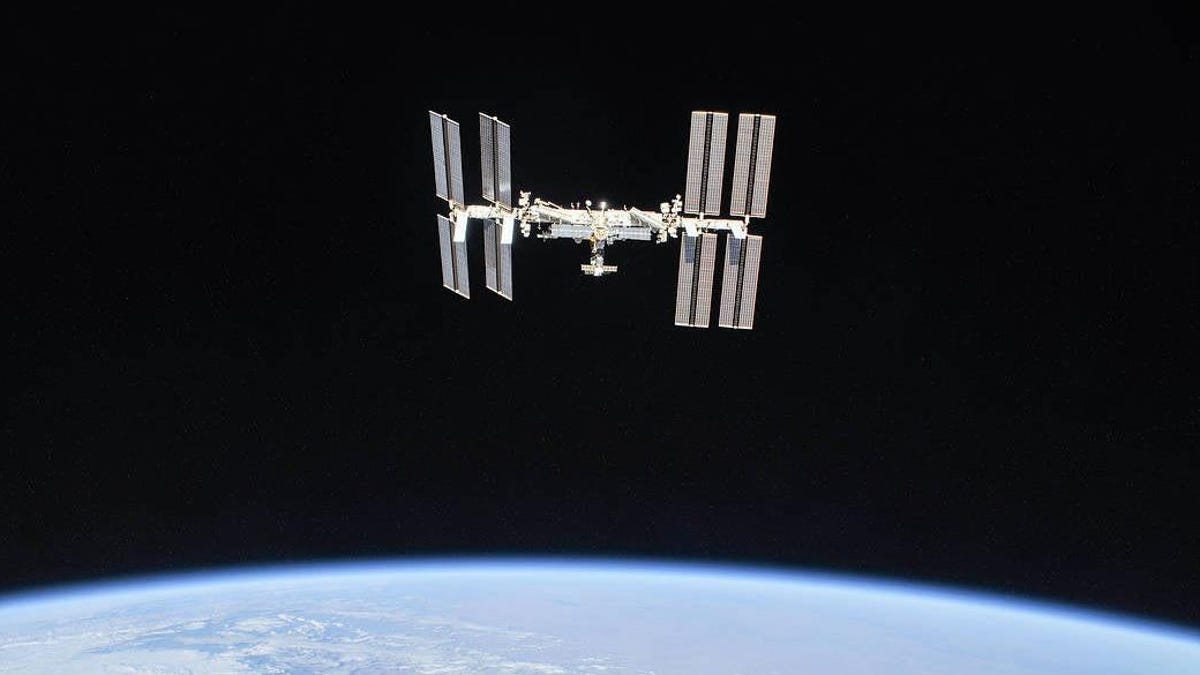
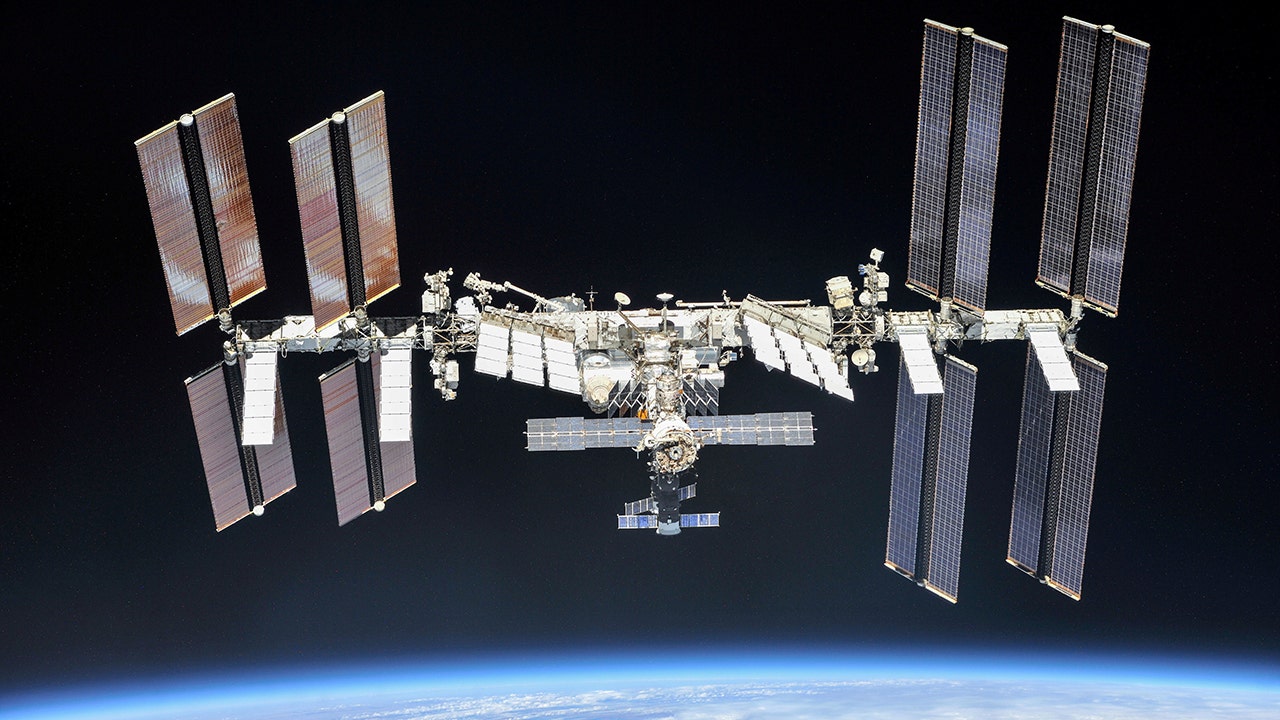
NASA's Aerospace Safety Advisory Panel (ASAP) has emphasized the importance of safely deorbiting the International Space Station (ISS) after its retirement in 2030, warning of potential catastrophe if the spacecraft were to make an uncontrolled reentry through Earth's atmosphere. The ASAP urged NASA to develop a space tug to deorbit the ISS, stating that it is not optional. The ISS is too massive and poses a significant hazard if it were to deorbit in an uncontrolled manner. NASA had previously suggested using Russia's Progress cargo spacecraft for deorbiting, but it is unclear if that option is still viable. The development of the proposed space tug has been allocated $180 million, but budget cuts may affect the plans.

space2 years ago

"NASA's $1 Billion Plan: Designing a Space-Tug to Retire and Bring Back the International Space Station"

NASA is seeking design proposals for a $1 billion space-tug, officially referred to as the U.S. Deorbit Vehicle, to safely take the aging International Space Station (ISS) out of orbit. The spacecraft will be focused on the final deorbit activity and must function on its first flight with redundancy and anomaly recovery capability. Industry members have until November 17 to submit their proposals. NASA plans to use commercial space stations for its low orbit efforts post-ISS.

space2 years ago

NASA's Ambitious $1 Billion Plan: Retrieving and Demolishing the ISS

NASA has unveiled a $1 billion plan to bring the International Space Station (ISS) back to Earth by 2031. The agency is seeking proposals for a "space tug" that can tow the ISS from its orbit and guide it towards a controlled re-entry into the Pacific Ocean. The phased retirement of the ISS is set to begin in 2026, with the station undergoing natural decay before a space tug nudges it out of orbit. The remnants will be directed towards Point Nemo, a designated area in the Pacific Ocean for spacecraft disposal. NASA is also exploring the development of a new space station in collaboration with private companies.

spaceflight2 years ago

NASA Seeks Innovative Solutions for International Space Station's Fiery Descent

NASA is seeking proposals from U.S. industry for a "space tug" to safely deorbit the International Space Station (ISS) in the early 2030s. The agency plans to use a U.S. Deorbit Vehicle (USDV) to steer the ISS into Earth's atmosphere. After the ISS program concludes, industry-led space stations will take over, and NASA wants a new spacecraft solution to provide more robust capabilities for responsible deorbit. The USDV will be responsible for deorbiting the U.S. segment, while the other international partners will handle their sections. Proposals for the USDV are due on Nov. 17.

space2 years ago

NASA's Future Plans: Space Tugs, Private Tenants, and Mission Prioritization

NASA has allocated $180 million in its 2024 budget request to begin developing a "space tug" that can safely de-orbit the International Space Station (ISS) and bring it down over the open ocean. The move comes as Russia's Roscosmos plans to leave the ISS earlier than expected to pursue its own orbital station. The ISS is currently scheduled for decommissioning in 2030, and Russia had planned to use robotic Progress vehicles to deorbit the station. NASA's space tug is expected to cost just under $1 billion, and the agency hopes it will be useful for other space transportation missions.

space2 years ago

NASA's Plans for ISS Replacement and Mars Sample Return Funding Threatened.

NASA has allocated $180 million in its 2024 budget request to develop a "space tug" that can safely de-orbit the International Space Station (ISS) over the open ocean. The ISS is scheduled for decommissioning in 2030, and Russia's Roscosmos was expected to provide robotic Progress vehicles to deorbit the station. However, Russia's desire to leave the station earlier has driven NASA to develop its own deorbit solution. The total cost of the space tug is expected to be much higher than $180 million.

space2 years ago

NASA's Plan to Build a Space Tug for Safe ISS Deorbiting

NASA wants to retire the International Space Station (ISS) by 2030 using a "space tug" to deorbit it and then let it burn up in a safe area in the Earth's atmosphere known as Point Nemo. The agency wants to use around $180 million to "initiate development" of its space tug plan, which would not involve actually building and deploying it. The current plan is to use an already existing spacecraft, Russia's Progress, an expendable cargo ship that resupplies the ISS. The US wants to develop its own plan "to have redundancy" as diplomatic relations between the US and Russia have deteriorated.

space2 years ago

NASA's ambitious plans for a deorbiting 'space tug' and Biden's budget proposal for NASA and Great Lakes Authority.

NASA's proposed budget for 2024 includes $180 million for developing a space tug to deorbit the International Space Station (ISS) by the end of 2030. The agency plans to call upon the private sector to come up with a concept to lower the orbit of the ISS so that it can reenter and burn up through Earth’s atmosphere. The budget also includes funding for the Artemis lunar program, maintaining a presence in low Earth orbit, and launching samples from the surface of Mars as early as 2030. The total cost of the space tug is estimated to be around $1 billion.