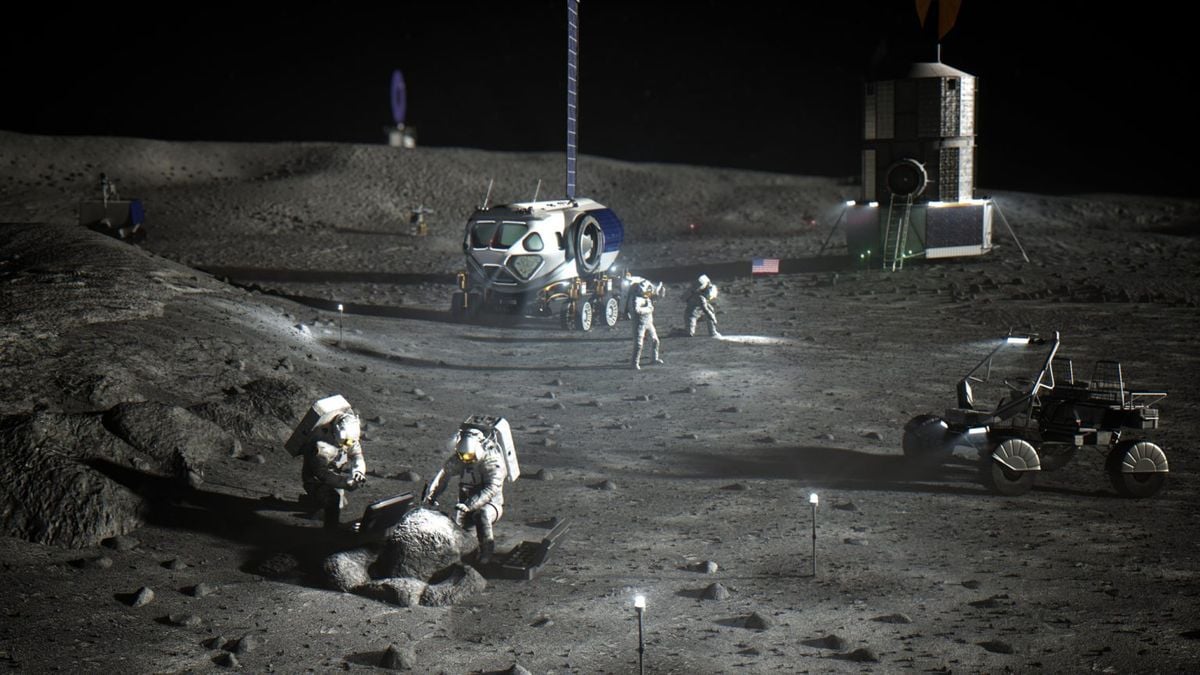
Rick Tumlinson, a prominent figure in the space industry, emphasizes the need for responsible human activity on the moon as it enters what some scientists call the "Lunar Anthropocene." He advocates for a balance between scientific study and the expansion of human civilization, stressing the importance of developing guidelines and norms to ensure sustainable and ethical practices on the moon. Tumlinson urges space leaders and enthusiasts to prioritize responsible lunar development and resource utilization, emphasizing the need to learn from past mistakes on Earth and create a culture of stewardship in space.
The Navajo Nation, led by President Buu Nygren, has requested a delay in a moon mission due to objections over plans to land human remains on the lunar surface. CNN's Victor Blackwell interviewed President Nygren to discuss the nation's concerns, which likely stem from cultural and ethical considerations regarding the treatment of human remains and the sanctity of celestial bodies.
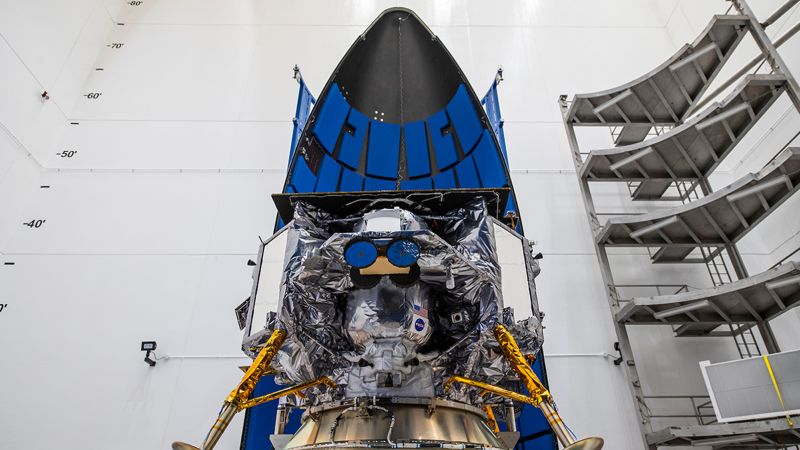
The Navajo Nation has objected to the US's plan to send a spacecraft with human cremated remains to the Moon, considering it a desecration of a sacred space. The Peregrine lander, set to launch on January 8, will carry scientific instruments and payloads from two companies, including the remains of notable individuals like Gene Roddenberry. Despite previous commitments to consult Native Americans on such matters, NASA has stated it has no control over private partner payloads. The Navajo Nation President has called for a delay in the launch, while the involved companies and NASA are in discussions about the cultural implications and future industry standards.
The White House held an urgent meeting to address the Navajo Nation's request to delay a private moon mission carrying human remains for a lunar burial, which they consider a desecration of a sacred site. The mission, Peregrine Mission One, would be the first American-made spacecraft to land on the moon since 1972. Navajo Nation President Buu Nygren emphasized the cultural significance of the moon and the inappropriateness of its use as a burial site. Despite the concerns, the companies involved, Celestis and Elysium Space, along with Astrobotic Technology, are proceeding with the launch, citing the mission as a celebration rather than desecration. The debate highlights the complexities of space exploration ethics and the need for regulatory oversight as commercial lunar activities increase.
Erika Nesvold, author of "Off-Earth", explores the ethical implications of humans moving into outer space and whether they can avoid bringing along Earthly problems such as environmental destruction and social injustice. Nesvold discusses the need to avoid the harms caused by colonialism and exploitation on Earth and the importance of labour and reproductive rights in space. She also emphasizes the need for diversity among astronauts and the importance of amplifying the voices of people from all around the globe in the conversation about space exploration.