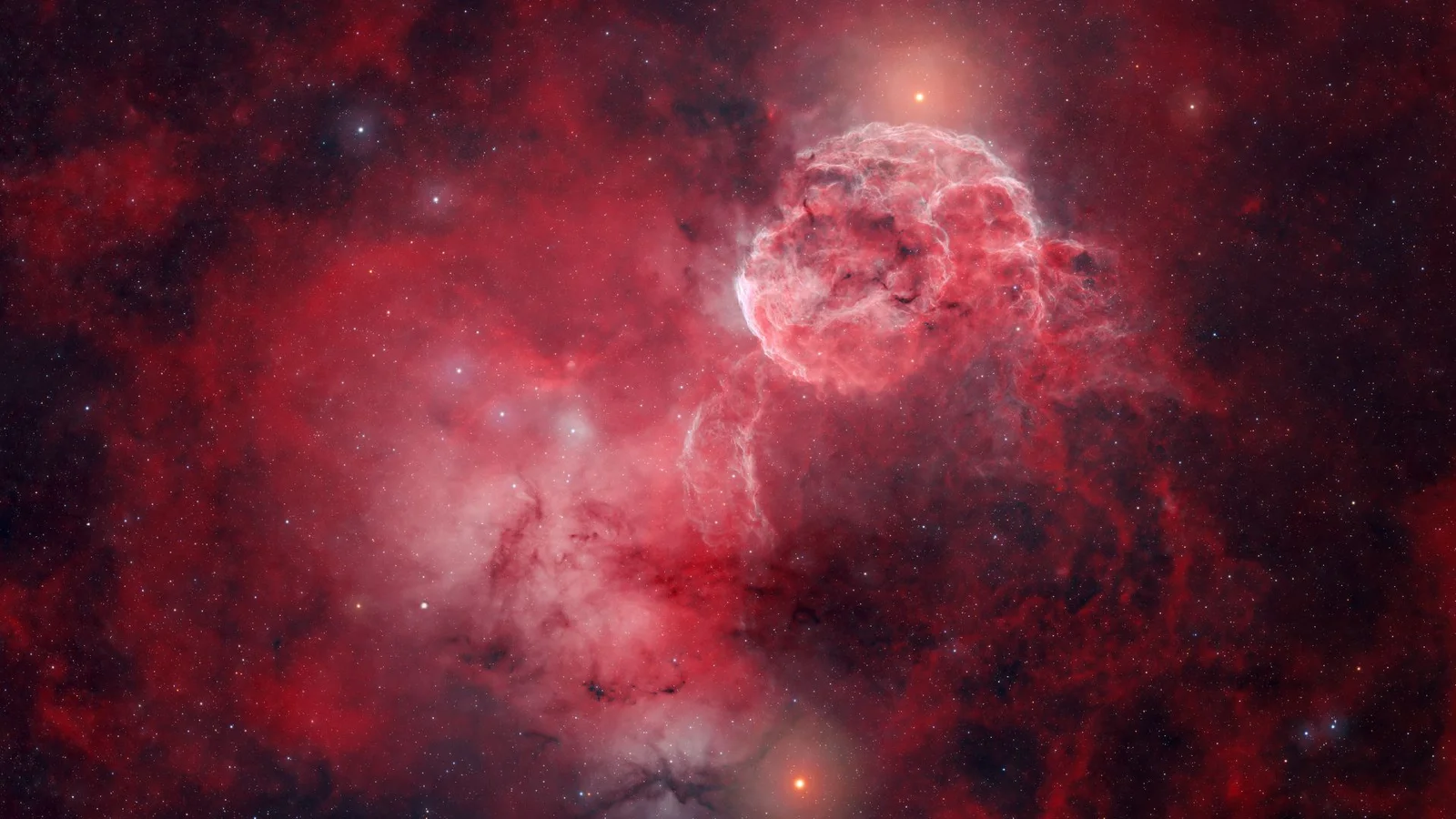
Space.com reports astrophotographer Ogetay Kayali captured IC 443—the Jellyfish Nebula—a 5,000‑light‑year‑old supernova remnant in Gemini near Propus. The image highlights the glowing hydrogen shell and intricate interstellar filaments, with a pulsar remaining from the explosion. Kayali notes the composition can resemble both a jellyfish and a brain, illustrating the remnant’s striking shell and its environment.
Space.com reports that the March 3, 2026 total lunar eclipse will be visible across much of the U.S. but sky conditions will vary. Best viewing prospects are in southeast New England, the Florida peninsula, the northern Rockies, Southwest deserts, Nevada, and much of California, while central and eastern states face cloudier conditions due to a stationary front and associated unsettled weather. Areas like Utah, Wyoming, Colorado, and parts of the Northern Plains to the Upper Midwest may see light rain or snow; a marine layer could also hide the Moon along the Pacific Northwest. In New York, New Jersey, Pennsylvania, and New England, clouds could move in late, potentially obscuring the eclipse depending on how fast they roll in. Totality begins at 6:03 a.m. ET and lasts 58 minutes. NOAA's sky-cover map provides a three-tier outlook (GOOD, FAIR, POOR) to help plan viewing, and local NWS updates or GOES imagery are recommended. If you miss it, the next total lunar eclipse over the U.S. won't occur until 2029, though livestreams are available for clouded-out observers.
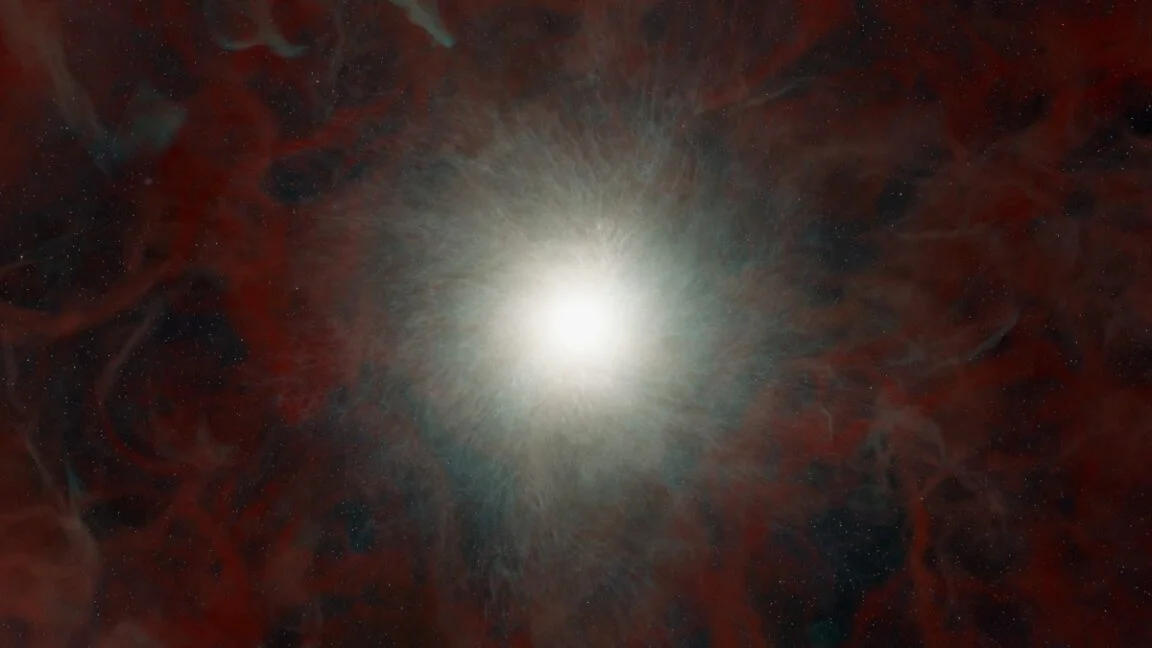
A six-story science roundup highlights Edison’s revived nickel‑iron battery for rapid recharge (but lower energy density), a star in Andromeda that collapsed directly into a black hole without a supernova, a snap-on ‘smart underwear’ sensor that tracks daily fart frequency, simulations explaining how Kuiper Belt contact binaries form, AI-assisted work proposing a possible ancient Roman board game called Ludos Coriovalli, and DishBrain’s neurons learning to play Doom with a Python-friendly interface.
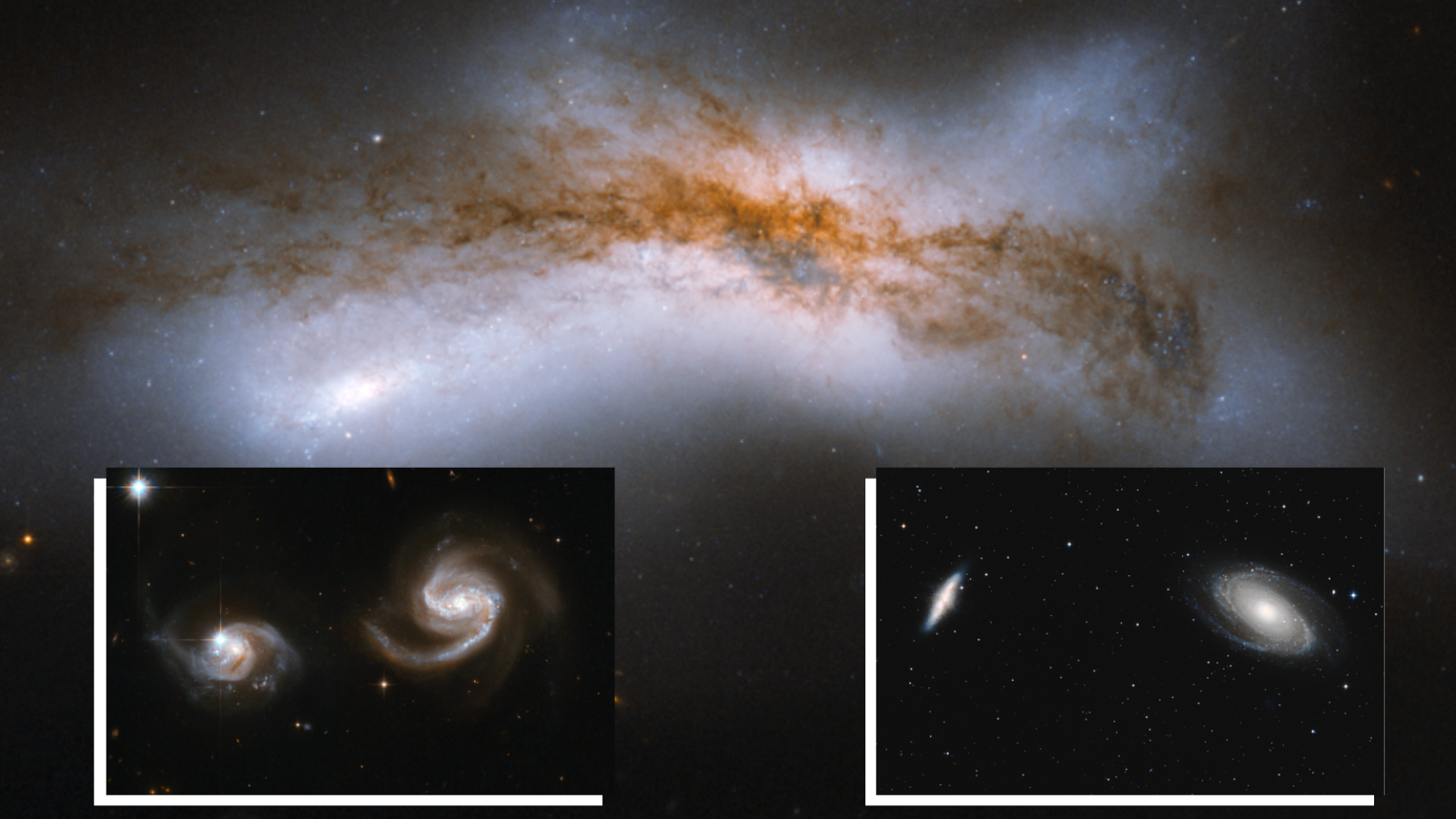
Recent research suggests that the likelihood of the Milky Way colliding and merging with the Andromeda galaxy in the next 10 billion years is only about 50%, a significant decrease from previous near certainty estimates, due to new data and more comprehensive modeling of galactic interactions.