space-astronomy52.4 min read
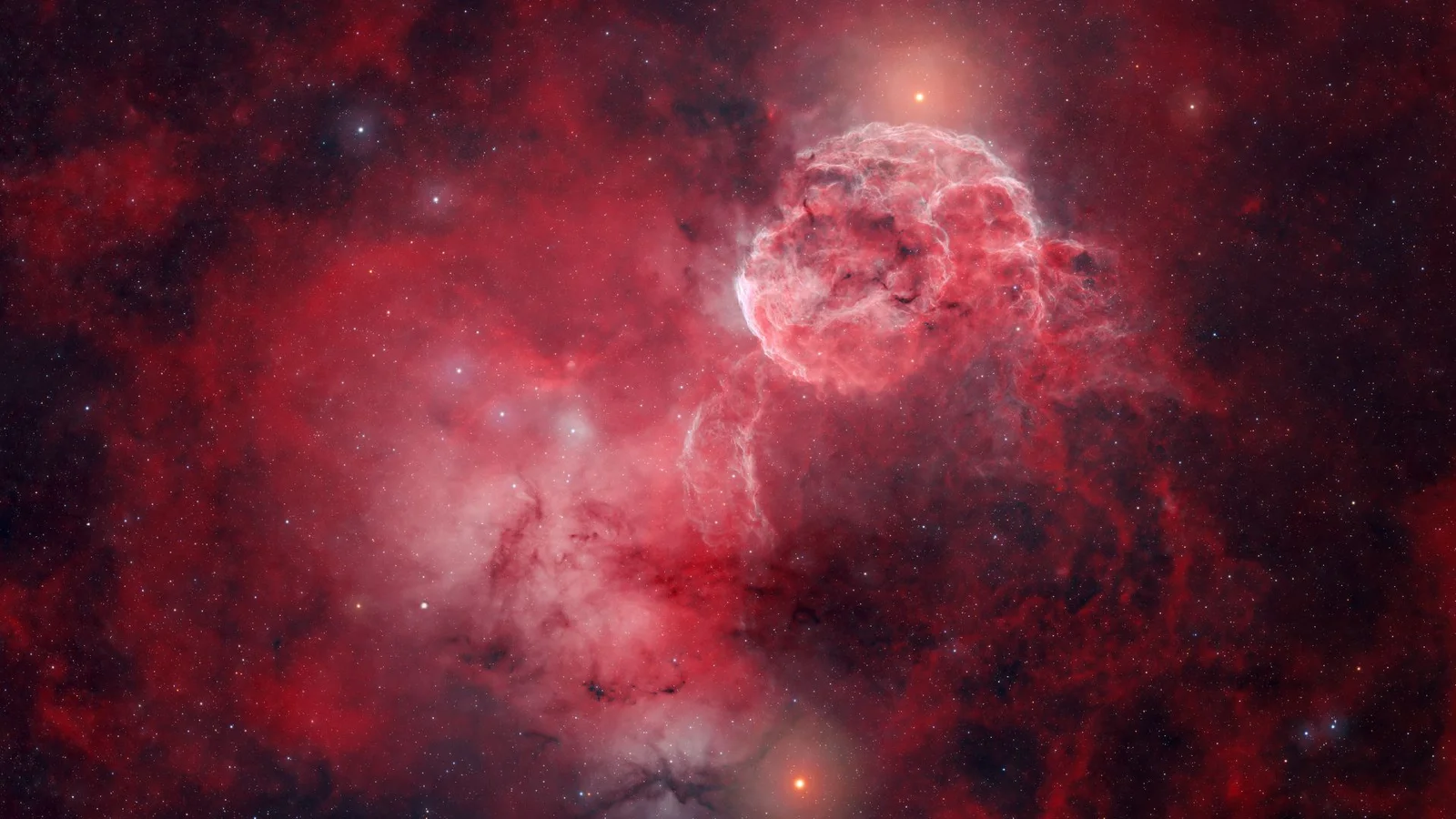
Jellyfish Nebula in Gemini Resembles a Brain in Brilliant Space Photo
4 hours ago•Source: Space

The latest space astronomy stories, summarized by AI

Space.com reports that the March 3, 2026 total lunar eclipse will be visible across much of the U.S. but sky conditions will vary. Best viewing prospects are in southeast New England, the Florida peninsula, the northern Rockies, Southwest deserts, Nevada, and much of California, while central and eastern states face cloudier conditions due to a stationary front and associated unsettled weather. Areas like Utah, Wyoming, Colorado, and parts of the Northern Plains to the Upper Midwest may see light rain or snow; a marine layer could also hide the Moon along the Pacific Northwest. In New York, New Jersey, Pennsylvania, and New England, clouds could move in late, potentially obscuring the eclipse depending on how fast they roll in. Totality begins at 6:03 a.m. ET and lasts 58 minutes. NOAA's sky-cover map provides a three-tier outlook (GOOD, FAIR, POOR) to help plan viewing, and local NWS updates or GOES imagery are recommended. If you miss it, the next total lunar eclipse over the U.S. won't occur until 2029, though livestreams are available for clouded-out observers.