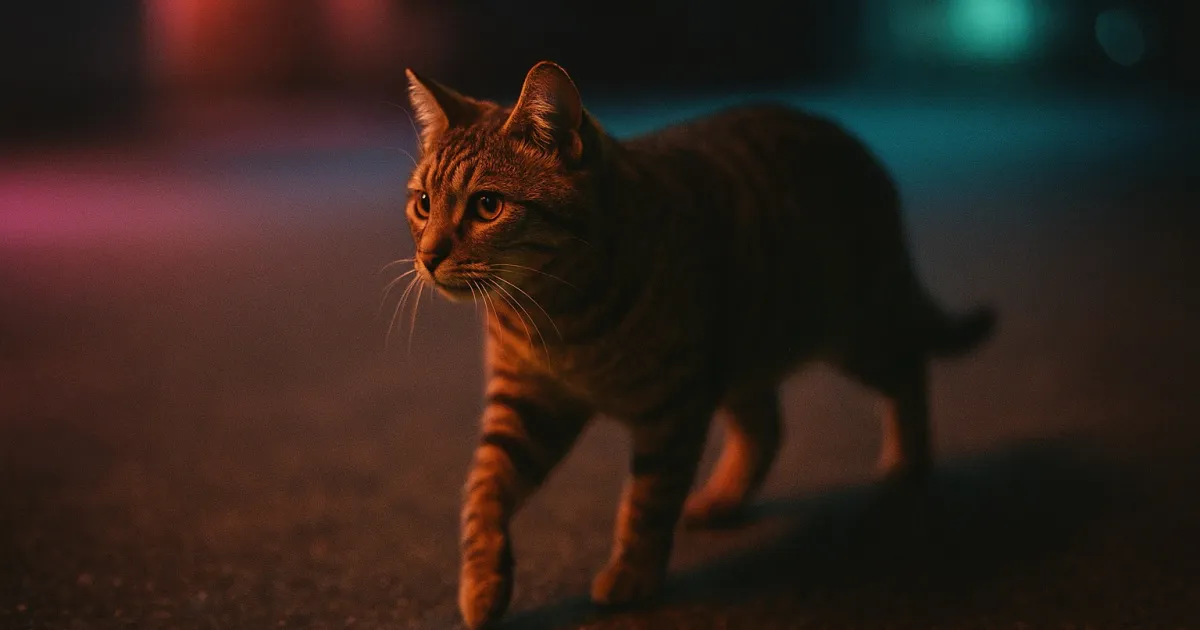
The article provides tips and tricks for creating high-quality videos using Sora 2, an AI video generation tool by OpenAI, emphasizing the importance of detailed prompts, cinematic tags, reference imagery, camera motion, and separate sound instructions to achieve the best results.
OpenAI's new Sora 2 video generation app has gone viral, raising questions about whether it poses a significant threat to Meta in the social media and video content space.
Originally Published 2 months ago — by Rolling Stone
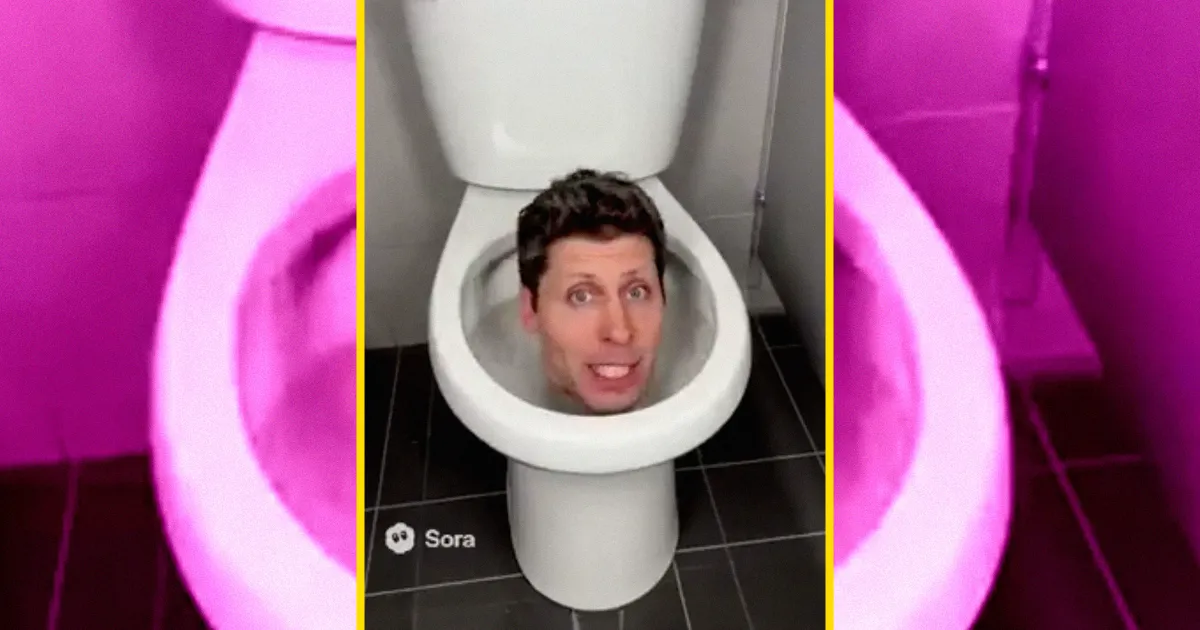
OpenAI's Sora 2 AI model can generate realistic videos, including deepfakes of celebrities, which are being exploited to create harmful and racist content, raising concerns about misinformation, privacy, and the challenges of content moderation in AI-generated media.
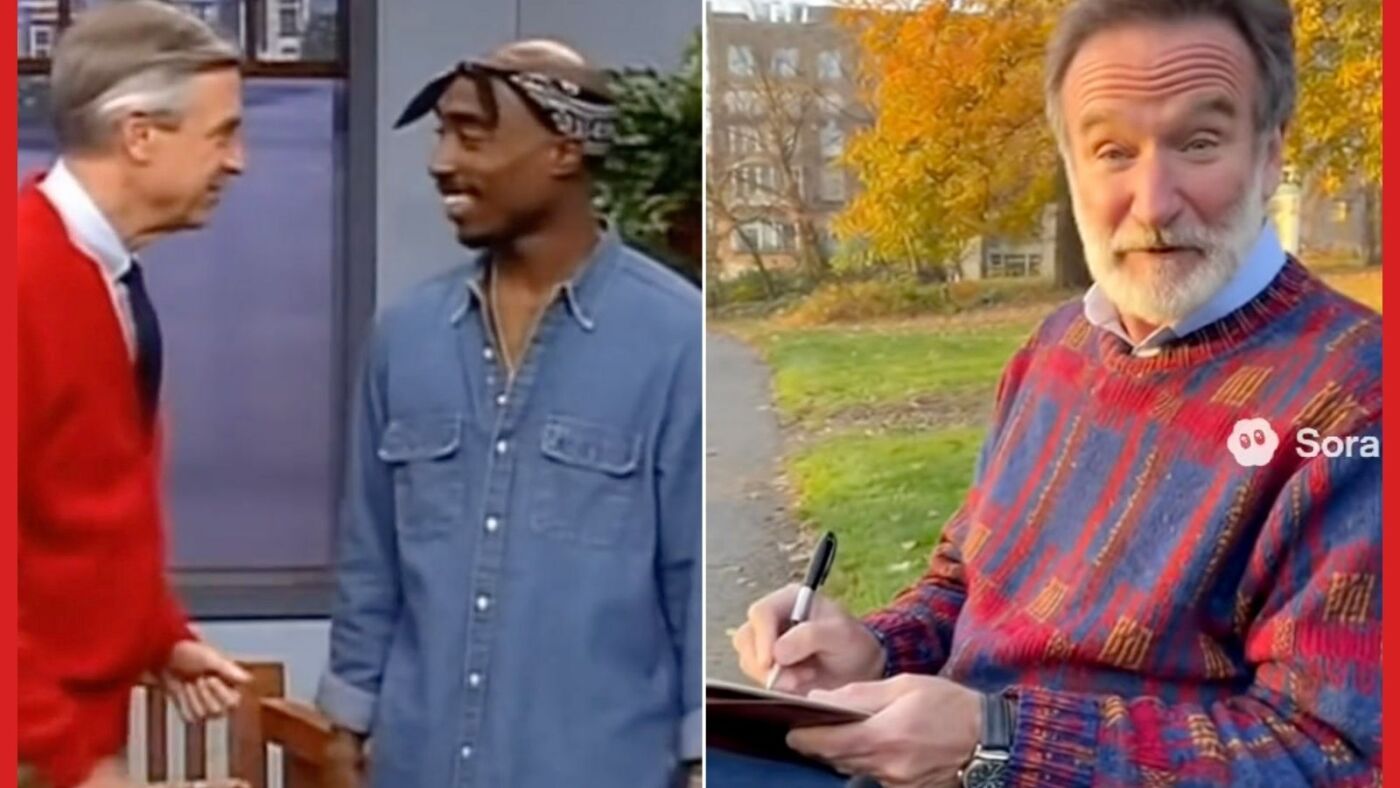
OpenAI's Sora 2 technology, capable of creating realistic AI-generated videos of historical figures and celebrities, has raised concerns in Hollywood over consent, copyright, and ethical issues. In response, OpenAI has implemented new policies, including an opt-in system for artists and plans to block certain content, following industry protests and legislative support for digital rights protections.
OpenAI's launch of Sora 2, an AI video generator, has caused controversy in Hollywood, with talent agencies accusing OpenAI of misleading them about the tool's capabilities and protections, leading to calls for legal action and concerns over copyright and likeness rights.
OpenAI's launch of Sora 2, a text-to-video app, has sparked controversy due to widespread copyright violations and misleading communication with Hollywood, leading to industry backlash, legal threats, and concerns over the company's approach to copyright law and industry partnerships.
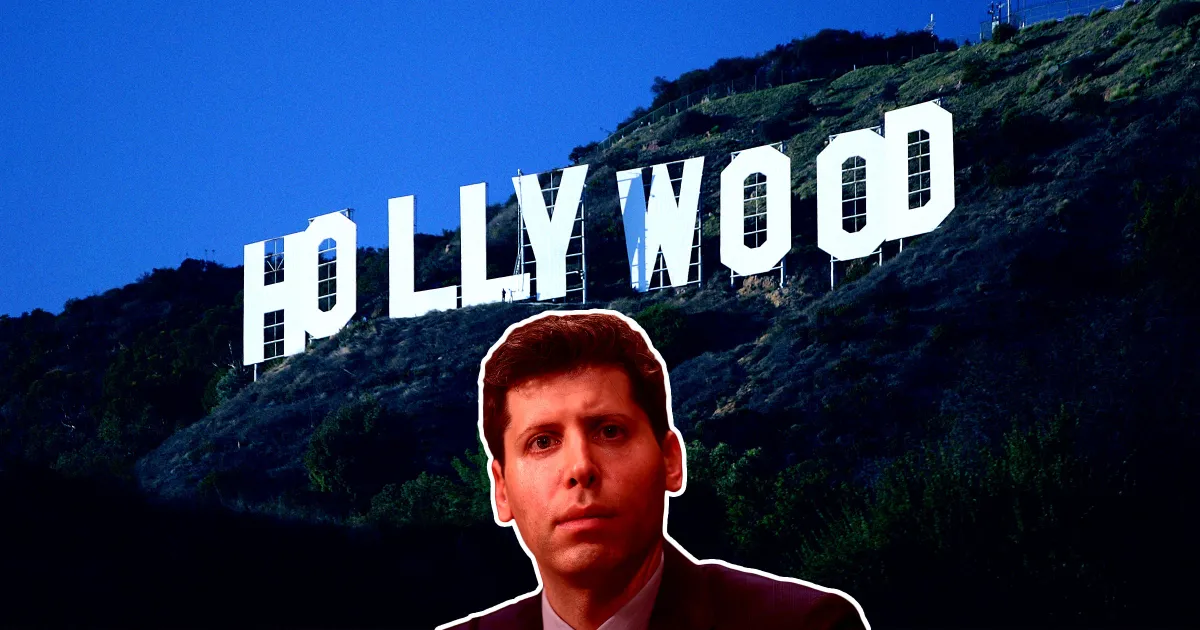
OpenAI, led by Sam Altman, engaged in controversial negotiations with Hollywood studios over the use of their intellectual property and likenesses in the AI video app Sora 2, with concerns about misleading practices, lack of clear guardrails, and potential legal battles as Hollywood pushes back against AI's encroachment on creative rights.
OpenAI launched Sora 2, a social media platform for AI-generated content, marking a significant shift in content creation and distribution, especially impacting comedians by increasing competition and changing marketing strategies amid concerns over authenticity and job security.
OpenAI's new app Sora 2, a text-to-video generator, quickly gained popularity but faced backlash due to copyright issues, leading to restrictions and legal threats from rights holders, causing frustration among users and raising concerns about future legal challenges for AI content creation.
Major Hollywood talent agencies like CAA, UTA, and WME are opposing OpenAI's new AI-powered video app Sora 2, citing risks to intellectual property, exploitation, and the need for control, permission, and compensation for creators. The agencies are calling for safeguards and expressing concern over the potential misuse of emerging technology in the entertainment industry.
Jake Paul has embraced the AI video app Sora 2, leading to a flood of AI-generated videos of him on TikTok, which he finds amusing despite some industry concerns about the use of likenesses and intellectual property. While Paul enjoys the publicity, others in Hollywood are worried about potential infringements and the ethical implications of AI-generated content of real people.
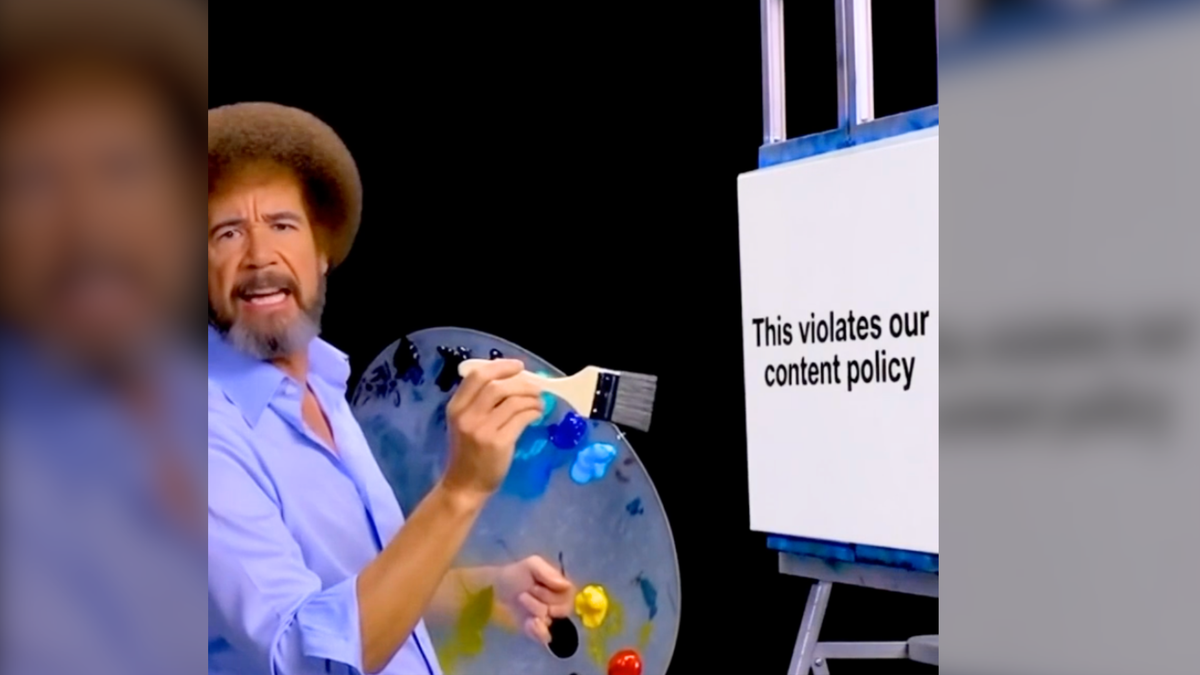
OpenAI's Sora 2 social media platform, launched recently for AI-generated images, has faced backlash due to strict guardrails that restrict generating copyrighted characters and public figures, leading to user frustration and protests, amid ongoing legal challenges against AI image generators for copyright infringement.
The article discusses the ethical and legal issues surrounding the use of AI to create deepfake videos of deceased individuals, highlighting concerns raised by Robin Williams' daughter and the capabilities of OpenAI's Sora 2 model, which allows for realistic deepfakes of both living and dead people without clear restrictions, raising questions about consent and the potential for misuse.
The Motion Picture Association has urged OpenAI to take immediate action to prevent copyright infringement on its Sora 2 app, which allows users to create videos using major studios' IP. The MPA emphasizes the importance of following established copyright laws and has called for OpenAI to implement better controls to protect creators' rights, especially after the app's launch led to widespread infringing content. OpenAI has responded by promising to give rights holders more control, signaling a potential shift in their approach amid legal pressures from Hollywood.
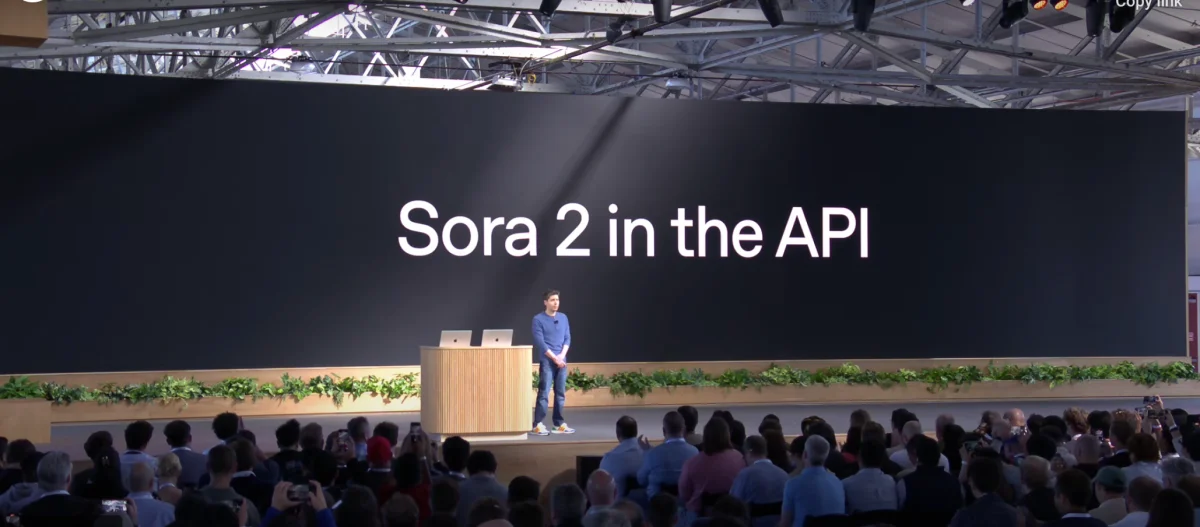
OpenAI announced new API updates including GPT-5 Pro, Sora 2 video generator, and a smaller, cheaper voice model to attract developers, with a focus on high-accuracy industries and enhanced multimedia capabilities.