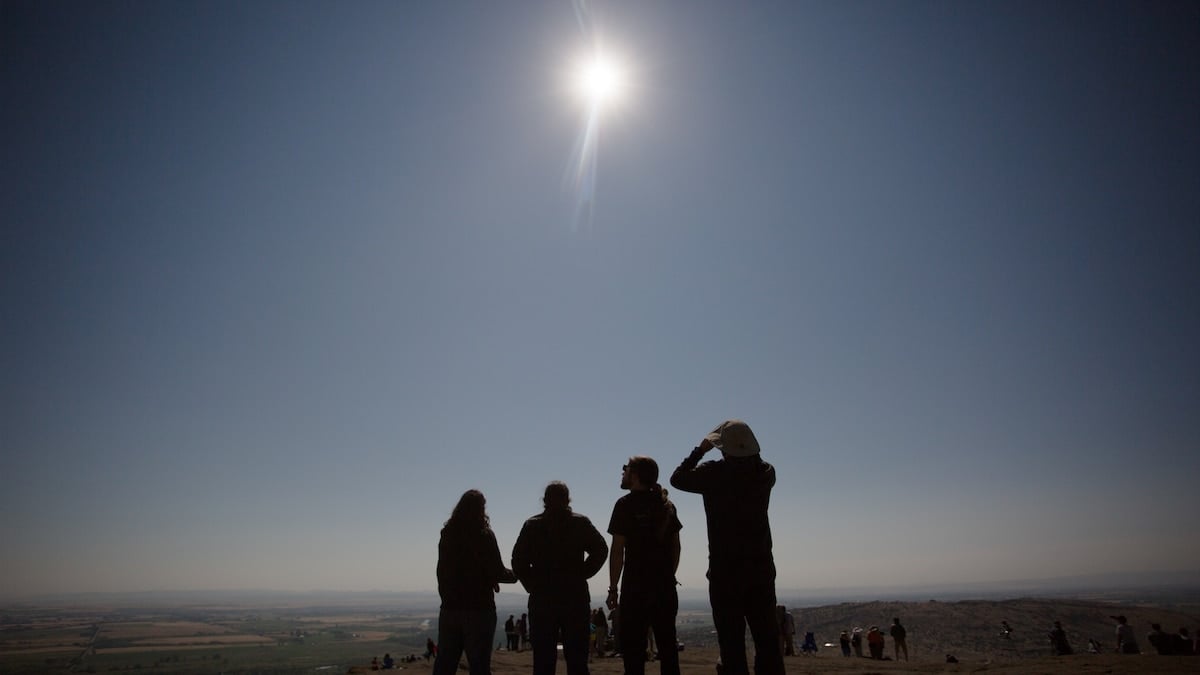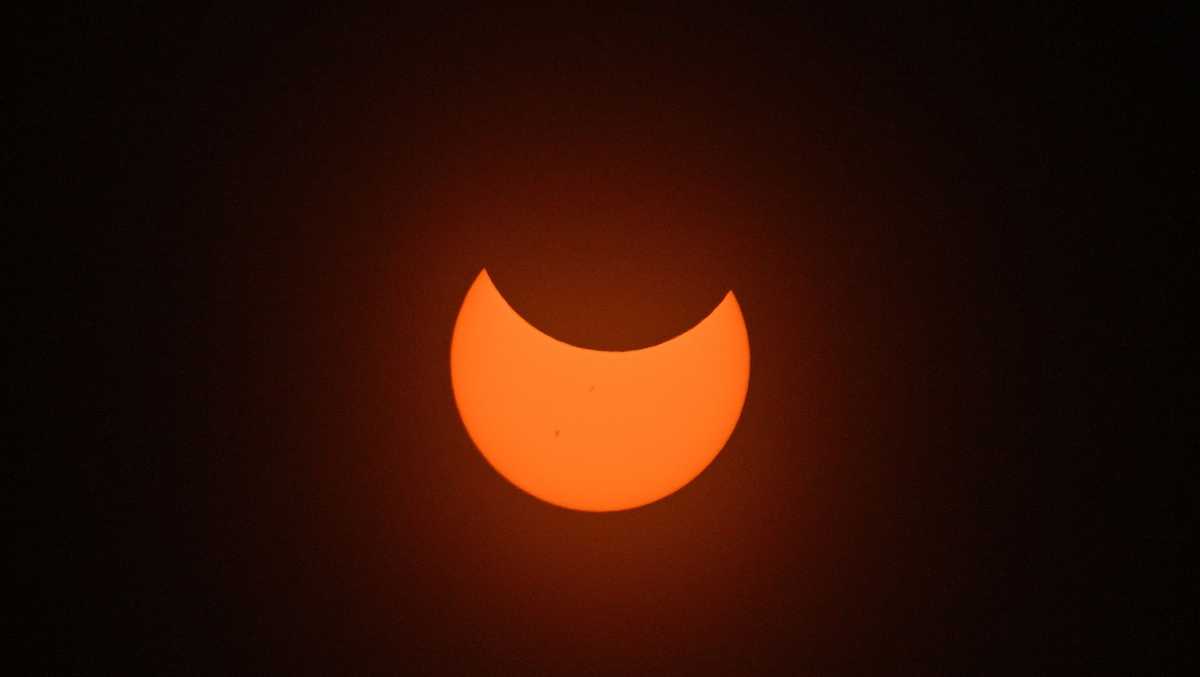
The next total solar eclipse is set to occur on Aug. 12, 2026 over Greenland, Iceland, Spain, Russia, and a small part of Portugal, with only a partial eclipse visible in North America. Travelers planning to witness totality overseas should check passport and visa requirements, as the path of totality mostly goes through visa-free destinations for U.S. passport holders. Beaches in Spain, Greenland, and Iceland offer unobstructed views, and cruise lines like Princess Cruises and Holland America Line are planning special sailings for eclipse viewing.
A New York woman suffered permanent eye damage after staring at the 2017 solar eclipse without proper eye protection, leading to blurred vision and dark spots. Doctors diagnosed her with acute solar retinopathy, a rare condition caused by gazing directly at the sun, and advised using certified eclipse-viewing glasses. The case study highlighted the need for better awareness of the risks of viewing the sun without protective eyewear, especially among young adults.
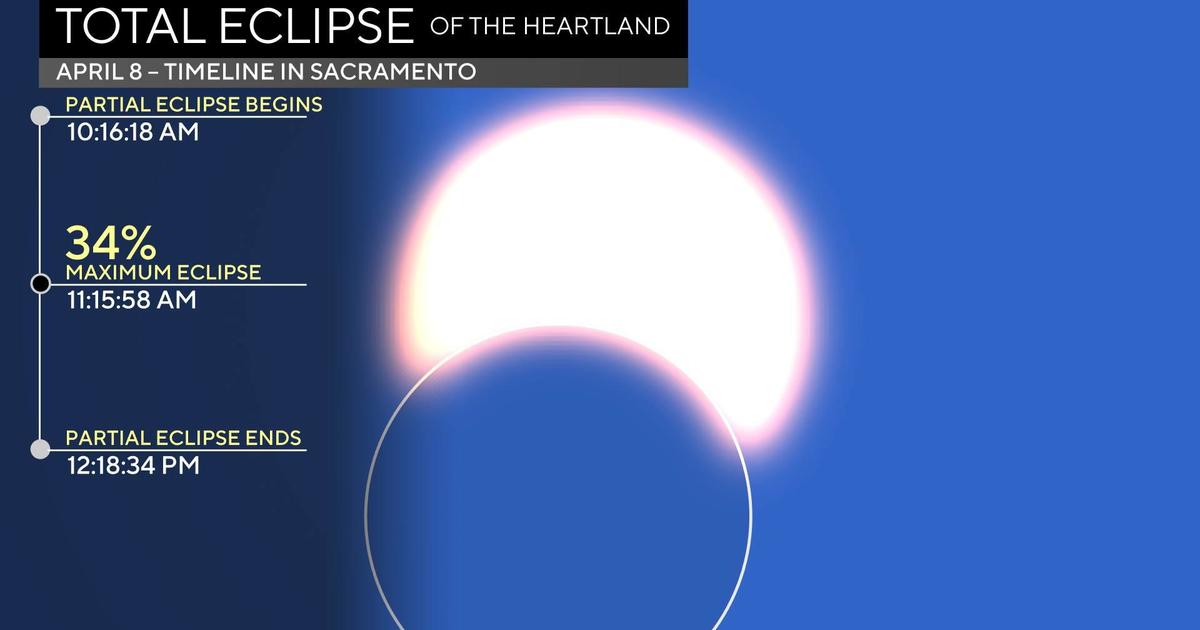
The 2024 solar eclipse will be a partial eclipse in Sacramento, with the peak occurring at 11:15 a.m. when 34 percent of the sun will be covered by the moon. Observers are advised to use certified solar viewing or eclipse glasses to protect their eyes. The next total solar eclipse in the US is predicted to occur on Aug. 23, 2044, with only three states touching the path of totality.
An updated map of the path of totality for the April 8 total solar eclipse has been released, affecting viewers in New York. Some areas previously on the edge of totality, such as Arkport, Dresden, Limestone, the southern half of Penn Yann, and Fayetteville, may not experience the full effect of the eclipse. However, places like Brockport remain directly in the path of totality, with totality lasting for 3 minutes and 43 seconds. NASA predicts the eclipse to be between 108 and 122 miles wide, covering a wide swath of the United States from Texas through Vermont. Ideal locations for viewing the eclipse in Rochester include open parks or waterfront areas with unobstructed views of the sky, and the Rochester Museum and Science Center is hosting a Roc the Eclipse Festival.
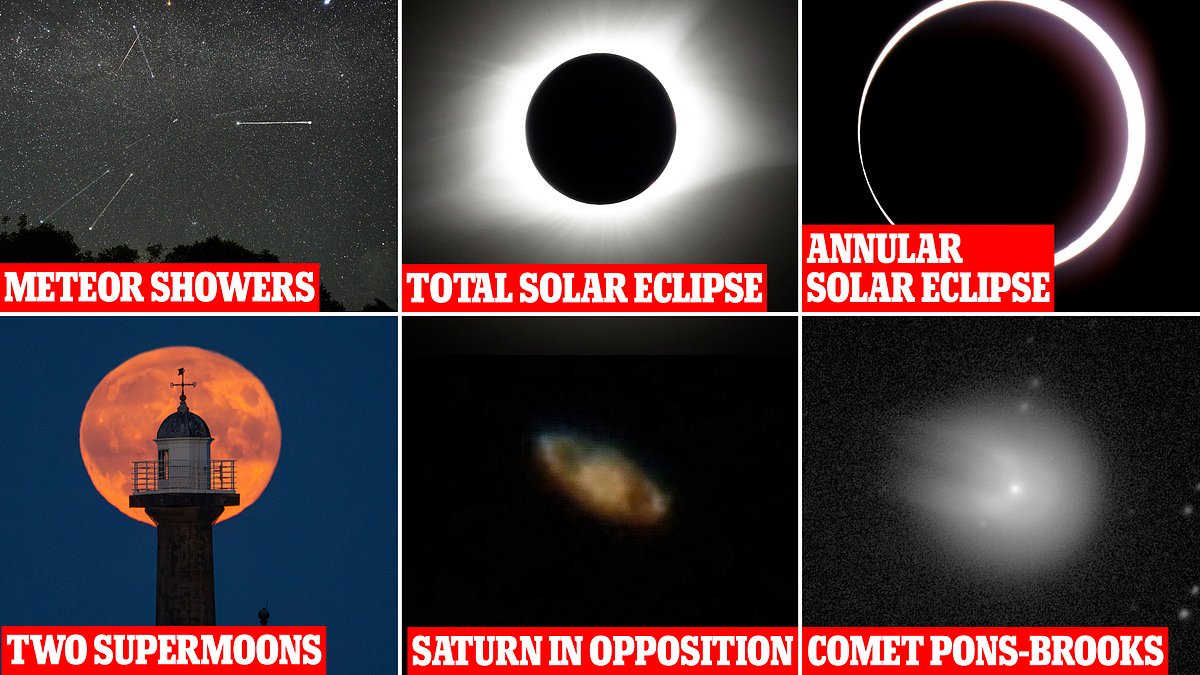
The year 2024 promises a plethora of astronomical events for skywatchers, including a total solar eclipse on April 8 visible across North America, 11 meteor showers with the Geminids being the most prolific, two supermoons, and Saturn in opposition on September 8 offering a great view of the ringed planet. Additionally, the comet Pons-Brooks will make a close approach to Earth, providing a unique viewing opportunity. These events offer an accessible and spectacular alternative to space tourism, with the best views available in dark skies away from light pollution.
The article provides tips for first-time eclipse chasers to avoid common mistakes during the upcoming total solar eclipse on April 8, 2024. Key advice includes ensuring you're within the path of totality, not obsessing over being on the centerline, checking weather forecasts for clear skies, staying put if you're already in the path, arriving early at your observation site, bringing binoculars, not fussing with cameras during totality, and being prepared for post-eclipse traffic. The article emphasizes the importance of planning and flexibility to fully experience the rare celestial event.
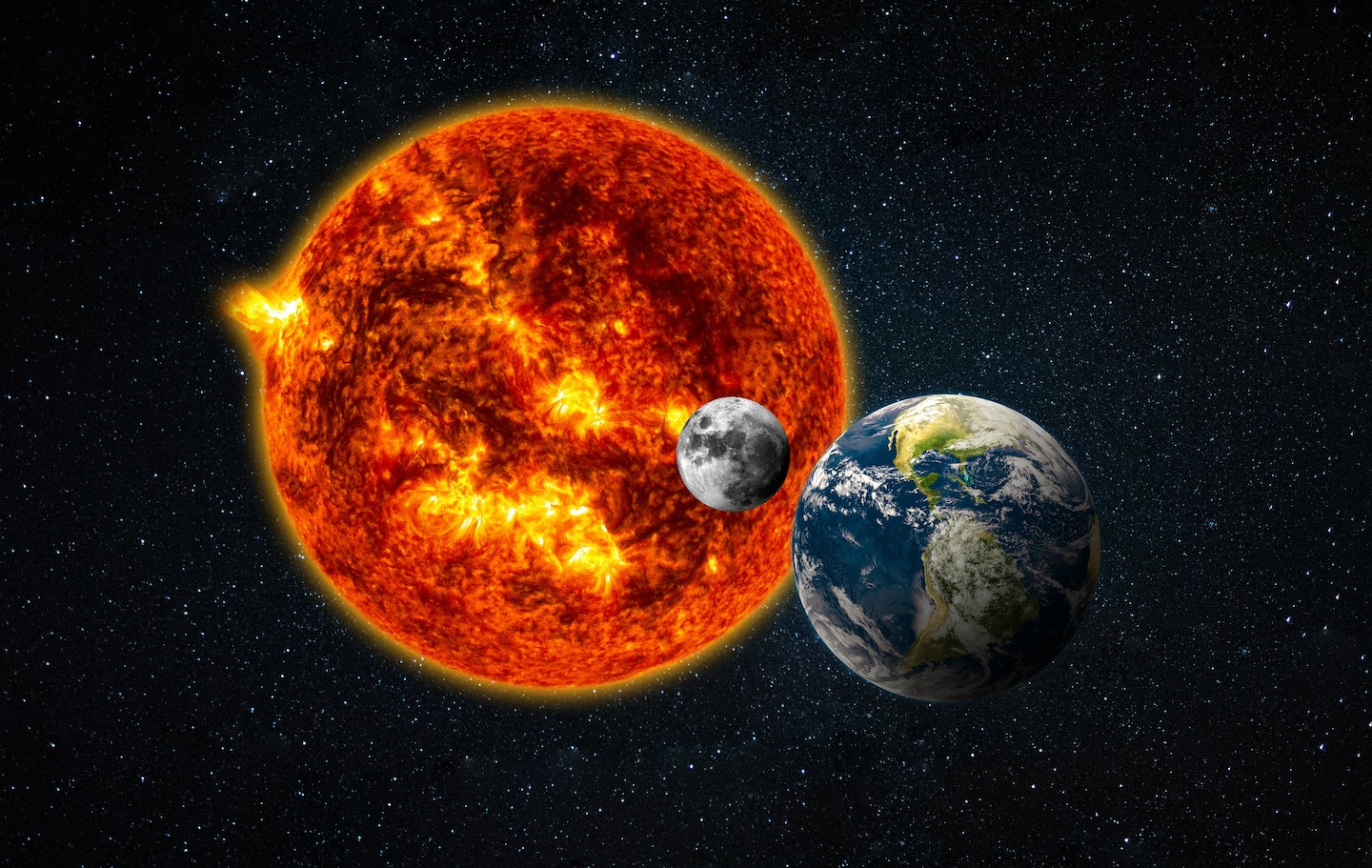
Total solar eclipses, a phenomenon where the moon completely blocks the sun's light, may cease to exist in about 600 million years due to the moon's gradual drift away from Earth at a rate of 3.8 centimeters per year. This slow separation, measured using laser beams reflected from panels left on the moon by Apollo missions, is a result of the conservation of angular momentum within the Earth-moon system. As Earth's rotation slows, the moon's orbit expands, eventually leading to only annular eclipses being visible from Earth. Future generations may witness a smaller moon and experience longer days and weaker tides as a consequence of these celestial dynamics.
The year 2024 is set to be a spectacular one for astronomical events, with the Great North American Solar Eclipse on April 8 being a highlight, especially for viewers in Rochester, NY, which lies in the path of totality. In addition to the solar eclipse, there will be two lunar eclipses, twelve meteor showers, and a full moon each month, offering skywatchers numerous opportunities to witness the marvels of the cosmos. Key meteor showers include the Perseids and Geminids, while full moons will carry traditional names like the Wolf Moon and Harvest Moon. This celestial calendar is a call to stargazers to connect with the universe and enjoy the natural wonders above.
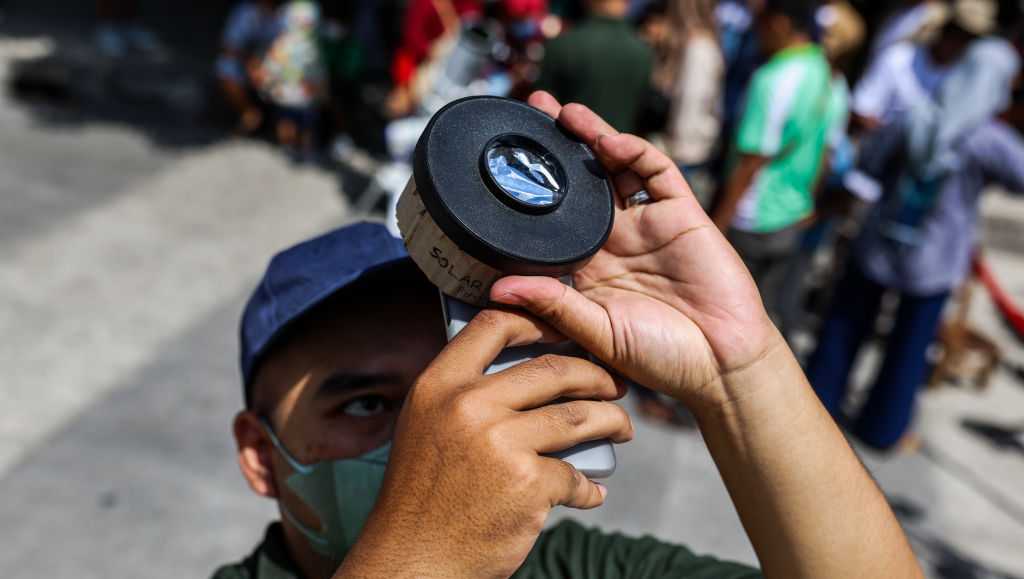
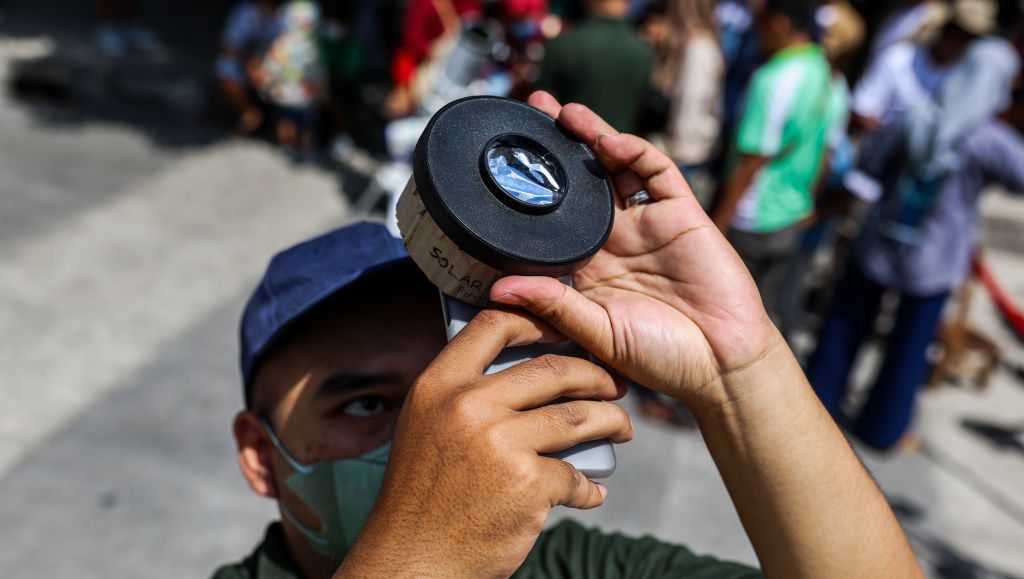
To safely view the Great American Eclipse of 2024 with devices like phones, cameras, binoculars, or telescopes, it's essential to use solar filters. The American Astronomical Society lists reputable sources for these filters, which are necessary to prevent eye damage. Products like Celestron's filtered telescopes and binoculars, Solar Snap for smartphones, and B&H Photo & Video's camera filters are recommended. These filters allow for the safe observation and photography of the eclipse, enhancing the viewing experience without the need for expensive, specialized equipment.
To safely view the Great American Eclipse of 2024 with devices like phones, cameras, binoculars, or telescopes, it's essential to use solar filters. The American Astronomical Society lists reputable sources for these filters, which are necessary to prevent eye damage. Products like Celestron's filtered telescopes and binoculars, Solar Snap for smartphones, and B&H Photo & Video's camera filters are recommended. These filters allow for the safe observation and photography of the eclipse, enhancing the viewing experience without the need for expensive specialized equipment.
The total solar eclipse on April 8, 2024, offers a rare spectacle across North America, with the path of totality passing through Mexico, the U.S., and Canada. Key viewing tips include choosing a location directly in the path of totality, considering weather prospects for clear skies, and planning accommodations and transportation well in advance. Texas cities like San Antonio, Dallas, and Austin are prepared for the influx of visitors with numerous hotel rooms and events. Other notable locations include Russellville, Arkansas for eclipse-themed weddings, Booneville and Paris, Arkansas for camping, Indianapolis for NASA expert access, Ohio for family-friendly activities, and Rochester, New York for museum experiences. Safety is paramount, with eclipse glasses required during the partial phases, and experts recommend soaking in the experience visually rather than focusing solely on capturing it through photography.
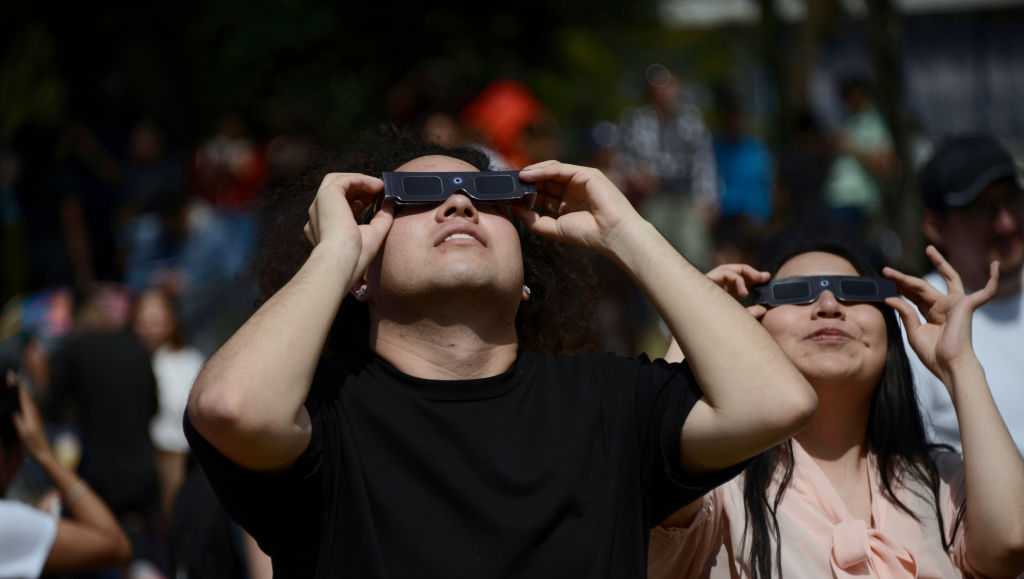
As North America prepares for a total solar eclipse on April 8, it's crucial to have proper eye protection. The American Astronomical Society provides a list of reputable manufacturers for solar eclipse glasses. Options include Alpine Astronomical AstroSolar glasses, American Paper Optics, Celestial Optical EclipseGuard, Celestron EclipSmart, Rainbow Symphony, Lunt Solar Systems, Solar Snap Eclipse App Kit, and DayStar Filters. Consumers are cautioned against unverified products, especially those falsely claiming NASA approval, and are advised to cross-reference sellers with the Society's list to ensure safety.
With a total solar eclipse occurring on April 8 across North America, it's essential to have proper eye protection for viewing. The American Astronomical Society provides a list of reputable manufacturers for solar eclipse glasses, cautioning against untested products from marketplaces like Amazon or eBay. Featured products include Alpine Astronomical AstroSolar glasses, American Paper Optics, Celestial Optical EclipseGuard, and more, with prices ranging from $13 to $86. Consumers are advised to verify sellers against the Society's list and to ignore false claims of NASA approval, as NASA does not endorse products.
As North America prepares for a total solar eclipse on April 8, it's crucial to have proper eye protection. The American Astronomical Society provides a list of reputable manufacturers for solar eclipse glasses, cautioning against untested products from marketplaces like Amazon or eBay. Notable options include Alpine Astronomical AstroSolar glasses, American Paper Optics, and Celestron EclipSmart, among others. Consumers are advised to ensure sellers are verified and to disregard false claims of NASA approval, as the agency does not endorse products.
The year 2024 promises a spectacular array of celestial events for stargazers, including full moons, supermoons, meteor showers, and a total solar eclipse visible across North America on April 8. Increased solar activity is expected to peak, potentially affecting technology on Earth but also enhancing auroral displays. Notable meteor showers like the Quadrantids, Perseids, and Geminids will occur throughout the year, alongside various lunar and solar eclipses, offering numerous opportunities for skywatching.