Tag

Eclipse2024

All articles tagged with #eclipse2024

"2024 Total Solar Eclipse: Spectacular Views from Space and Earth"

Originally Published 1 year ago — by ScienceAlert

Featured image for "2024 Total Solar Eclipse: Spectacular Views from Space and Earth"
Source: ScienceAlert

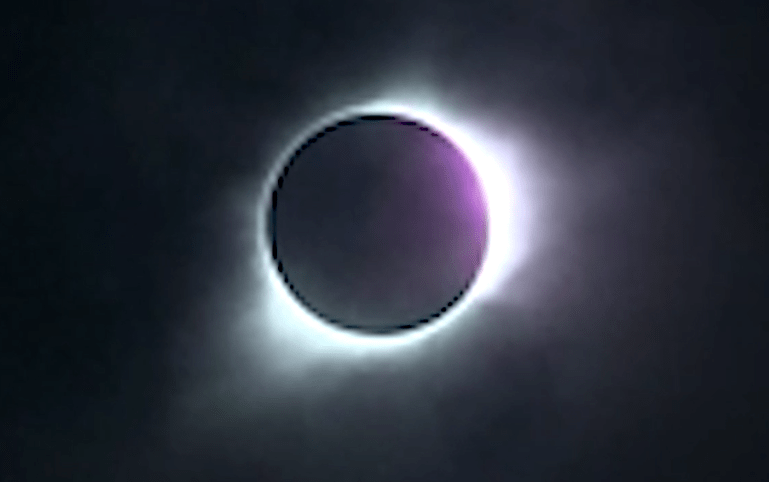
NASA astronauts aboard the International Space Station captured stunning video footage of the 2024 total eclipse, providing a unique perspective unaffected by clouds. The ISS was strategically positioned for the event, and the National Oceanic and Atmospheric Administration compiled an animation from geostationary weather satellite images. The next total eclipse in the contiguous US won't occur for another 20 years, but Greenland, Iceland, Spain, Russia, and Portugal will experience one in 2026. With NASA's plans for a lunar base, there's potential for future eclipse views from the Moon's surface.

"2024 Solar Eclipse: Where to Witness the Rare and Amazing Totality Safely"

Originally Published 1 year ago — by USA TODAY

Featured image for "2024 Solar Eclipse: Where to Witness the Rare and Amazing Totality Safely"
Source: USA TODAY

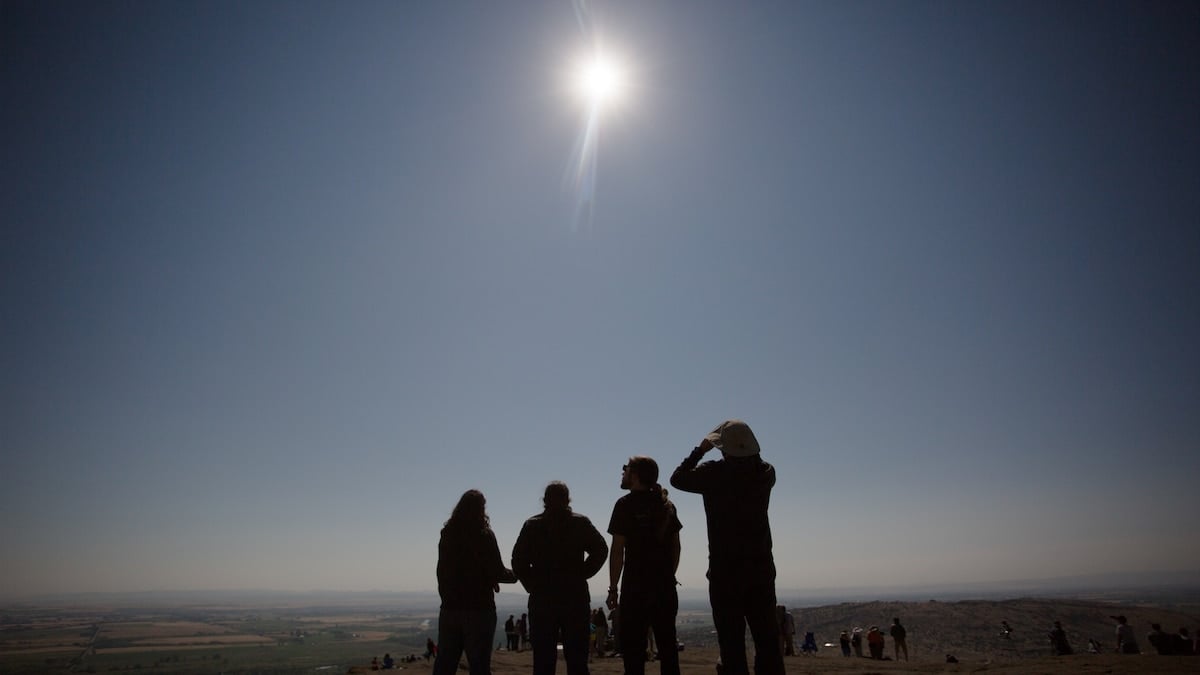
A rare total solar eclipse is set to occur on April 8, the last in North America for 20 years, with the path of totality passing over portions of Mexico, the United States, and ending in Canada. The eclipse will be especially unique due to the sun's peak activity, making its corona more visible, and the moon appearing larger, resulting in longer periods of darkness. Major cities along the path include Dallas, Little Rock, Cleveland, and Buffalo, with totality occurring at different times throughout the day. Safety eyewear is essential for viewing the eclipse.

"Top Cities and Essential Tips for Viewing the 2024 Total Solar Eclipse"

Originally Published 2 years ago — by National Geographic

Featured image for "Top Cities and Essential Tips for Viewing the 2024 Total Solar Eclipse"
Source: National Geographic

The total solar eclipse on April 8, 2024, offers a rare spectacle across North America, with the path of totality passing through Mexico, the U.S., and Canada. Key viewing tips include choosing a location directly in the path of totality, considering weather prospects for clear skies, and planning accommodations and transportation well in advance. Texas cities like San Antonio, Dallas, and Austin are prepared for the influx of visitors with numerous hotel rooms and events. Other notable locations include Russellville, Arkansas for eclipse-themed weddings, Booneville and Paris, Arkansas for camping, Indianapolis for NASA expert access, Ohio for family-friendly activities, and Rochester, New York for museum experiences. Safety is paramount, with eclipse glasses required during the partial phases, and experts recommend soaking in the experience visually rather than focusing solely on capturing it through photography.

"2024's Celestial Spectacle: Eclipses, Moon Missions, and Must-See Sky Events"

Originally Published 2 years ago — by Space.com

Featured image for "2024's Celestial Spectacle: Eclipses, Moon Missions, and Must-See Sky Events"
Source: Space.com

The total solar eclipse on April 8, 2024, is expected to draw massive crowds, with Texas, Indiana, and Ohio predicted to be the most visited states. Texas alone may receive over a million visitors due to its longer duration of totality and higher chances of clear skies. Eclipse cartographer Michael Zeiler's analysis, based on GIS software and census data, suggests that major cities within the path of totality, like Dallas and Indianapolis, as well as rural areas with dark skies, will see significant influxes of people. Eclipse enthusiasts are advised to plan ahead for travel and accommodations, considering weather forecasts and traffic predictions.

"Top Astronomy Spectacles of 2024: Eclipses, Meteor Showers, and Star-Gazing Highlights"

Originally Published 2 years ago — by Space.com

Featured image for "Top Astronomy Spectacles of 2024: Eclipses, Meteor Showers, and Star-Gazing Highlights"
Source: Space.com

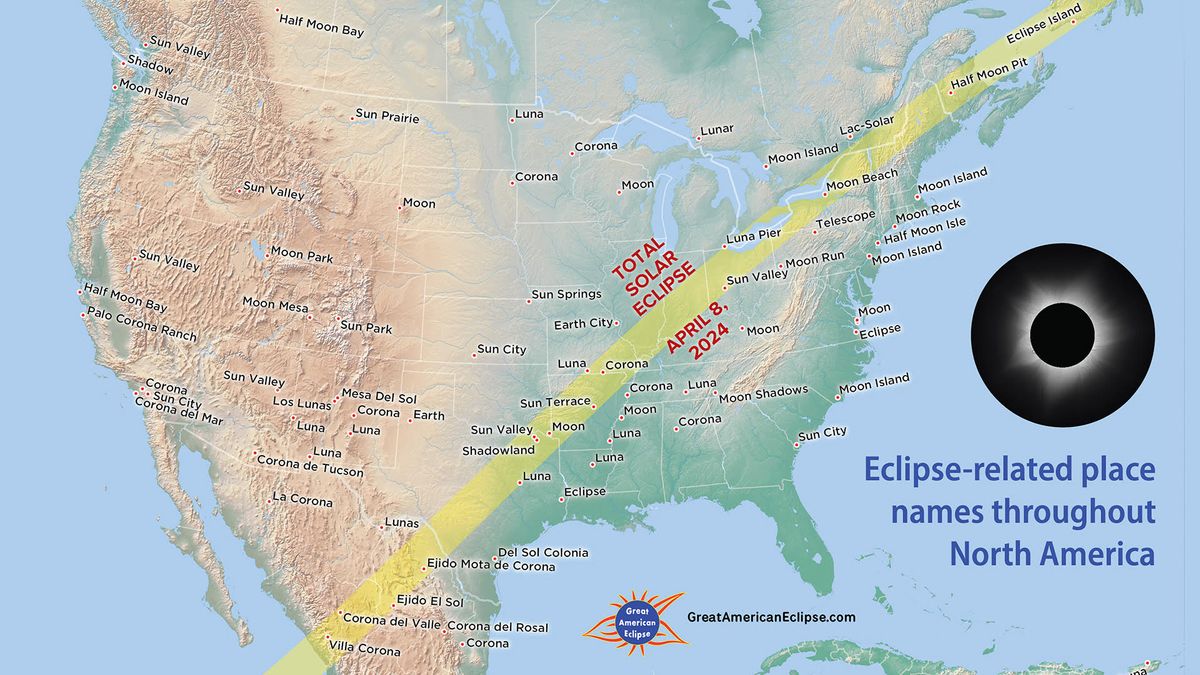
On April 8, 2024, a total solar eclipse will be visible across North America, with the path of totality passing through several eclipse-themed locations such as Shadowland, Texas, and Moon Beach, New York. Observers within the 115-mile-wide path can experience daytime darkness and view the sun's corona directly, but only during the brief period of totality. Outside of totality, viewers must use proper solar filters to safely watch the eclipse. The path will stretch from Mexico to Newfoundland, Canada, with various durations of totality depending on the location.

"Mark Your Calendars: The Must-See Total Solar Eclipse and Other Stellar Phenomena of 2024"

Originally Published 2 years ago — by WKRN News 2

Featured image for "Mark Your Calendars: The Must-See Total Solar Eclipse and Other Stellar Phenomena of 2024"
Source: WKRN News 2

Nashville and surrounding regions are preparing for another significant astronomical event: a total solar eclipse on April 8, 2024. This celestial spectacle will darken skies from Texas to northern New England, with cities within a four-hour drive from Nashville, such as Little Rock and Indianapolis, experiencing totality. Middle Tennessee and Southern Kentucky will witness a near-total eclipse with 90-95% coverage. Observers are reminded to use proper eclipse glasses to safely enjoy the event. More information is available at GreatAmericanEclipse.com.

"Top US Destinations and Events for the April 2024 Total Solar Eclipse Countdown"

Originally Published 2 years ago — by WMUR Manchester

Featured image for "Top US Destinations and Events for the April 2024 Total Solar Eclipse Countdown"
Source: WMUR Manchester

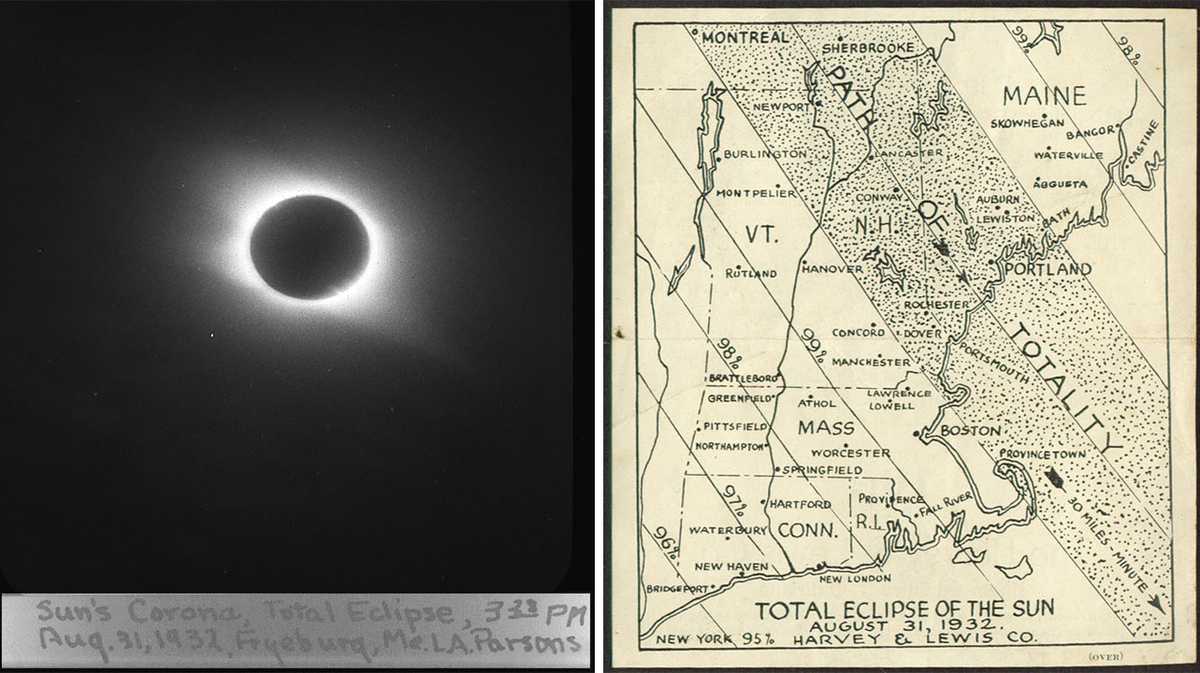
New Hampshire is preparing for a total solar eclipse on April 8, 2024, which will be the state's first since 1959. The eclipse's path of totality will include northern New Hampshire, offering a peak view at around 3:30 p.m. with totality lasting approximately 3 minutes and 30 seconds. The rest of the state will experience at least 95% coverage. This event is expected to attract many tourists, and the governor has officially designated the day as Solar Eclipse Day. The next total solar eclipse visible from New Hampshire will not occur until May 1, 2079.