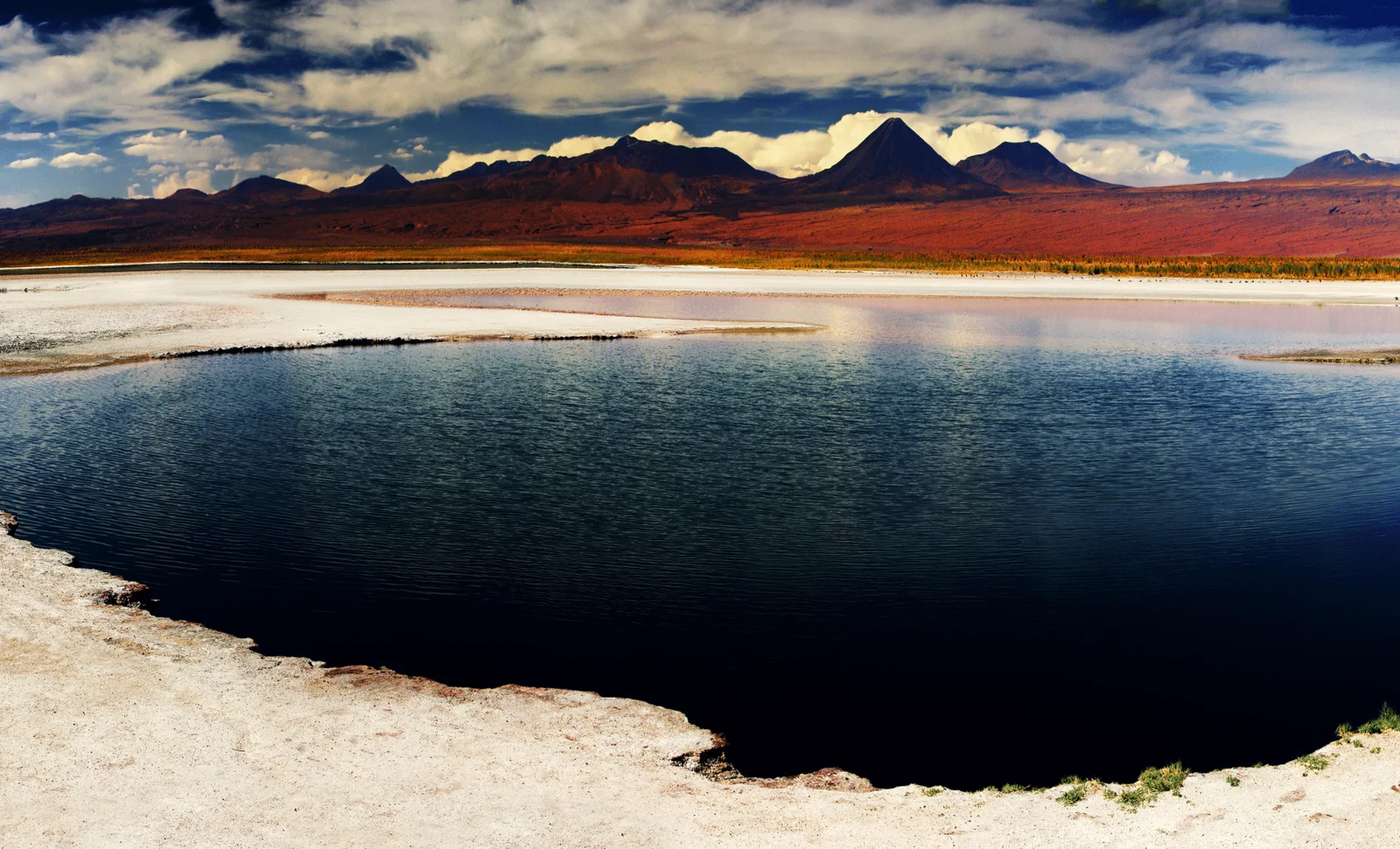
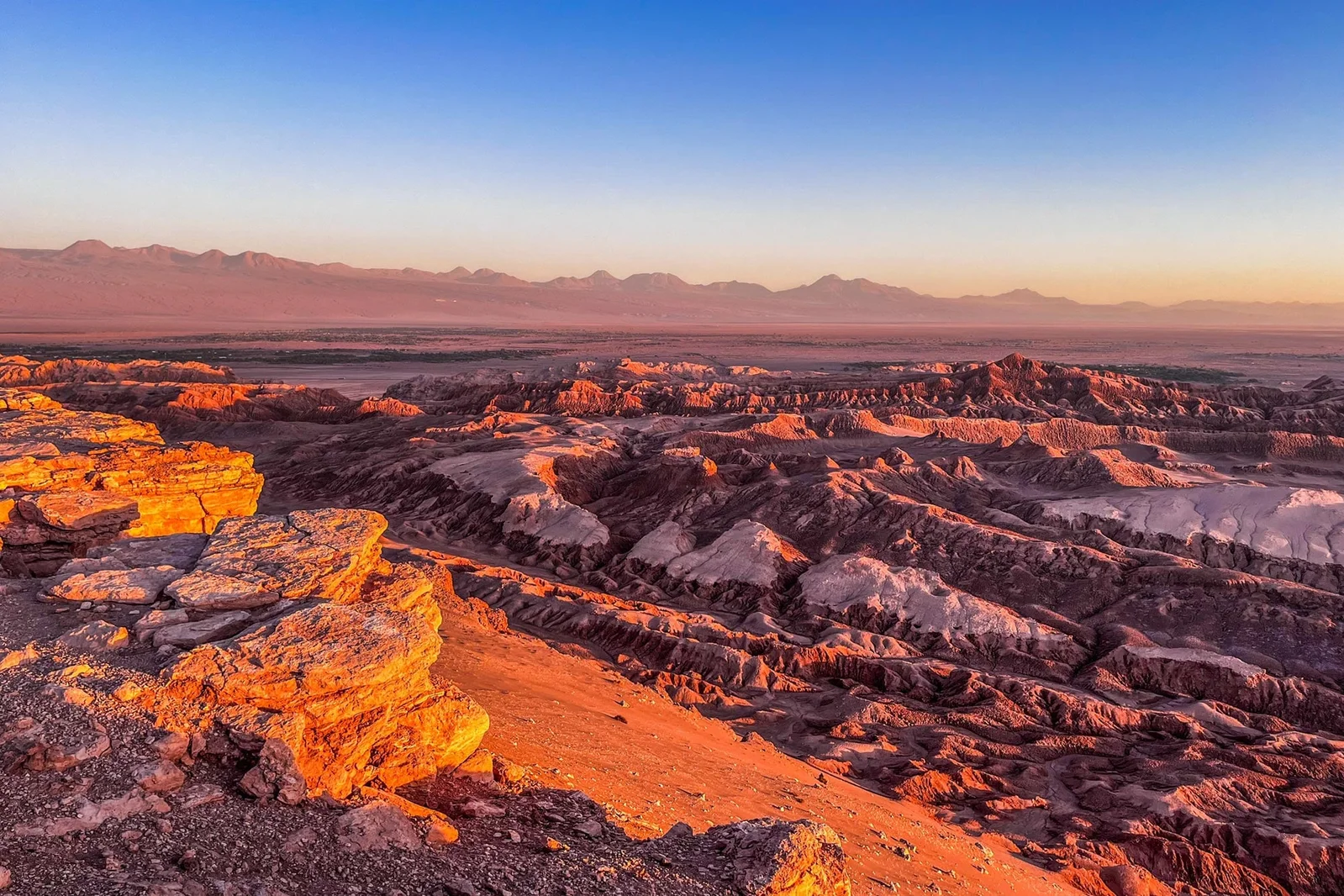
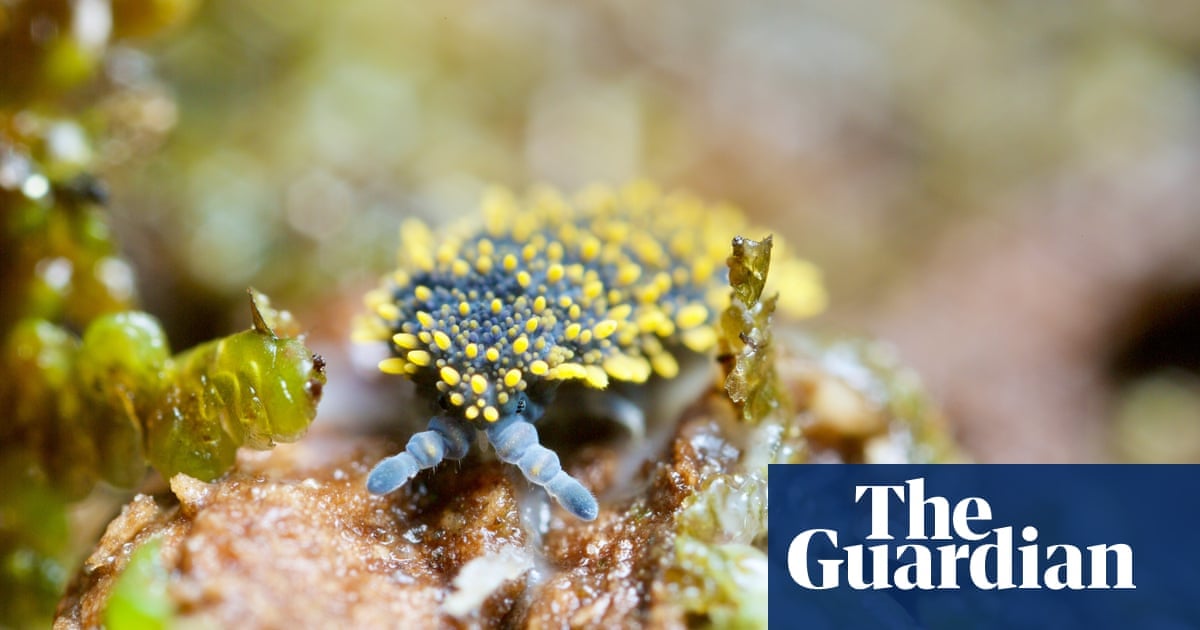
Scientists studying the Atacama Desert discovered thriving nematode communities beneath the surface, showing how multicellular soil life adapts to extreme dryness and salinity, contributing to nutrient cycling and offering insight into biodiversity and climate-change impacts in arid ecosystems.
An international study across six Atacama sites finds diverse nematode communities persisting in ultra-dry soils; higher elevations favor parthenogenetic (asexually reproducing) species, while more water boosts biodiversity. The findings reveal resilient soil ecosystems in extreme deserts and warn that simplified food webs in some regions may be more vulnerable to climate change.
A study published in the journal Proceedings of the National Academy of Sciences reveals that more than half of all species on Earth reside in the soil, making it the most species-rich habitat. Soil is home to 90% of fungi, 85% of plants, and over 50% of bacteria. Mammals, at 3%, are the group least associated with soils. The study highlights the importance of soil biodiversity for climate change feedbacks, global food security, and human health. However, soil remains understudied, and the actual figure of species living in soil could be even higher. The degradation of soil due to intensive farming, pollution, deforestation, and global heating poses a threat to soil biodiversity, but adopting less intensive agricultural practices and increasing habitat conservation can help restore and protect soil ecosystems.