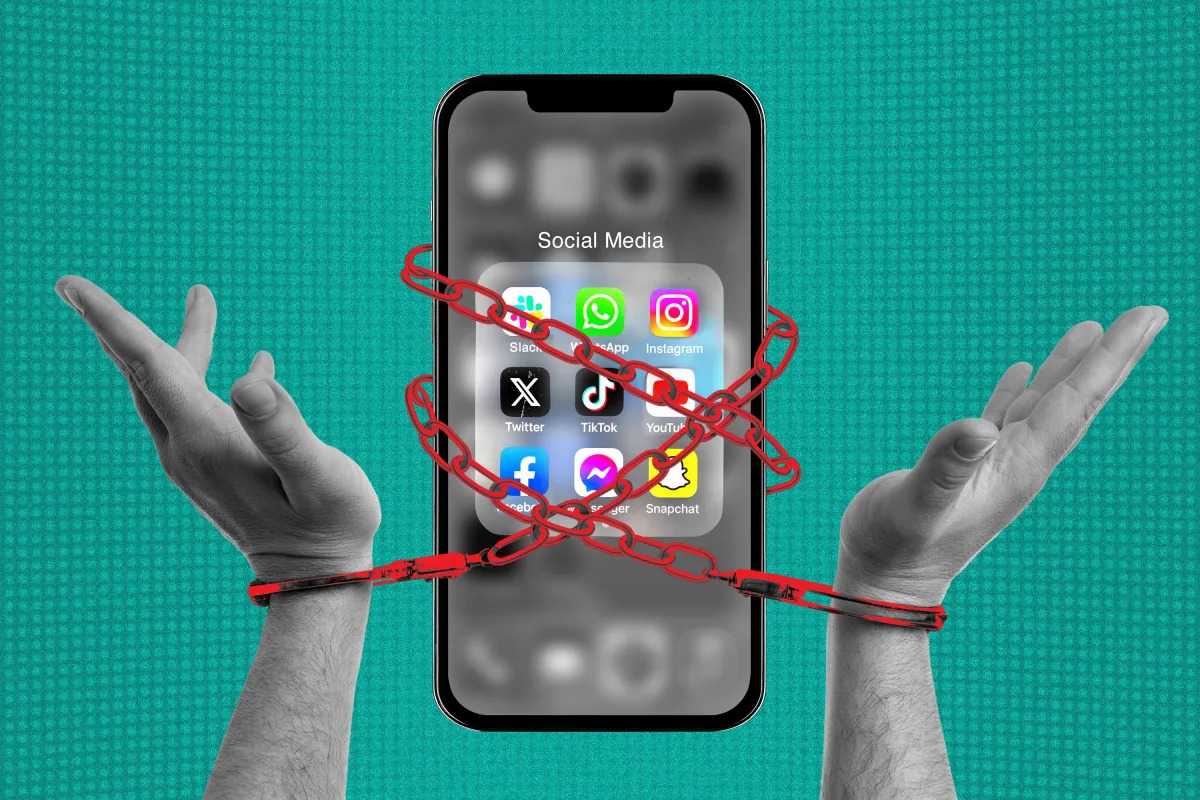
Anneta Konstantinides reviews Brick, a $59 physical device that helps reduce phone screen time by requiring users to tap their phone on it to unblock apps, which has significantly helped her cut down on social media use and improve productivity.
The article discusses the widespread issue of social media addiction among children and the lack of consensus on how to address it, highlighting concerns about its impact on mental health and development.
The article discusses how short-form videos, especially on platforms like TikTok, Instagram, and YouTube, are increasingly dominated by AI-generated 'slop' content that is designed to maximize user engagement and ad revenue, leading to negative effects such as reduced attention spans, increased anxiety, and digital overload. It highlights the rise of AI tools that make content creation easier, the manipulative design of these platforms, and offers tips to mitigate their impact, emphasizing the importance of being intentional with media consumption.
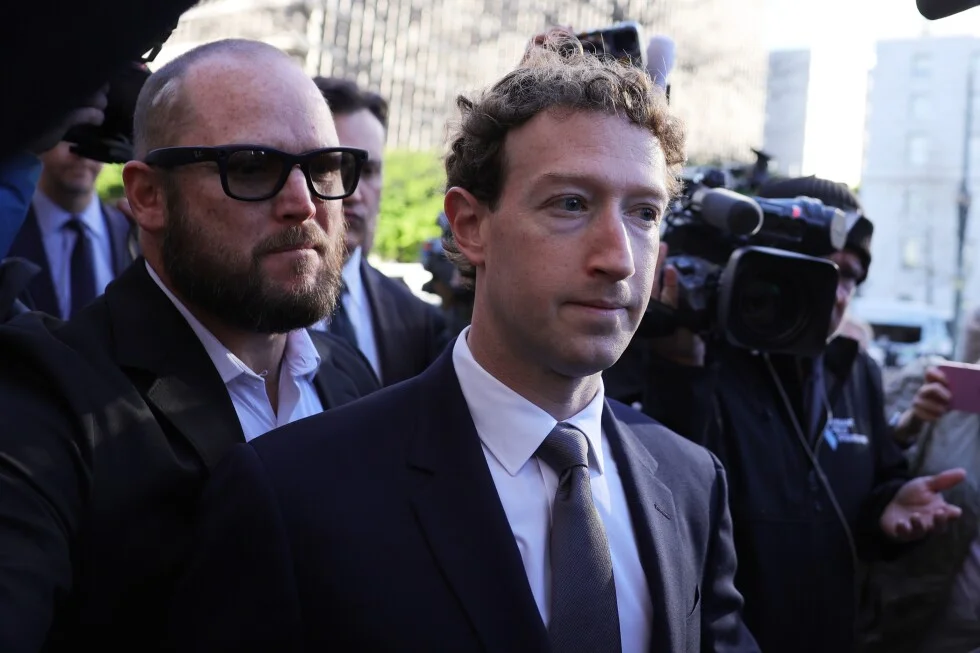
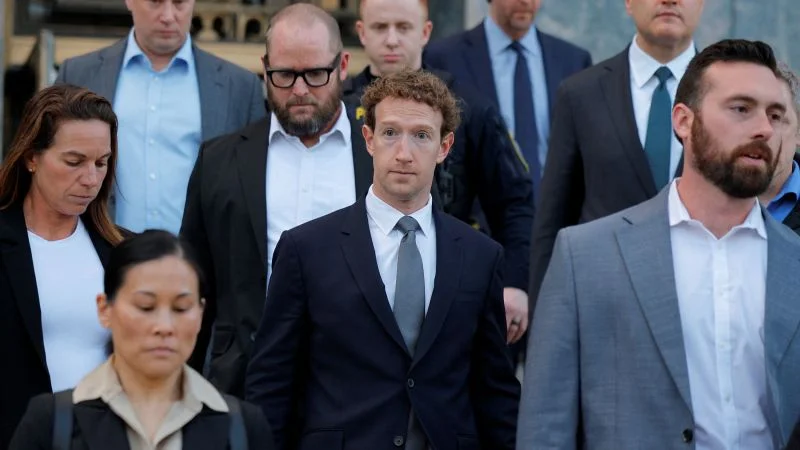
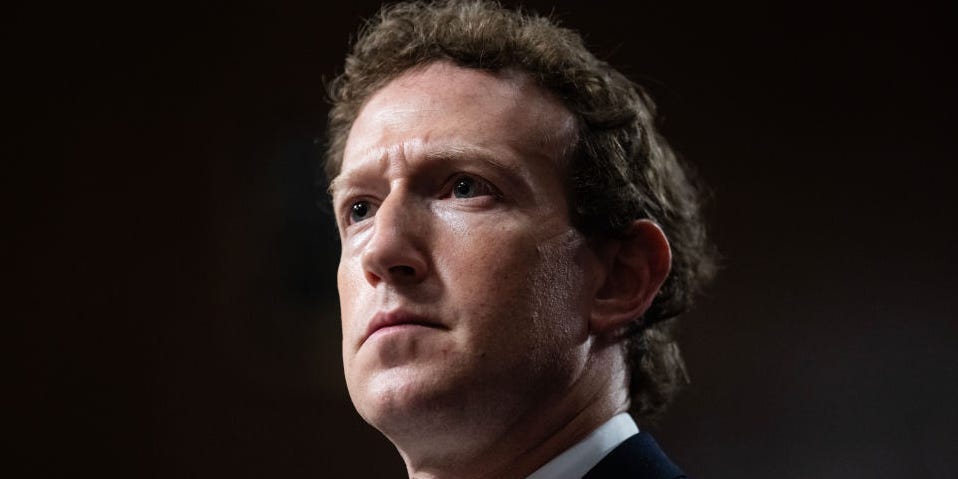
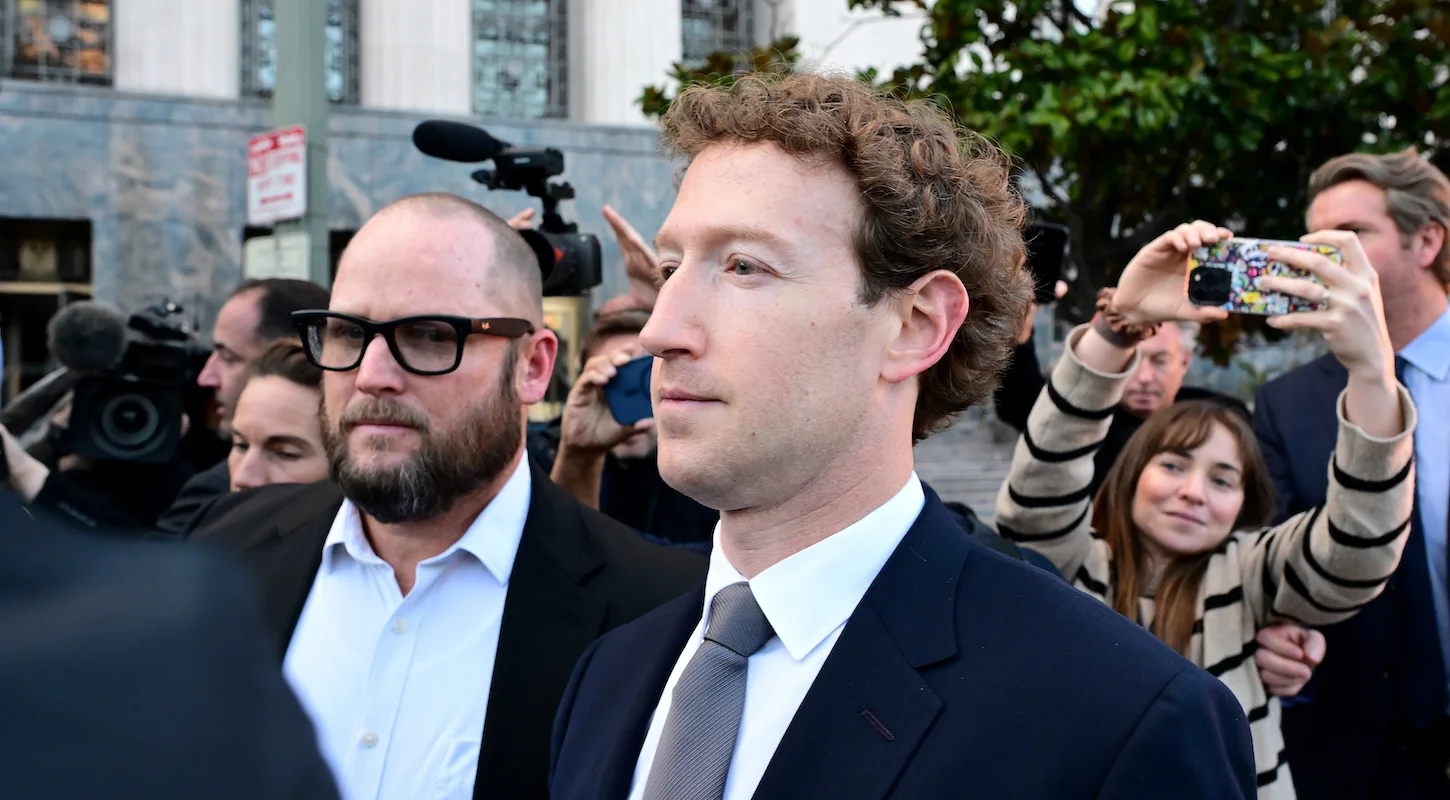
Mark Zuckerberg is seeking to be dropped from two dozen lawsuits alleging that his actions and Meta's have caused social media addiction in children, arguing that individuals cannot be held personally liable for corporate acts. His legal team contends that there is a clear distinction between his personal liability and his role as CEO, and that executives are typically shielded from personal liability in corporate law. However, if it's determined that Meta had a duty to disclose information related to social media risks for kids, the CEO could potentially be held liable for concealing it, which could have implications for other lawsuits against social media giants' CEOs.
Mark Zuckerberg is seeking to avoid personal liability in lawsuits accusing Meta Platforms Inc. and other social media companies of addicting children to their products. The lawsuits allege that Zuckerberg was repeatedly warned about the safety risks of Instagram and Facebook for children but ignored the findings. Zuckerberg argues that he can't be held personally responsible for actions at Meta just because he's the CEO, and his lawyers claim that his statements were generalized or covered by the US Constitution's First Amendment protection of free speech. The outcome of the hearing in California federal court could have implications for other CEOs facing similar mass personal injury litigation.
The conversation around social media addiction is gaining momentum, fueled by new data on Gen Z's social media usage and a recent lawsuit against Meta, the parent company of Facebook and Instagram. While there is no official psychiatric diagnosis for social media addiction, many young people struggle to stop their use and feel "obsessed." Studies have shown that excessive social media use can negatively impact mental health, particularly among adolescents. Red flags of addiction include an inability to stop, interference with daily routines, lying to maintain use, and problems with schoolwork or relationships. It is important for parents to establish boundaries, teach critical thinking, and model appropriate phone and social media use to mitigate the risks.
Meta Platforms, the parent company of Instagram, is facing a lawsuit filed by 33 U.S. states, including California and New York, accusing the company of fueling a youth mental health crisis by making their social media platforms addictive. The states allege that Meta repeatedly misled the public about the dangers of its platforms and knowingly induced young children and teenagers into addictive and compulsive social media use. Research has associated children's use of Meta's social media platforms with negative outcomes such as depression, anxiety, insomnia, and interference with education and daily life. The lawsuit seeks civil penalties for each violation of state laws and accuses Meta of violating a law banning the collection of data of children under age 13.