Ifunanya Nwangene, a Nigerian soprano, died after a cobra bite amid antivenom shortages and hospital delays, underscoring Nigeria's neglected snakebite crisis and prompting calls for nationwide access to affordable antivenoms and improved emergency care.
Nigerian singer Ifunanya Nwangene died in Abuja after a snakebite, highlighting a broader, preventable crisis in snakebite treatment driven by antivenom shortages and delays. She was first treated at a hospital without antivenom, then at FMC where she received some treatment but died from severe complications as advocates warn that underfunding and supply gaps impede timely care; the FMC denies a lack of antivenom at its site.
India loses about 50,000 people to snakebites annually, roughly half of global deaths, with delays in treatment, scarce antivenom, and weak rural healthcare infrastructure driving serious complications. A GST report highlights barriers faced by healthcare workers, while India's 2024 National Action Plan aims to halve snakebite deaths by 2030, though implementation is uneven and region-specific antivenoms are still lacking beyond the major snake species.
Ifunanya Nwangene, 26, an aspiring Nigerian singer who gained fame on The Voice Nigeria, died in Abuja after being bitten by a cobra at her apartment. She was preparing for her first solo concert; two snakes were later found in the home. She sought treatment after the bite, but antivenom access and hospital resources were contentious, with her friends and the hospital offering differing accounts. Nigerian health officials acknowledged systemic challenges and announced a national task force on clinical governance and patient safety. The incident underscores a broader neglected snakebite burden in Africa, where antivenom shortages and cost limit treatment.
Scientists at DTU have developed a new broad-spectrum nanobody-based antivenom that could revolutionize snakebite treatment, especially in Africa, by targeting multiple snake species with a safer, more stable, and cost-effective solution, though human trials are still needed.
New research shows that mamba snake venoms are more complex than previously thought, attacking the nervous system in multiple ways and varying by region, which complicates treatment and calls for specialized antivenoms to improve patient outcomes.
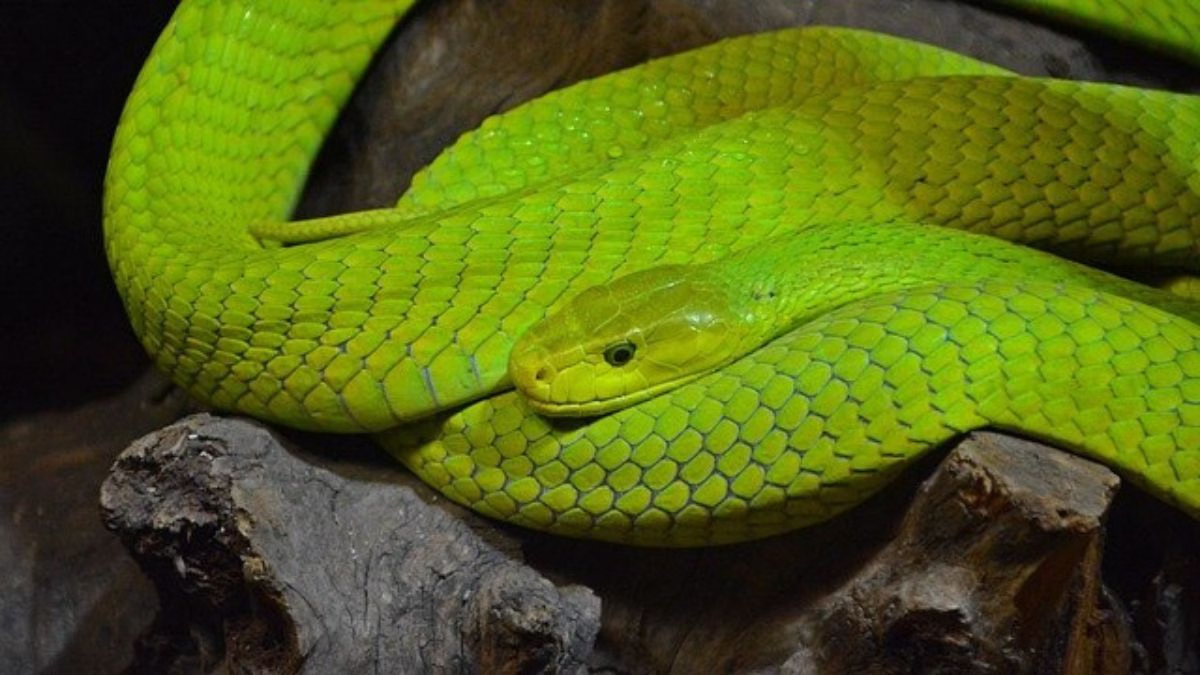
A study reveals that green mamba bites cause a unique form of paralysis called spastic paralysis, making treatment challenging as most antivenoms do not target this condition. The research highlights regional venom variations and the need for region-specific antivenom development, especially in India where snakebite deaths are high. Advances in monoclonal antibody treatments and increased research are crucial for better management of snakebite envenoming.
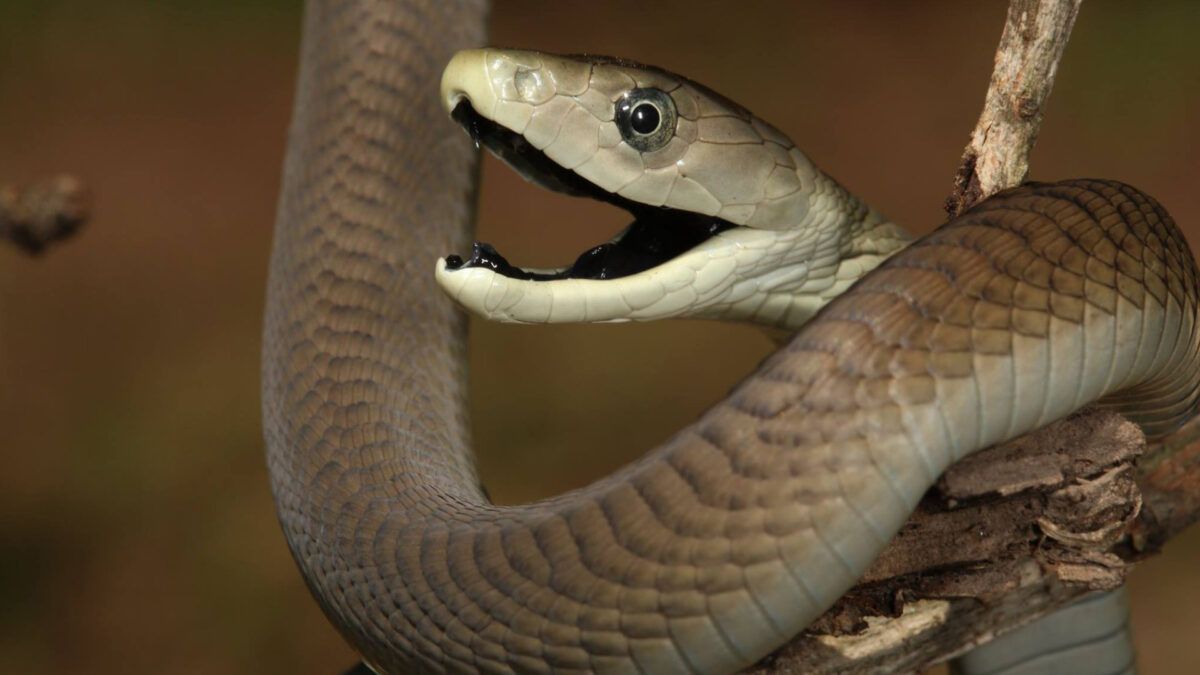
A study from the University of Queensland reveals that black mamba venom causes a dual neurological attack, leading to initial paralysis followed by severe spasms, which current antivenoms often fail to fully neutralize, explaining the high mortality rate from mamba bites in Africa and highlighting the need for improved treatments.
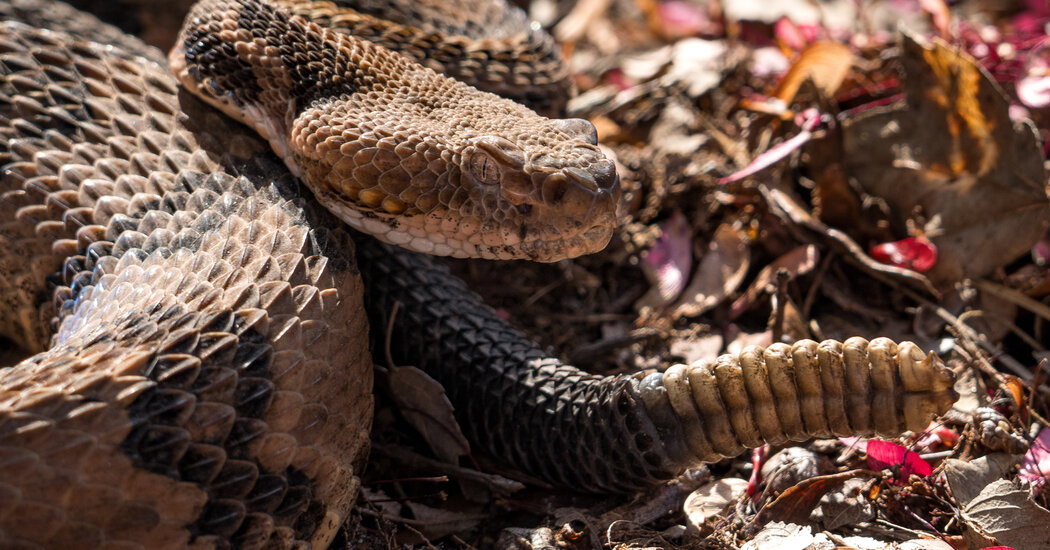
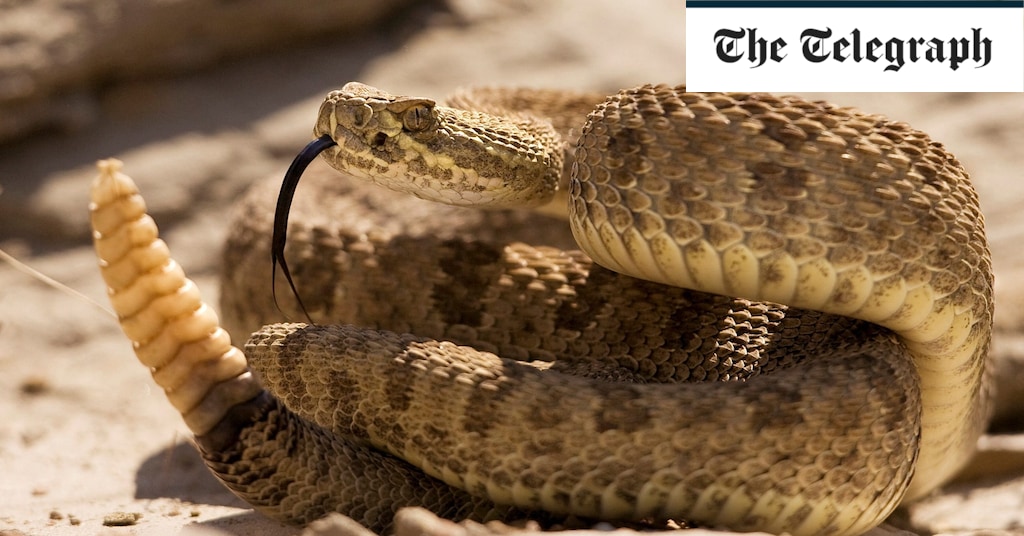
A man in Tennessee died after picking up a timber rattlesnake and being bitten, likely due to an allergic reaction, marking a rare fatal snakebite in the US.
A toddler in San Diego was bitten by a rattlesnake, leading to a hospital bill of $297,461, primarily due to the high cost of antivenom. The child received 30 vials of Anavip, with prices varying significantly between hospitals. The incident highlights the exorbitant costs of medical treatment for snakebites in the U.S., driven by hospital markups and lack of competition in the antivenom market. The family's insurance covered most costs, but they still faced significant out-of-pocket expenses.
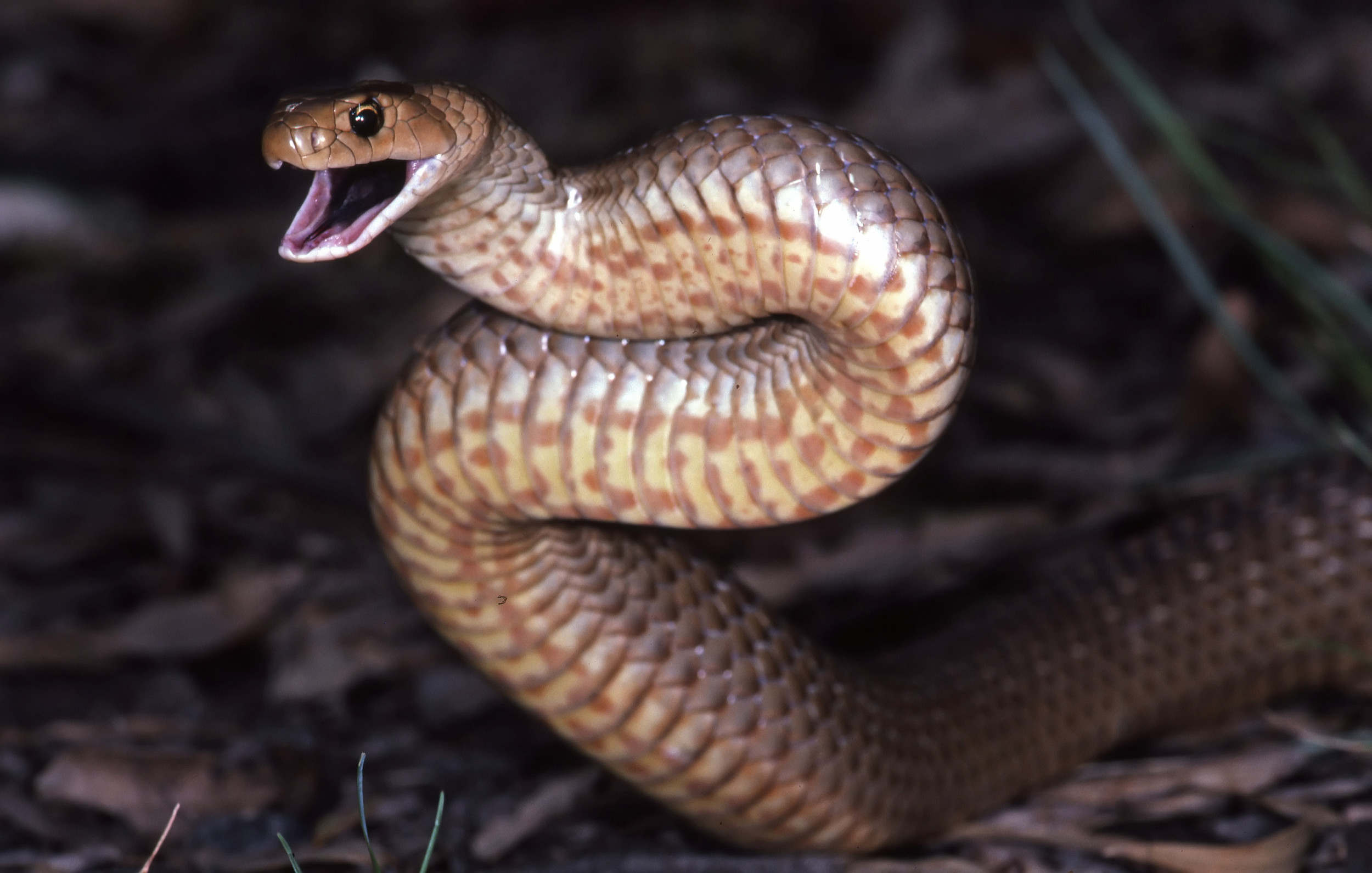
A man in Australia died after being bitten multiple times by an eastern brown snake while trying to remove it from a preschool. Despite his wife's attempts at CPR and first aid, he went into cardiac arrest and later succumbed to the snake's bites. Eastern brown snakes are one of the deadliest in Australia, possessing highly toxic venom that can quickly shut down vital organs. It's advised to leave venomous snakes alone and call professional snake catchers for removal.
Researchers have made significant progress in developing a universal antivenom that can neutralize the effects of venom from any venomous snake by creating a lab-made antibody called 95Mat5, which can neutralize neurotoxins found in the venom of many snake species. This breakthrough could potentially replace traditional antivenoms, but additional antibodies are needed to neutralize other toxin types, and further research and human trials are required before a universal antivenom becomes available to snakebite victims.
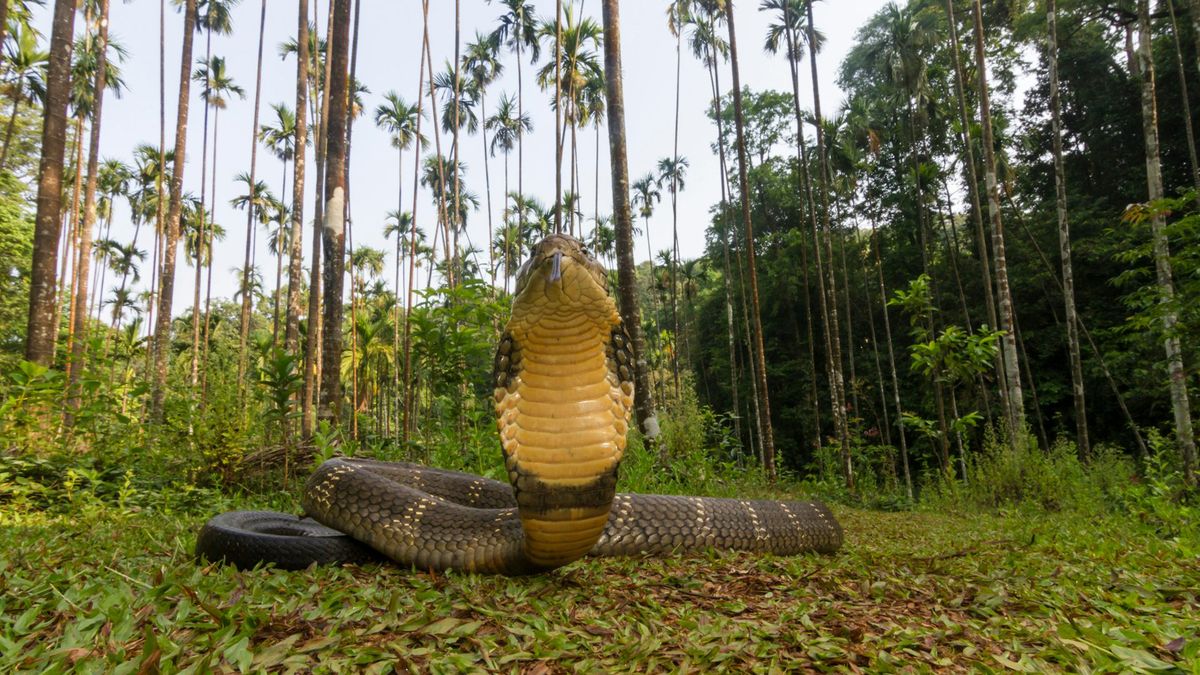
Scientists have made a significant breakthrough in developing a universal antivenom that can protect against the venom of various deadly snakes, including the black mamba and king cobra. The newly discovered human antibody, 95Mat5, has shown promising results in animal trials by preventing paralysis and death caused by venom from different elapid snakes. While this development is a crucial step forward, further research and clinical trials are needed before the antivenom can be made available for use in patients.