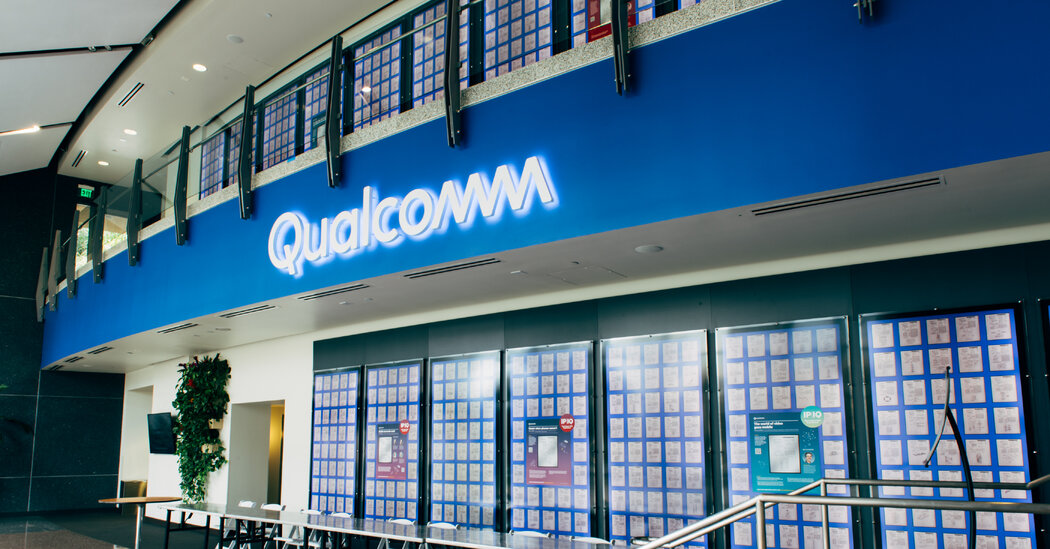
Qualcomm announced a new line of AI chips and a major deal with a Saudi-backed AI company, marking its entry into the AI data center market and causing its stock to rise significantly.
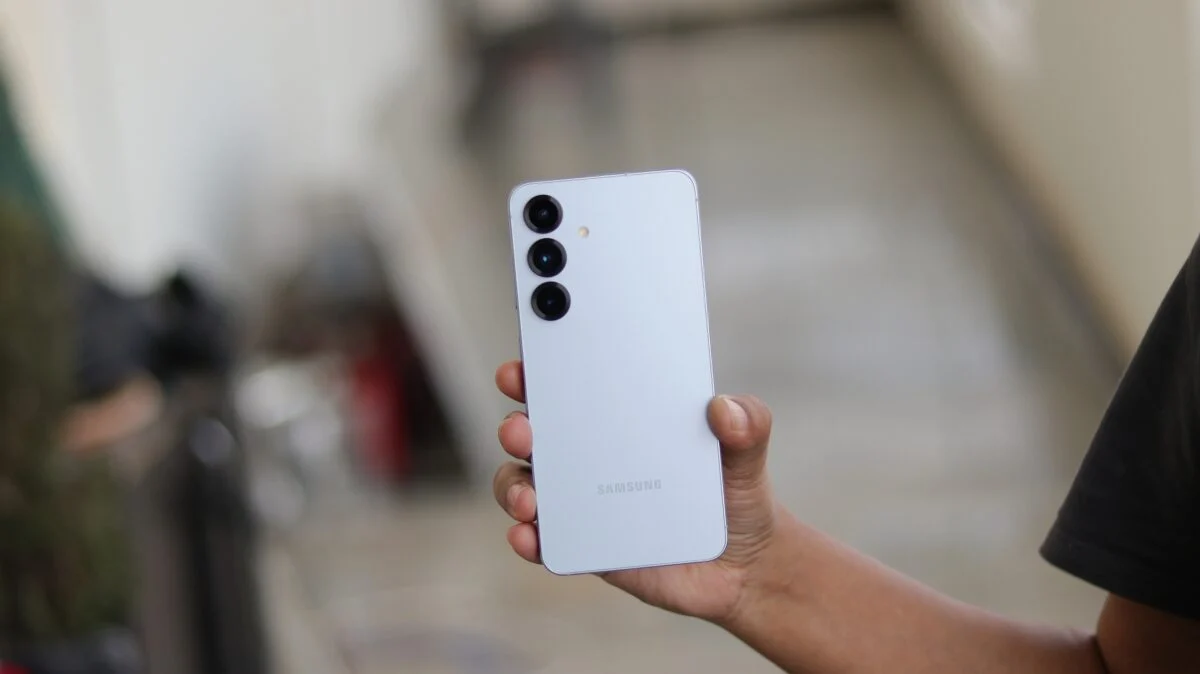
Samsung's Exynos 2600 chip has entered mass production and will be used in the Galaxy S26 Pro model, marking a comeback for Exynos in select markets, with the chip fabricated on a 2nm process offering improved performance and efficiency.
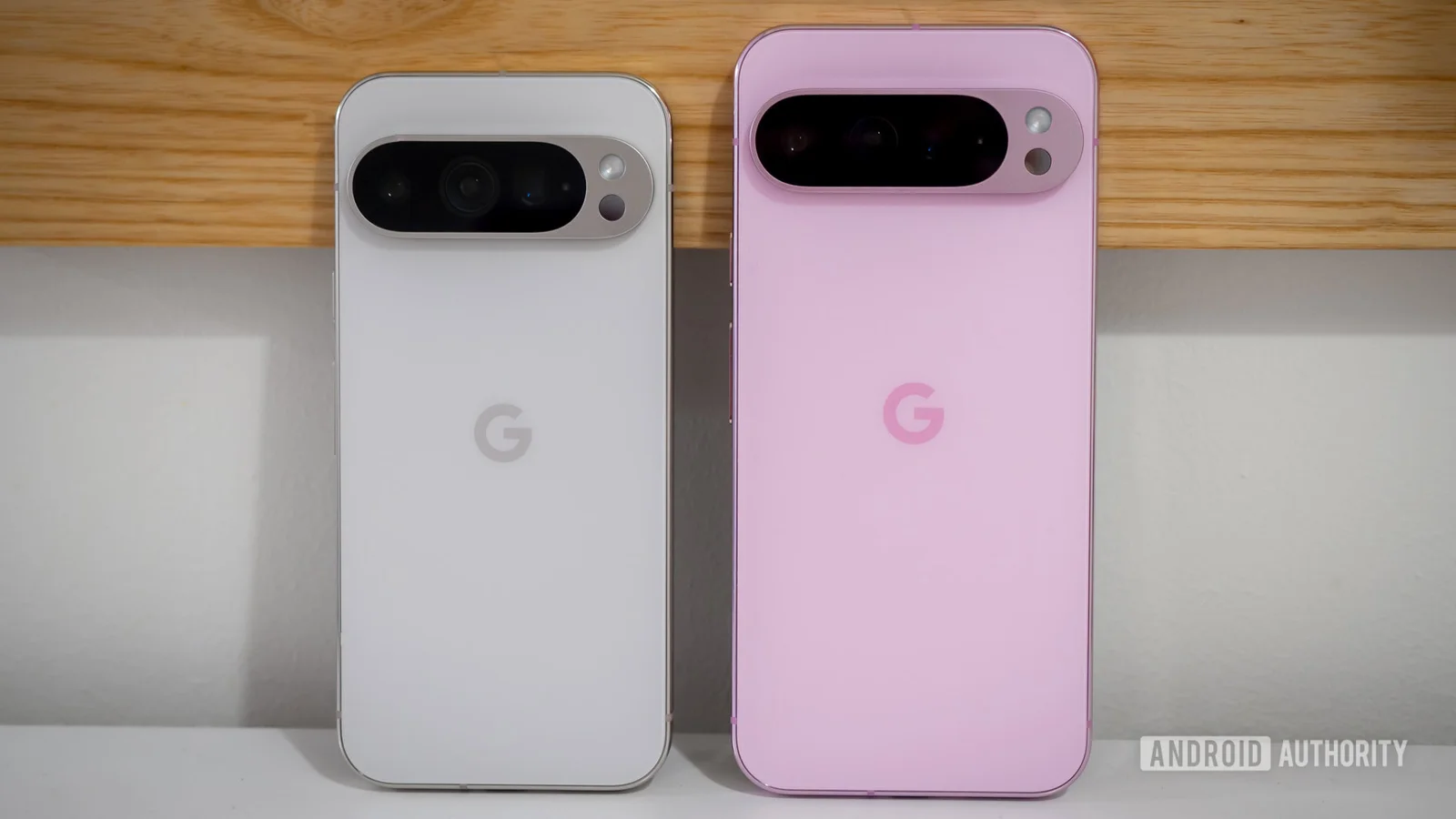
The Google Pixel 10 Pro XL scored around 1,140,286 on AnTuTu, showing a 15% improvement over the Pixel 9 Pro XL thanks to the new Tensor G5 chip made by TSMC. However, it still lags behind rivals like the Snapdragon 8 Elite and Apple A18 Pro, which score significantly higher. The Tensor G5 is optimized for Pixel devices, ensuring smooth performance despite lower benchmark scores. The Pixel 10 series is expected to launch on August 20, with the foldable model arriving in October.
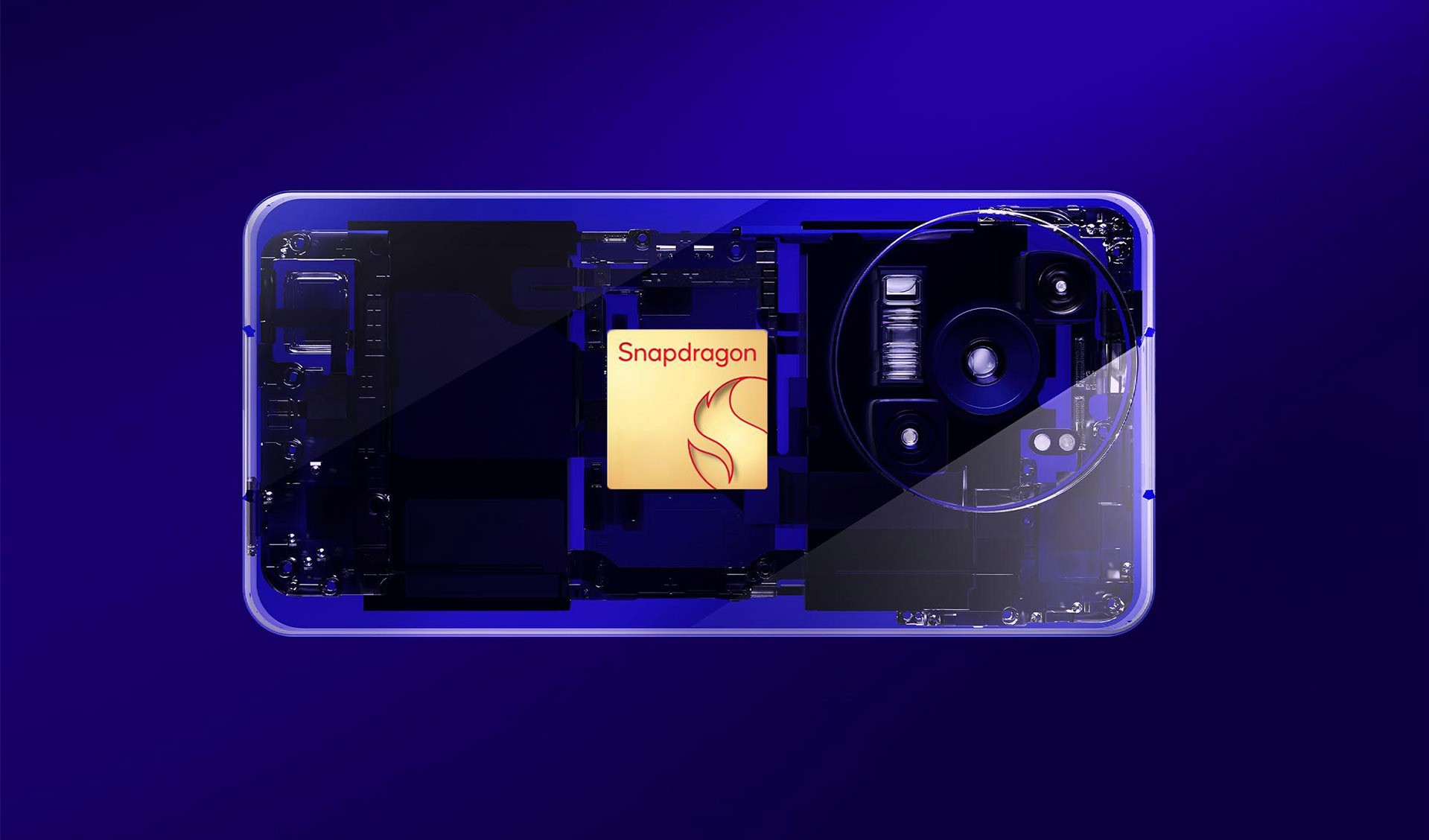
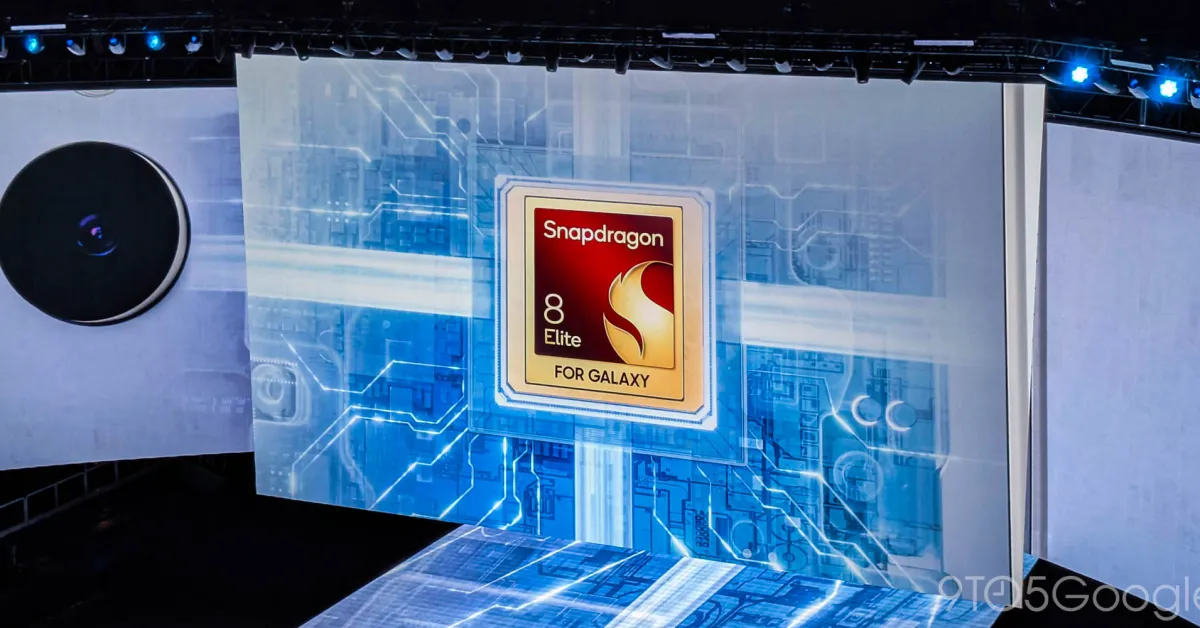
Rumors suggest that Qualcomm's Snapdragon 8 Gen 5 will be built on the same 3nm N3P process as the Snapdragon 8 Elite Gen 2, featuring custom cores, and could be priced as low as $280-$350, making high-end features more accessible. The device may also include options with Dimensity chips and larger batteries, though these details are unconfirmed and should be taken with caution.
Google's August 20 event is highly anticipated for the announcement of the Pixel 10 series and the new Tensor G5 chip, which could significantly improve performance and battery life if successful. The chip's transition to a 3nm process and TSMC manufacturing offers promising potential, but its actual impact remains uncertain, making this event crucial for the future of Google's Pixel phones.
The Samsung Galaxy S26 series is expected to feature Snapdragon chips made by Samsung's own foundry using a 2nm process, marking a shift from the usual TSMC manufacturing, which could benefit Samsung's chip production and impact Qualcomm's manufacturing partnerships.
Qualcomm reported fiscal first-quarter results that exceeded analysts' estimates, with a 16% increase in handset chip sales driving a 24% rise in net income. The company's focus on expanding chip technology into markets beyond smartphones, such as PCs, cars, and virtual reality headsets, is showing promise. Despite a decline in its Internet of Things business, Qualcomm's automotive business reported a 31% increase in sales. The company's profitable licensing business saw a 4% annual decline in revenue.
Qualcomm is cutting 1,258 jobs in San Diego and Santa Clara, California, as part of its efforts to reduce costs due to lackluster demand for its main product, smartphone chips. The majority of the positions being eliminated are in engineering, ranging from director to technician levels. The job reductions will begin in mid-December, and the company's overall workforce of 50,000 will be affected. Qualcomm's revenue is expected to shrink by about 19% in the current fiscal year, and CEO Cristiano Amon is seeking to expand the company's products into new areas to offset the decline in the phone market.
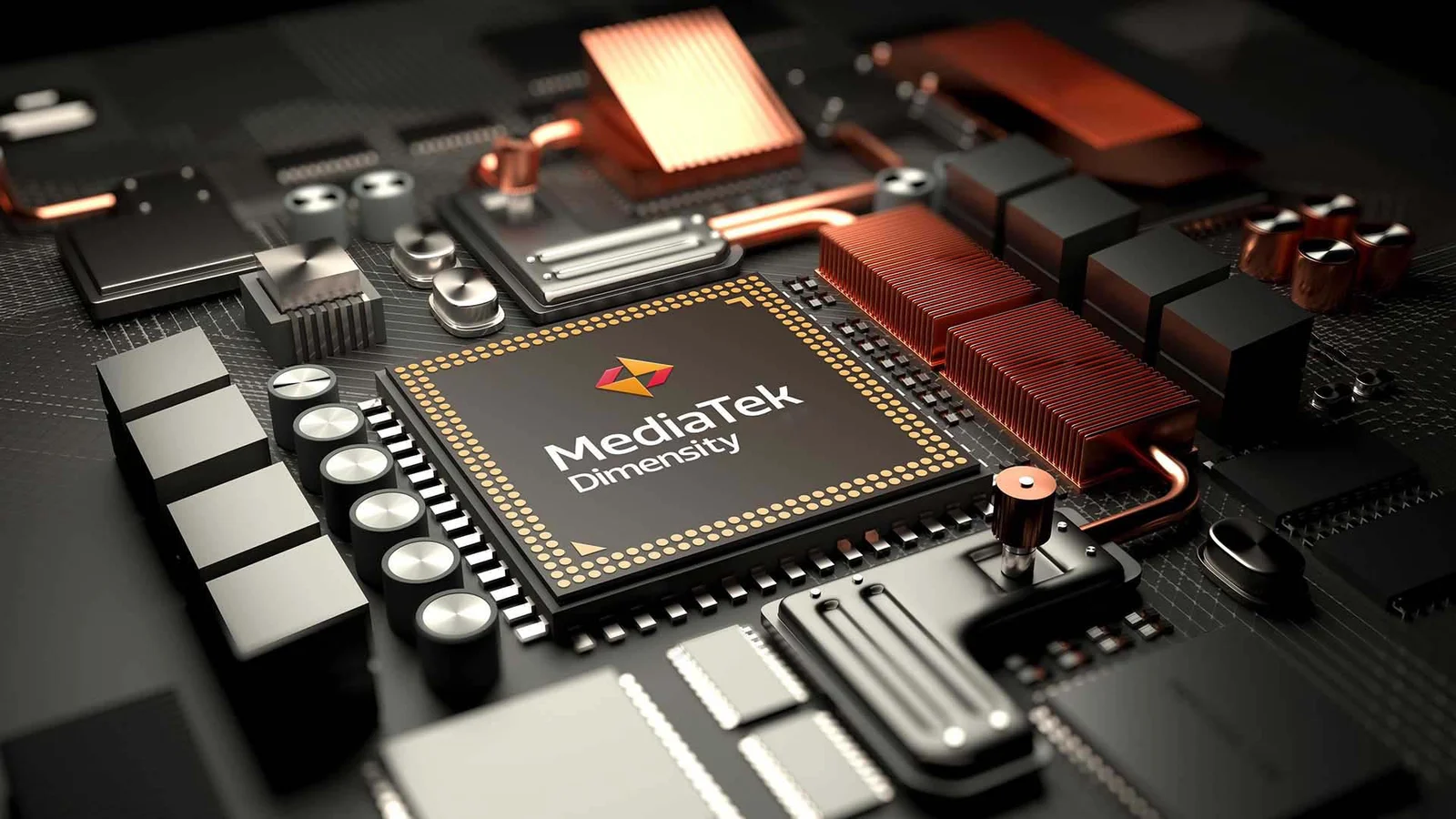
SoftBank-owned chip designer Arm has launched new technology for mobile devices, including the Immortalis-G720 chip for video image processing and AI applications, and the Cortex-X4 processor. Taiwan's MediaTek has said it will use the new chips in its next-generation smartphones. Arm said both new chips have 15% better performance than their previous generations, and the Cortex-X4 uses 40% less power. Arm also said it has "taped out" the Cortex-X4 at Taiwan Semiconductor Manufacturing Co, which means it had a chip manufactured at the factory.
Qualcomm reported a 17% decline in sales from handset chips, a core business for the company, in Q2 2022. The chipmaker's revenue from its chip segment, QCT, which sells smartphone processors, automotive chips, and other parts for advanced electronics, declined 17% to $7.94 billion during the quarter. Qualcomm blamed the results on a challenging environment and said it had not seen evidence that smartphone sales are recovering in China. The company also gave a light forecast for the current quarter, expecting around $8.5 billion in sales, short of Wall Street expectations of $9.14 billion.