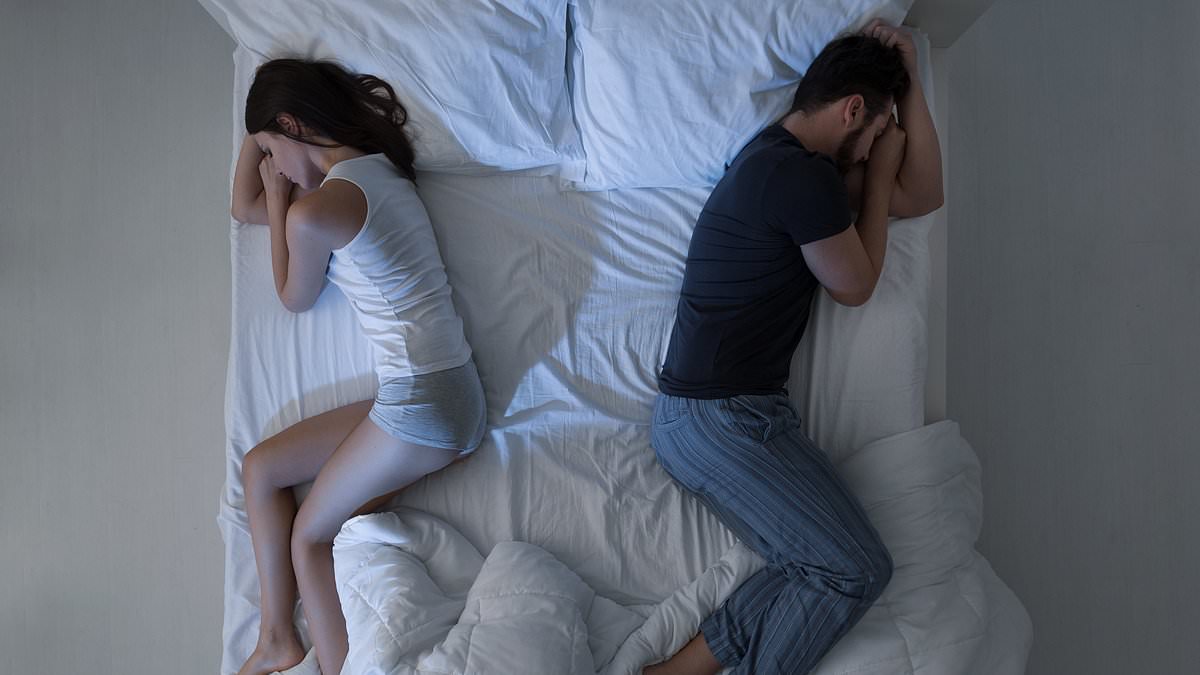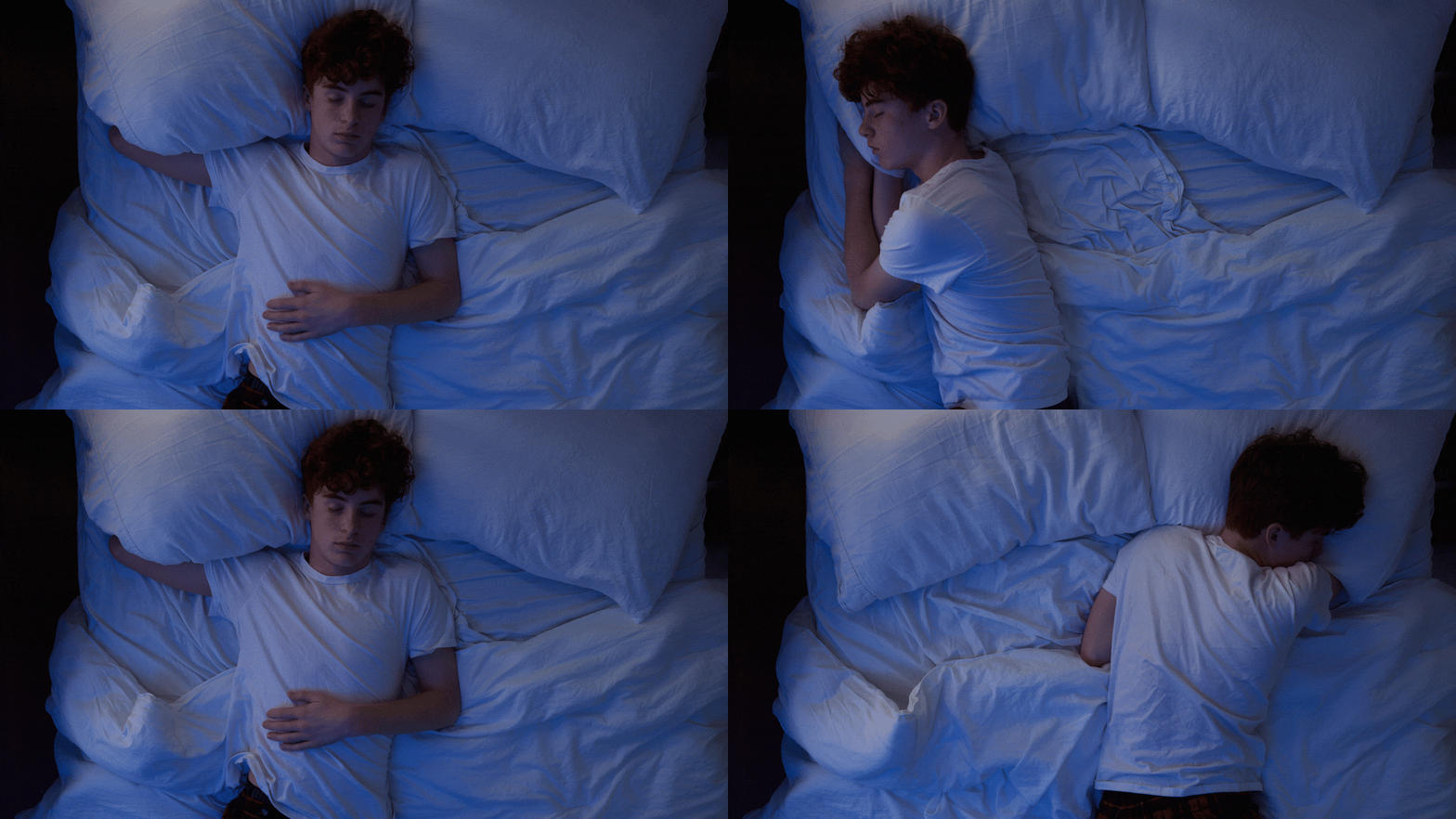
Sleep positions are more a reflection of anatomy and physiology than personality or preference, and once asleep, the body is in charge of its position. While certain positions may be more comfortable for specific conditions, controlling sleep positions is difficult and may not be worth the effort. Fancy sleep training devices and old-school methods like taping a tennis ball to the back to prevent back sleeping can be disruptive and uncomfortable, leading to sleepless nights and potential health issues. Instead of worrying about sleep positions, it's best to focus on how you feel when you wake up, as well-rested individuals without sleep apnea or pain don't need to be concerned about their sleep positions.
Cardiologists recommend sleeping on your side, particularly the right side for heart health, as it can help manage the effects of sleep apnea and improve blood flow. Side sleeping may also enhance the brain's waste removal system, reducing the risk of neurological diseases. Sleeping on the left side can help with acid reflux, while maintaining a consistent bedtime and creating a relaxing bedtime routine are important for better sleep.
Sleep posture expert James Leinhardt has shared three positions that can improve sleep and reduce the risk of a "sleep divorce" where couples sleep separately. The positions include "The Dreamers" (spooning with a pillow between the knees), "The Reverse Dreamers" (spooning facing opposite directions), and "The Soldiers" (lying on the back with a pillow under the knees). These positions help keep the spine straight and trigger the release of oxytocin. Sleeping apart can also improve sleep quality by reducing distractions and arguments caused by sleep disruptions.