
Preparing for a Smooth Transition: Navigating the End of Daylight Saving Time
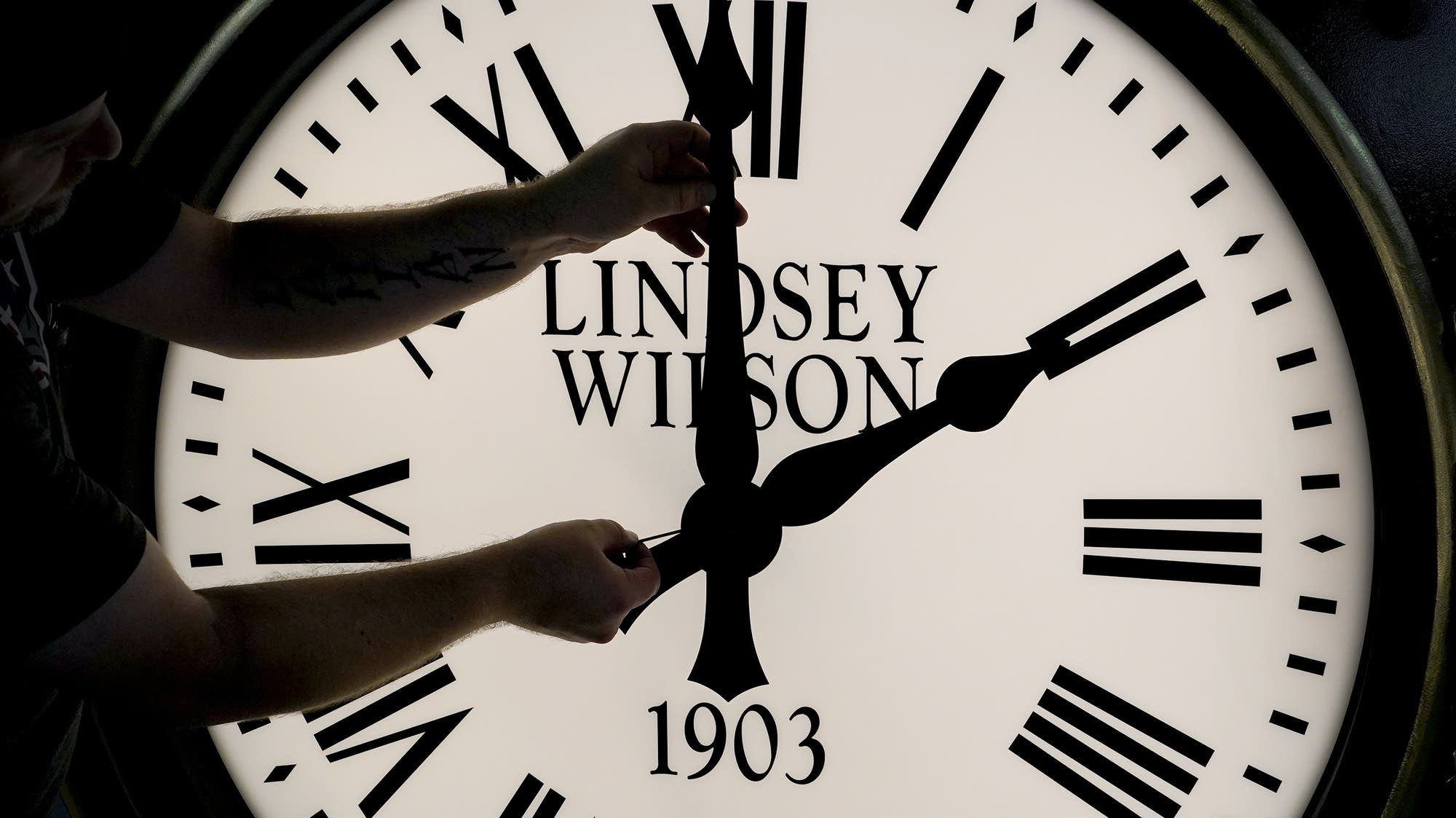
As daylight saving time comes to an end on November 5th, sleep experts warn of potential disruptions to our health due to the time change. Losing an hour of sleep in the spring has been linked to increased risks of motor vehicle accidents, heart attacks, cardiovascular disease, and depression. To combat these disruptions, experts recommend making incremental changes to sleep times and routines in the weeks leading up to the time change. Spending time in the sun can also help regulate our internal clocks. While some advocate for year-round standard time for better health outcomes, others argue that leisure activities benefit from daylight saving time. Legislation has been proposed to make daylight saving time permanent across the U.S., but it has not yet been passed.
Reading Insights
0
7
2 min
vs 3 min read
75%
493 → 125 words
Want the full story? Read the original article
Read on MPR News