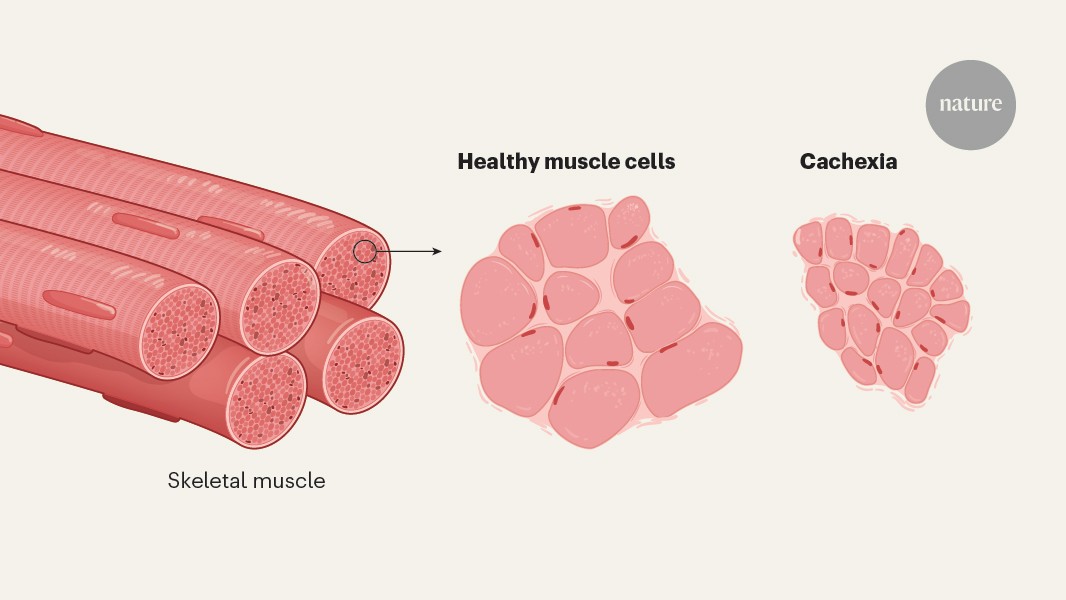
Research identifies RNA expression patterns linked to cachexia, a severe weight-loss syndrome associated with cancer that involves skeletal muscle wasting and is resistant to nutritional interventions, potentially leading to new treatment targets.
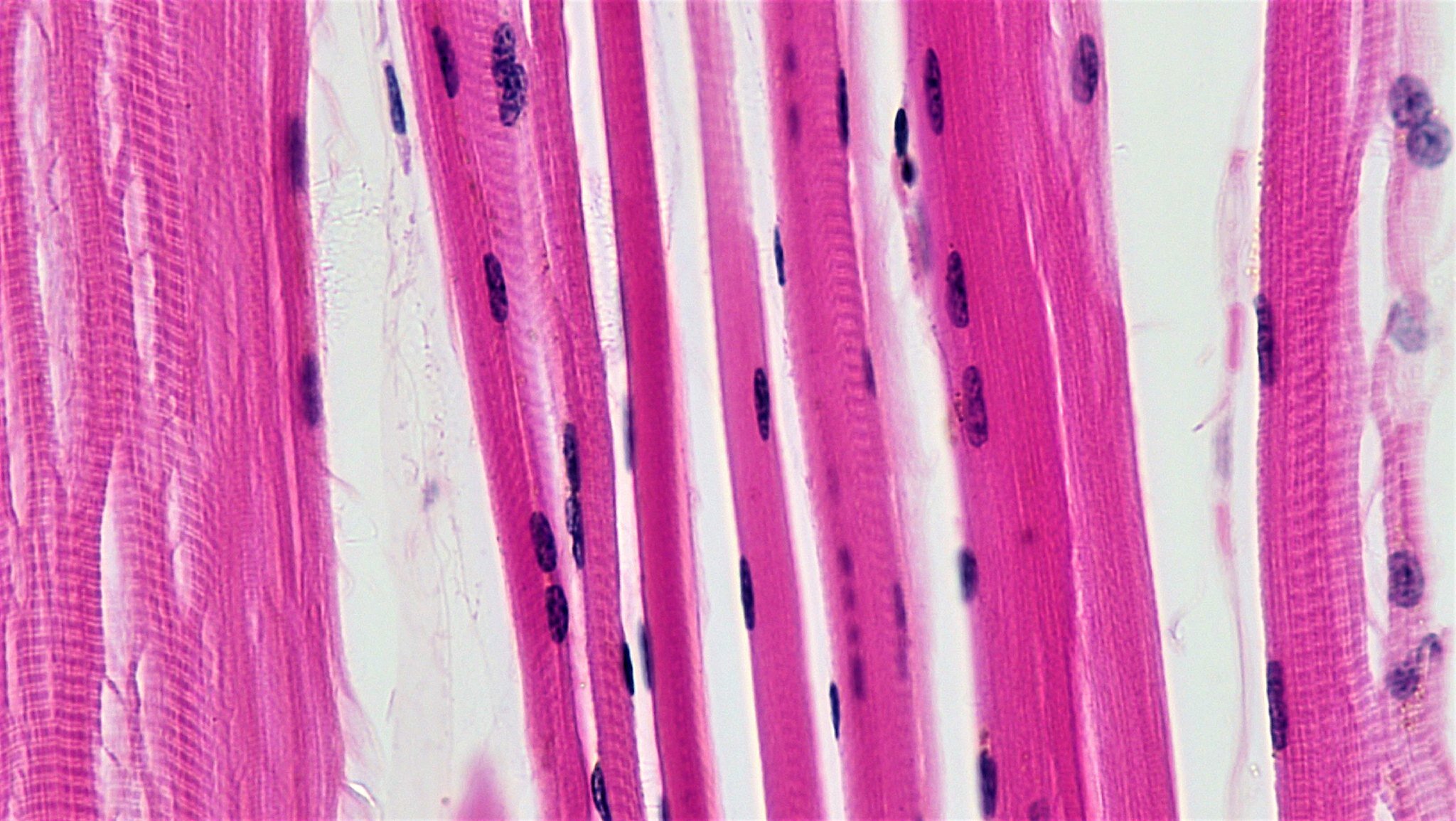
Researchers have created the first comprehensive atlas of aging muscles in humans, shedding light on the cellular and molecular changes that occur with aging. The study reveals new cell populations and compensatory mechanisms that muscles employ to combat aging, offering potential avenues for future therapies and interventions to improve muscle health and quality of life as we age. The findings provide valuable insights into healthy skeletal muscle aging and have the potential to inform strategies for promoting healthier aging in future generations.
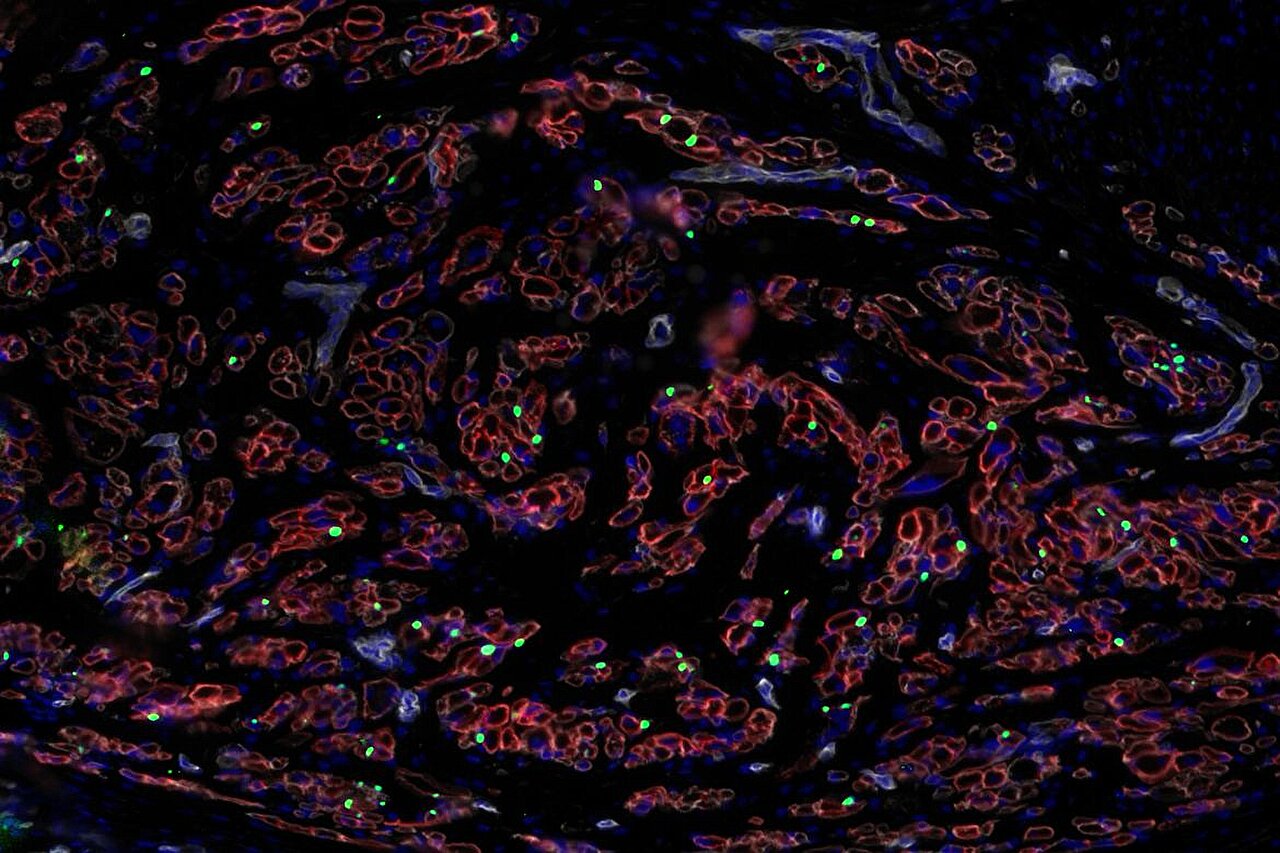
Researchers at UCLA have made progress in developing stem cell therapies for regenerating skeletal muscle in humans. By transplanting lab-grown muscle stem cells into mice, they discovered the importance of the stem cell "niche" in supporting the survival and function of the cells. Removing existing stem cells and optimizing the muscle niche allowed the transplanted cells to persist and repair muscle injuries. The study highlights the need to optimize both the muscle niche and the muscle progenitor cells themselves for successful stem cell therapies in the future.
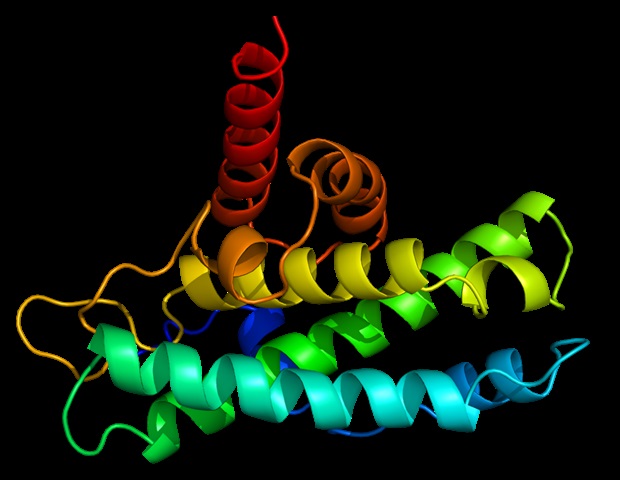
Researchers from Tokyo Metropolitan University have discovered that the protein Musashi-2 (Msi2) plays a crucial role in regulating muscle mass and metabolic processes in skeletal muscle. By studying mice with the Msi2 gene knocked out, they found a decrease in muscle mass due to a reduction in type 2a muscle fibers, as well as decreased myoglobin and mitochondria. Understanding the regulation of type 2a fibers could lead to new therapies for muscle-related conditions and improve training regimens for muscle strength.
New research challenges the prevailing belief that brown adipose tissue (BAT) is responsible for the metabolic benefits of cold exposure. A team of Canadian researchers argues that skeletal muscles, not BAT, are the primary heat generator and drive the metabolism of glucose and lipids in cold temperatures. While BAT has been linked to lower body mass indices and improved metabolic health, it is only detectable in a small percentage of adults even in cold conditions. The researchers suggest that a more integrated perspective is needed, focusing on skeletal muscles as the main organ involved in heat production and energy expenditure during cold exposure. Further research is required to understand the full impact of cold exposure on metabolism and overall health.