
EU Finds Rare Eye Risks in Ozempic and Other GLP-1 Diabetes Drugs
The EU drugs regulator has identified a 'very rare' side effect of Ozempic, which can cause sight loss, highlighting the importance of monitoring adverse effects of medications.

All articles tagged with #sight loss
The EU drugs regulator has identified a 'very rare' side effect of Ozempic, which can cause sight loss, highlighting the importance of monitoring adverse effects of medications.
Elton John has revealed that he has lost his sight due to an eye infection, which has affected his ability to work on new music. Speaking at a charity gala for The Devil Wears Prada: The Musical, he shared that he could only enjoy the performance audibly. Despite the setback, he expressed gratitude and optimism about his condition improving. The singer's health issue has also delayed plans for a new album, but he remains hopeful for recovery.
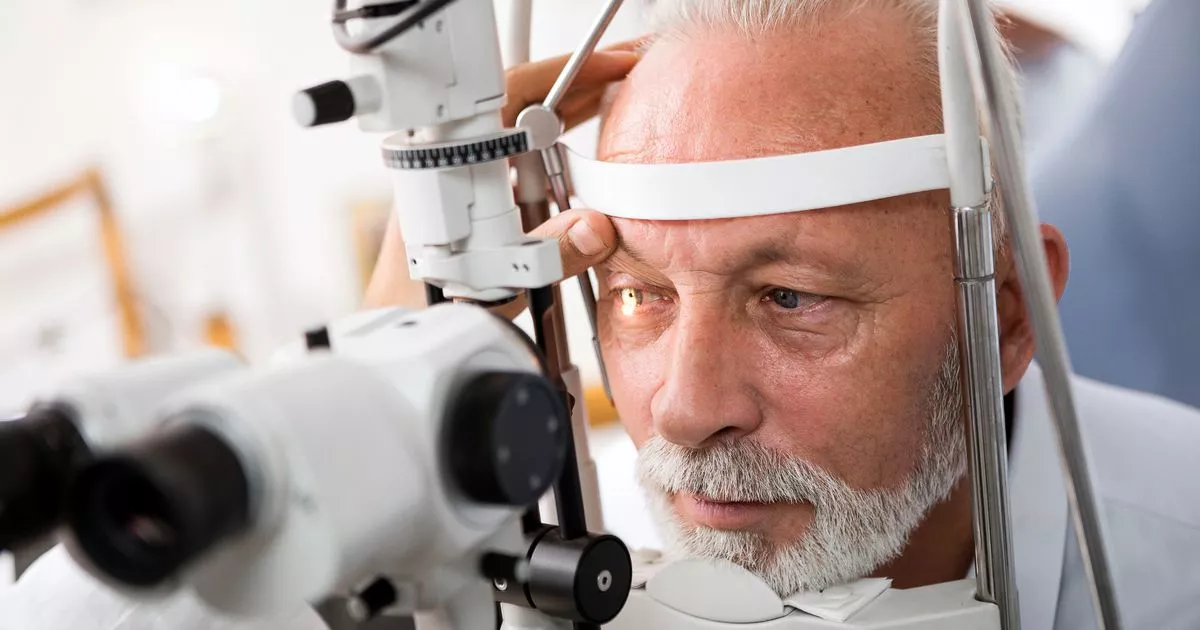
Sight problems can be a red flag for dementia, as the condition can cause changes in how the brain processes visual information. While sight loss is often attributed to old age, it can also be a symptom of dementia, even if the eyes themselves are healthy. Dementia symptoms, including forgetfulness, slower thinking speed, and social withdrawal, are progressive and can vary from person to person. Regular eye exams are important for individuals with dementia to identify and treat any eye conditions that may contribute to sight loss. Adapting the environment and ensuring proper care of glasses can also help support those with both sight loss and dementia.

Eye drops made from Wharton's Jelly, a substance found in umbilical cords, are being tested in a clinical trial in France as a potential treatment for chronic keratitis, a condition that can lead to permanent sight loss. The jelly contains cells believed to repair damage to the surface of the eye caused by infections or injury. The drops, made from freeze-dried and sterilized Wharton's Jelly, are applied five times a day for 40 days, and the results of the trial are expected later this year.

A clinical trial is underway to test a new treatment for dry age-related macular degeneration (AMD), which affects an estimated 250,000 people in the UK. The treatment involves injecting stem cells from a patient's own skin or bone marrow into the area behind the retina at the back of the eye. Researchers believe the stem cells will grow new retinal cells to replace those lost to the disease, potentially reversing sight loss. A rheumatoid arthritis drug has also been found to slow the development of both dry and wet AMD.