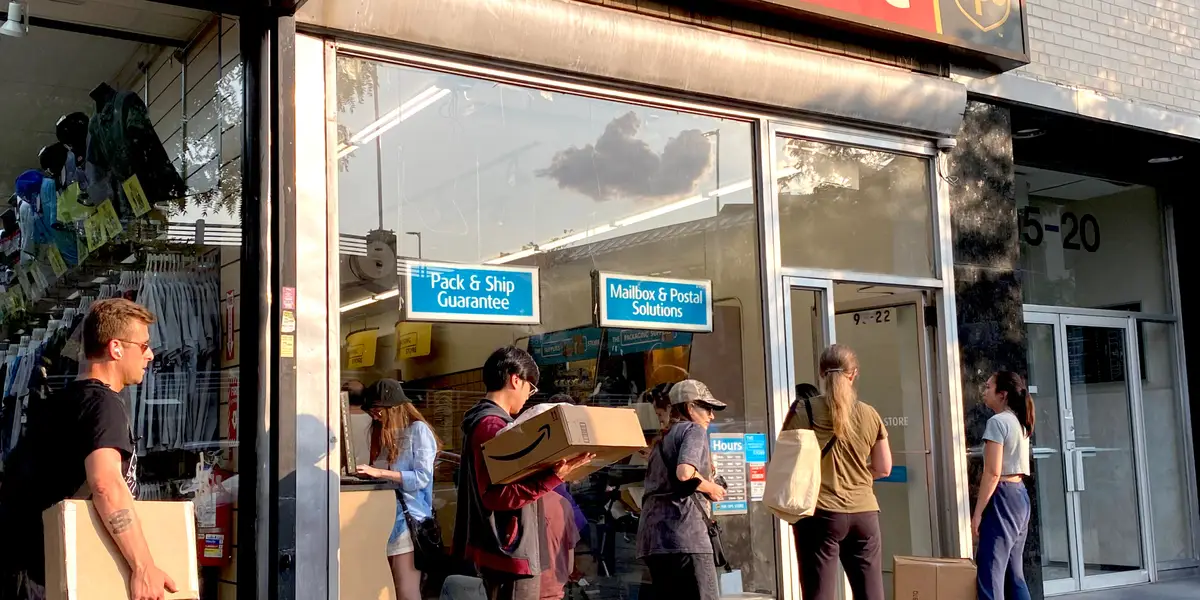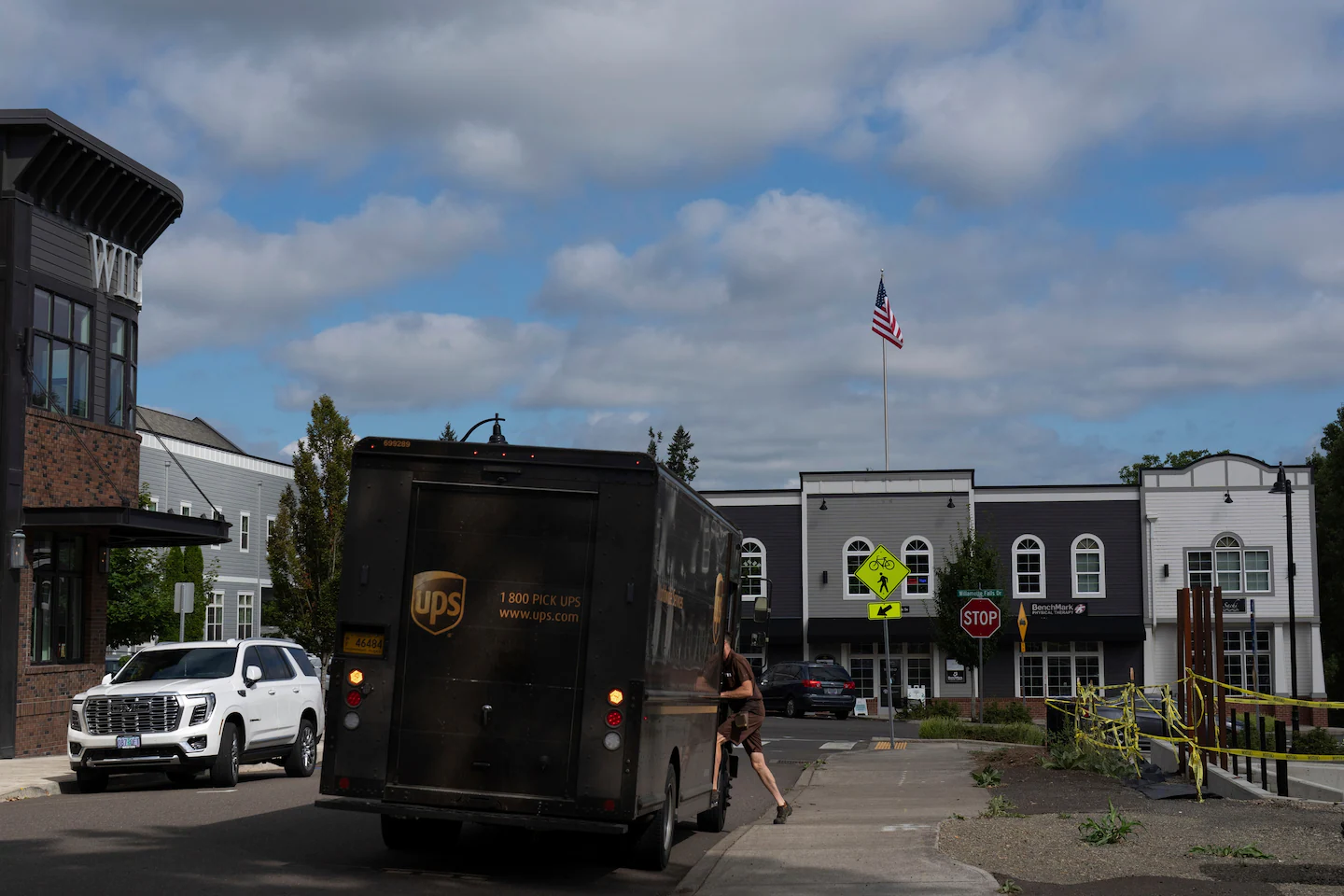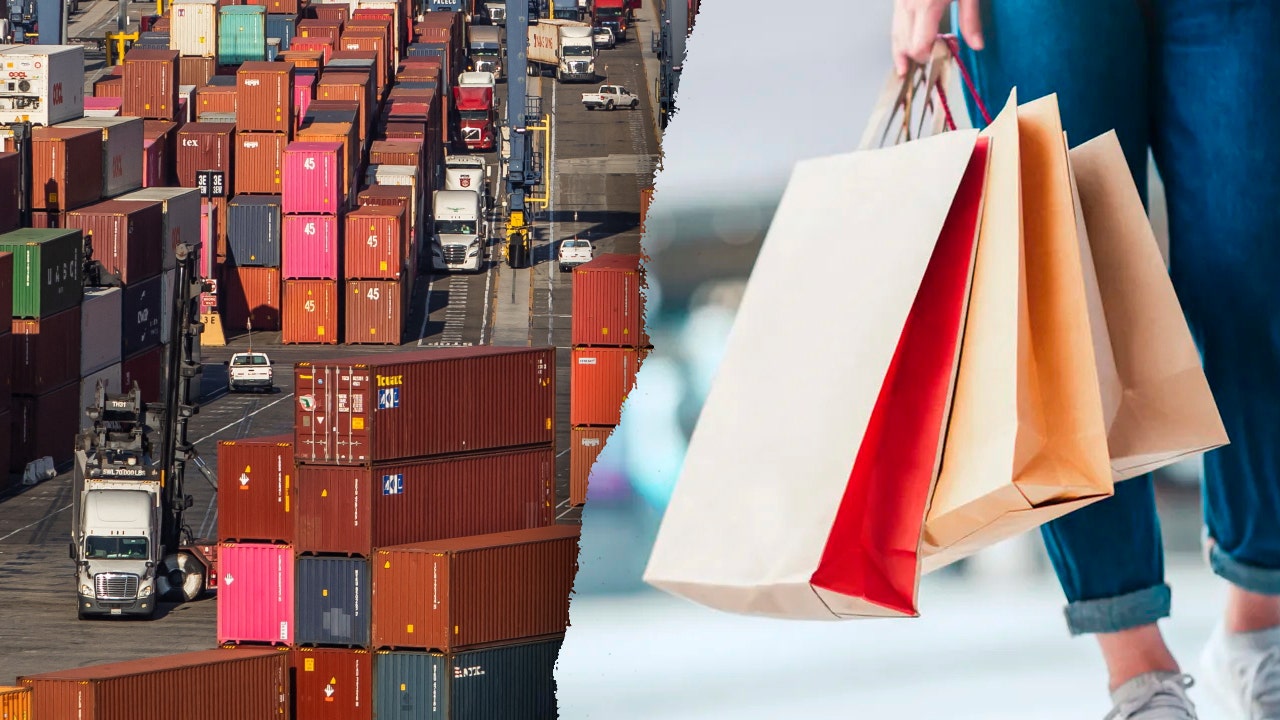
US consumers are experiencing increased costs and logistical challenges due to new tariffs and shipping issues with UPS, especially after the end of a tariff exemption loophole, leading to delays, unexpected bills, and confusion over import regulations.
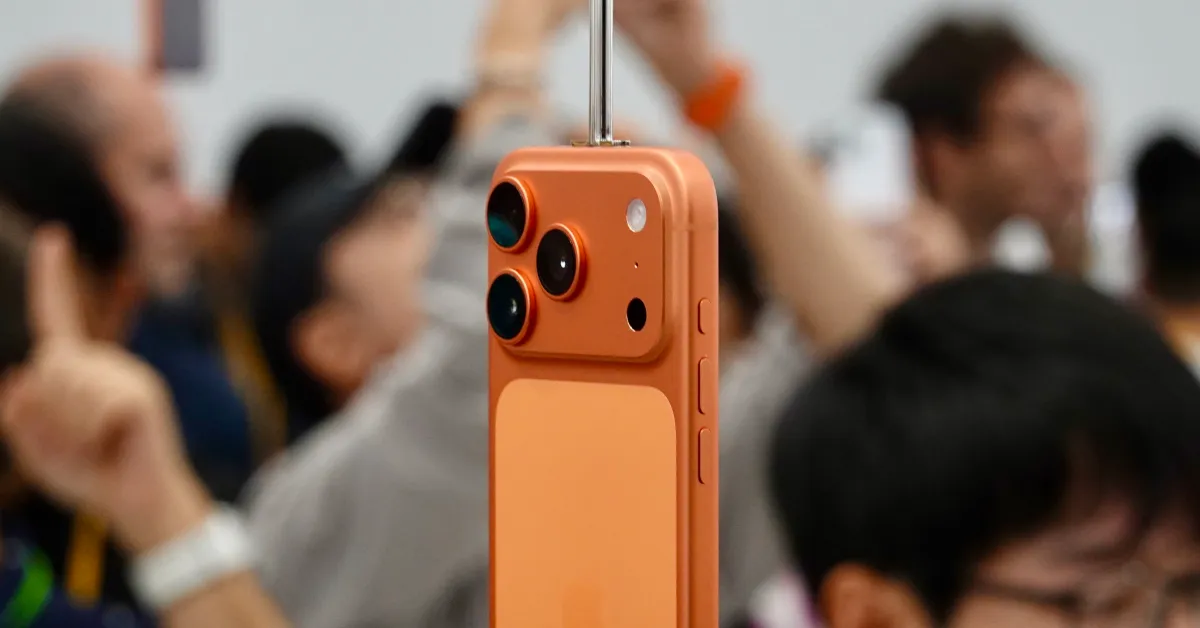
The delivery estimates for the iPhone Air and iPhone 17 Pro have been extended, indicating potential supply chain or demand issues affecting availability.
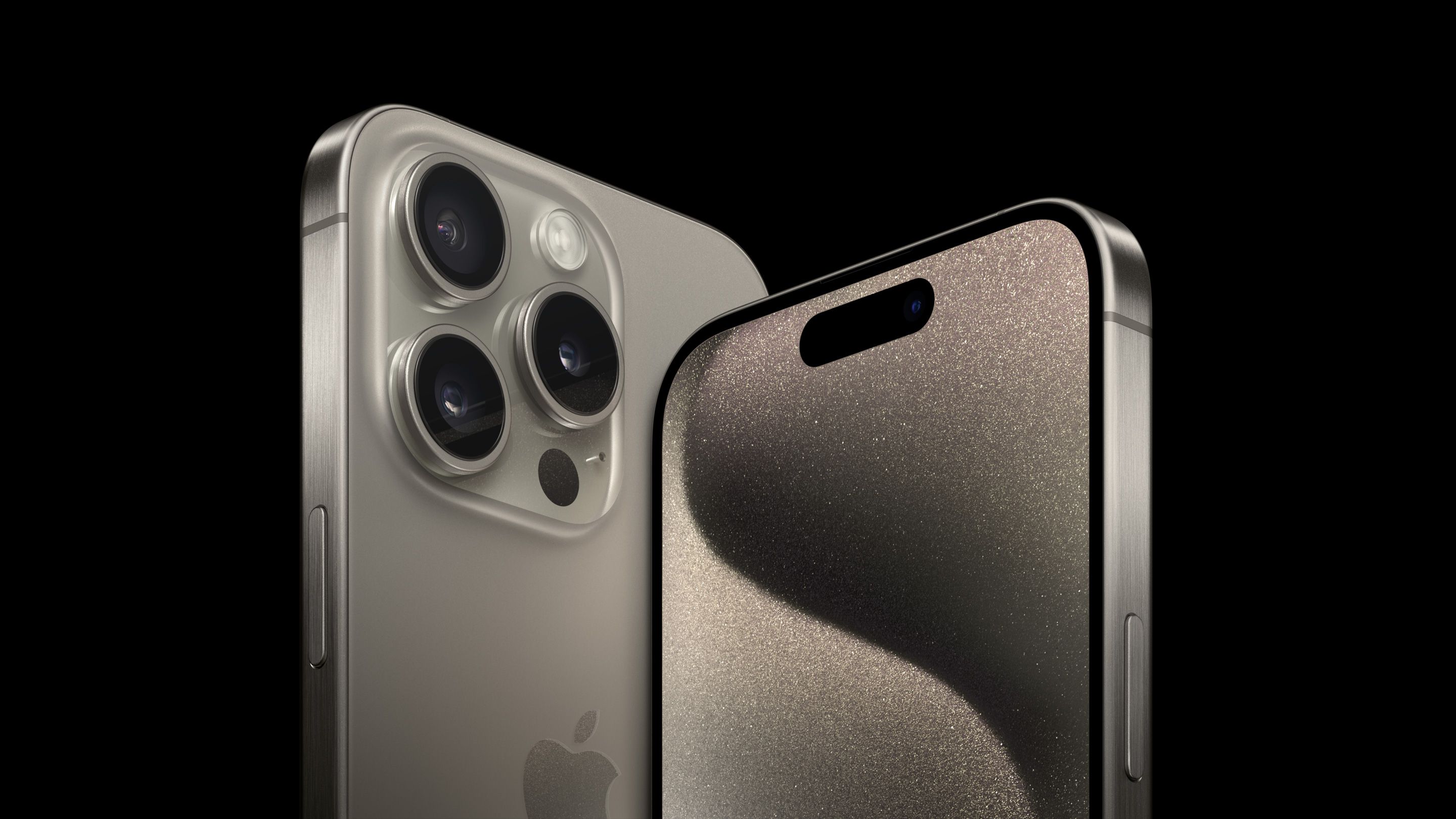
Pre-orders for the iPhone 17 series, including the Pro Max, Pro, and Air models, have begun, but shipping estimates for some configurations, especially the iPhone 17 Pro Max, are slipping into October, indicating potential supply constraints or high demand. The base models remain available for launch day delivery.
The end of the de minimis exemption in the US has led to increased import duties on low-cost goods, causing delays and cancellations for consumers, shippers, and small businesses both domestically and internationally.
The US has ended its long-standing de minimis exemption, which allowed small packages from abroad to enter duty-free, leading to higher prices and shipping delays for consumers, especially affecting low-income households and online retailers like Shein and Temu, and causing supply chain disruptions and increased costs for importers.
The end of the de minimis exemption for imports valued at $800 or less into the US, effective Friday, is causing shipping delays and potential price increases as many international carriers pause or restrict shipments, impacting consumers and businesses.
The article examines the impact of Donald Trump's tariffs on Georgia's economy, highlighting disruptions in shipping, the wine and film industries, and broader economic uncertainty, which are causing mixed effects and strategic adjustments among local businesses.
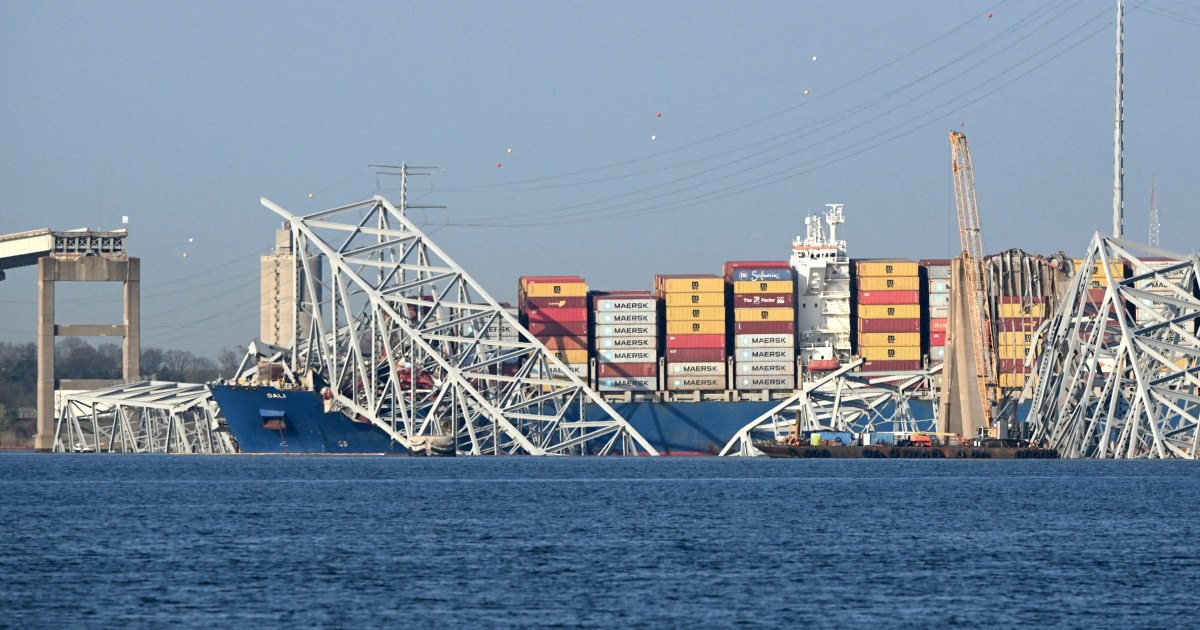
Cranes have arrived at the site of the collapsed Francis Scott Key Bridge in Baltimore to begin clearing wreckage, allowing for the search of four missing workers and the reopening of the city's port. The salvage operation will involve multiple heavy lift cranes, divers, and other vessels to remove the twisted metal and concrete remnants from the bridge and the cargo ship that collided with it. The bridge collapse has disrupted port operations, affecting thousands of dockworkers, commuters, and U.S. consumers, with potential shipping delays and job losses for dockworkers.
U.S. retailers are concerned about potential disruptions and uncertainty in the industry due to significantly delayed shipping times and pricing spikes caused by Iran-backed Houthi attacks in the Red Sea. The conflict is making it difficult for retailers to negotiate shipping contracts, and there are fears that these issues could impact back-to-school and holiday shopping. The National Retail Federation CEO called for a global coalition, including China, to address the challenges and urged for a quick solution. Discussions between China and Iran regarding the attacks and trade have reportedly taken place, as China is Iran's biggest trade partner. Additionally, challenges in other key shipping areas such as the Suez Canal, Ukraine, and the Panama Canal are also causing concerns for retailers.
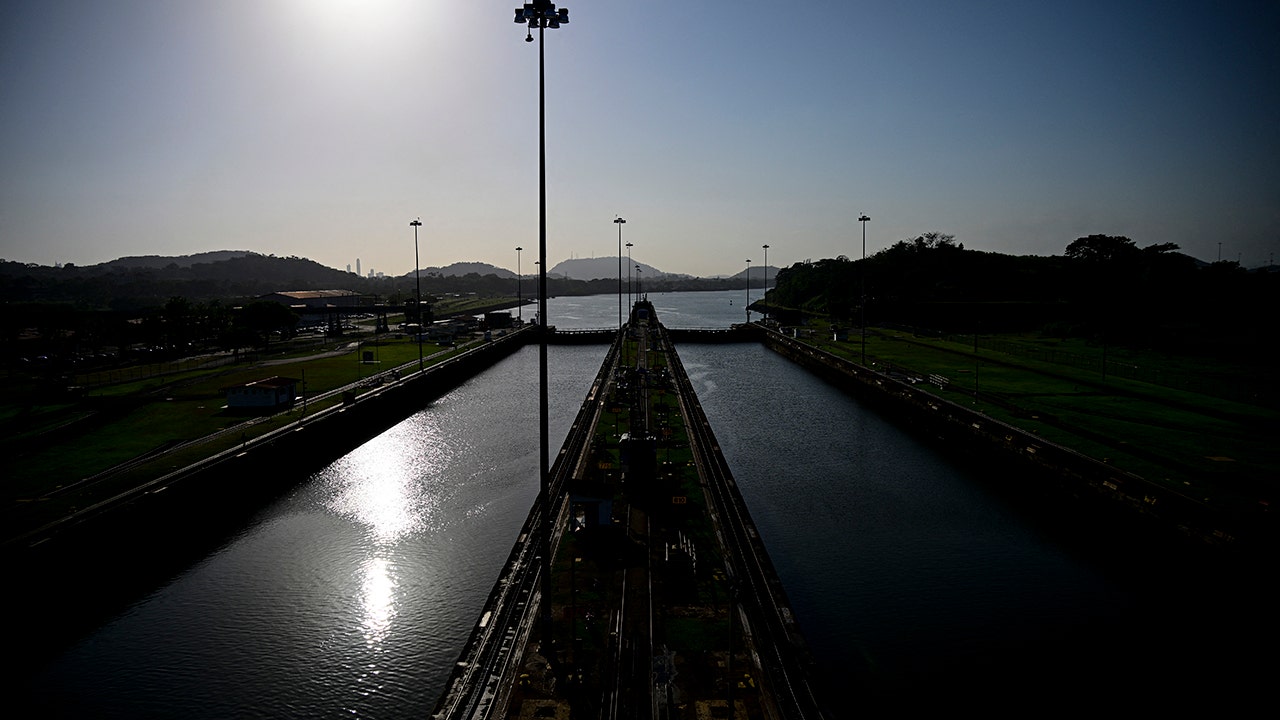
Logistics experts warn that the Houthi attacks in the Red Sea and the drought in the Panama Canal are causing significant disruptions to global trade, leading to product delays, shrinkflation, and higher costs for consumers. The attacks in the Red Sea and the drought in the Panama Canal are hindering trade routes and impacting supply chains, with potential scarcity of goods and higher costs for electronics, appliances, furniture, and oil. Experts anticipate greater impact on North America in the coming weeks, with retailers likely to announce shipment delays and resort to shrinkflation to offset losses. The issues are expected to persist until the Red Sea attacks cease and rain falls in Panama, prompting a need for advanced technology and digital supply chains to increase agility in an uncertain world.
Supply chain analyst Ming-Chi Kuo reports that the iPhone 15 Pro Max is experiencing "robust" demand, surpassing last year's iPhone 14 Pro Max demand during the same period. However, demand for the iPhone 15 Pro is weaker, possibly due to more customers opting for the Pro Max model. The Pro Max's upgraded Telephoto lens with 5x optical zoom and delayed mass production have contributed to shipping delays, with some configurations estimated for delivery in November. Kuo believes that demand for the iPhone 15 and iPhone 15 Plus is on par with their predecessors.
Rockwell Automation reported lower-than-expected sales and profit in the third quarter due to shipping delays that affected its ability to deliver goods to customers. The company experienced a longer-than-expected transition to a new third-party logistics supplier at its North American distribution center, resulting in missed shipments in May. Despite the setback, Rockwell Automation raised its full-year profit outlook.
Reports suggest that there may be limited availability of the iPhone 15 at launch, potentially due to production challenges. If the issue only affects certain models, Apple is likely to prioritize the unaffected ones for sale first and delay availability for the affected ones, as seen with previous iPhone launches. However, if production delays impact all four models, Apple will have to choose between putting them on sale in September with lengthy shipping delays or waiting until October for better availability and prompt shipping. A poll is being conducted to gather opinions on which option would be less frustrating for customers.