Tag

Shelf Life

All articles tagged with #shelf life

food-safety2 years ago

"The Surprising Link Between Expiration Dates and Funky Smells in Food"

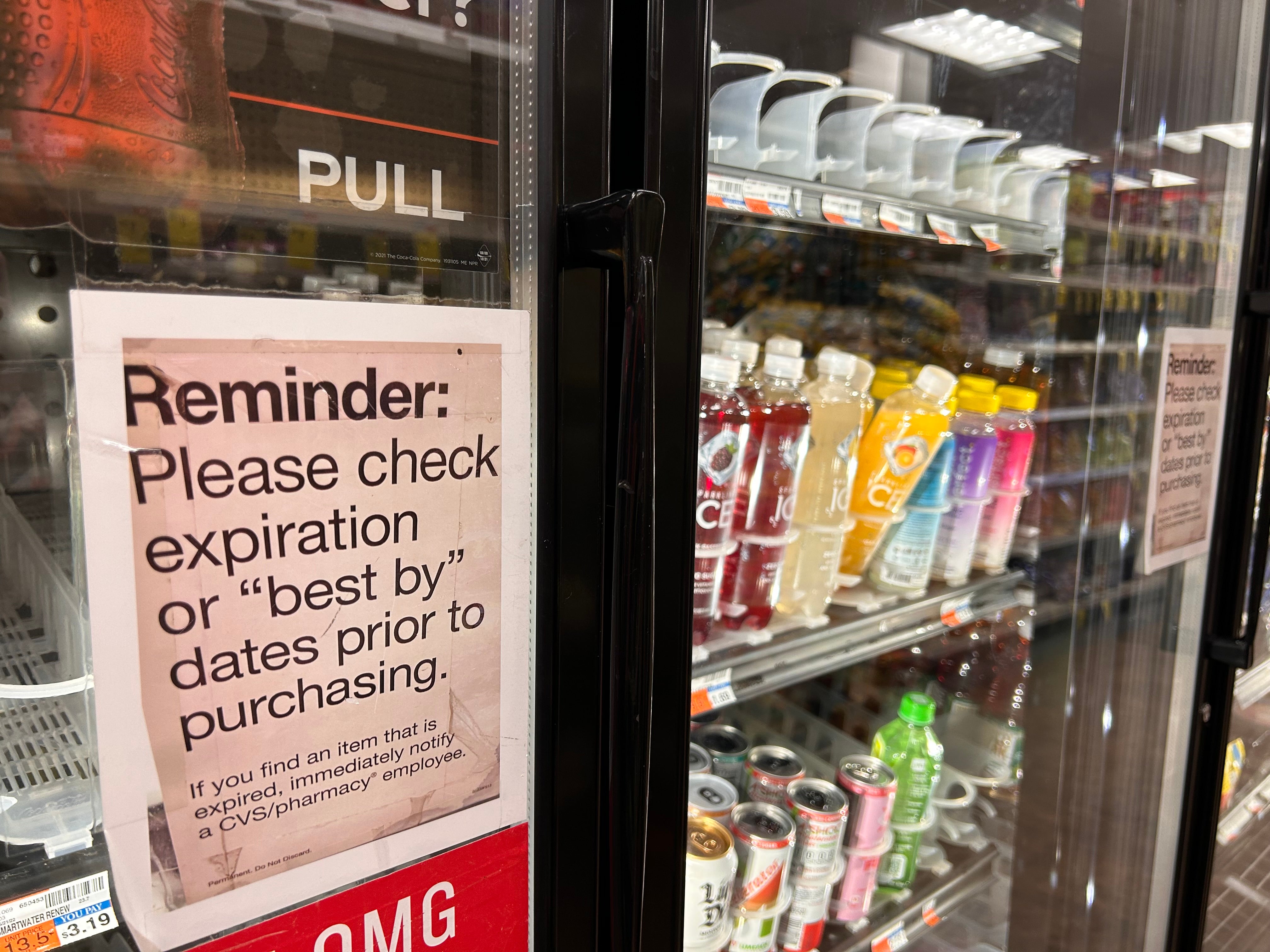
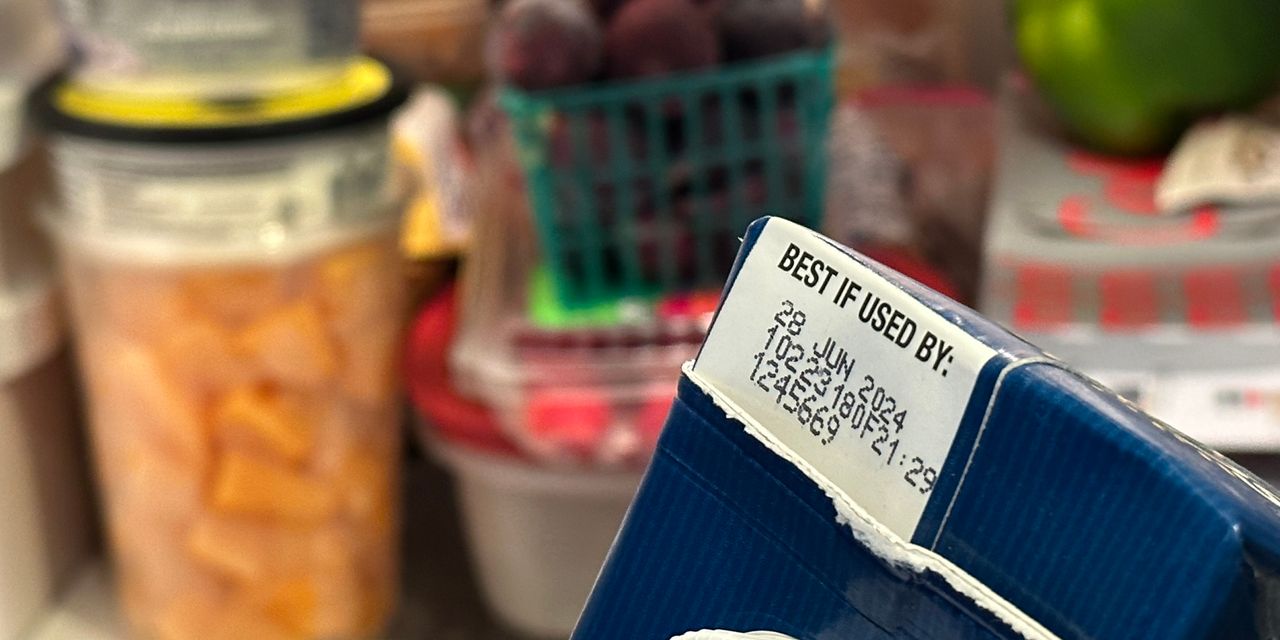
Expiration dates on food products serve as guidelines for maintaining food safety and quality. The "sell-by" date is for retailers, indicating when the product should be sold for peak quality. The "use-by" date suggests the optimal time for consuming the product at its best quality, but not necessarily a safety deadline. Foods like fish, meats, dairy products, and pre-prepared salads have "use-by" dates due to the potential risk of bacterial growth. However, dry goods, spices, packaged snacks, condiments, and hard cheeses can often be safe to consume past their expiration dates, although their taste and quality may diminish over time. Honey, white rice, and vinegar are examples of foods that never expire. Determining expiration dates involves scientific analysis and testing by food manufacturers.
food-and-survival2 years ago

The Rise of Long-lasting Food: 25-Year Lasagna, Special Ops Oatmeal, and the Survival Food Boom

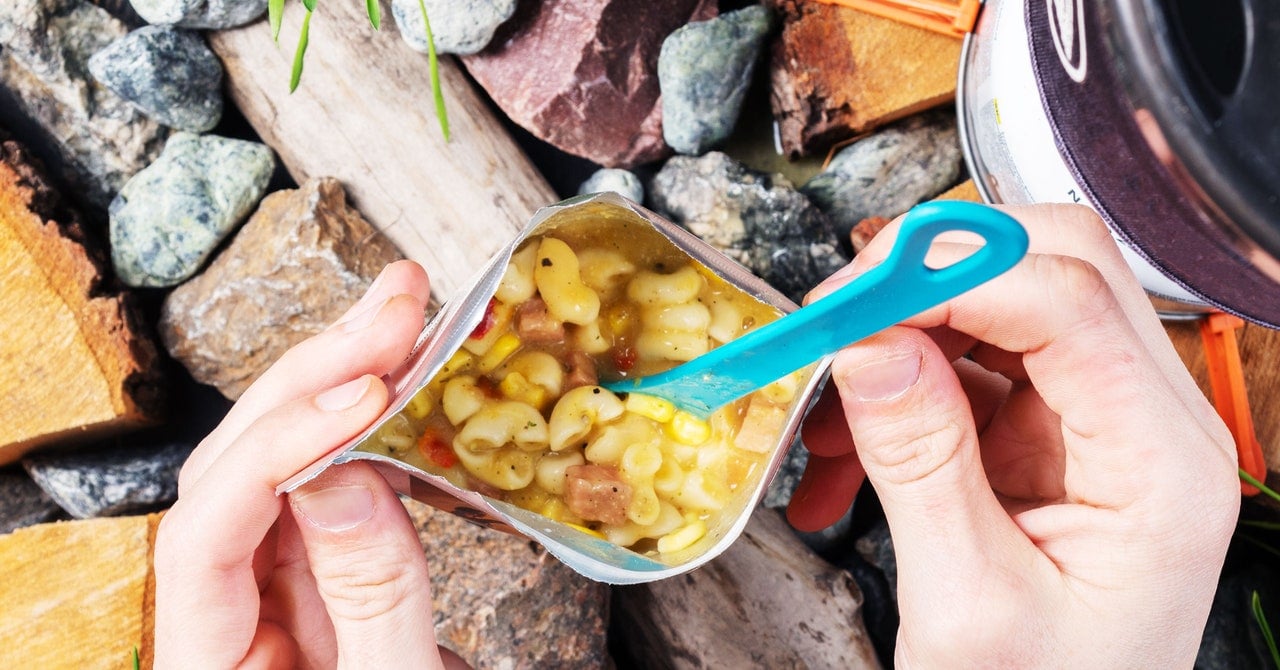
The demand for survival food has surged during the pandemic, with companies like Readywise and Nutrient Survival experiencing a significant increase in sales. These ready-to-eat meals can last up to 25 years when stored correctly and are popular among preppers and individuals seeking food insurance. The freeze-drying process used to preserve the food helps retain its nutritional value, although fats tend to degrade over time. While the taste and texture may not be comparable to fresh food, survival food provides a reliable source of sustenance in emergency situations. The spike in demand has led to the emergence of new businesses in the survival food market, catering to different preferences and nutritional needs.

consumer-goods2 years ago

Unveiling the Hidden Expiration Dates: 5 Surprising Things You Didn't Know Expired

The Wall Street Journal reports that the concept of expiration dates on consumer products, particularly food items, is being questioned as some experts argue that these dates are often arbitrary and do not necessarily indicate safety concerns. Critics argue that the current system leads to unnecessary waste and confusion among consumers, and there is a need for clearer guidelines and education on product labeling.

food-and-drink2 years ago

The Effects of Quitting Coffee and Milk for a Month: Expert Insights

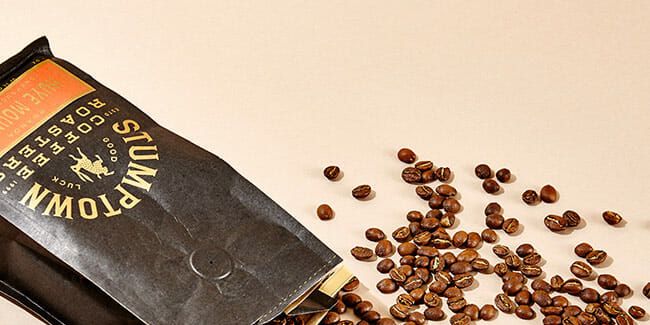
According to Peter Giuliano, Chief Research Officer at the Specialty Coffee Association, coffee is best consumed within two weeks of being roasted as it degrades quickly after that. By three months, coffee is considered fully stale. The loss of quality in coffee is due to de-gassing and the growth of undesirable compounds. Oxygen is the enemy of coffee beans, so bags of coffee feature a small valve hole to allow carbon dioxide to escape while preventing oxygen from entering. Leaving coffee in the bag helps maintain its freshness, but it should not be left for too long.

food-and-cooking2 years ago

"Extend the Shelf Life: Surprising Foods That Stay Fresh and How to Preserve Them"

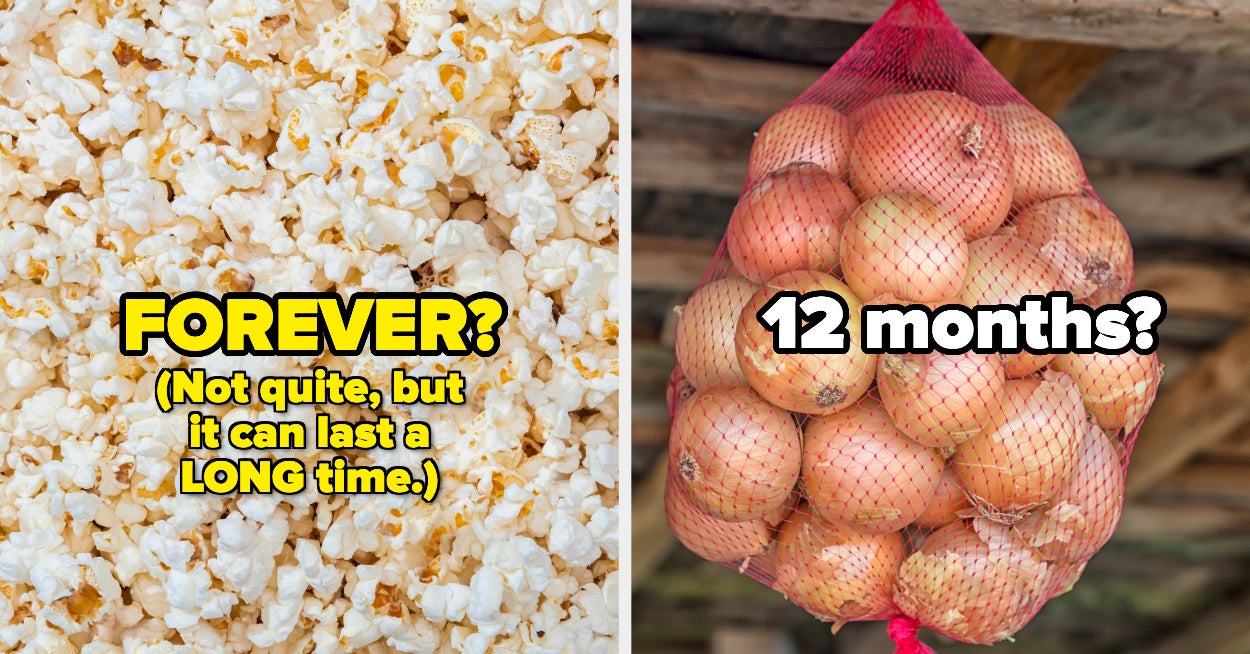
Here are 21 foods that have a longer shelf life than you might think if stored correctly: popcorn, dark chocolate, dried pasta, peanut butter, flour, frozen veggies, canned meats, apples, oats, honey, eggs, potatoes, onions, tea, liquor, beets, bacon, yogurt, cooked sausages, jellies and jams, and rice. Keeping these foods fresh and stored properly can help extend their lifespan.

home-and-kitchen2 years ago

"7 Surprising Items to Keep Out of Your Kitchen Cabinets"

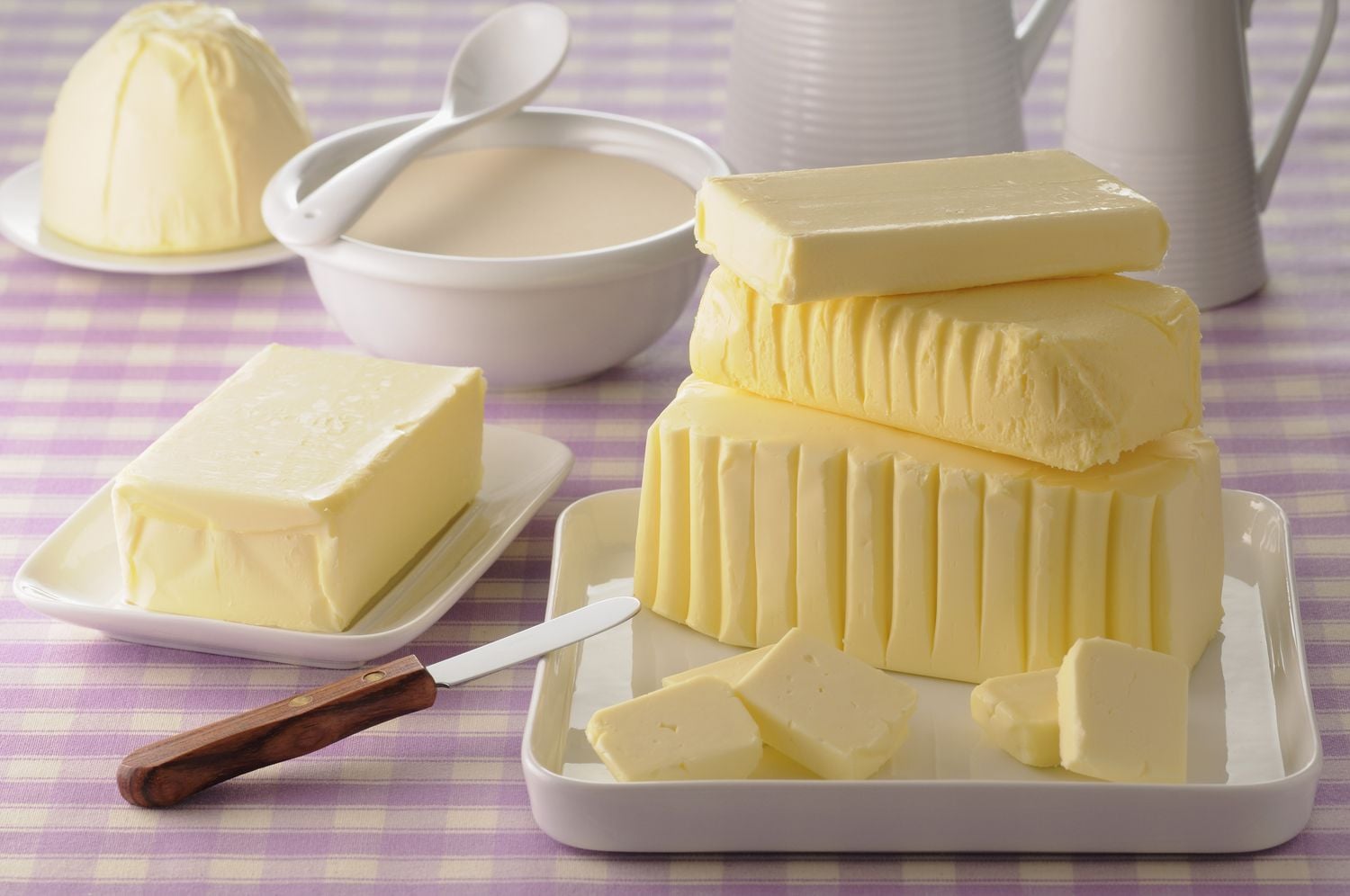
Chef Molly Gordon advises against storing unsalted butter, bananas, cleaning supplies, scented products, nuts, pure maple syrup, and natural nut butters in kitchen cabinets. Unsalted butter should be refrigerated to prevent bacterial growth, bananas should be kept cool on the countertop, cleaning supplies should be stored in a safer space, scented products should be kept away from edible items, nuts should be stored in an airtight container in the freezer, pure maple syrup should be refrigerated due to the lack of preservatives, and natural nut butters can go rancid if kept in a kitchen cabinet.

food-and-health2 years ago

The Crucial Mistake to Avoid When Storing and Buying Nuts

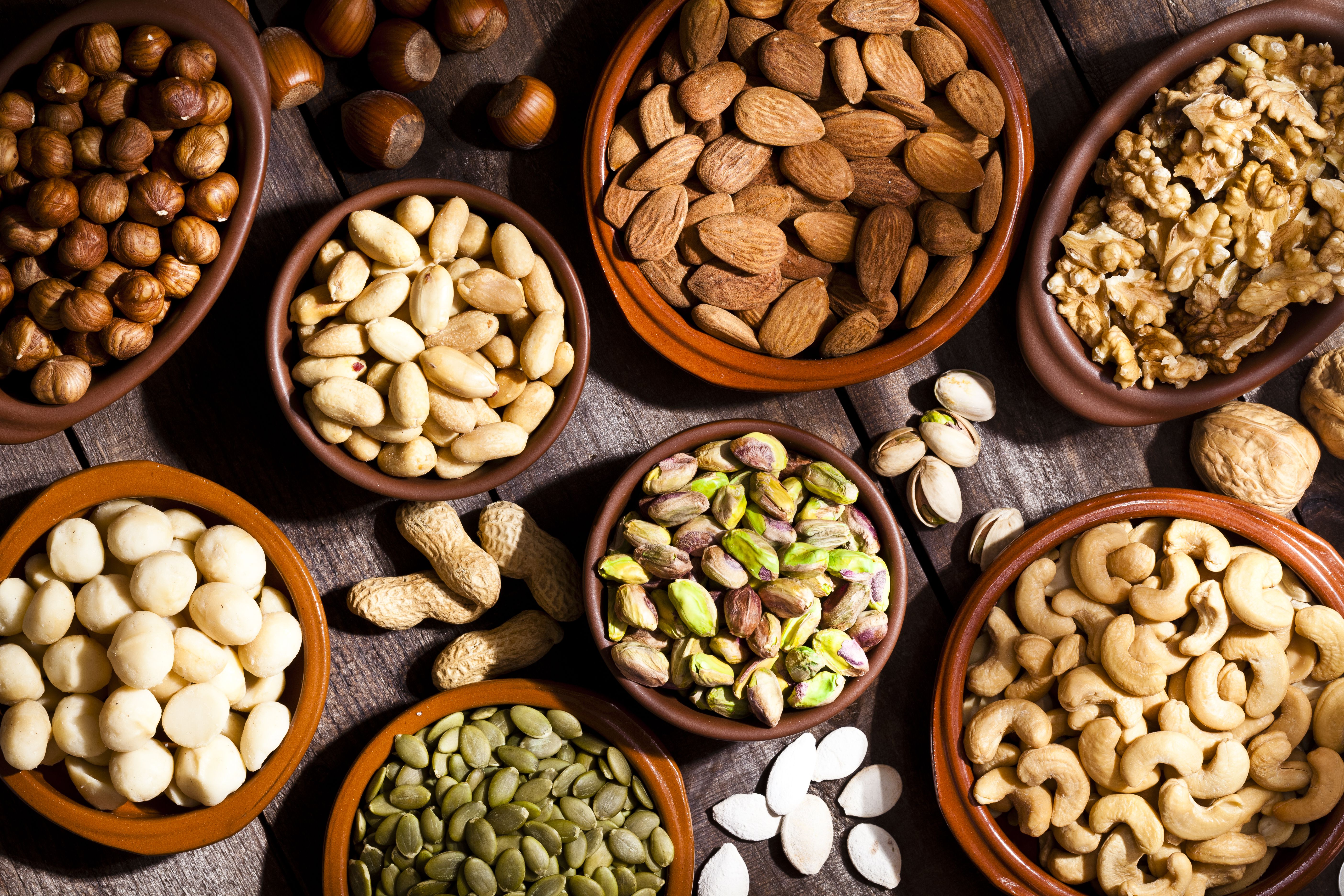
Nuts and seeds should not be stored in the pantry due to their high unsaturated fat content, which makes them prone to oxidation and rancidity. Additionally, they are susceptible to mold growth. To maximize shelf life, it is recommended to store nuts in the freezer, where they can last up to a year or even longer. Refrigeration can extend their freshness for up to six months. In-shell nuts have the longest shelf life, while finely chopped and roasted options have the shortest. It is also advisable to avoid bulk bins and purchase nuts in airtight containers for better freshness.

automotive2 years ago

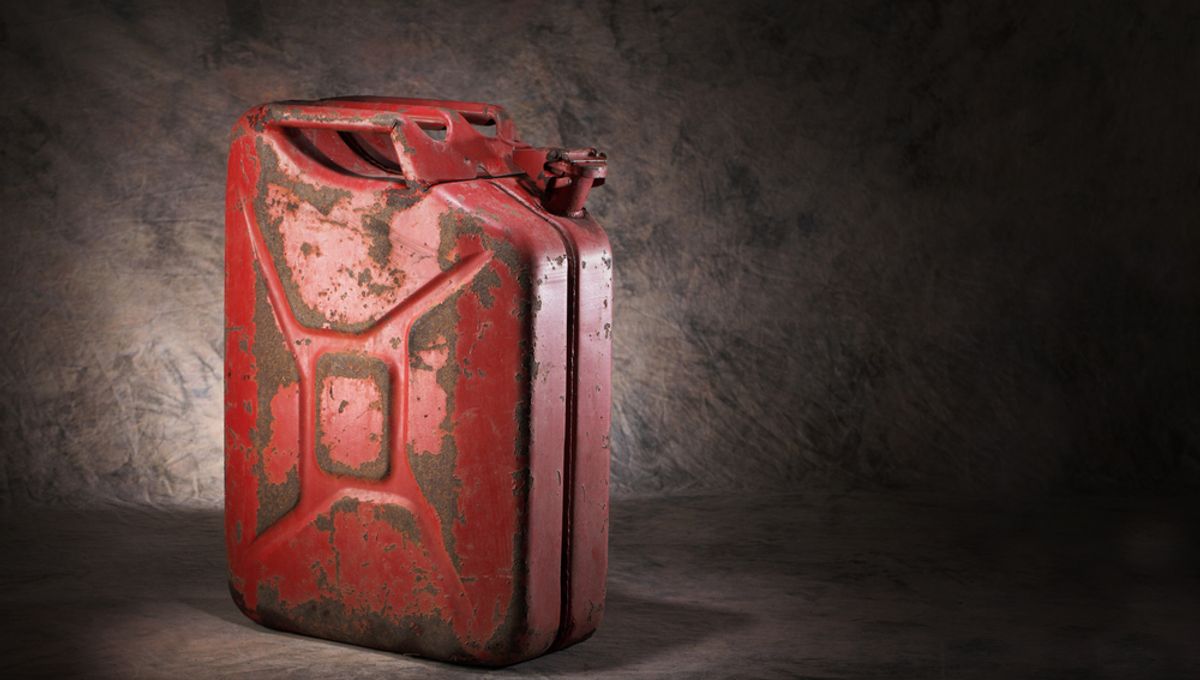
The Surprising Short Shelf Life of Gasoline.

Gasoline can expire in as little as four weeks if left dormant in a vehicle's tank. Fuel stabilizers can extend the shelf life from one to three years in optimal conditions. Ethanol in gasoline can bond with water and corrode the engine. Gasoline is made up of only the lightest hydrocarbons out of crude oil, and leaving it too long can result in some of those molecules evaporating away. To maximize gasoline's shelf life, it should be stored in a full container in a constant temperature and low humidity environment.