Tag

Shark Behavior

All articles tagged with #shark behavior

"Baby Sharks Adapting to Coastal Environments, Study Finds"

Originally Published 1 year ago — by Newsweek

Featured image for "Baby Sharks Adapting to Coastal Environments, Study Finds"
Source: Newsweek

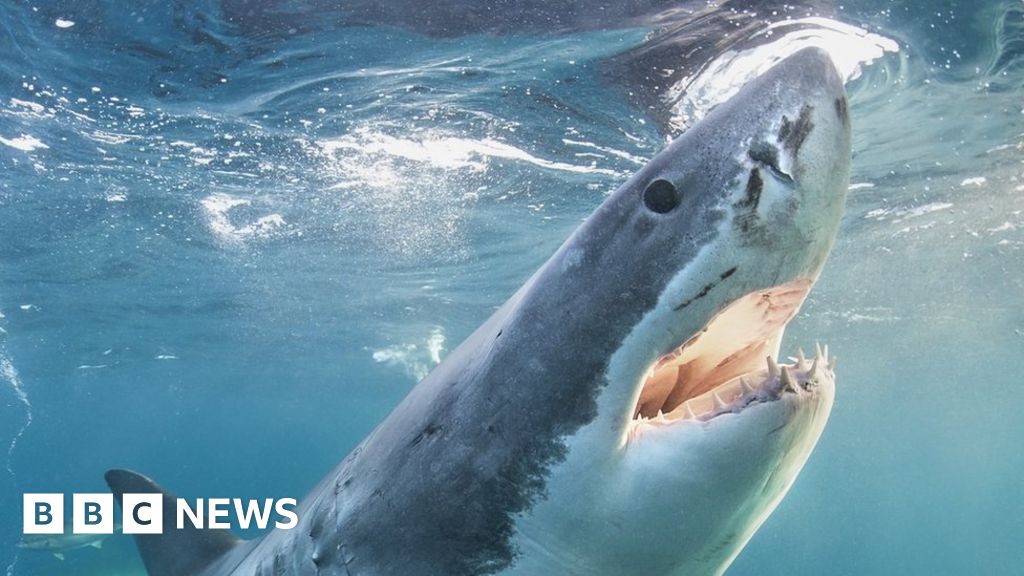
Researchers have discovered that great white sharks exhibit flexible behavior, adapting their movements and routines to suit their local environment and exploit feeding opportunities. By tagging 21 sharks and analyzing their behavior in different environments, the study found that sharks adjust their activity based on the availability of prey, with variations in movements observed between sharks from different areas. This newfound understanding of shark behavior could provide valuable insights into marine ecology and pave the way for further research using advanced tagging technology.
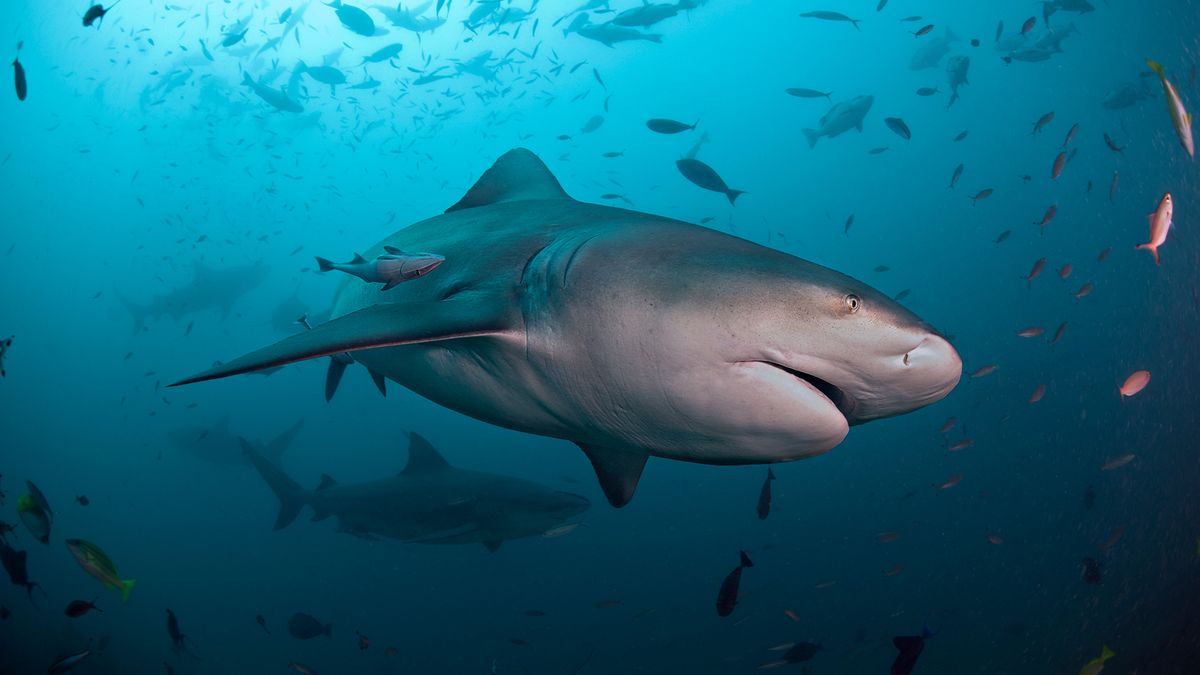
"Surge in Bull Shark Population off Alabama Coast Poses No Threat to Swimmers"

Originally Published 1 year ago — by Livescience.com

Featured image for "Surge in Bull Shark Population off Alabama Coast Poses No Threat to Swimmers"
Source: Livescience.com

Researchers found a five-fold increase in the number of baby bull sharks off the coast of Alabama between 2003 and 2020, indicating a healthy ecosystem. Despite their aggressive nature, beachgoers need not worry about shark bites as bull sharks are not interested in humans. The sharks' presence in Mobile Bay reflects their ability to thrive in warming waters, but their vulnerability to extinction globally due to fishing and climate change remains a concern.

"Understanding the Behavior of Great White Sharks Near Bodyboarders"

Originally Published 1 year ago — by The Inertia

Featured image for "Understanding the Behavior of Great White Sharks Near Bodyboarders"
Source: The Inertia

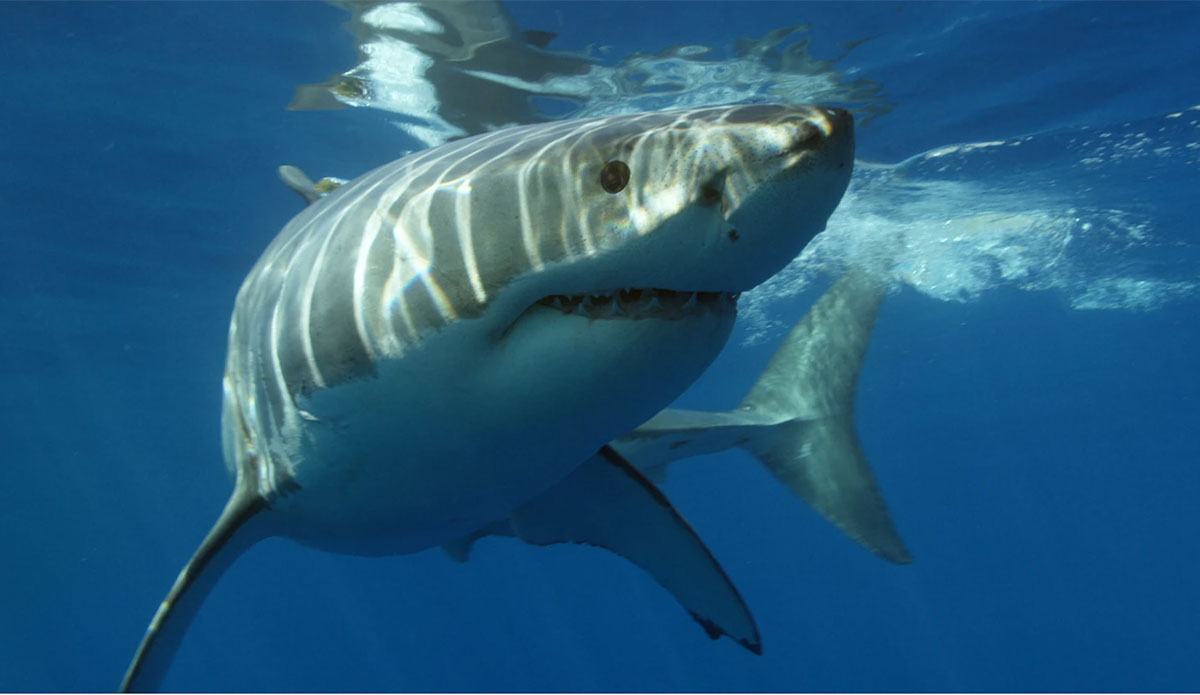
A video shared by YouTube scientist Carlos Gauna shows a great white shark coming very close to a swimmer in Southern California, prompting concern. However, analysis with a scientist from the Shark Lab at California State University Long Beach revealed insights into the shark's near-shore behaviors. A 2023 study found that juvenile great whites are more common in the area than previously thought, often sharing the ocean with people. Despite the fear associated with sharks, the study may change perceptions of the risk they pose to ocean-goers. Gauna, a drone enthusiast passionate about sharks, provides footage that has aided researchers, explaining the sharks' hunting behavior and dispelling some fears.

"Rare Footage: First-Ever Sighting of Newborn Great White Shark in the Wild"

Originally Published 1 year ago — by BBC.com

Featured image for "Rare Footage: First-Ever Sighting of Newborn Great White Shark in the Wild"
Source: BBC.com

YouTuber and drone enthusiast Carlos Gauna may have captured the first-ever footage of a newborn great white shark near Santa Barbara, California. The shark's white appearance and rounded fins suggest it could be a newborn, but some marine biologists urge caution, noting that it could also be a shark with a skin disease or another condition. Drones have revolutionized shark filming, providing valuable insights into their behavior and interactions with humans, and Carlos hopes to one day capture the birth of a great white shark on film.

Hidden Sharks: Surprising Discovery of Sand Catsharks Living Inside Sea Sponges

Originally Published 2 years ago — by Phys.org

Featured image for Hidden Sharks: Surprising Discovery of Sand Catsharks Living Inside Sea Sponges
Source: Phys.org

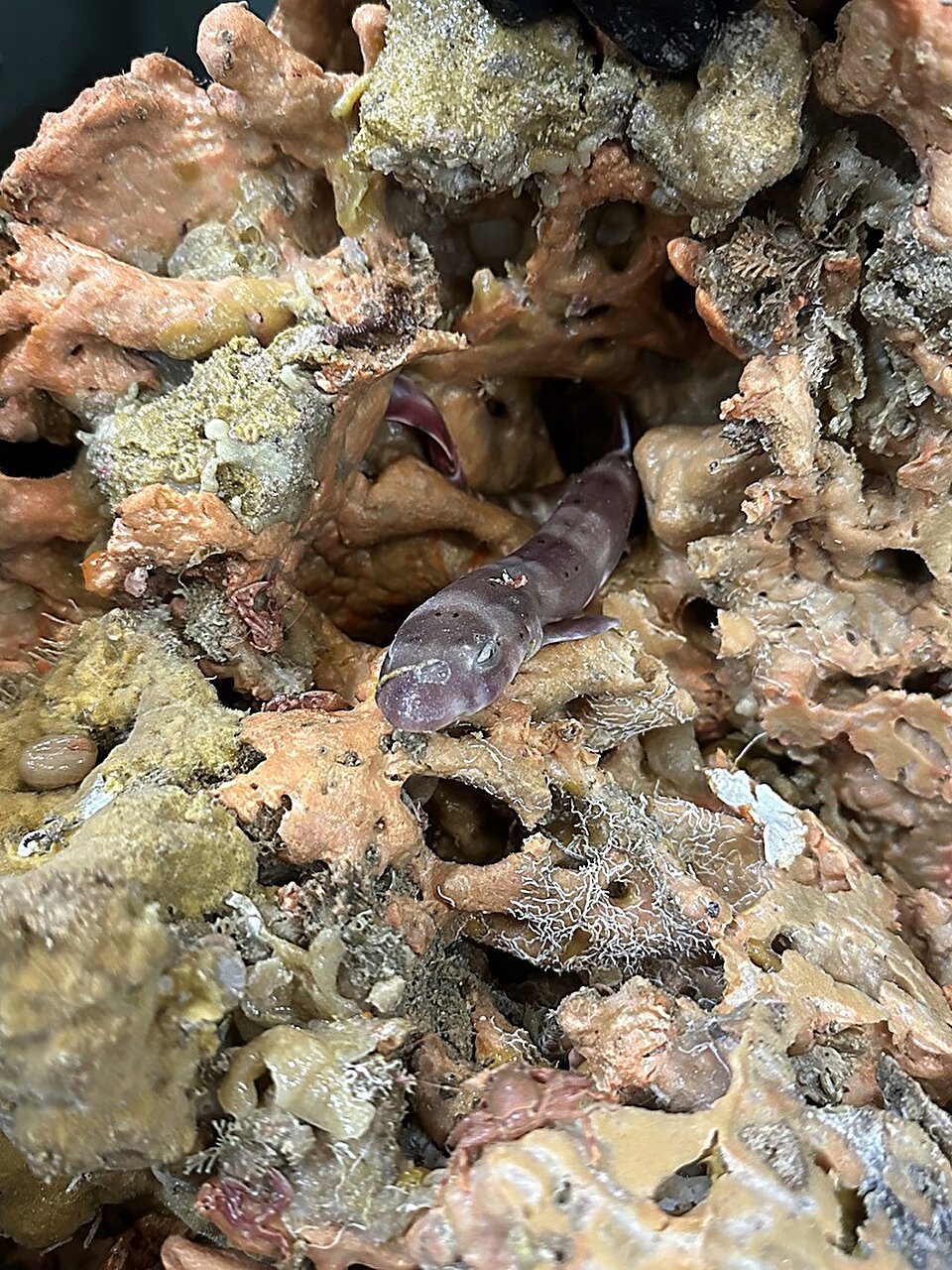
Scientists have made the first known observation of a shark species, specifically banded sand catsharks, living inside sea sponges. During two voyages off the coast of north-western Australia, researchers discovered a total of 57 catsharks hiding in five large sponges. This behavior, previously unseen in sharks or other elasmobranchs, suggests that sponges may serve as microhabitats for certain shark species. The sharks likely use the sponges as a hiding place during the day to avoid predators, and this behavior may also benefit the sponges by potentially reducing the number of invertebrate species that prey on them. The discovery highlights the importance of intraspecific relationships between organisms and the need for further research on shark behavior in the ocean.

Unlikely Friendship: Great White Sharks Forge Unbreakable Bond

Originally Published 2 years ago — by New York Post

Featured image for Unlikely Friendship: Great White Sharks Forge Unbreakable Bond
Source: New York Post

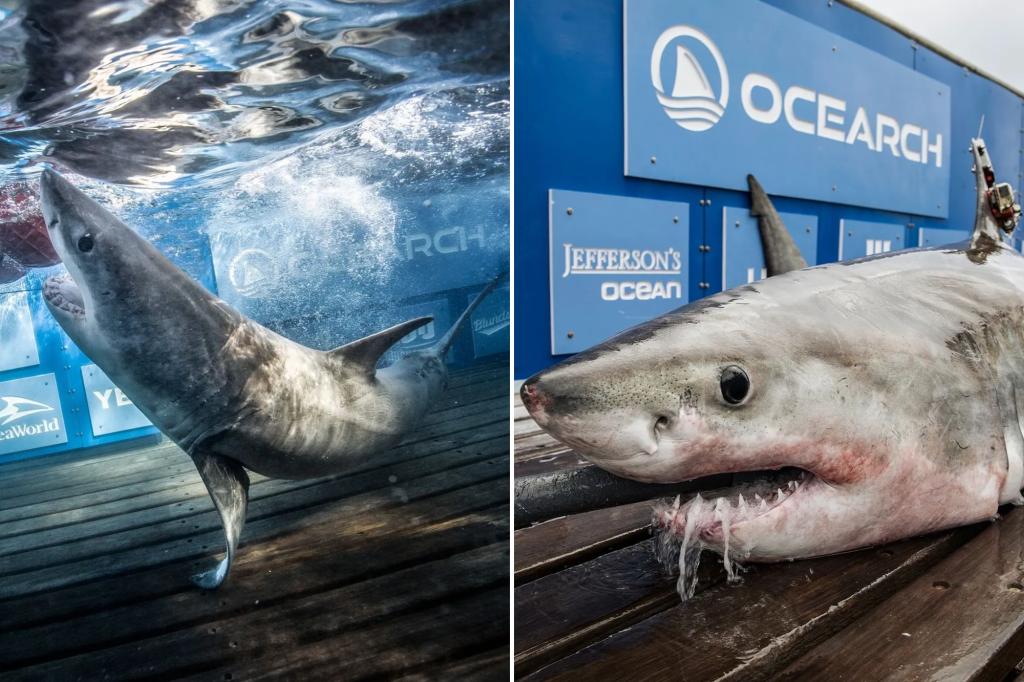
Two great white sharks, named Simon and Jekyll, have surprised experts by becoming travel companions and swimming together for about 4,000 miles from the Georgia coast to Nova Scotia. This unusual behavior challenges the belief that great whites are solitary creatures. OCEARCH scientists are testing DNA samples to determine if the sharks are biological brothers or half-brothers. The discovery is considered groundbreaking and could provide new insights into shark behavior and conservation efforts.

"Surprising Discovery: Great White Sharks Form Unlikely Friendships and Travel in Pairs"

Originally Published 2 years ago — by Syfy

Featured image for "Surprising Discovery: Great White Sharks Form Unlikely Friendships and Travel in Pairs"
Source: Syfy

Recent research by Ocearch suggests that great white sharks, typically thought of as solitary creatures, may actually travel in pairs. Two juvenile white sharks, named Simon and Jekyll, have been tracked together for over 4,000 miles along the Atlantic coast. The researchers are testing their blood samples to determine if they are biologically related, which could provide insights into the social structures of sharks. While it is unclear why these two sharks are swimming together, it is possible that having a companion benefits them in various ways, such as fending off competitors or predators, capturing prey, and mating. This discovery challenges the perception that sharks are solely focused on hunting and reveals a potentially richer social life among these creatures.

Shattering Misconceptions: Experts Reveal the Truth about Sharks' Proximity to Shore

Originally Published 2 years ago — by MassLive.com

Featured image for Shattering Misconceptions: Experts Reveal the Truth about Sharks' Proximity to Shore
Source: MassLive.com

A study conducted by the Atlantic White Shark Conservancy suggests that white sharks spend about 47% of their time in shallow waters close to shore, posing a potential risk to recreational water users. While the overall risk of shark attacks is low, there is a need for shark-related public safety practices in coastal regions. Other shark species, such as bull sharks, are also known to thrive in shallow waters. It is important for individuals to take precautions when venturing into the water, such as staying with a buddy, avoiding low light hours, and being cautious in areas known to attract sharks.

"Groundbreaking Study Confirms Juvenile Great Whites Pose No Threat to Humans"

Originally Published 2 years ago — by TheInertia.com

Featured image for "Groundbreaking Study Confirms Juvenile Great Whites Pose No Threat to Humans"
Source: TheInertia.com

A new study published in the journal PLOS ONE has debunked the myth that juvenile great white sharks pose a significant threat to humans. Researchers found that these sharks have little interest in eating humans and are more likely to be searching for their usual prey, such as stingrays or fish. The study, which involved flying a drone over Southern California beaches for two years, observed a high percentage of human-shark interactions but only one reported shark bite. The findings support the notion that sharks are not as dangerous to humans as commonly believed.