Tag

Shaihuludia Shurikeni

All articles tagged with #shaihuludia shurikeni

science2 years ago

Ancient Sea Worm Unearthed on Idaho-Utah Border

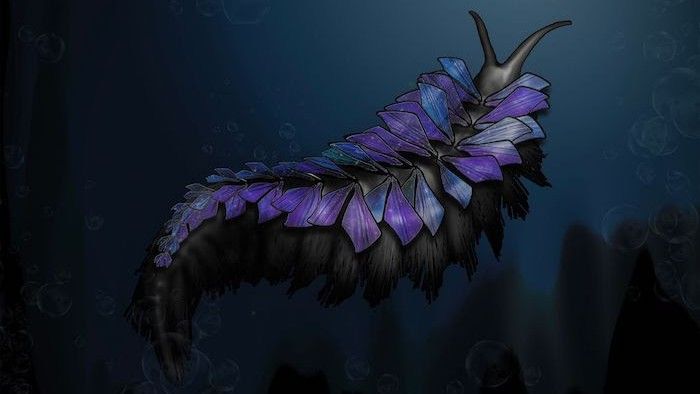
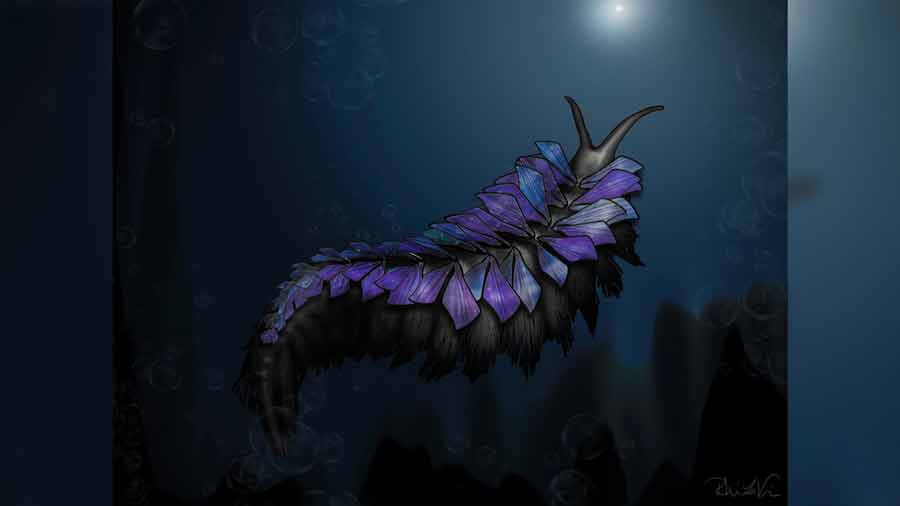
A University of Kansas paleontologist discovered a 500-million-year-old sea worm fossil while conducting fieldwork in the Spence Shale formation along the Idaho-Utah border. The researcher named the fossil worm Shaihuludia shurikeni, inspired by the worms in Frank Herbert's "Dune" novels. The fossil, a previously unknown annelid species, is about 7-8 centimeters long and has blade-like bristles. The findings were published in the Historical Biology journal, and the specimen is now part of the University of Kansas Biodiversity Institute's collection.
paleontology2 years ago

Ancient Sea Worm Unearthed in Northern Utah

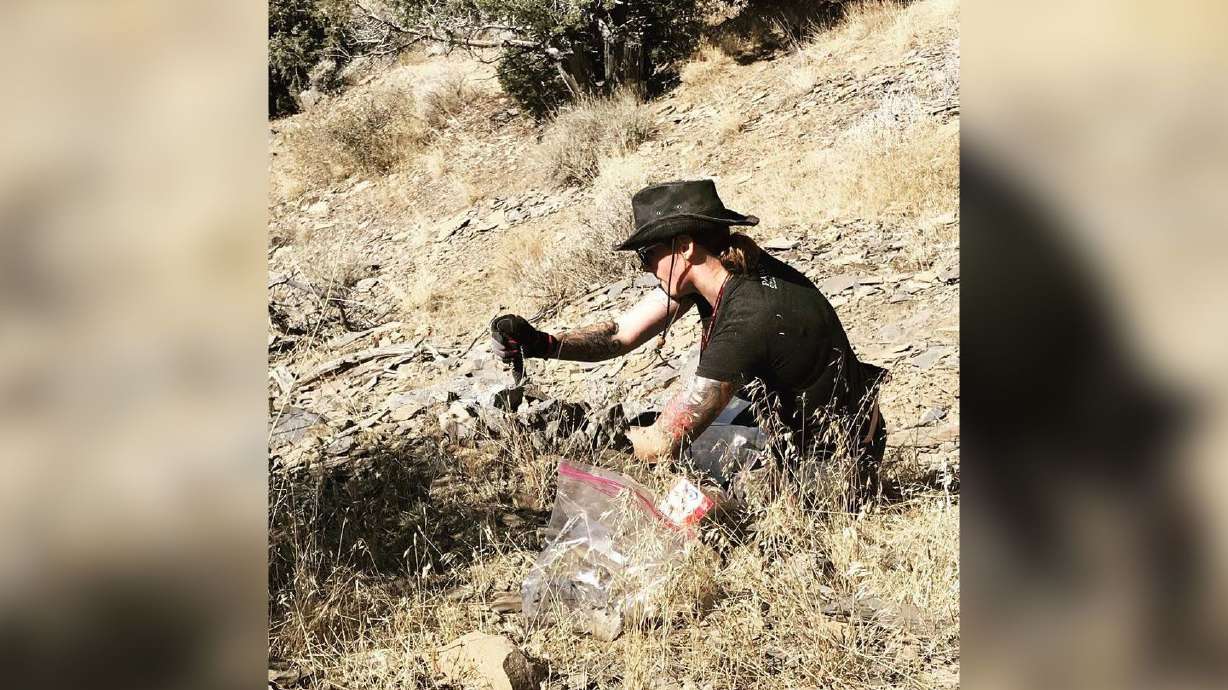
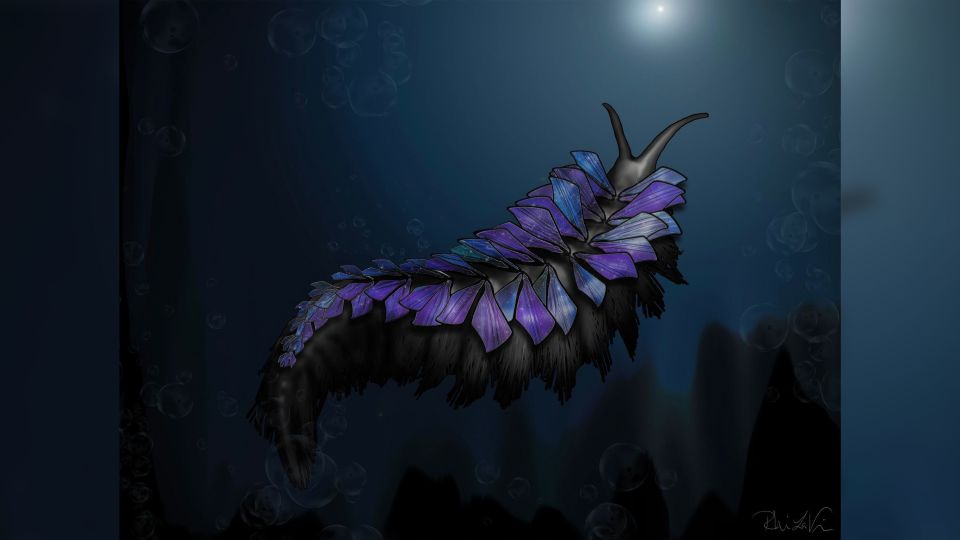
A University of Kansas paleontologist discovered a 500-million-year-old fossil of an ancient sea worm in northern Utah. The researcher named the worm Shaihuludia shurikeni, inspired by the indigenous name for worms in Frank Herbert's "Dune" novels. The fossil, a previously unknown annelid species, is about 7-8 centimeters long and has blade-like bristles. The findings were published in the Historical Biology journal and the specimen is now part of the university's paleontological collection.

paleontology2 years ago

"Dune-Inspired Sea Worm Unearthed: A 500-Million-Year-Old Marvel"

A paleontologist from the University of Kansas has discovered a 500-million-year-old sea worm in the Spence Shale formation in Utah. The researcher named the fossil worm Shaihuludia shurikeni, inspired by the worms in Frank Herbert's "Dune" novels. The worm is about 7-8 centimeters long and belongs to a previously unknown annelid species. The findings were published in the Historical Biology journal, and the fossil is now part of the university's paleontological collection.

paleontology2 years ago

Ancient Sea Worm Named After 'Dune' Sandworms

A 500-million-year-old fossilized sea worm, named Shaihuludia shurikeni, has been discovered in northern Utah. The worm, which lived during the Cambrian period, is named after the sandworms in the "Dune" novels due to its blade-like bristles resembling throwing stars. The fossil was found in the Spence Shale, a geological formation known for its rare fossils, and is a new species of annelid. The discovery sheds light on the diverse life forms that existed during the Cambrian explosion.