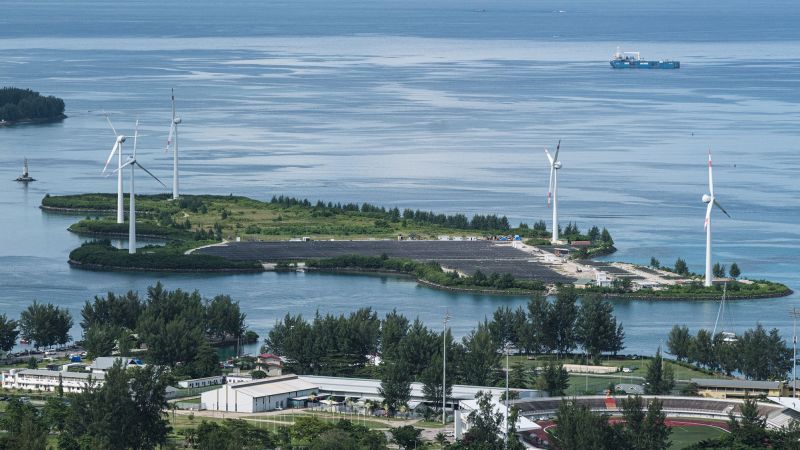
Opposition leader Patrick Herminie wins Seychelles presidential election, defeating incumbent Wavel Ramkalawan in a runoff, promising to address economic issues and unite the nation, while his party also secures a parliamentary majority.
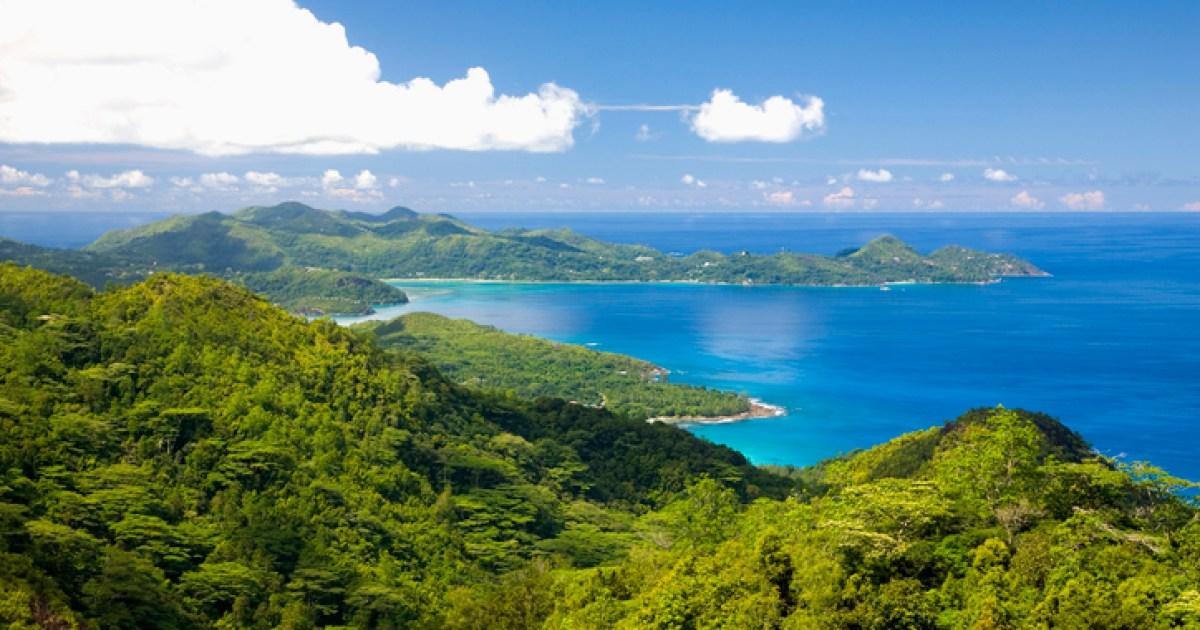
The International Space Station is facing worsening air leaks in its Russian section, raising concerns about its future operations. Meanwhile, the historic SS United States ocean liner is set to become the world's largest artificial reef in the Gulf of Mexico. In Alaska, the Polar Night phenomenon begins, leaving towns in darkness for two months. In the Seychelles, preschoolers are actively participating in environmental conservation efforts to combat marine debris. Lastly, the Kingda Ka Roller Coaster at Six Flags Great Adventure is retiring after nearly two decades of operation.
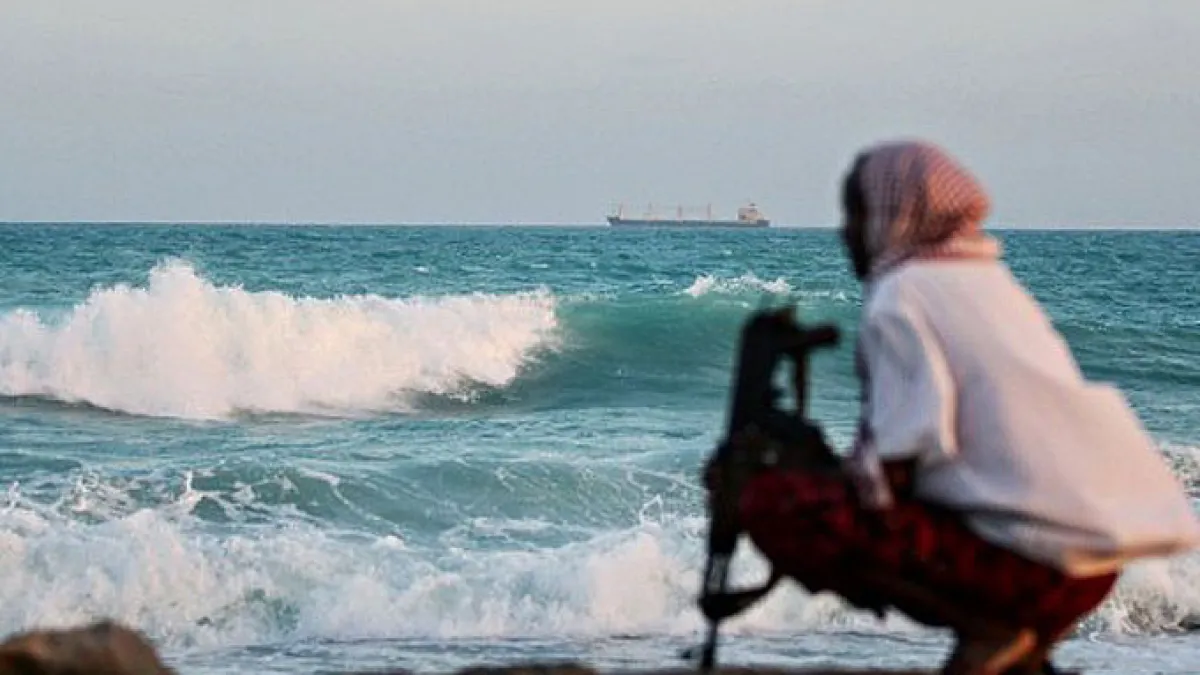
Two vessels, one Sri Lankan and one Iranian, have been freed following hijackings by Somali pirates. The rise in pirate activity off Somalia is raising concerns about security in the region's waters, with Yemen's Iran-backed Houthi rebels targeting ships in the Red Sea. International naval forces have diverted north into the Red Sea to halt the attacks, sparking fears that Somali pirates could exploit the vacuum.
Travel companies are encouraging longer trips and sabbaticals as a way to reduce the carbon emissions associated with frequent air travel. Natucate, a company operating in the Seychelles, offers conservation trips lasting between 26 and 52 days, allowing travelers to contribute to protecting native turtle populations and giant tortoises. The trend towards longer trips benefits both the travelers and the local NGOs, fostering a deeper understanding of conservation work and spreading awareness about biodiversity. Natucate's efforts reflect a growing trend towards more mindful and sustainable travel practices.
The Seychelles declared a state of emergency after severe flooding and an explosive blast hit the country's main island, Mahé. Three people died in the flooding, while over 100 were injured in the blast at an explosives depot. The flooding trapped people in houses, washed away parts of roads, and caused landslides. East Africa has also been experiencing deadly flooding in recent days and weeks, with scientists attributing the intensification of rainfall to human-caused climate change, a strong El Niño, and a cyclical weather pattern in the Indian Ocean.
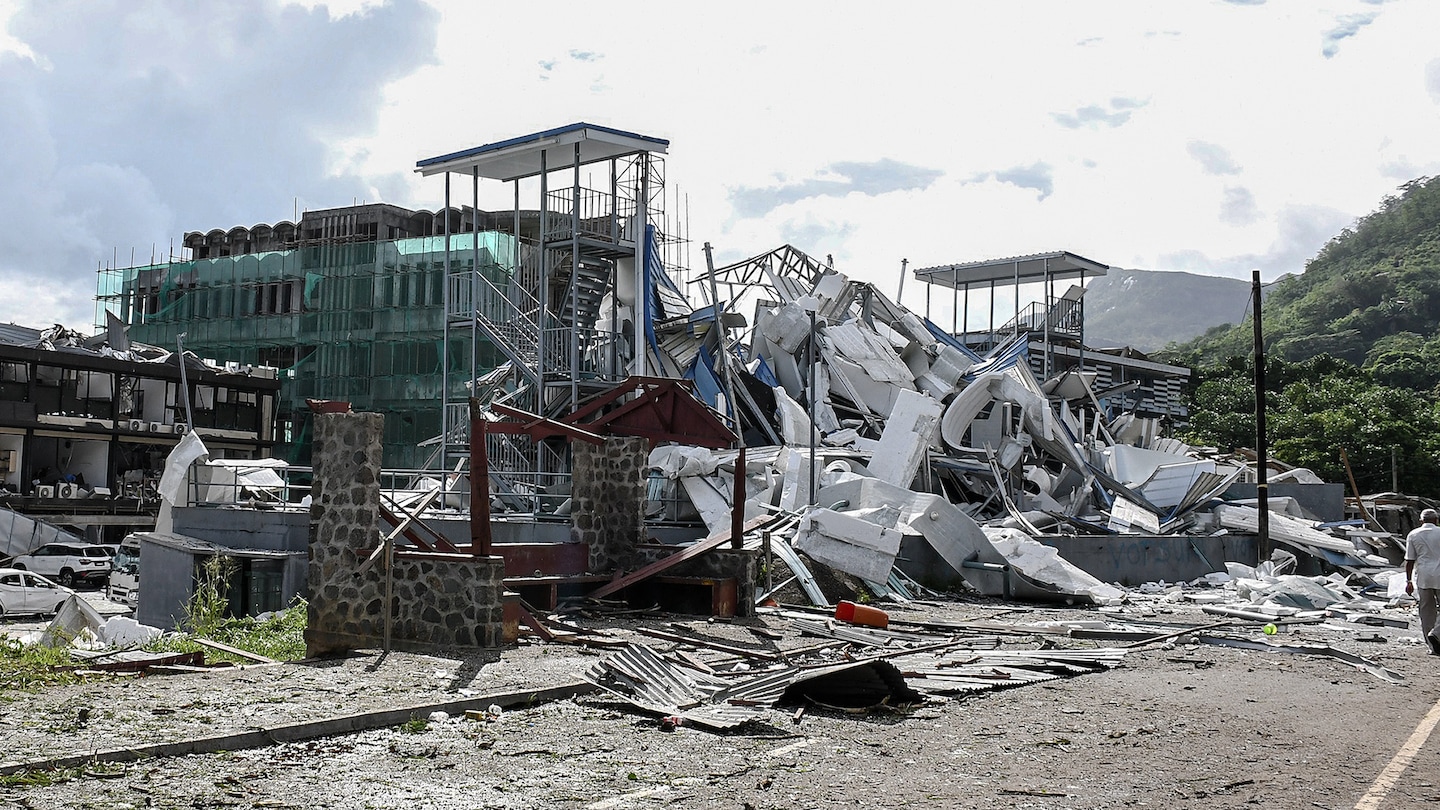
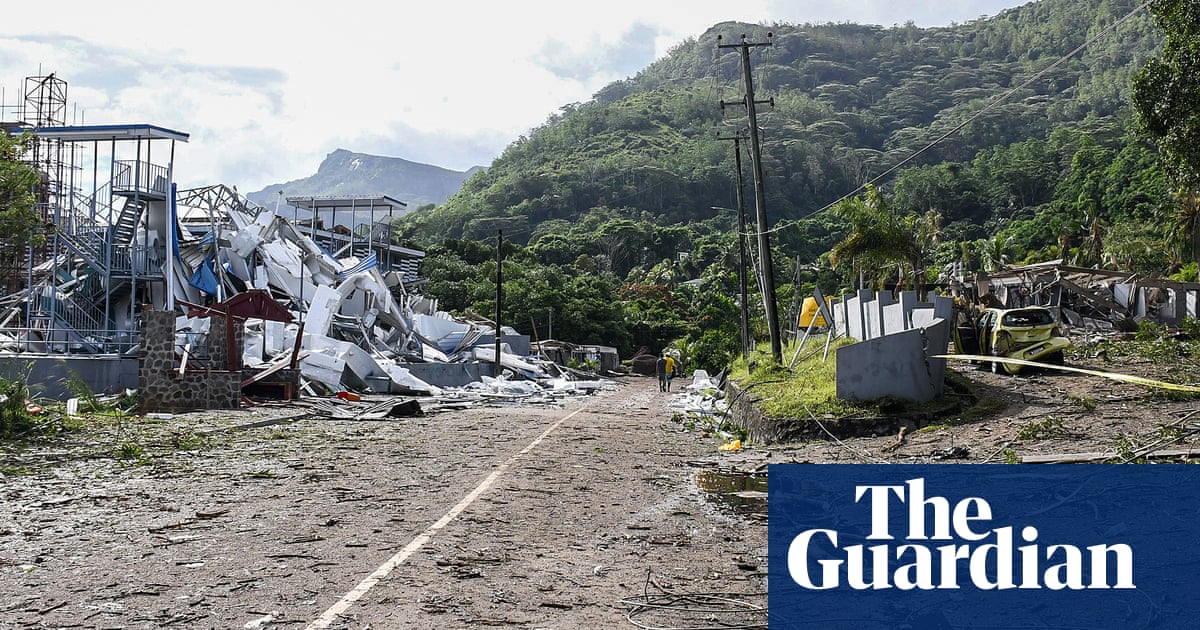
A massive explosion at an industrial zone in the Seychelles has led to a state of emergency being declared. The blast flattened buildings, including commercial structures and houses, and caused damage to the international airport. Several people were evacuated and injured. The explosion occurred at a site where four containers holding explosives were located.
Seychelles has declared a state of emergency after heavy rains triggered flooding and an explosion at an explosives depot, resulting in three deaths. The president has called for a minute of silence and urged everyone to stay at home, with schools closed and only essential workers and travelers allowed free movement. The country's main island, Mahe, has been severely affected, with streets covered in mud and debris. Despite the situation, the international airport and ferries remain operational for tourists. These floods are part of a series of climate shocks experienced in East Africa this year.
Seychelles President Wavel Ramkalawan declared a state of emergency after a massive explosion at an explosives store injured scores of people and caused significant damage in the Providence industrial area. The country has also been dealing with heavy rains and flooding, resulting in major destruction. Schools are closed, and only essential workers are allowed to move freely. At least 100 people were injured in the blast, and two others were killed by floods. The area resembles a "war zone" with extensive damage to buildings.
Blue whales, the largest animals on Earth, are making a comeback in the Seychelles after being wiped out by Soviet hunters. Researchers detected the presence of blue whales in the area, suggesting they could be breeding there. The species, once prolific in the Indian Ocean, was heavily hunted in the 20th century, resulting in a significant decline in their population. However, conservation efforts and a ban on whaling have led to an increase in their numbers. The return of blue whales to the Seychelles is seen as a conservation success.