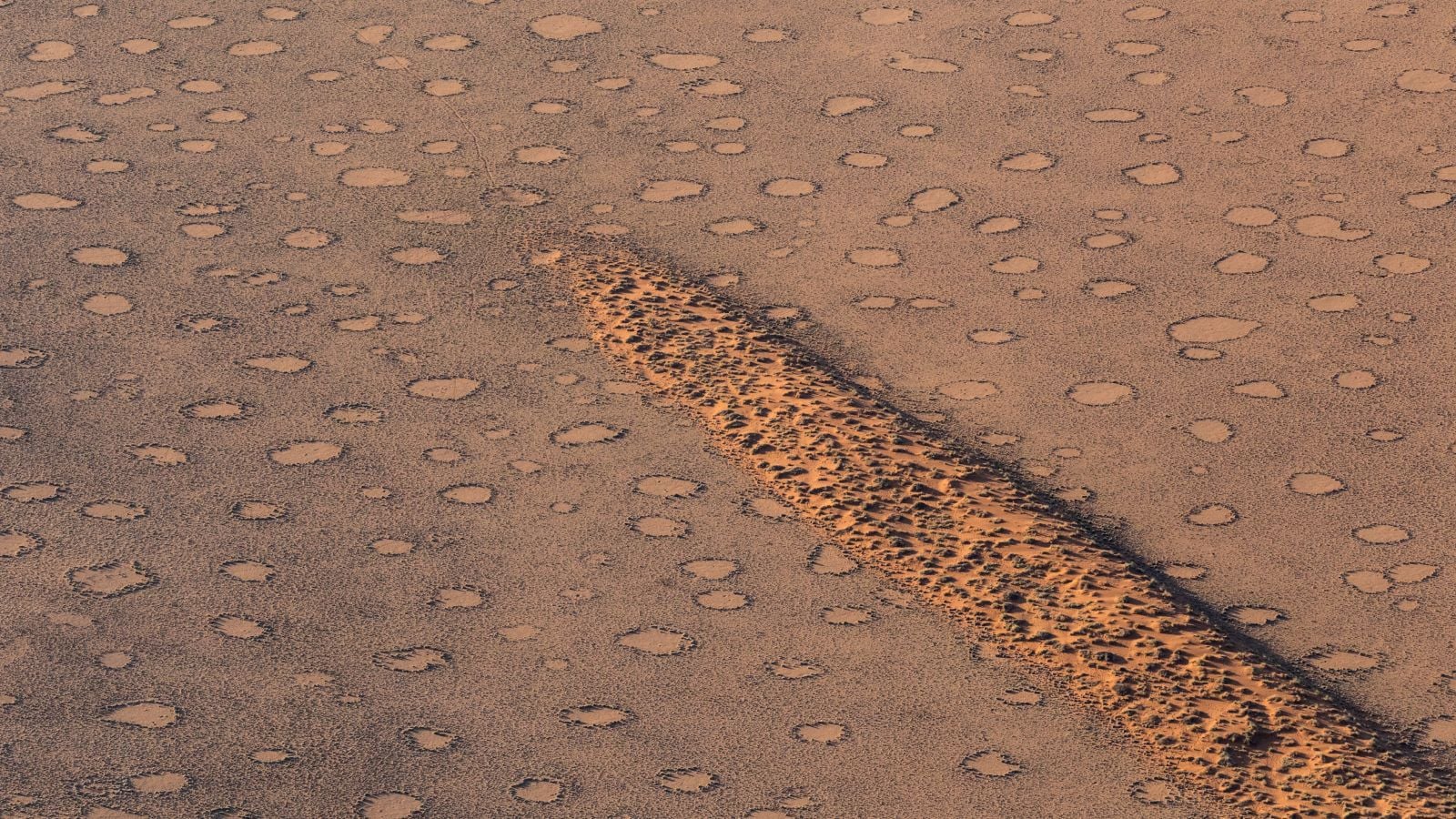
Scientists have discovered a widespread 'hidden order' in drylands worldwide, where plants self-organize into a disordered hyperuniform pattern that optimizes resource use and enhances survival in extreme conditions, with implications for ecosystem resilience and early warning signs of environmental stress.
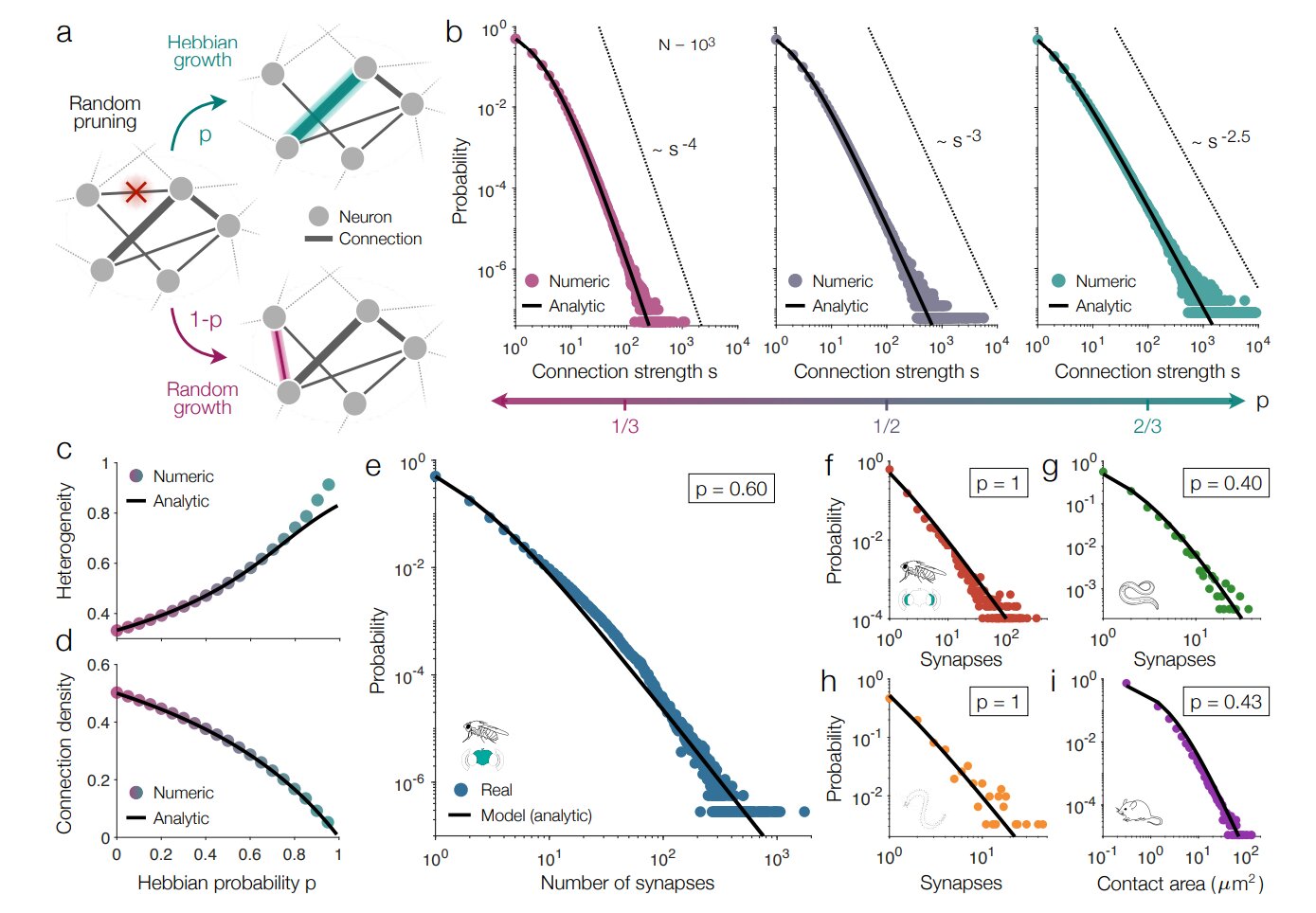
Physicists and neuroscientists propose a self-organizing model of connectivity, based on Hebbian dynamics, that accurately describes neuronal connectivity in various organisms and could apply to non-biological networks. The study, published in Nature Physics, suggests that the "heavy-tailed" distribution of connections in brain networks arises from general principles of networking and self-organization, rather than specific biological features. The model also explains clustering and accounts for randomness in brain circuits, offering insights that may extend beyond the brain to other types of networks in future research.
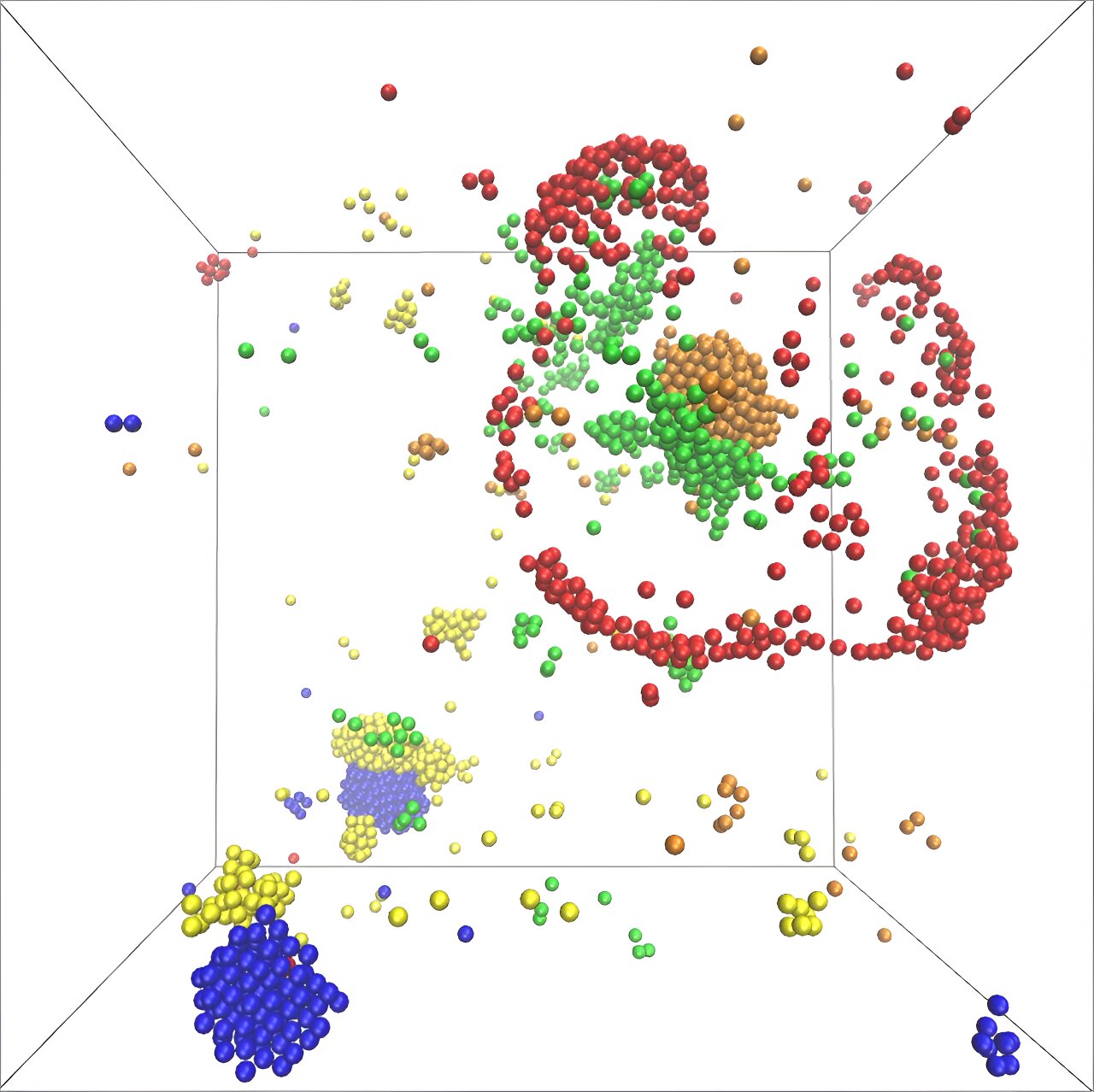
Scientists have proposed an alternative model that explains the self-organization of molecules into life-like structures, challenging traditional views on the origin of life. The model suggests that the number of molecule species involved in a metabolic cycle and complex network effects are key factors in the formation of these structures. The research also demonstrates that self-attraction is not necessary for clustering in a small metabolic network, as network effects can cause even self-repelling catalysts to aggregate. These findings provide new insights into how complex life may have emerged from simple molecules and shed light on the formation of structures in metabolic networks.
Scientists from the Max Planck Institute for Dynamics and Self-Organization have developed a model that predicts the self-organization of catalysts involved in metabolic pathways, offering a new mechanism for the origin of life. The model demonstrates how catalytic molecules can form metabolically active clusters by creating and following concentration gradients, leading to the rapid formation of dynamic functional structures. These findings contribute to our understanding of how complex life emerged from simple molecules and shed light on the formation of structures in metabolic networks.
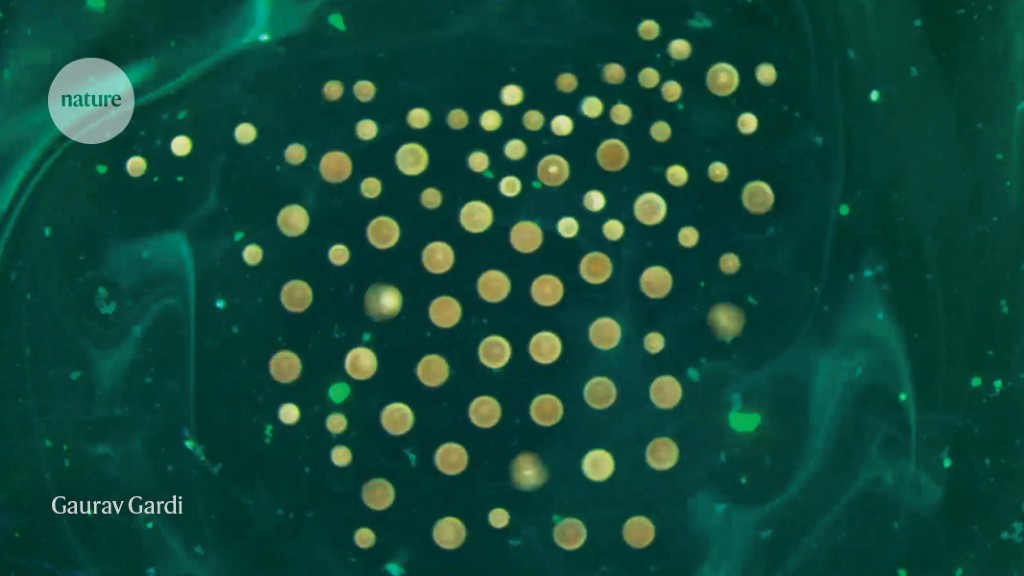
Microscopic robots, or microbots, were released onto water and made to spin by a magnetic field, resulting in a pattern with larger ones in the center and smaller ones on the outside. The scientists behind the study showed that they could program the microbots to cluster and move, potentially leading to the assembly of microscopic structures and a better understanding of self-organization.
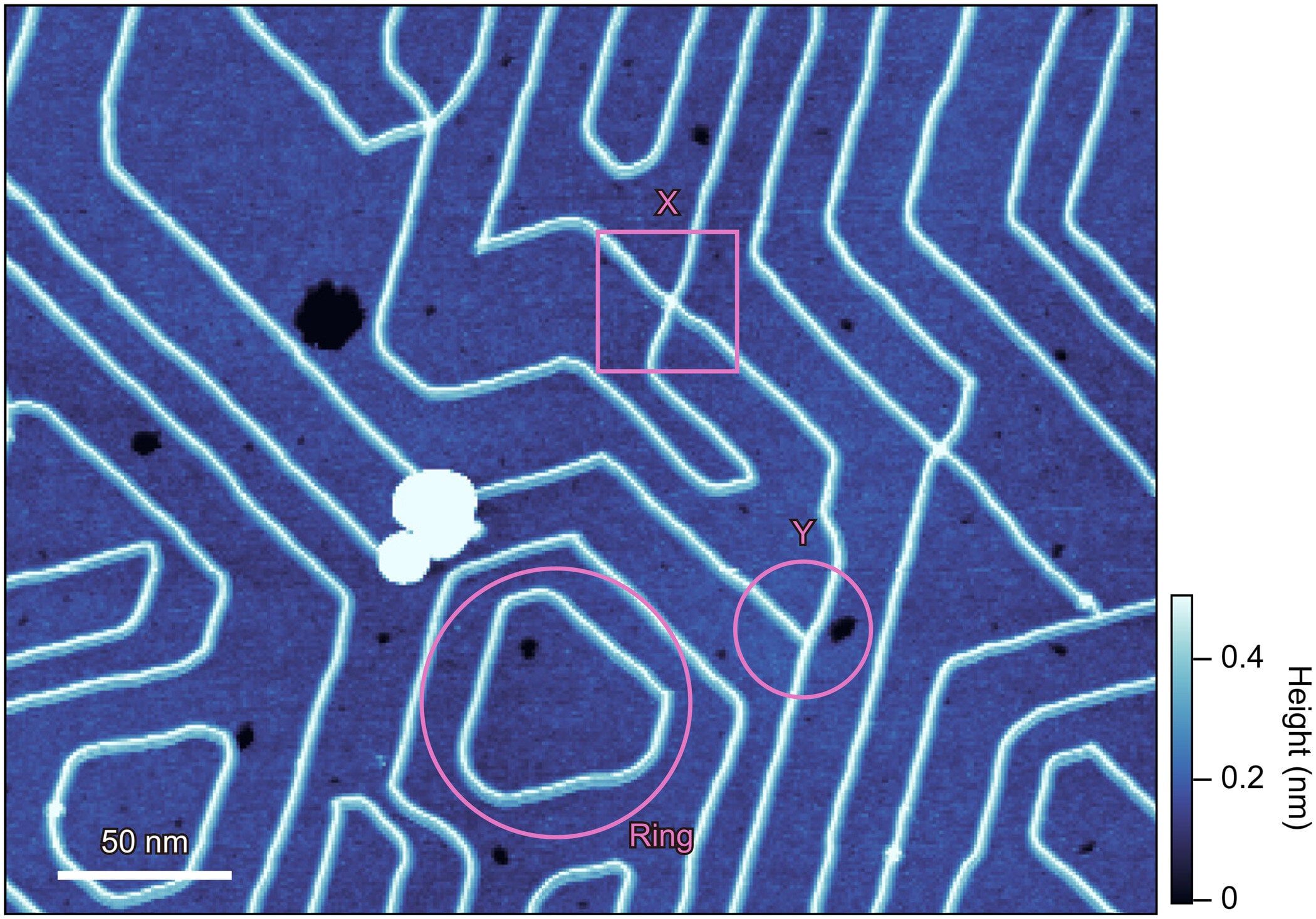
Researchers at Kyoto University, the University of Tokyo, and the Institute of Theoretical Physics in Germany have developed a simple method to engineer atomic-scale wires in the shape of nano-rings, stripes, and X-/Y-junctions. They grew single crystalline, atomic-scale wires of a Mott insulator using pulsed-laser-deposition, which maintained a bandgap comparable to wide-gap semiconductors. The team observed atomic pattern formation through non-equilibrium reaction-diffusion processes to gain insight into the formation of quantum architecture in nano-networks. The nanowires and junctions dramatically increased the integration of electronic circuits, providing a physical playground to explore the phenomenon of atomic-scale-based, non-equilibrium self-organization suited for exotic electronic states and for quantum advances.
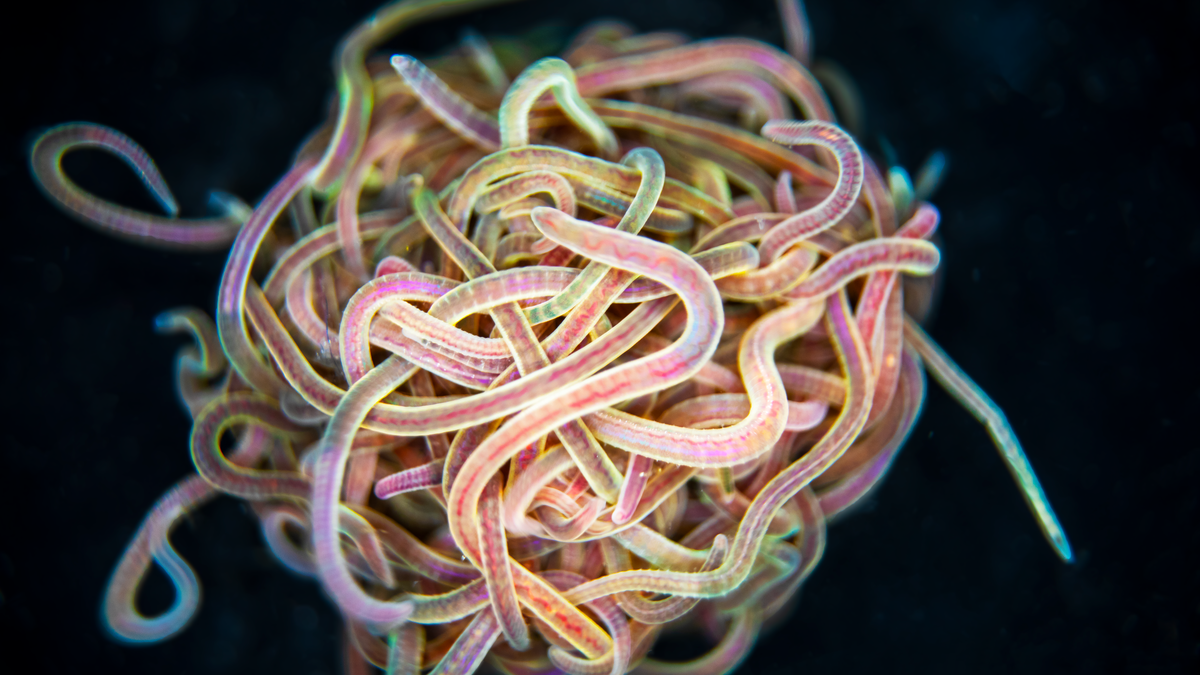
A team of mathematicians and engineers have used ultrasound imaging to study the movements of California blackworms and understand how they are able to disentangle even quicker than they intertwine. The researchers found that the worms functioned as a single unit to tangle and disentangle, and their results predict a large space of tangling and untangling strategies. The study could inform the development of wormlike robots and tentacled gripping robots, as well as new materials that change their mechanical properties when their topology is modulated.