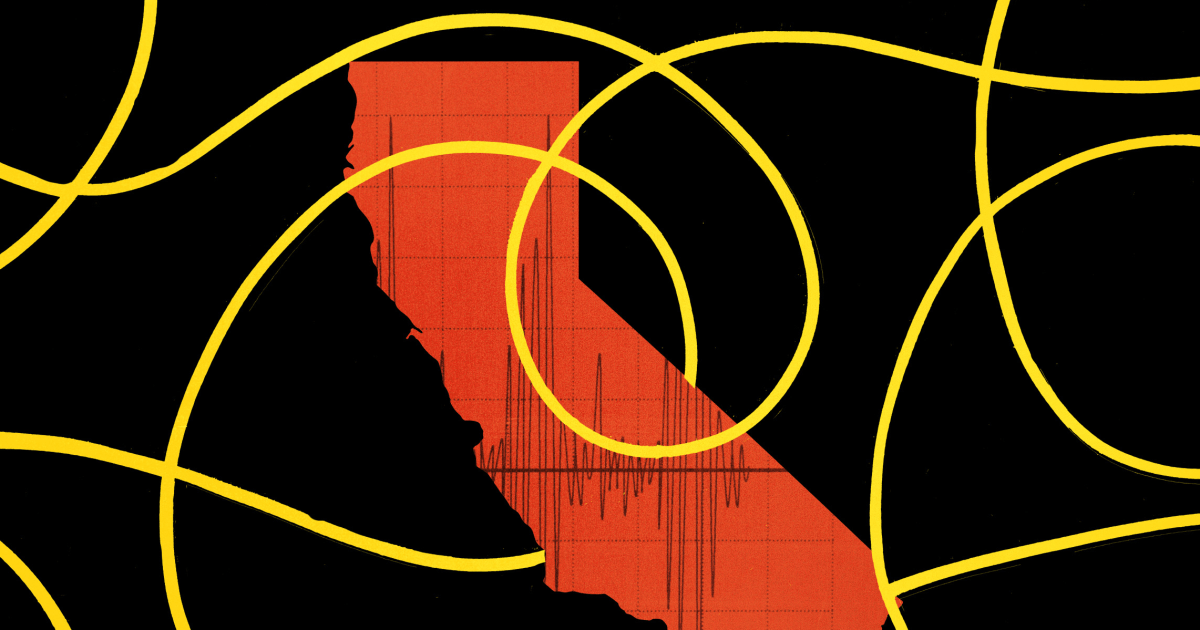
Scientists have demonstrated that fiber optic cables can be used as highly detailed seismometers to detect and image earthquakes in real-time, potentially revolutionizing early warning systems and earthquake prediction by leveraging existing telecommunications infrastructure.
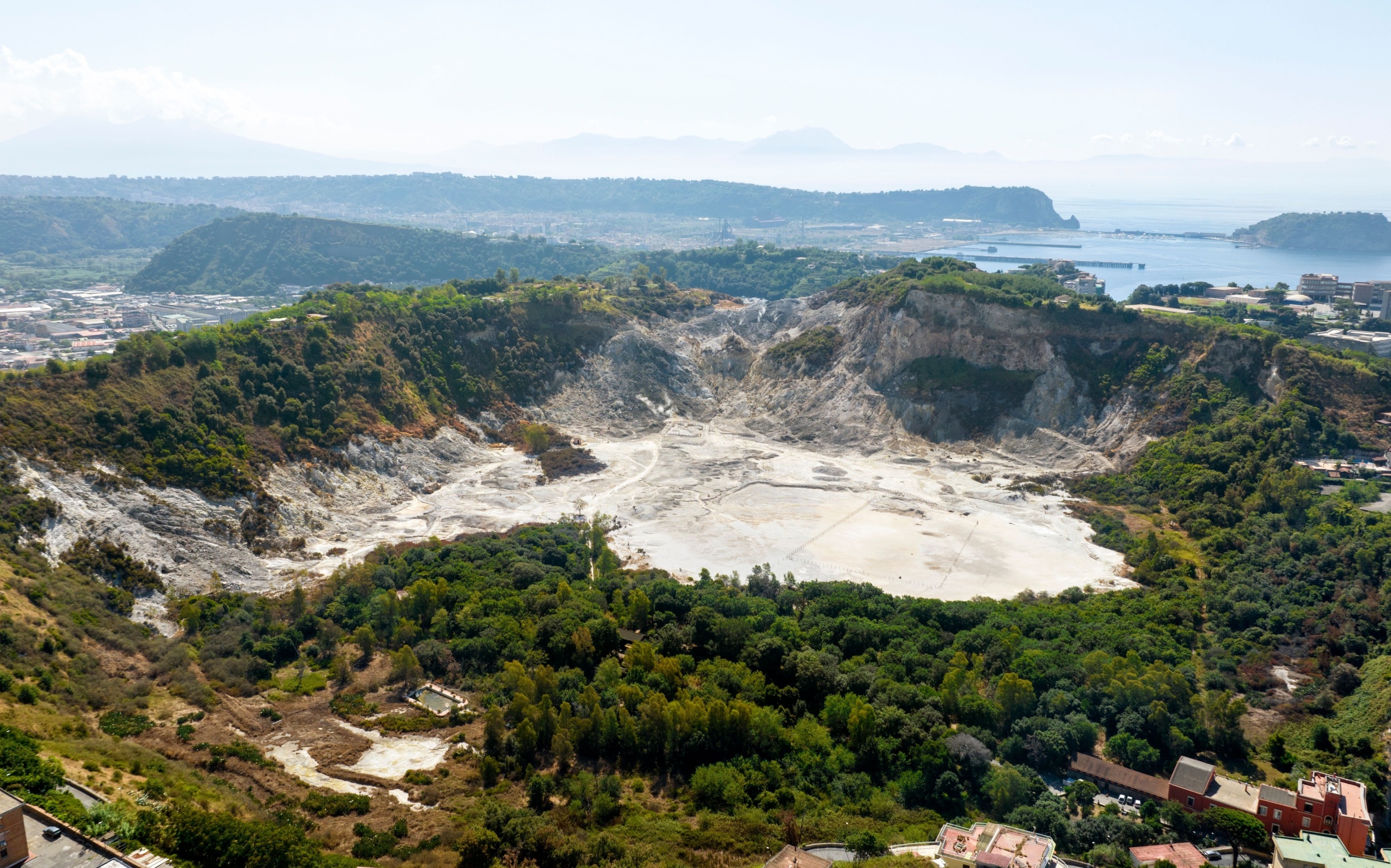
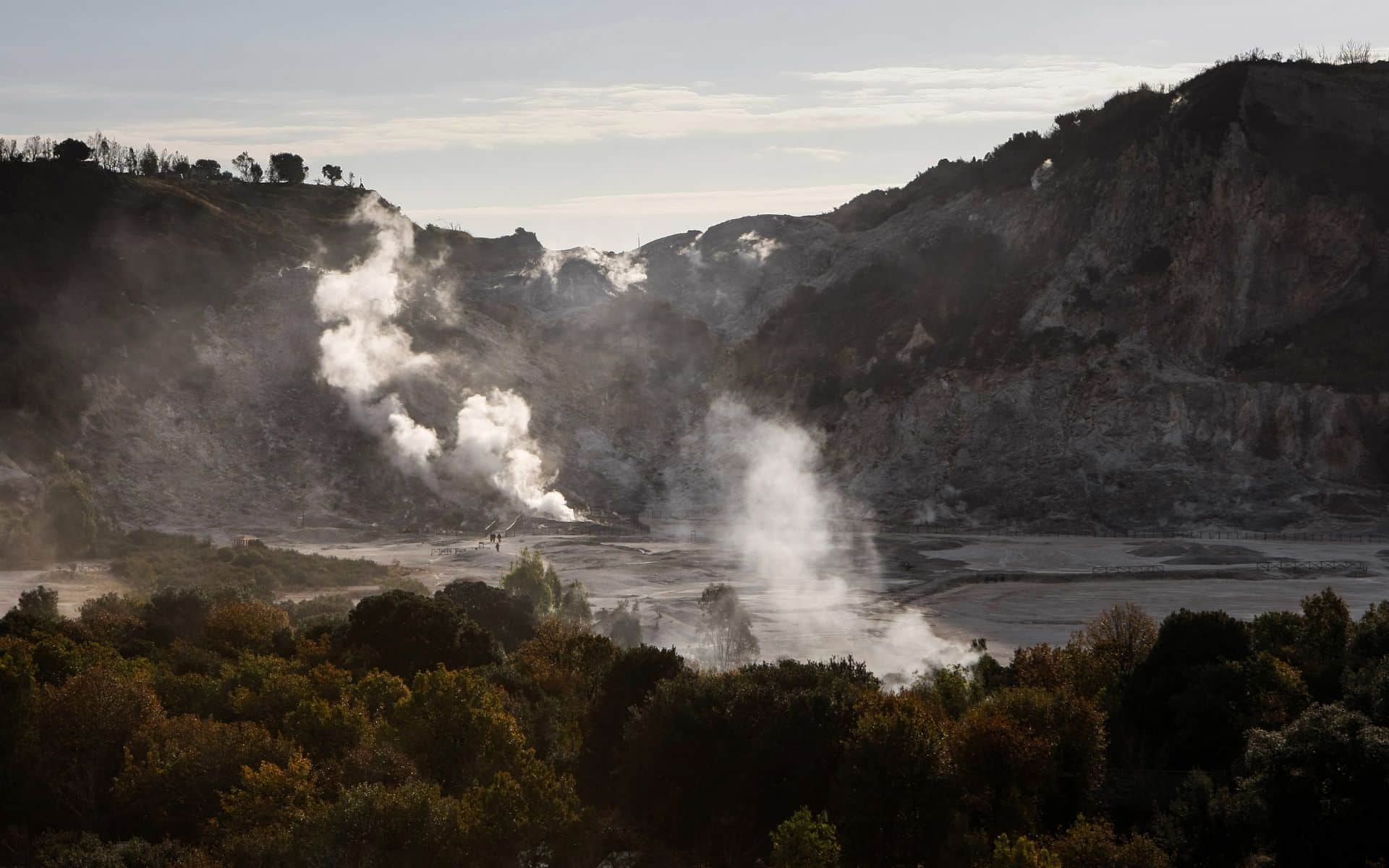
Researchers used AI to analyze seismic data from Italy's Campi Flegrei volcano, revealing increased small earthquakes linked to shallow hydrothermal activity, which improves real-time monitoring and risk assessment without indicating magma movement, aiding safety planning for the densely populated area.
Campi Flegrei near Naples, Italy, has a history of massive eruptions and ongoing seismic unrest, but current signs do not indicate an imminent major eruption. Researchers are studying its complex internal structure and fluid buildup to better understand potential risks and improve monitoring and mitigation strategies for the densely populated region.
A team of scientists and technicians from the United States Geological Survey and partner research institutions deployed portable sensors in New Jersey to measure aftershocks of the recent 4.8-magnitude earthquake. These "aftershock kits" will help detect and locate smaller quakes, providing more precise measurements and improving understanding of earthquakes in the region. However, funding cuts to a seismic monitoring program meant some sensors were not fully operable during the earthquake, leading to lost data. Studying aftershocks is crucial for understanding fault lines and predicting future earthquakes.
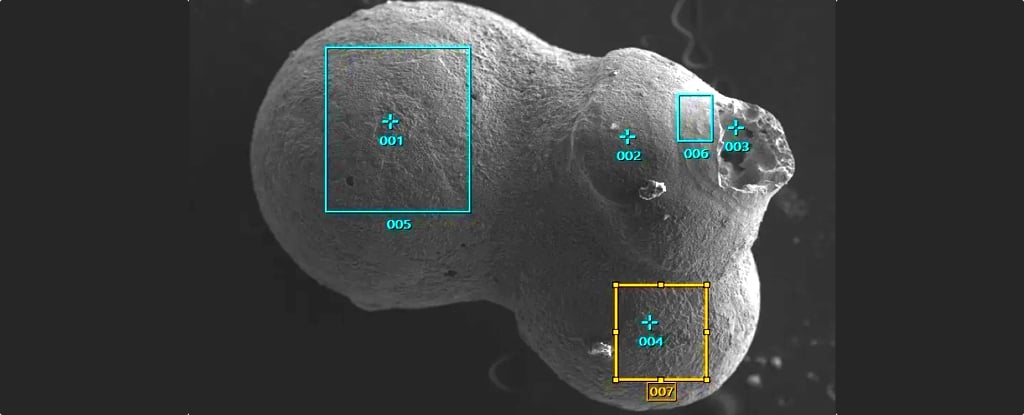
Seismic monitoring data used to track a purported interstellar meteor's path into the sea off the coast of Papua New Guinea may actually show a passing truck rumbling down a nearby road, casting doubt on the claim. The team of scientists who found tiny spherules on the seafloor, speculated to contain evidence of alien technology, may have used the wrong signal and looked in the wrong place. Furthermore, the velocity of the meteor was likely overestimated, and evidence for an interstellar origin was probably incorrect. The findings will be presented at the Lunar and Planetary Science Conference 2024.
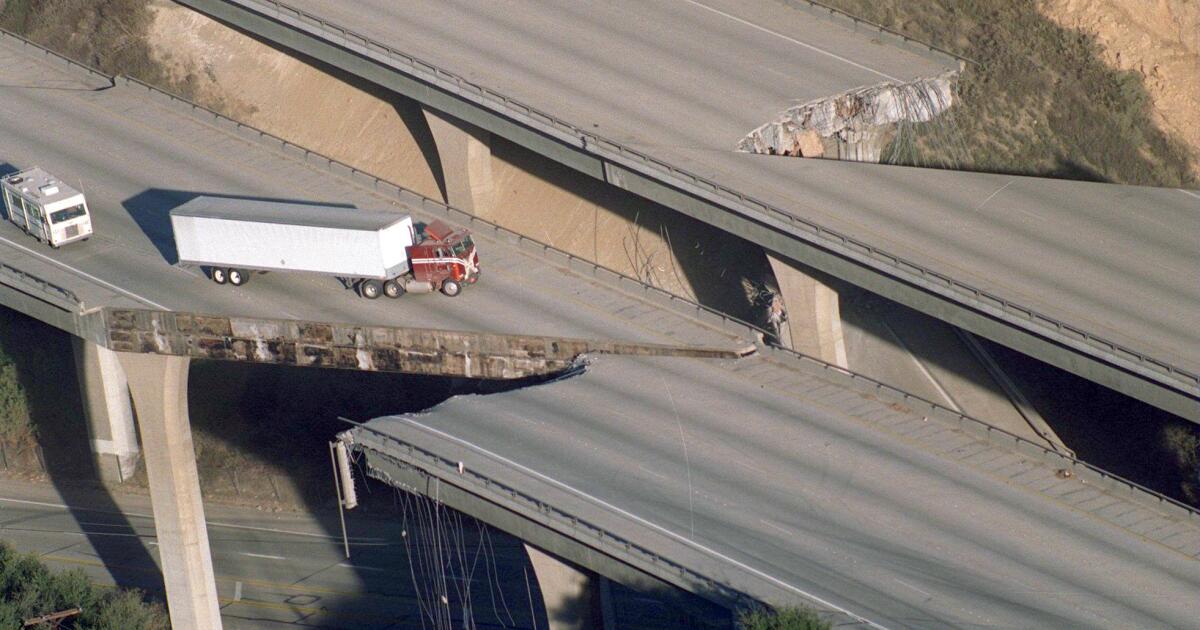
The 1994 Northridge earthquake led to significant advancements in earthquake science and technology, including the development of ShakeMap for tracking ground motion, the establishment of the ShakeAlert early warning system, and the expansion of seismic monitoring networks. These advancements have improved earthquake response and preparedness efforts, but challenges remain in engaging the public, improving early warning systems, and fostering community resilience in the face of future earthquakes.