A federal judge blocked the Trump administration from revoking the security clearance of attorney Mark Zaid, citing political retribution and protecting legal representation for sensitive cases, marking a setback for Trump's efforts to use security clearances as a punitive tool.
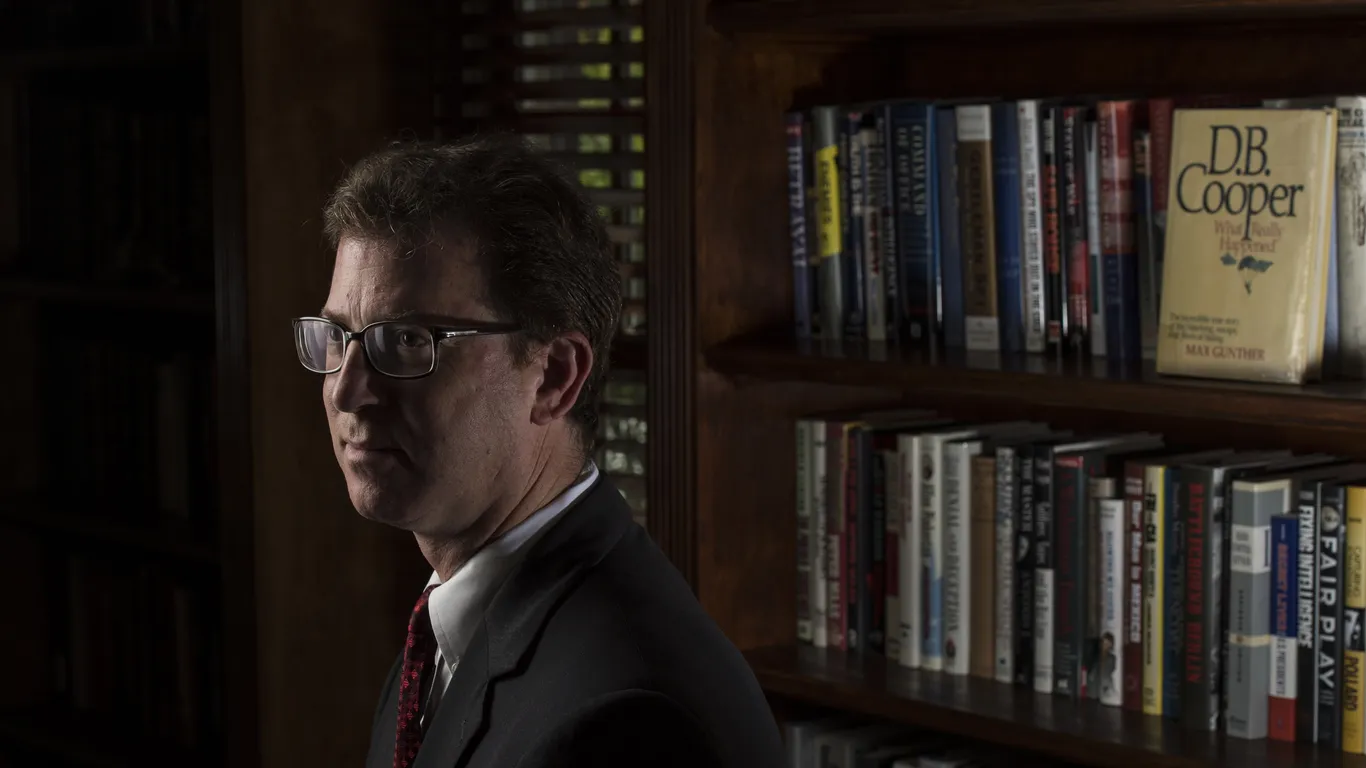
A federal judge blocked the Trump administration's attempt to revoke whistleblower attorney Mark Zaid's security clearance, citing violations of due process and First Amendment rights, in a case highlighting broader political retribution efforts against government critics.
A federal judge blocked Trump's attempt to revoke the security clearance of attorney Mark Zaid, who represented whistleblowers, citing political retribution. The ruling prevents the enforcement of a presidential memorandum targeting Zaid and others, emphasizing judicial resistance to Trump's retribution tactics against political and legal adversaries.
A federal judge blocked the Trump administration from revoking security clearances of attorney Mark Zaid and 14 others, ruling the action was politically motivated retribution. Zaid, known for representing whistleblowers, sued the administration, which had targeted him and others in a broader effort to punish political adversaries. The injunction, granted by Judge Amir Ali, emphasizes that the government can still revoke clearances through normal processes, but the presidential memorandum cannot be applied to Zaid until January 13.
A federal judge blocked the Trump administration from revoking the security clearance of attorney Mark Zaid, who was targeted as part of a broader effort to punish political adversaries, citing improper political retribution and protecting legal representation for sensitive cases.
The acting NSA director attempted to intervene to save top scientist Vinh Nguyen from losing his security clearance amid a broader purge of national security officials ordered by President Trump, which has been criticized as a campaign of retribution and fear-mongering within the government.
Donald Trump has agreed to let the FBI vet his Cabinet nominees, but as president, he can grant security clearances to anyone, regardless of FBI findings. This power is significant given that many of his picks, such as Pete Hegseth, Tulsi Gabbard, and Robert F. Kennedy Jr., have backgrounds that might raise red flags in traditional vetting processes. Despite potential concerns, Trump is not obligated to deny clearances, highlighting the president's broad discretion in this area.
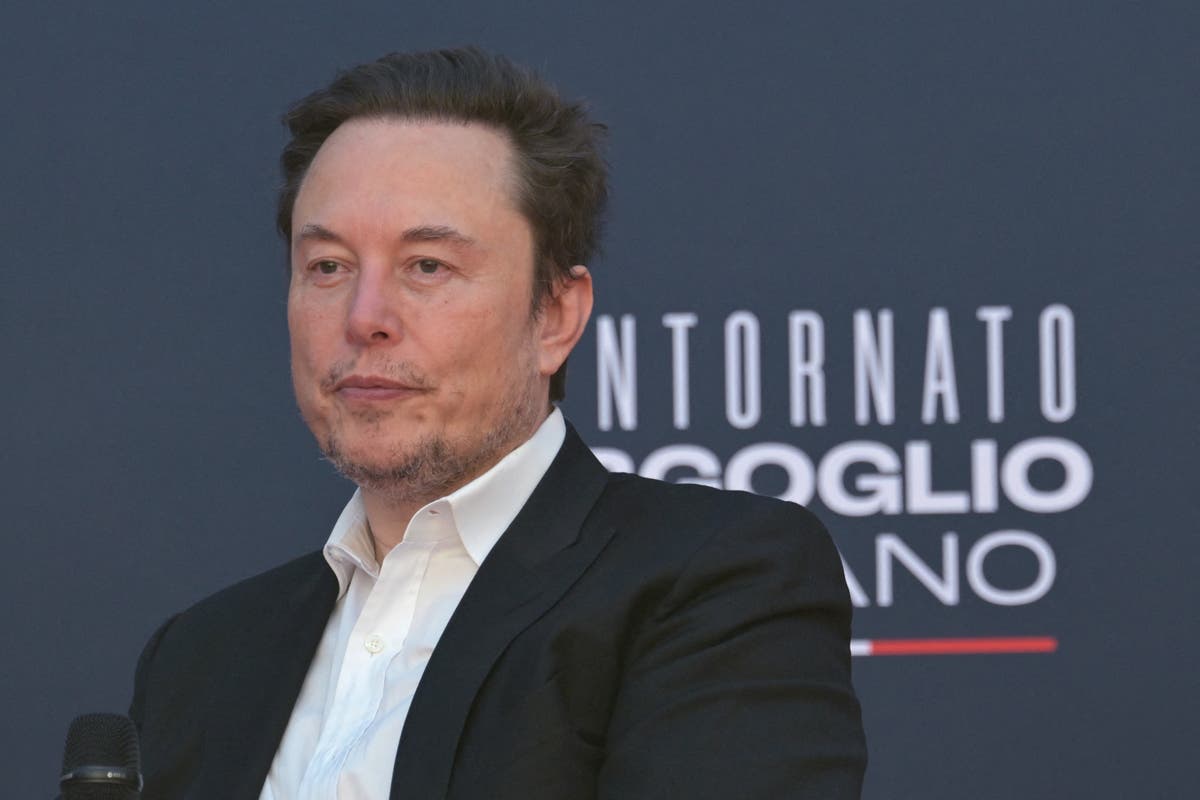
The White House faces questions over Elon Musk's security clearance and alleged drug use, following a Wall Street Journal report detailing concerns from executives and board members at his companies. Musk's alleged drug use, including LSD, cocaine, ecstasy, and mushrooms, has raised concerns about his Pentagon security clearance, which is required for his companies' government contracts. The Department of Defense may review Musk's security clearance, although he has denied allegations of illegal drug use and stated that he is regularly and randomly drug tested at SpaceX. The White House declined to comment on the matter.
Jack Teixeira, a 21-year-old computer technician in the Massachusetts Air National Guard, obtained a top-secret security clearance despite a history of violent threats and racist remarks. Teixeira allegedly leaked hundreds of classified government documents to his online friends, mostly teenage boys, through a Discord server. The leaked documents revealed sensitive information from various U.S. intelligence agencies and posed a significant risk to national security. Teixeira's motivations for the leaks remain unclear, but his online world was filled with racist and violent rhetoric, conspiracy theories, and a desire for power through classified information. The case highlights vulnerabilities in the security clearance process and the proliferation of top-secret information within the government.
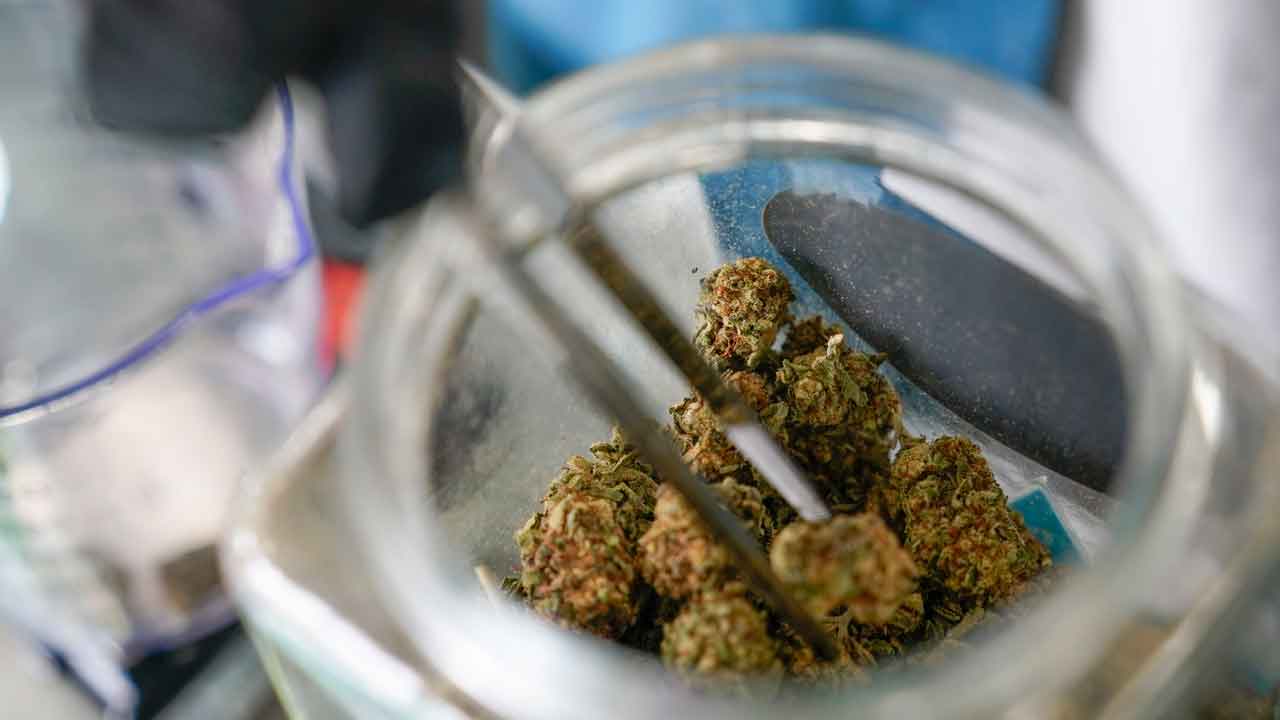
A bipartisan bill, the Cannabis Users Restoration of Eligibility Act, has been introduced in Congress to change a law that automatically disqualifies candidates who admit to using cannabis from federal employment. Despite the legalization of recreational marijuana in many states, individuals who have consumed cannabis have been barred from federal jobs. The proposed bill aims to eliminate this restriction and allow past or current marijuana use to be disregarded when considering security clearance or suitability for federal employment. It also provides an opportunity for those previously denied clearance or job opportunities due to marijuana use to have their cases reviewed. The bill treats marijuana like alcohol, allowing consequences for using it during work, and requires federal agencies to create a process for reviewing past decisions related to cannabis use.
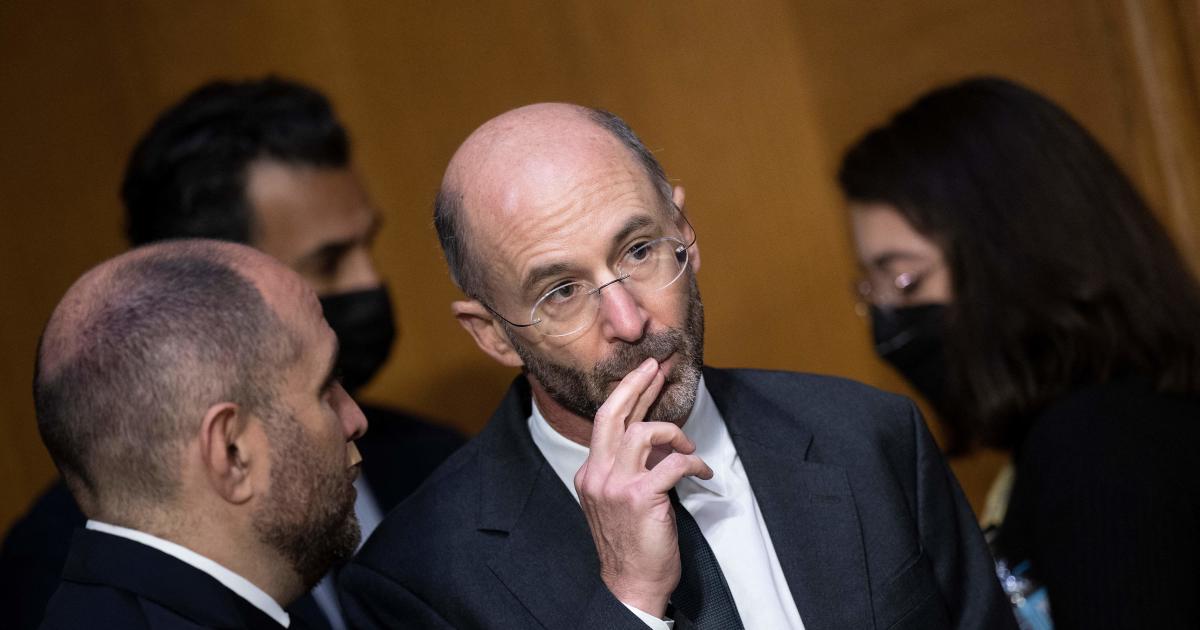
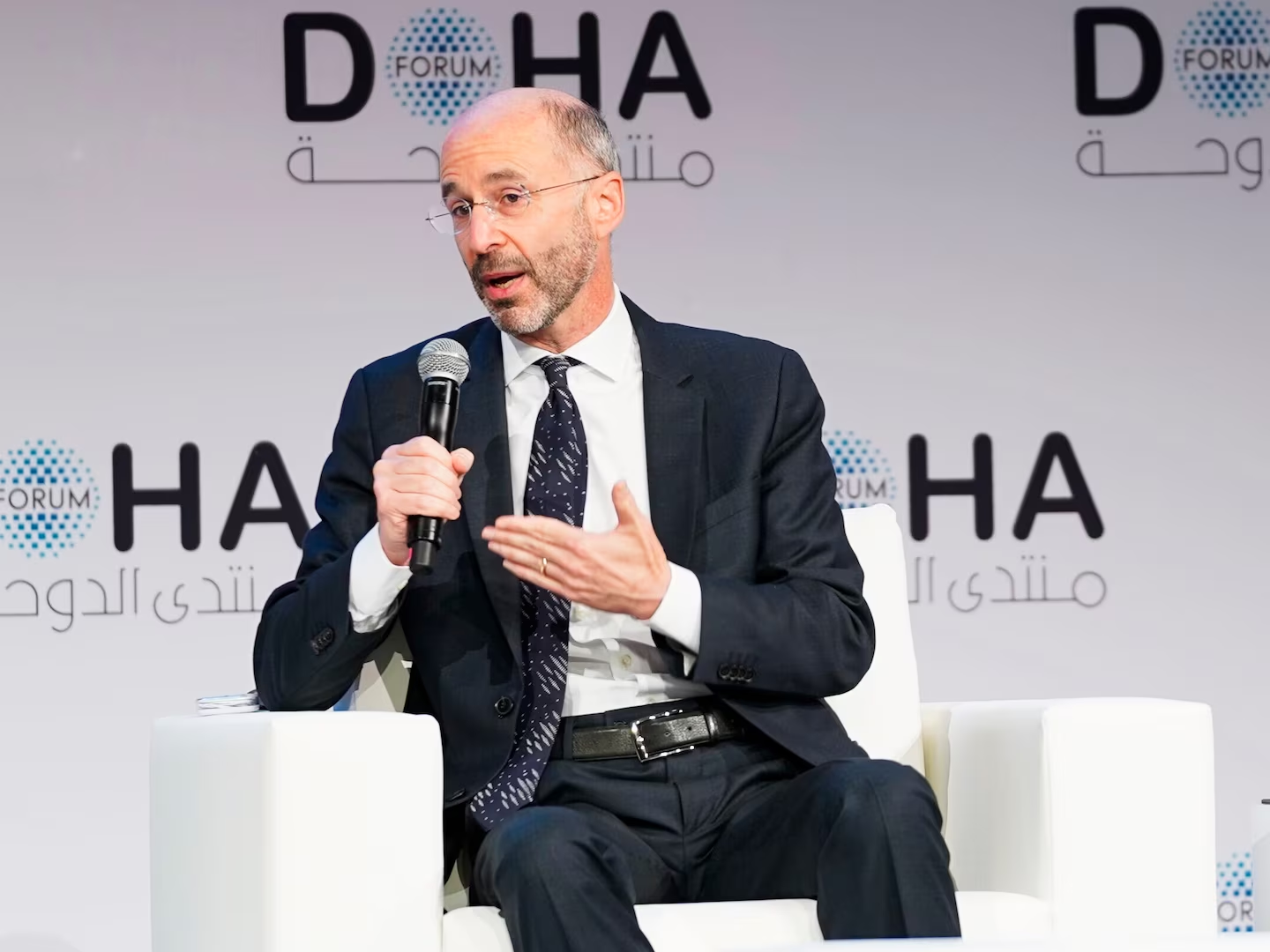
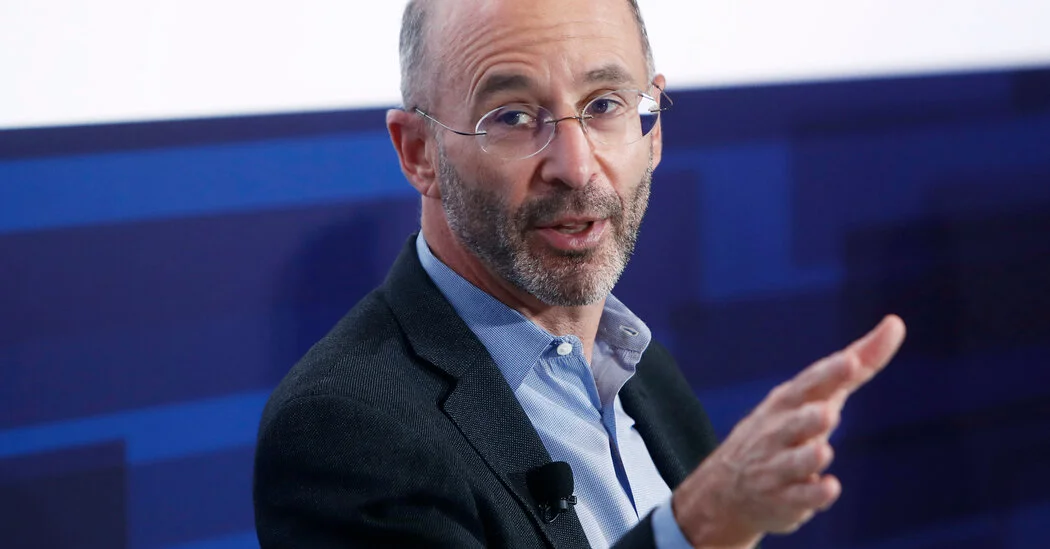
The State Department's Office of Inspector General (OIG) is investigating the suspension of a top diplomat's security clearance, which could lead to a formal investigation. Rob Malley, who previously led the Biden administration's efforts to restart a nuclear deal with Iran, had his clearance suspended on April 22 for unknown reasons. The OIG's review was prompted by a letter from Republican senators, and the FBI is also conducting its own investigation. Congressional Republicans are seeking more information about the suspension, and State Department officials have provided limited details, citing the Privacy Act. Malley has not been informed of the reasons for his clearance suspension.
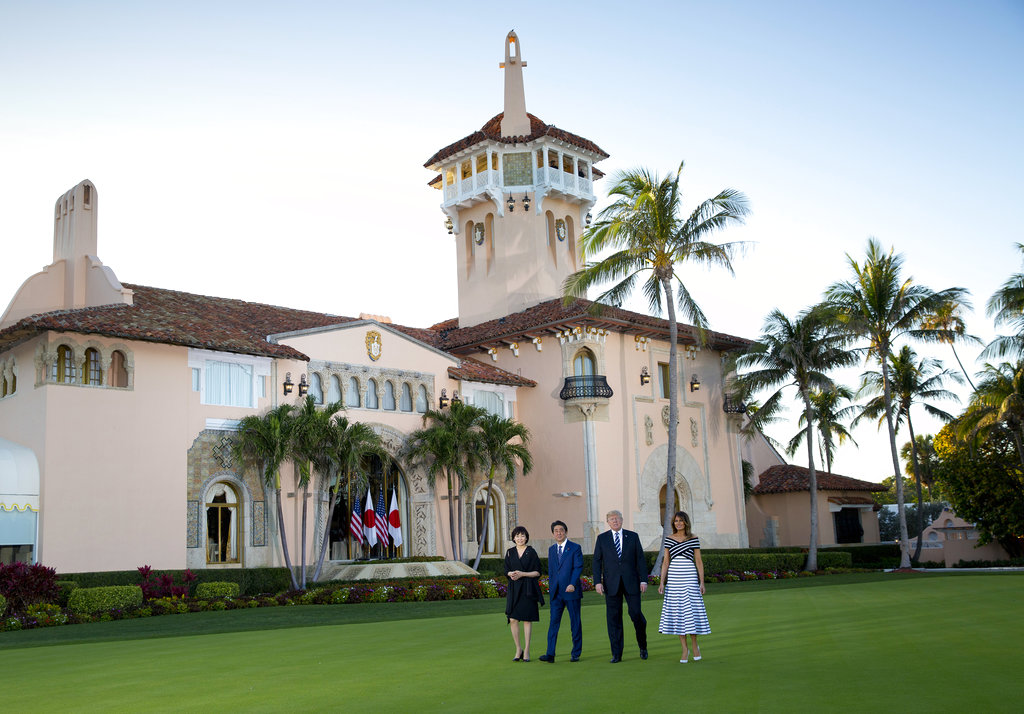
Former White House Press Secretary Stephanie Grisham claims that she witnessed former President Donald Trump showing classified documents to people at his Florida residence, Mar-a-Lago. Grisham expresses her anger and highlights the difficulty of obtaining security clearance, emphasizing the potential danger of Trump's loose handling of classified information.
Rob Malley, the U.S. special envoy for Iran, is currently on leave as his security clearance is under review. Malley, who played a key role in the Iran nuclear deal negotiations, expects the investigation to be resolved favorably and soon. In his absence, Abram Paley is serving as the acting special envoy for Iran. The U.S. has recently restarted indirect talks with Iran on the nuclear and detainee issue, but Secretary of State Antony Blinken has stated that there is no agreement in the offing. Malley has also been involved in negotiations to secure the release of Americans wrongfully detained in Iran.
Robert Malley, the Biden administration's special envoy to Iran, has been placed on unpaid leave as his security clearance is under review due to an investigation into his handling of classified information. The suspension comes as the administration engages in indirect talks with Iran over its nuclear program. Malley, who played a key role in negotiating the 2015 nuclear agreement, has maintained a direct channel of communication with Iran through its ambassador to the United Nations. The investigation adds uncertainty to the ongoing discussions aimed at reviving the nuclear deal, which the U.S. withdrew from in 2018 under the Trump administration.
Robert Malley, the U.S. special representative for Iran, has been placed on unpaid leave by the State Department amid a review of his security clearance. Malley, a longtime Middle East diplomat and advocate of dialogue between the U.S. and Iran, played a key role in negotiating the 2015 Iran nuclear deal during the Obama administration. The Biden administration has been seeking to revive the deal, but talks have made little progress. Malley's leave comes as some foreign officials noted his diminishing role in U.S. policy toward Iran, with Brett McGurk, the White House's top Middle East official, taking a more prominent position. The State Department has not provided further details on the security clearance review.