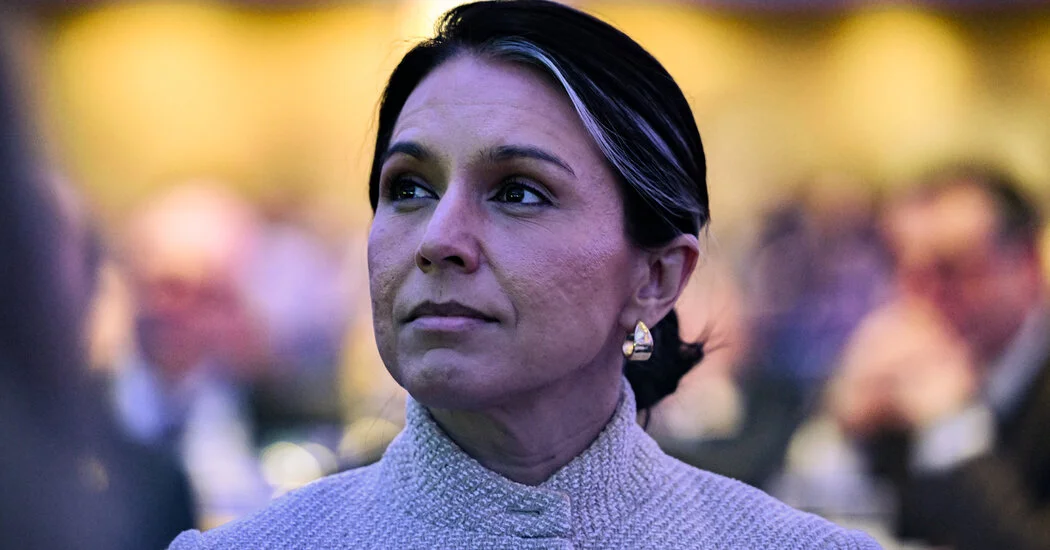
The NSA announced Timothy Kosiba as its new Deputy Director, a role in which he will oversee strategy, policy, and operations, leveraging over 30 years of experience in cybersecurity and signals intelligence to support U.S. national security efforts.
CISA and NSA have issued guidance for securing Microsoft Exchange servers, emphasizing best practices like strong authentication, minimizing attack surfaces, and decommissioning outdated servers, especially after recent vulnerabilities and attacks exploiting Exchange flaws. They recommend migrating to Microsoft 365, enabling multi-factor authentication, applying security patches, and monitoring for suspicious activity to prevent breaches.
Joe Francescon has been appointed as the next NSA deputy director, bringing extensive experience in countering foreign threats and a background as an NSA intelligence analyst. His appointment follows a period of leadership changes at the NSA, and he is expected to lead efforts in cybersecurity and national security. Far-right activist Laura Loomer played a role in the staffing decision process, and Francescon expressed enthusiasm about returning to the agency.
The acting NSA director attempted to intervene to save top scientist Vinh Nguyen from losing his security clearance amid a broader purge of national security officials ordered by President Trump, which has been criticized as a campaign of retribution and fear-mongering within the government.
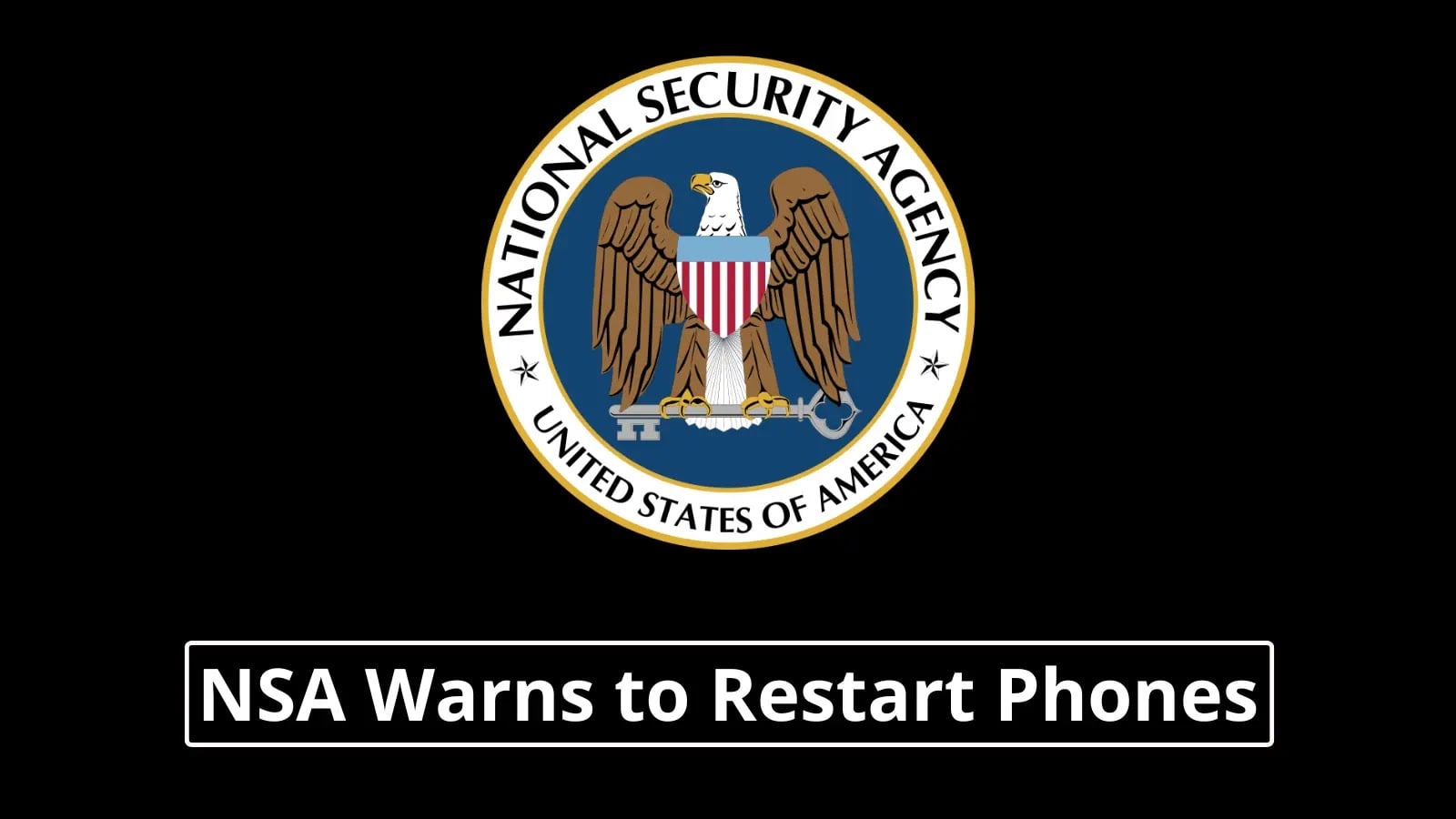
The NSA advises iPhone and Android users to restart their devices weekly to enhance security and disrupt malware operations. This recommendation is part of broader best practices, including updating software, using strong authentication, avoiding public Wi-Fi, installing apps from trusted sources, and reviewing app permissions. The guidance aims to mitigate the increasing sophistication of cyber threats targeting mobile devices.
The NSA has issued seven crucial steps for iPhone and Android users to protect their devices from cybercriminals, who exploit WiFi networks, apps, and software vulnerabilities to conduct cyber espionage, steal identities, and deploy ransomware. Key recommendations include updating software and apps, only installing apps from official stores, turning off WiFi and Bluetooth in public, using encrypted communication apps, avoiding unknown links and attachments, rebooting devices weekly, and using mic-drowning cases and camera covers. These measures aim to mitigate risks and safeguard personal data from hackers.
The NSA recommends restarting your phone weekly to help thwart cyberattacks by resetting potential exploit chains. This advice, part of a broader set of mobile security tips, aims to protect against increasing threats to mobile devices. Other tips include turning off Bluetooth and Wi-Fi when not in use, keeping software updated, and using secure passwords.
The NSA advises iPhone and Android users to reboot their devices weekly to protect against zero-click cyberattacks, which can install spyware without user interaction. Additional recommendations include regularly updating software, disabling Bluetooth and WiFi when not in use, and avoiding public WiFi networks. These measures, while not foolproof, can help mitigate the risk of cyberattacks and protect sensitive information.
The NSA advises iPhone and Android users to restart their phones at least once a week to help protect against zero-click exploits and other hacking attempts. This simple practice, along with regular software updates and cautious online behavior, can enhance smartphone security.
The NSA advises iPhone and Android users to turn their devices off and on once a week to protect against zero-click exploits and other security threats. This simple action can help mitigate risks, though it is not a comprehensive solution. Additional recommendations include disabling Bluetooth when not in use, updating devices promptly, avoiding public Wi-Fi, using strong passwords, and being cautious with app permissions and email attachments. The FCC also offers similar advice, emphasizing the importance of maintaining built-in security features and understanding app permissions.
The NSA recommends periodically restarting your smartphone to help protect against malware and zero-click exploits. This simple practice can also aid in applying software updates and resolving minor issues. Many modern smartphones, including Samsung Galaxy and OnePlus devices, offer scheduled restart options, while iOS users can set up automations for regular reboots.
The NSA recommends turning your phone off and on once a week to help thwart hackers and protect your data. This simple action, along with other best practices like updating apps, using official app stores, avoiding public Wi-Fi, and using strong passcodes, can enhance your mobile security against various threats such as malware, spyware, and phishing attacks.
The NSA advises iPhone and Android users to turn their devices off and on once a week to protect against zero-click exploits and other security threats. This simple action can help mitigate risks, although it is not a comprehensive solution. Additional recommendations include disabling Bluetooth when not in use, updating devices promptly, avoiding public Wi-Fi, and using strong passwords. The FCC also emphasizes the importance of not tampering with security settings and understanding app permissions.
The NSA advises iPhone and Android users to turn their devices off and on once a week to protect against zero-click exploits and other security threats. This simple action can help mitigate risks, although it is not a comprehensive solution. Additional recommendations include disabling Bluetooth when not in use, updating devices promptly, avoiding public Wi-Fi, and using strong lock-screen PINs and passwords. The FCC also offers similar advice, emphasizing the importance of not tampering with security settings and understanding app permissions.
The National Security Agency (NSA) has announced the retirement of Rob Joyce, the Director of Cybersecurity, effective March 31, 2024, after 34 years of service. Joyce has been instrumental in leading the Cybersecurity Directorate's mission and expanding partnerships across government, industry, and academia. He will be succeeded by David Luber, who brings over 30 years of experience in cybersecurity and is well-qualified for the role.