A recent analysis shows Utah residents are the most searched-for demonym in the US, with 'Utahn' officially adopted as the state's correct term to reduce confusion and promote state pride, amid widespread misspellings and misconceptions in the media and among the public.
Google has quietly started using AI to generate "AI overviews" for some search queries, providing self-generated answers alongside regular search results. The AI-generated results are labeled as experimental and clearly show their work, but the move raises questions about the future of search engines and the potential impact on businesses that rely on search traffic. This development comes as a response to the growing influence of AI in everyday life and the success of technologies like ChatGPT and OpenAI.
Microsoft Bing is introducing a new "Deep Search" feature powered by OpenAI's GPT-4, aimed at providing users with more relevant and comprehensive answers to complex search queries. Deep Search enhances Bing's existing web search by expanding the search query into a more detailed description of what the results should include. It finds pages that match the expanded query, even if they don't explicitly include the original keywords, and ranks them based on relevance, details, trustworthiness, and popularity. Deep Search is optional and may take up to 30 seconds to complete, offering users the choice between more comprehensive answers or instant regular search results.
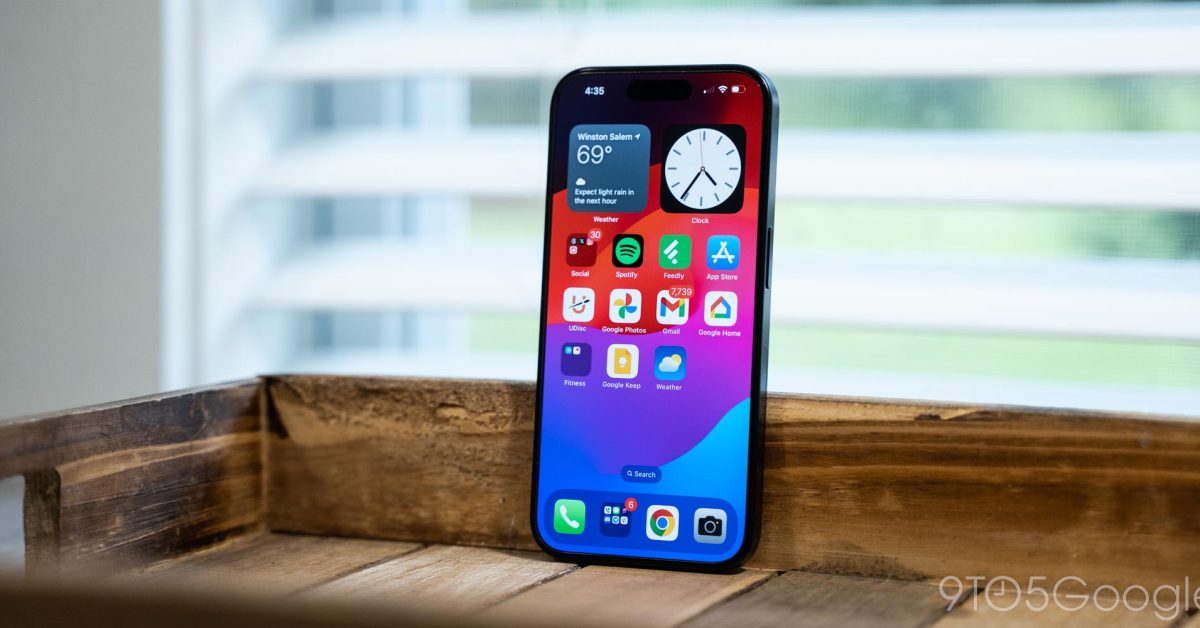
New documents revealed during the ongoing antitrust trial against Google have unveiled some of the highest-revenue search queries on the platform, with many of them being related to the iPhone. The top-ranking queries include "iPhone 8," "iPhone 8 Plus," and "cheap flights." It's not surprising that Apple's smartphones generate significant ad revenue, given their market demand and competition among carriers, accessory brands, and retailers. The actual advertising dollars are redacted, but it's likely that these iPhone-related searches remain at the top of the list in 2023.
During the US v. Google antitrust trial, a list of Google's top revenue-generating search queries for a week in September 2018 was made public. The list revealed that queries related to the iPhone 8, insurance, and online colleges were among the highest revenue earners. Advertisers in competitive industries, such as car insurance and cable companies, were willing to pay high prices for clicks on their ads. The data provides a rare glimpse into the lucrative search terms that generate significant revenue for Google.
In the antitrust case against Google, it has been revealed that the search engine alters search queries without user knowledge, replacing them with queries that generate more commercial results and revenue for the company. Users are unable to opt out of this substitution, leading to unwanted search results and a lack of control over their search experience. This revelation has raised concerns about user privacy and has prompted some users to consider alternative search engines like Kagi and DuckDuckGo.
Google has agreed to pay $23 million to settle a class action lawsuit related to Google search queries. The lawsuit claimed that Google improperly shared users' search queries with third-party websites and companies between 2006 and 2013. Users who used Google Search and clicked on a search link during this period may be eligible for a payment if they file a claim. The final approval hearing of the settlement is in October.