Tag

Sealevelrise

All articles tagged with #sealevelrise

environment1 year ago

UN Court Hears Landmark Climate Change Case Against Major Polluters

The International Court of Justice is set to hear a landmark case on climate change, focusing on the legal obligations of countries to combat its effects and support vulnerable nations. Initiated by island nations like Vanuatu, the case seeks to establish that actions harming the climate are unlawful. Although the court's decision will be advisory and non-binding, it could influence future legal actions. The hearings will involve 99 countries and numerous organizations, marking the largest case in the court's history.

science1 year ago

Humans: Apex Predators and Energetic Marvels of Evolution

Astronomers have captured the first close-up image of a star outside the Milky Way, WOH G64, located in the Large Magellanic Cloud, revealing a dusty cocoon around it. Meanwhile, a Harvard study highlights humans' unique metabolic ability to maintain high activity levels due to efficient heat dissipation through sweating. Additionally, Virginia Tech researchers project significant climate impacts on the U.S. Southeast Atlantic coast by 2100, with up to 14 million people affected by sea level rise and related hazards.

environment1 year ago

Scientists Warn of Imminent Cryosphere Collapse and Global Climate Risks

A new report from the International Cryosphere Climate Initiative warns that several climate tipping points, including the potential collapse of the Atlantic Meridional Overturning Circulation (AMOC), are more likely than previously thought. The report highlights severe ice melt, such as the loss of Venezuela's last glacier and significant ice loss from Greenland and the Thwaites Glacier. These changes could lead to drastic sea-level rise and extreme weather patterns. The report urges immediate action as current global climate commitments fall short of necessary targets.

environment1 year ago

Scientists Propose Geoengineering to Prevent Doomsday Glacier Collapse

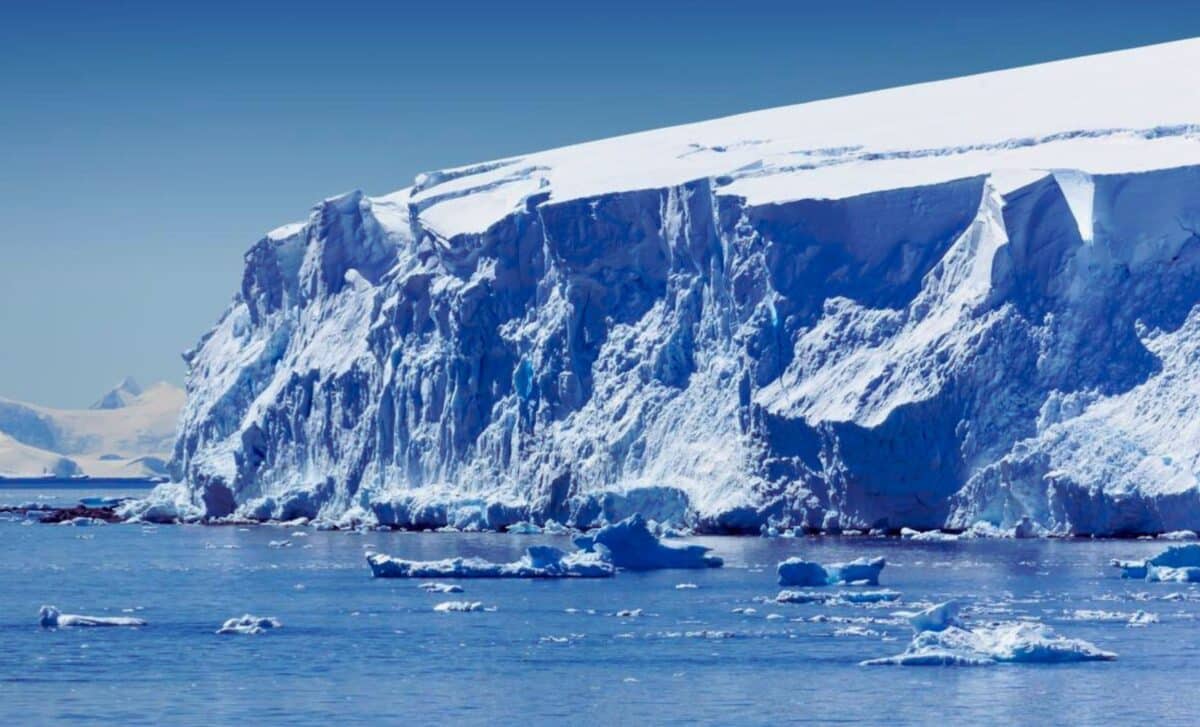
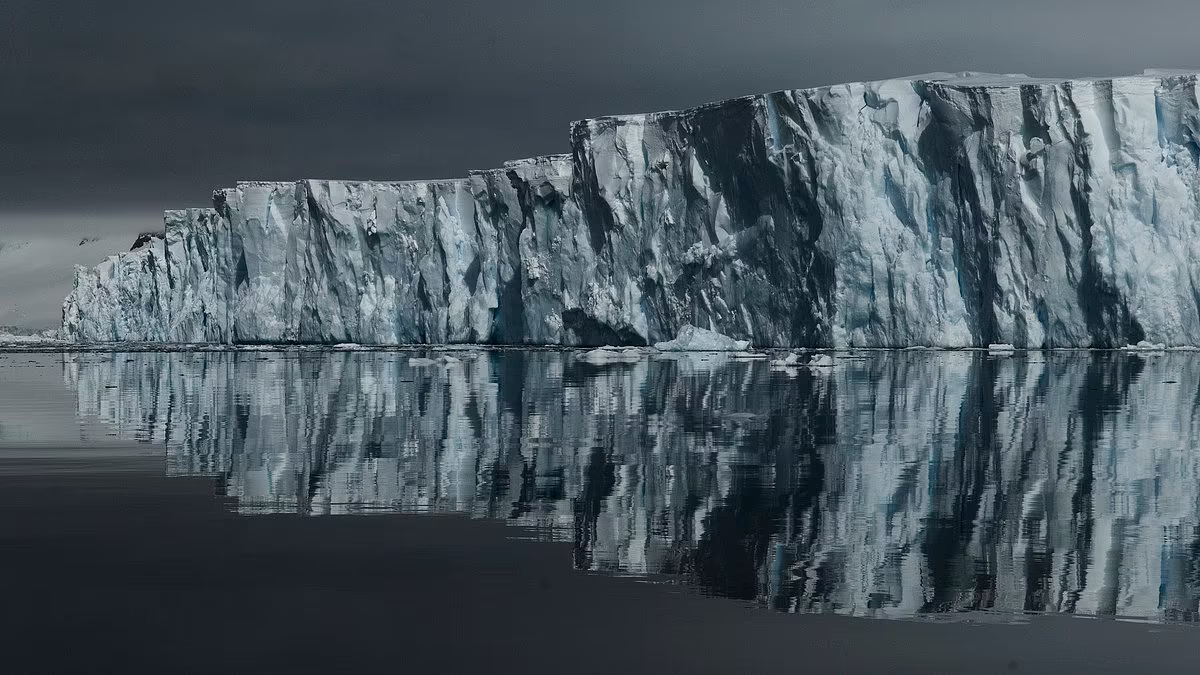
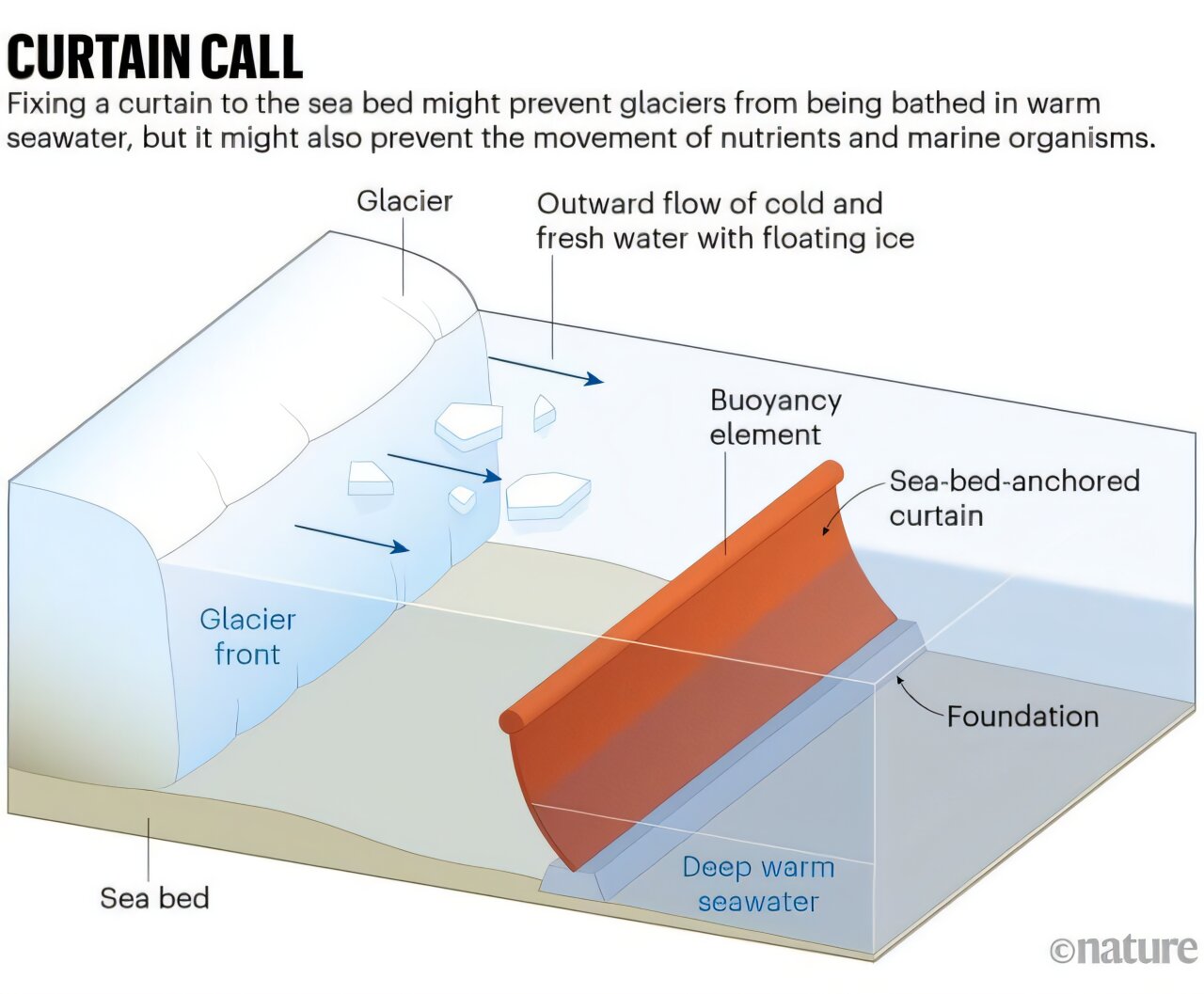
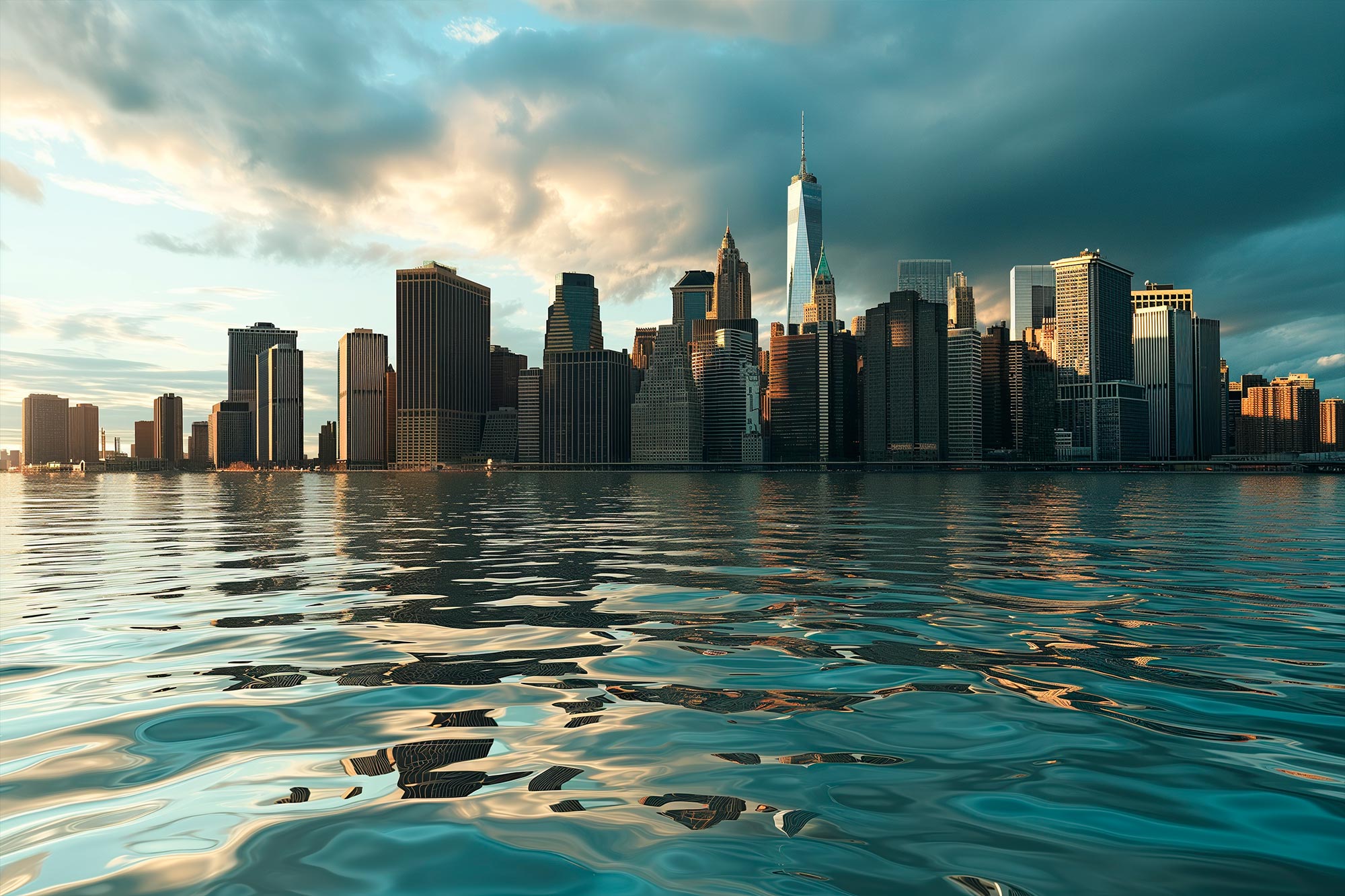
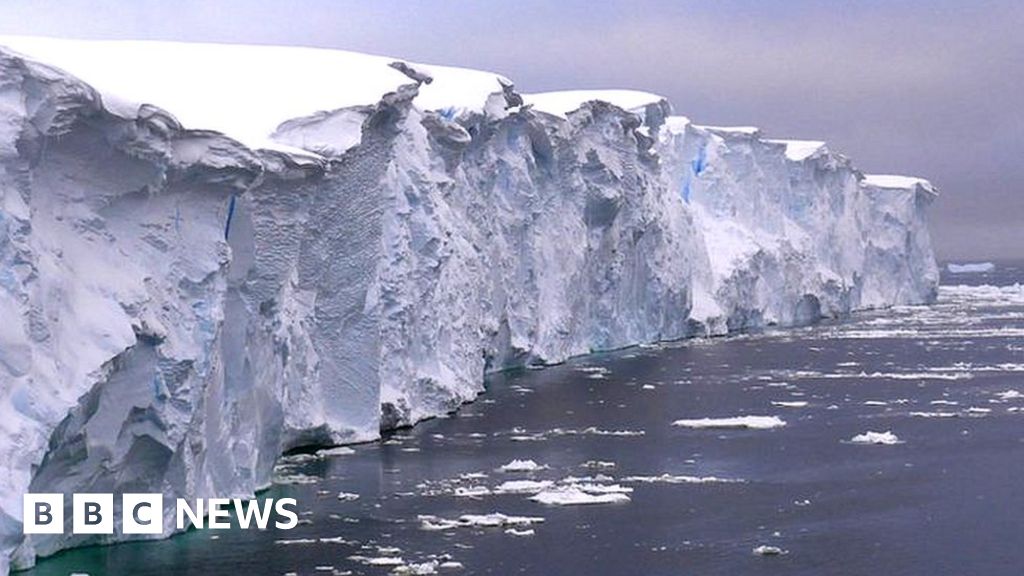
Scientists are considering a geoengineering project to prevent the collapse of Antarctica's Thwaites Glacier, known as the "Doomsday Glacier," by installing a massive underwater curtain to block warm ocean currents. This initiative aims to mitigate potential catastrophic sea level rise, particularly threatening coastal cities like New York and Miami. While the plan could cost around $6 billion annually and faces technical challenges, experts emphasize the importance of reducing carbon emissions to address the root causes of climate change.

environment1 year ago

Urgent Measures Needed as 'Doomsday Glacier' Melts, Threatening Coastal Cities

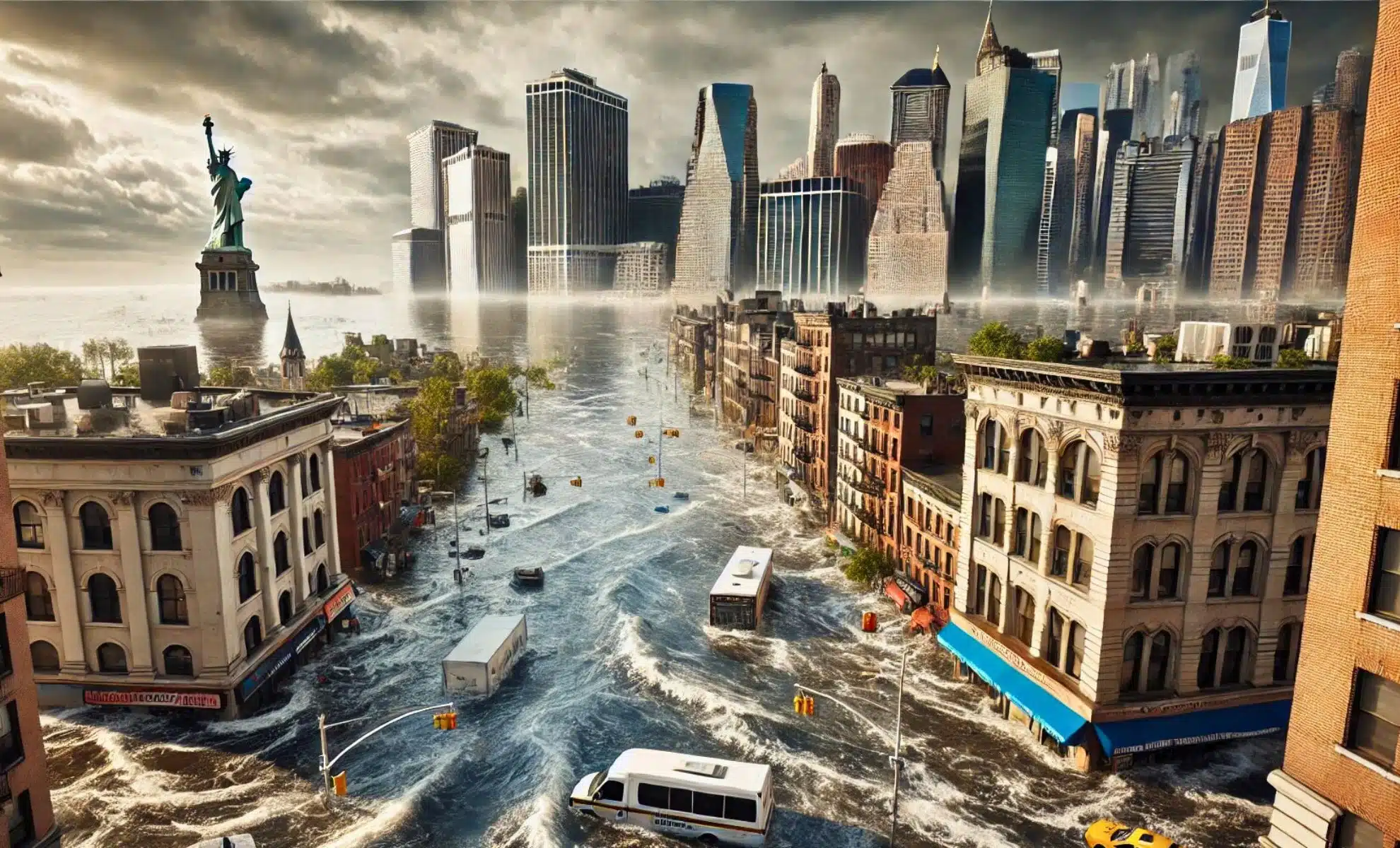
The Thwaites Glacier, known as the "Doomsday Glacier," poses a significant threat to coastal cities like New York and Miami due to its accelerating melt, which could raise global sea levels by up to 10 feet. This would lead to massive flooding, displacement, and economic damage. Scientists are exploring interventions like seabed curtains to slow the melt, but these solutions require global collaboration and are still in early research stages. Immediate action is crucial to prevent catastrophic flooding and its widespread impacts.

environment1 year ago

Scientists Propose Geoengineering to Halt Melting 'Doomsday Glacier'

Scientists are proposing geoengineering solutions to slow the melting of the Thwaites Glacier, also known as the 'Doomsday Glacier,' which could raise global sea levels by 10 feet and flood major coastal cities. Ideas include installing an underwater curtain to block warm currents, thickening the glacier with seawater, and cooling the bedrock. These interventions are costly and risky, and experts emphasize the need for research to avoid hasty decisions in the future. The glacier's rapid melting is a potential tipping point in climate change, threatening the West Antarctic Ice Sheet and global sea levels.

environment1 year ago

Antarctica's 'Doomsday' Glacier Melting Spurs Urgent Geoengineering Debate

The Thwaites Glacier, known as the "Doomsday Glacier," is melting faster than expected due to warming tidal currents, raising concerns about potential catastrophic sea level rise. While some studies suggest the glacier may be less vulnerable to collapse than previously thought, the uncertainty has fueled discussions on geoengineering as a possible solution. Proposals include using technology to slow glacier retreat, such as installing submarine curtains to block warm water. However, these ideas face criticism for potentially diverting attention from reducing carbon emissions, emphasizing the need for a balanced approach.

environment-and-climate-change2 years ago

"Study Reveals East Coast Metropolises Including NYC and DC Are Sinking"

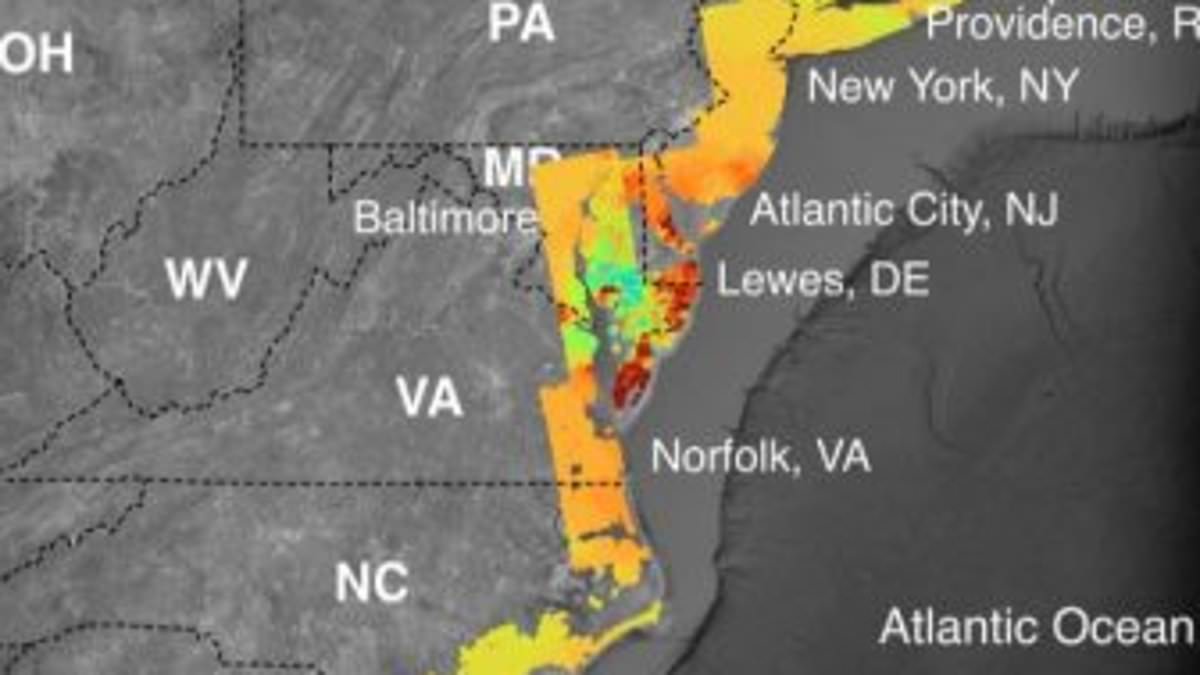
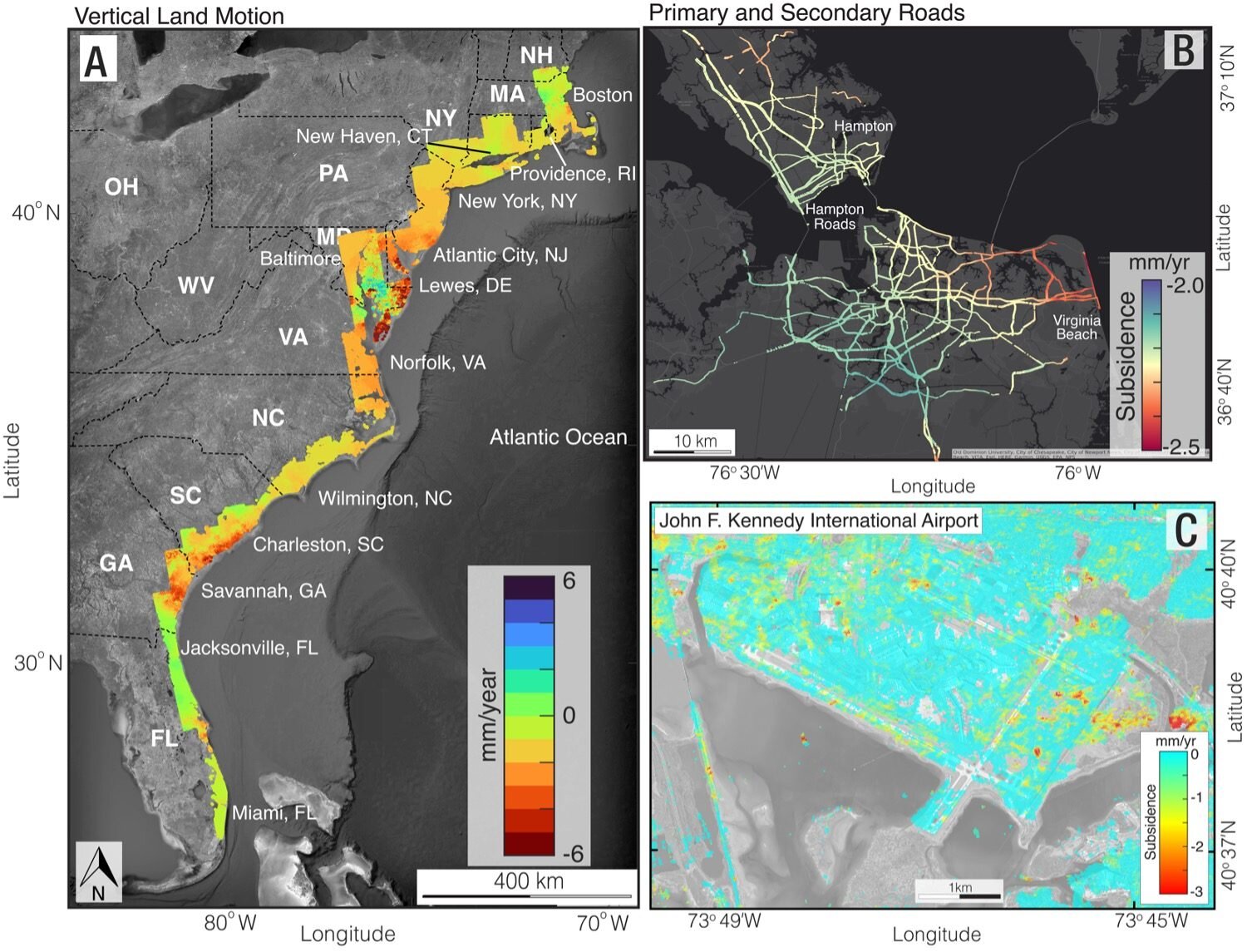
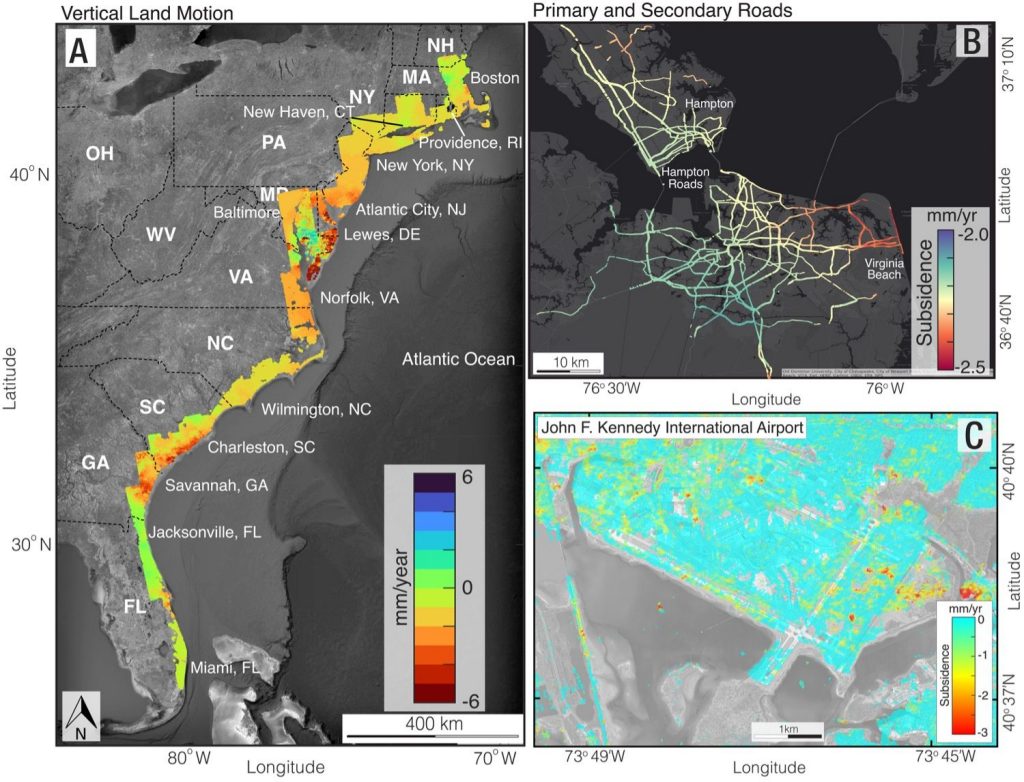
A study by Virginia Tech and the U.S. Geological Survey has found that major cities along the U.S. Atlantic coast, including New York City, Long Island, Baltimore, and Virginia Beach, are sinking at rates that exceed the global sea level rise. This land subsidence is threatening critical infrastructure such as roads, airports, and railways, with some areas sinking more than 5 mm per year. The research, which utilized space-based radar satellites to create high-resolution maps of subsidence, highlights the urgent need to address the potential damage and increased flood risks associated with this phenomenon.

environment-and-climate-change2 years ago

"California Coast Battered by Massive Waves, Pier Damage and Campsite Chaos"

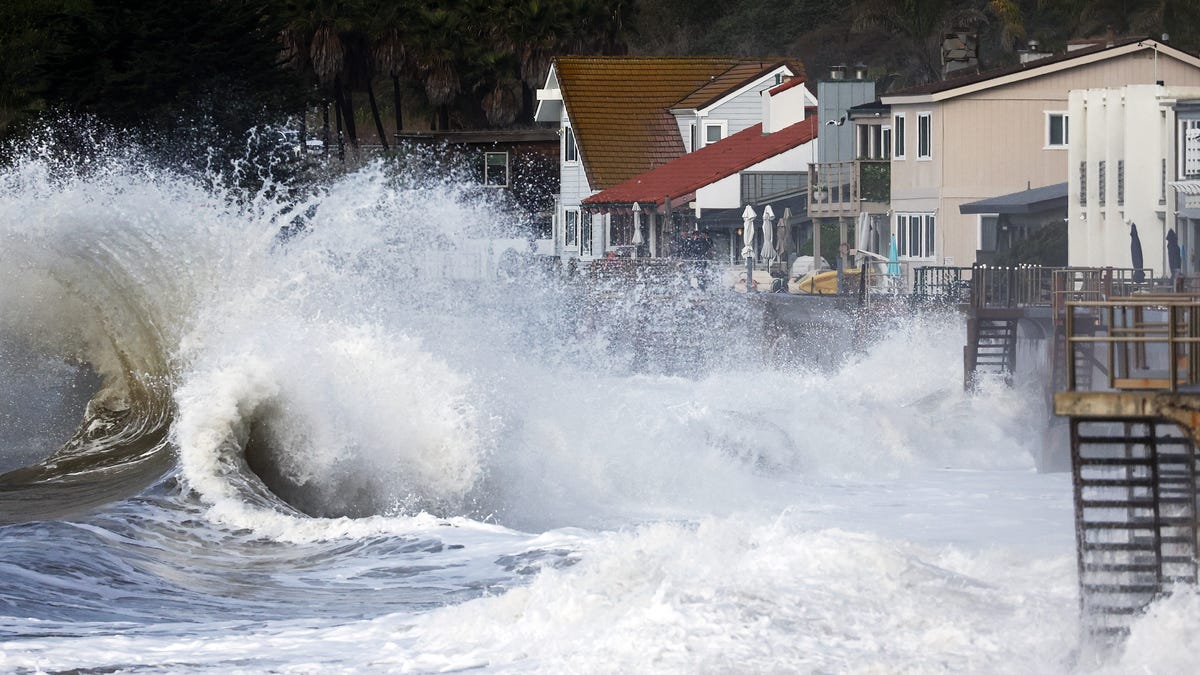
California is facing the return of large waves up to 16 feet due to a strong El Niño pattern, with climate change exacerbating the frequency and impact of these events. Researchers warn of increased coastal flooding and erosion as sea levels rise, with the current El Niño offering a glimpse into more extreme conditions expected in the future. The West Coast has already seen a 10-inch rise in sea levels over the past century, and this trend is accelerating, leading to more significant coastal impacts during high tide and storm events. The situation highlights the vulnerability of coastal developments and the need for increased resilience against the effects of climate change.

environmentscience2 years ago

"Study Reveals Widespread Sinking of East Coast Cities, Threatening Infrastructure"

A Virginia Tech study has revealed that the US East Coast is sinking, with over 15 million Americans living in areas at risk. The sinking, up to five millimeters per year in some 'hotspots,' is attributed to groundwater extraction and infrastructure weight. This subsidence exacerbates flood risks and threatens vital infrastructure, including major airports and railways. The research, which used satellite data, highlights the urgent need for concern and mitigation in densely populated and infrastructure-heavy areas.

environment2 years ago

"East Coast Cities Face Sinking Dilemma, Endangering Infrastructure"

A study by Virginia Tech and the U.S. Geological Survey published in PNAS Nexus reveals that major East Coast cities like New York City, Baltimore, and Norfolk are experiencing significant land subsidence, with some areas sinking more than 5 millimeters per year. This rate surpasses the global sea level rise and poses a threat to infrastructure such as roads, airports, and railways. The research utilized space-based radar satellites to create high-resolution maps of subsidence, highlighting the urgency of addressing infrastructure vulnerabilities and the increased risk of coastal flooding due to climate change.

environment-and-science2 years ago

"East Coast Cities Face Sinking Dilemma, Endangering Infrastructure"

A study by Virginia Tech and the U.S. Geological Survey has found that major East Coast cities like New York City, Baltimore, and Virginia Beach are sinking at rates exceeding global sea level rise, with some areas descending more than 5 millimeters per year. This subsidence poses significant risks to infrastructure, including roads, railways, and airports, and increases flood risks. The research, which utilized space-based radar satellites to create high-resolution terrain maps, highlights the urgent need for addressing the impacts of land subsidence in conjunction with climate change-induced sea level rise.

environment2 years ago

Antarctic Melting: Seafloor Clues and Rapid Collapse Warning.

Markings on the seafloor off Norway that record the pull-back of a melting European ice sheet thousands of years ago suggest that Antarctica's melting ice sheet could retreat much faster than previously thought. The fastest withdrawing glaciers in Antarctica are seen to retreat by up to 30m a day, but if they sped up, the extra melt water would have big implications for sea-level rises around the globe. The researchers found that with the Norwegian sheet, the maximum retreat was more than 600m a day.