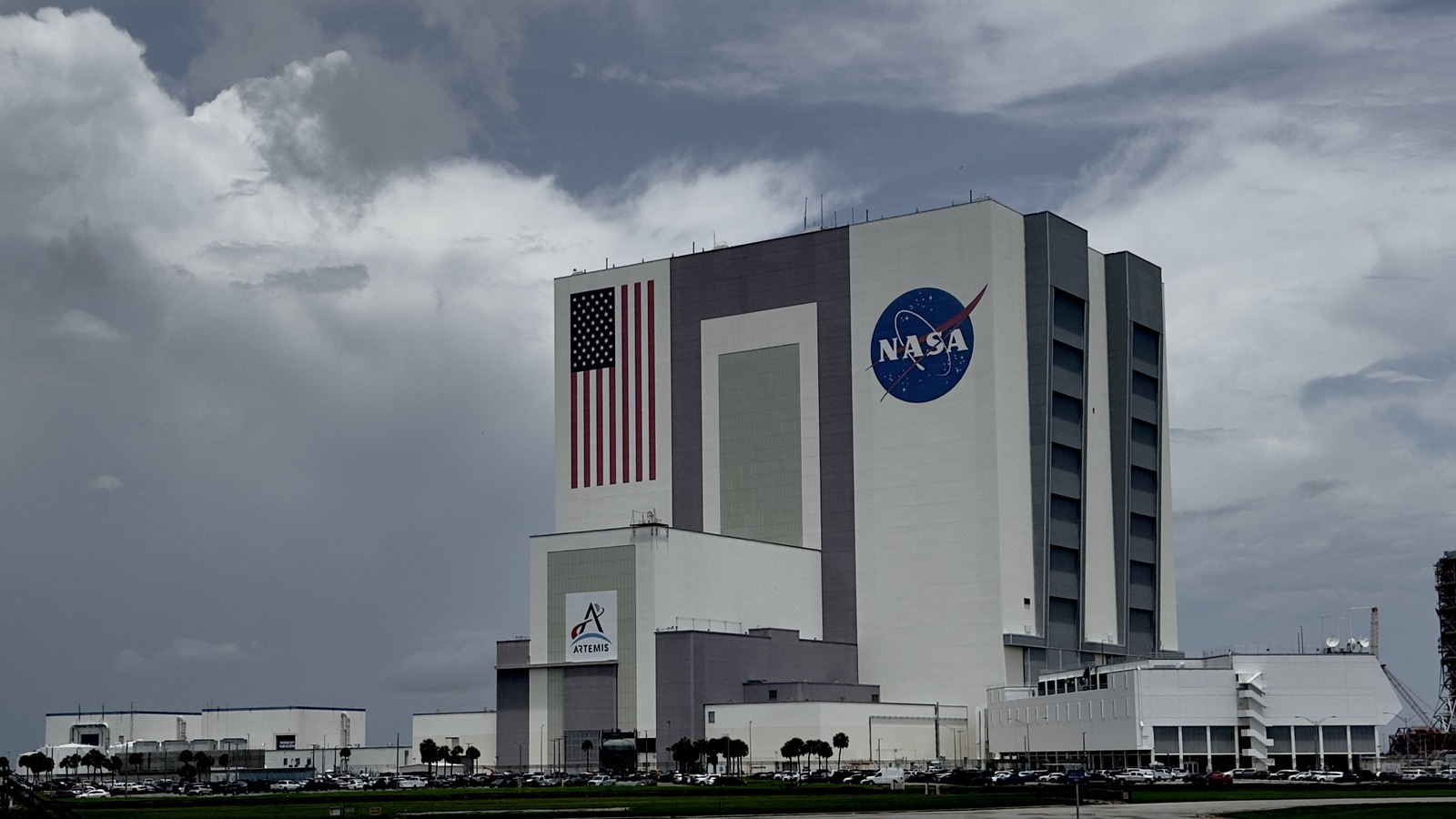
NASA and NSF's recent withdrawal from the American Astronomical Society's conference reflects broader funding and policy challenges, including proposed budget cuts and organizational changes under the current U.S. administration, impacting scientific collaboration and progress in space exploration.
The American Association for the Advancement of Science (AAAS) has welcomed 502 scientists, engineers, and innovators into its 2023 class of Fellows, recognizing their distinguished lifetime contributions to the scientific community. The new Fellows represent various fields including biological sciences, chemistry, medical sciences, and engineering, and are at the forefront of discussions about emerging technologies, environmental issues, and more. The program, celebrating its 150th anniversary, will honor the new class at a forum in September 2024 and feature them in the AAAS News & Notes section of the journal Science in April 2024.
A study of over 11,000 Swedish researchers reveals a widespread belief in one’s own ethical superiority, with over 55% rating themselves as adhering to good research practices as well as or better than their peers, and nearly 63% rating their research field’s ethical standards as high or higher than others. This self-assessment bias, particularly pronounced in medical research, raises concerns about recognizing ethical shortcomings and hindering interdisciplinary collaboration, highlighting the need for heightened self-awareness and ethical vigilance in the scientific community.
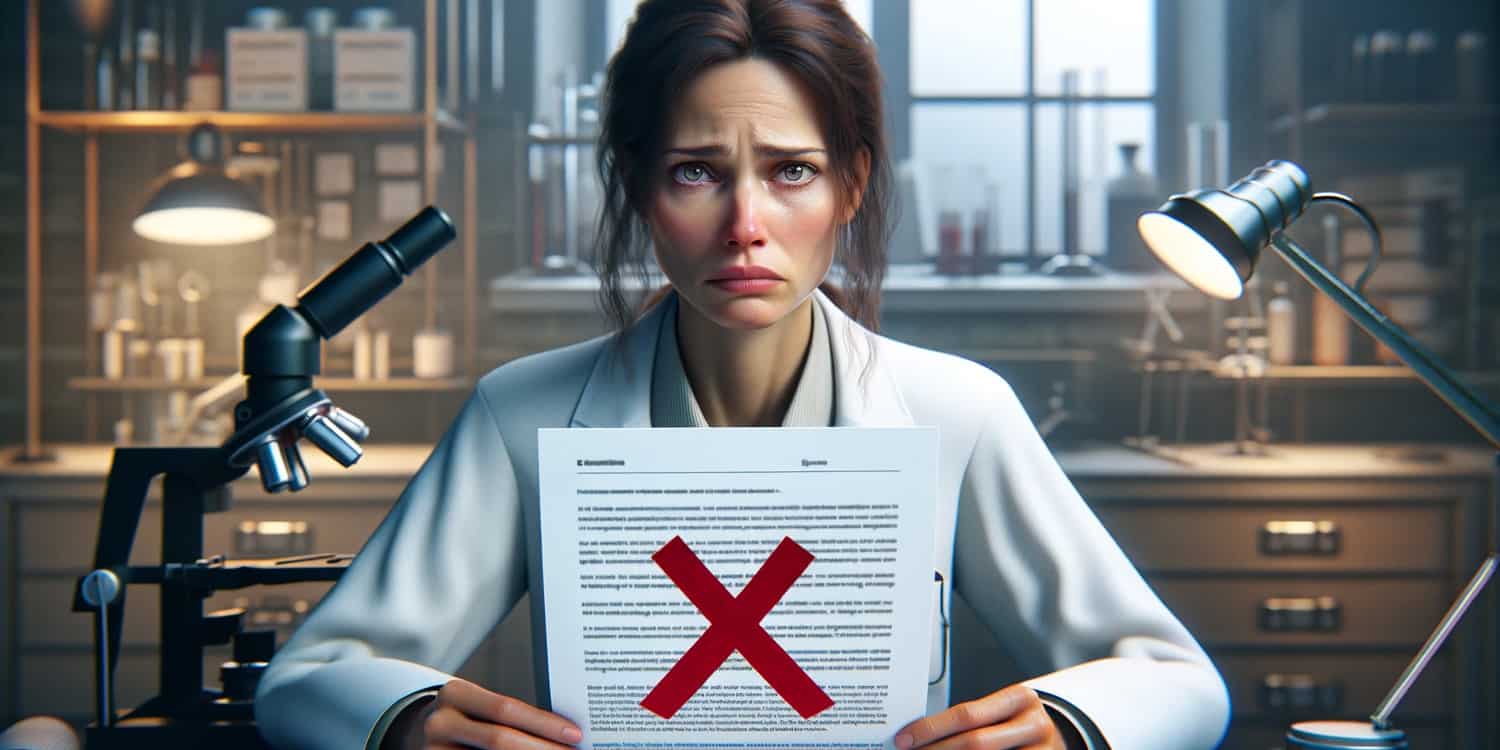
A scientist's paper was falsely accused of being the work of an AI, highlighting the concerning lack of evidence and acceptance of baseless accusations in the scientific review process. The incident raises questions about the need for explicit standards regarding the use of AI tools in writing, including guidelines for acknowledgment and handling accusations of misuse. This situation underscores the potential for AI's existence to corrupt submission and review processes, emphasizing the necessity for proactive measures to address these issues.
A group of 38 coauthors published a Perspective piece in the Proceedings of the National Academy of Sciences (PNAS), highlighting the growing trend of "soft" censorship in scientific research. They distinguish between "hard" censorship, involving direct actions to prevent the dissemination of ideas, and "soft" censorship, which includes social pressures that indirectly hinder the spread of certain scientific ideas. The authors argue that while overt government censorship of science is rare in liberal democracies, more subtle forms of censorship, often perpetuated by scientists themselves, pose a significant threat to scientific openness. They discuss the psychology behind censorship, including self-protection, benevolence towards peers, and prosocial concerns. The authors advocate for a more balanced approach to handling controversial or sensitive scientific findings, emphasizing the need for clearer guidelines and ethical frameworks within the scientific community.
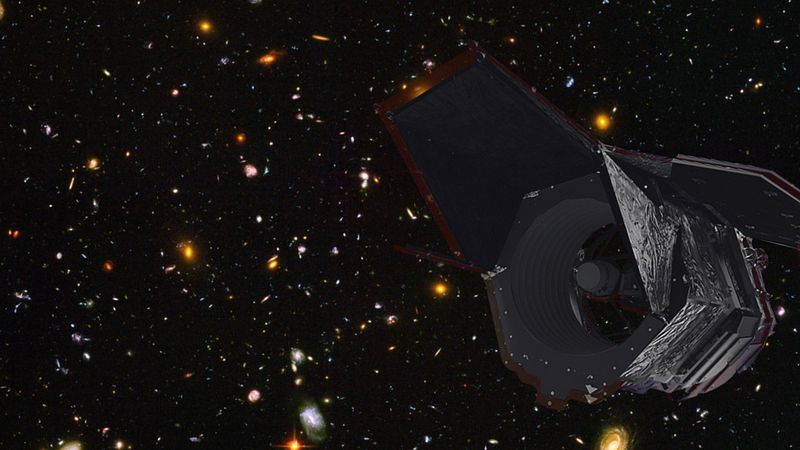
NASA is preparing for the launch of the Roman Space Telescope in 2027 by mobilizing the scientific community to maximize its scientific potential. The telescope's wide field of view will allow for big-picture observations of distant galaxies and could help solve the mysteries of dark matter and dark energy. Scientists are conducting simulations to test machine-learning algorithms for identifying patterns in the vast amount of data the telescope will collect. The telescope will also collaborate with other telescopes, such as Hubble and the James Webb Space Telescope, to study ancient galaxies and gravitational lensing.
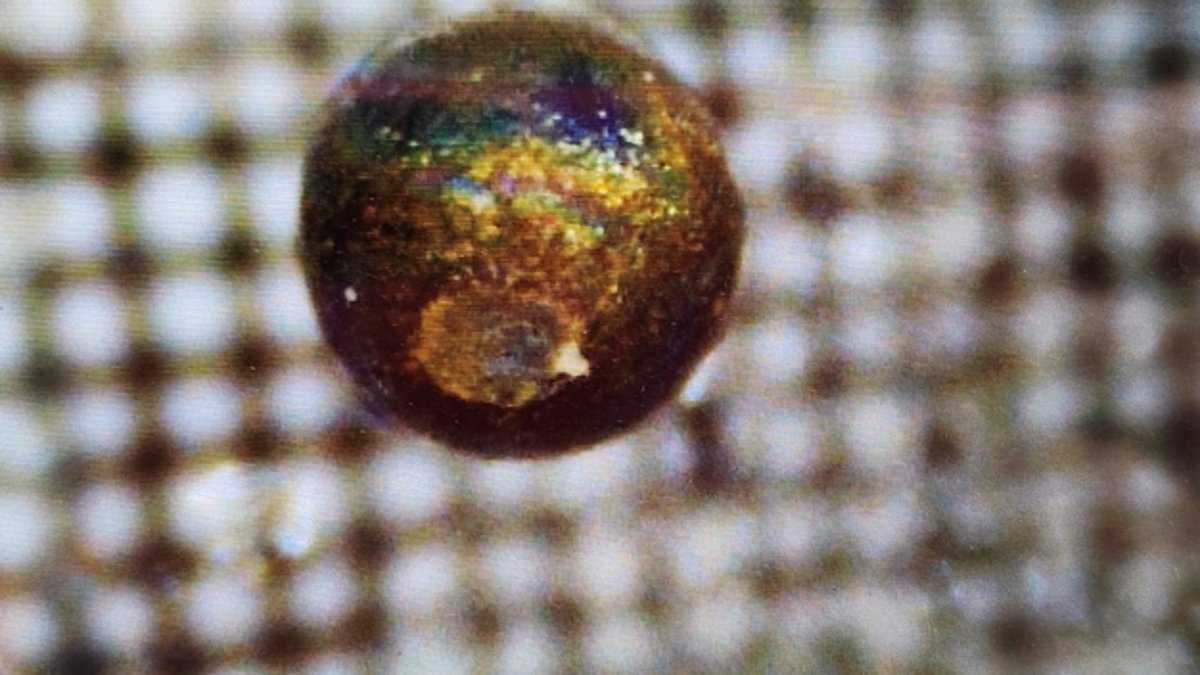
A controversy has erupted in the scientific community over claims by Harvard physicist Professor Avi Loeb that fragments recovered from the Pacific Ocean may be of extraterrestrial origin. Loeb suggests that the tiny metallic spheres have a composition of elements never seen before, indicating they came from interstellar space. However, some scientists are skeptical, pointing out that spherules are common on the ocean floor and cannot be definitively linked to a specific meteor impact. Loeb's claims have not been published in a reputable journal, leading to further doubts. The debate highlights the need for conclusive evidence and peer review in order to establish the validity of such extraordinary claims.