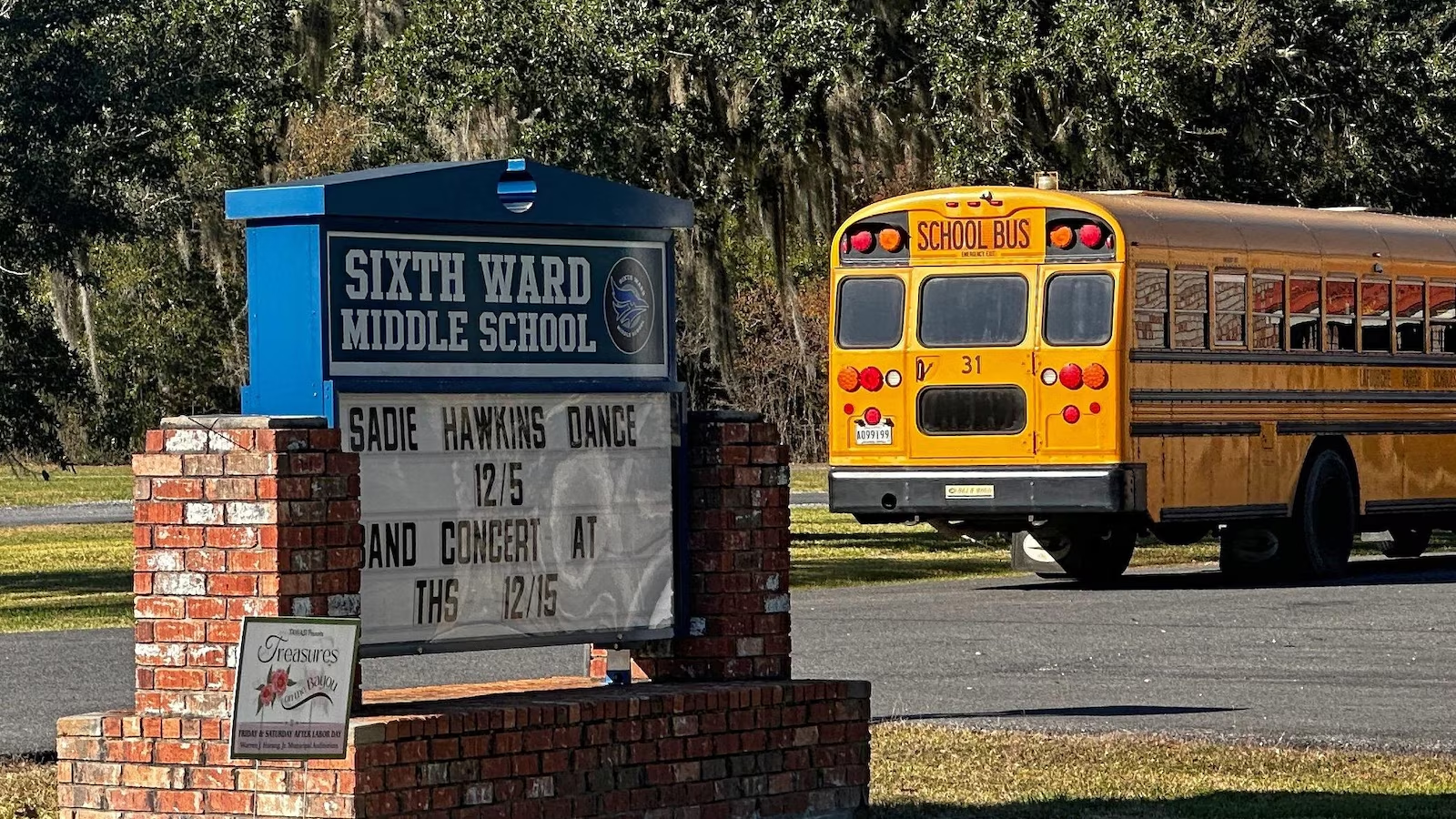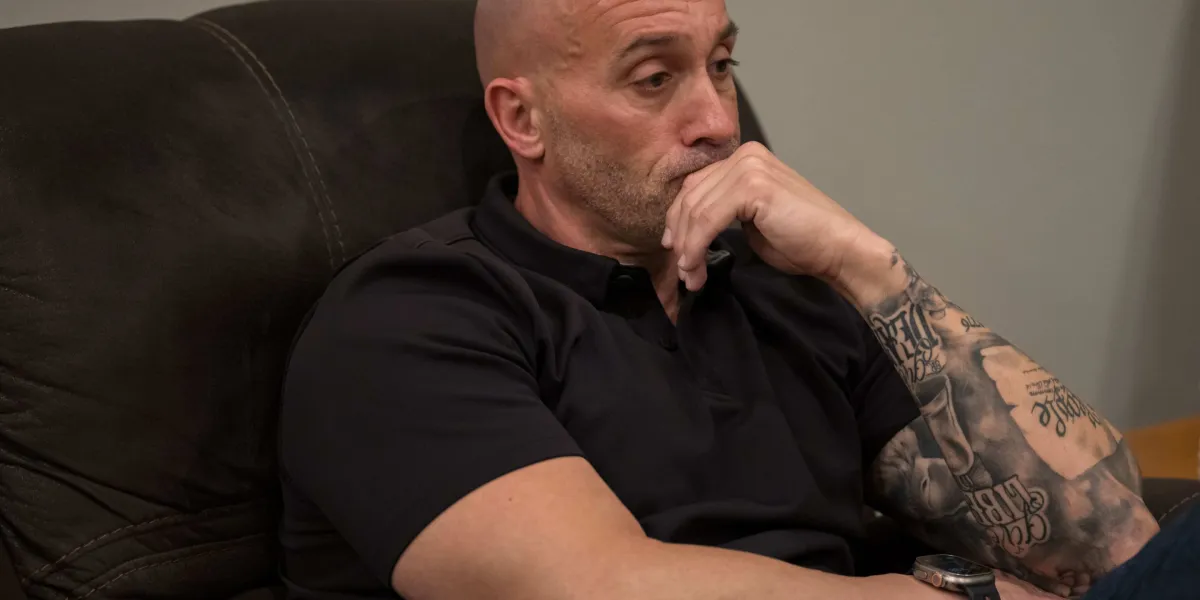
A 13-year-old girl in Louisiana was expelled after she attacked a boy who was showing AI-generated nude images of her on a school bus, amid circulating deepfake images of her and other students. The case highlights the challenges schools face in addressing AI-driven cyberbullying and harassment, with authorities charging boys involved but not the girl, who suffered emotional and educational setbacks. The incident underscores the need for better policies and awareness around AI and digital safety for children.
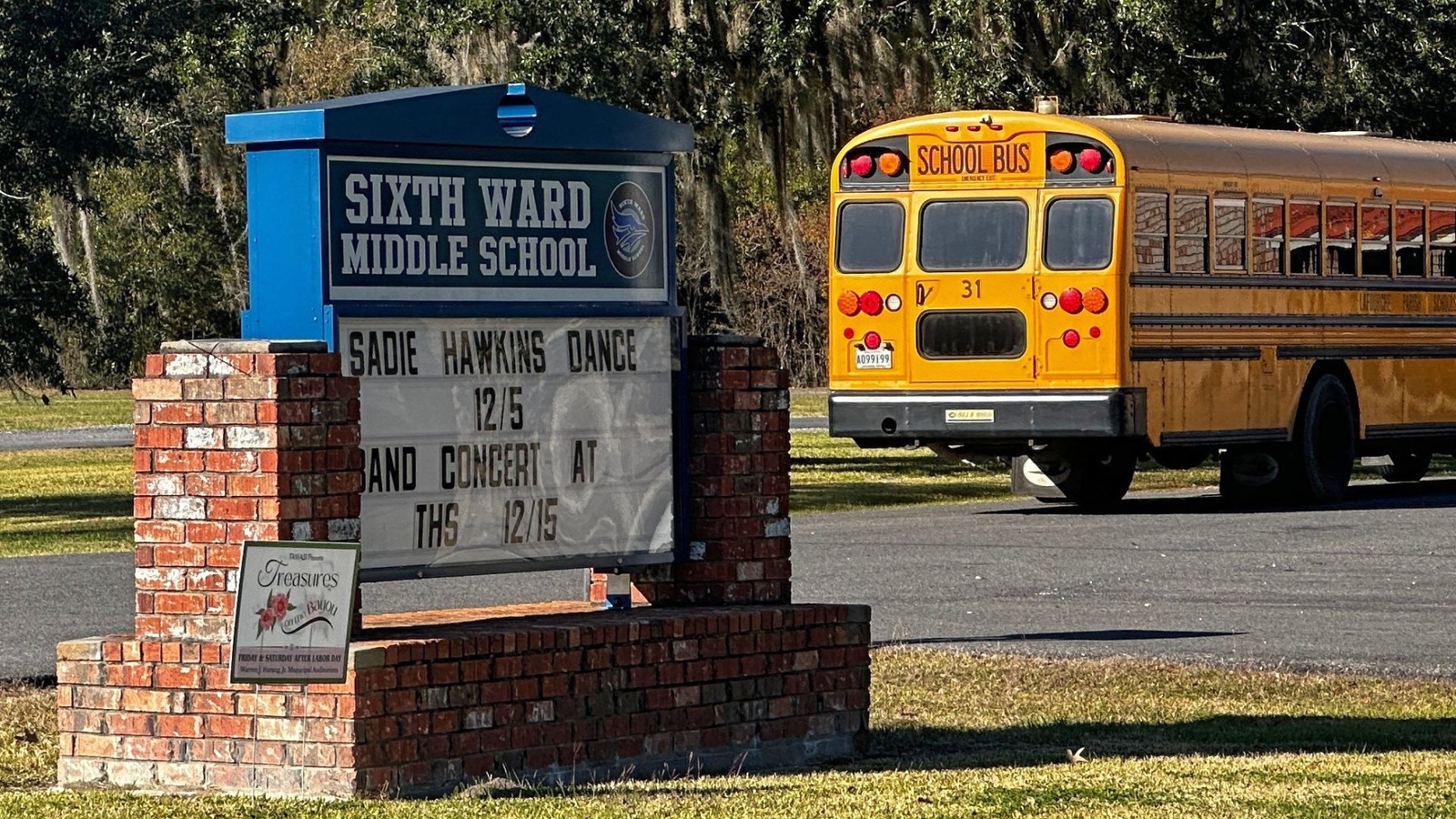
A 13-year-old girl in Louisiana was expelled after AI-generated nude images of her circulated among students, highlighting the dangers of deepfake technology and the lack of school preparedness for AI-related cyberbullying. Despite her efforts to seek help, she was disciplined and expelled, while the boys accused of sharing the images faced criminal charges, illustrating the complex challenges AI poses in school environments.
A 13-year-old girl in Louisiana was expelled after AI-generated nude images of her circulated among students, highlighting the dangers of deepfake technology and the lack of school preparedness for AI-related cyberbullying. Despite her efforts to report the images, she was disciplined and expelled, while the boys accused of sharing the images faced charges, illustrating the complex challenges schools face with emerging AI threats.
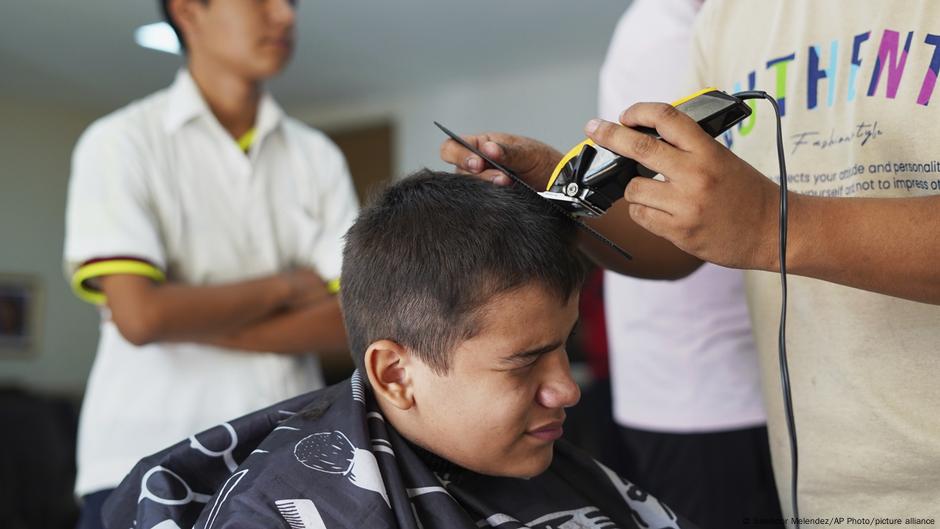
El Salvador has implemented strict new discipline rules in public schools, including military-style haircuts and uniforms, as part of a government effort to restore order, amid concerns over militarization and authoritarian tendencies.
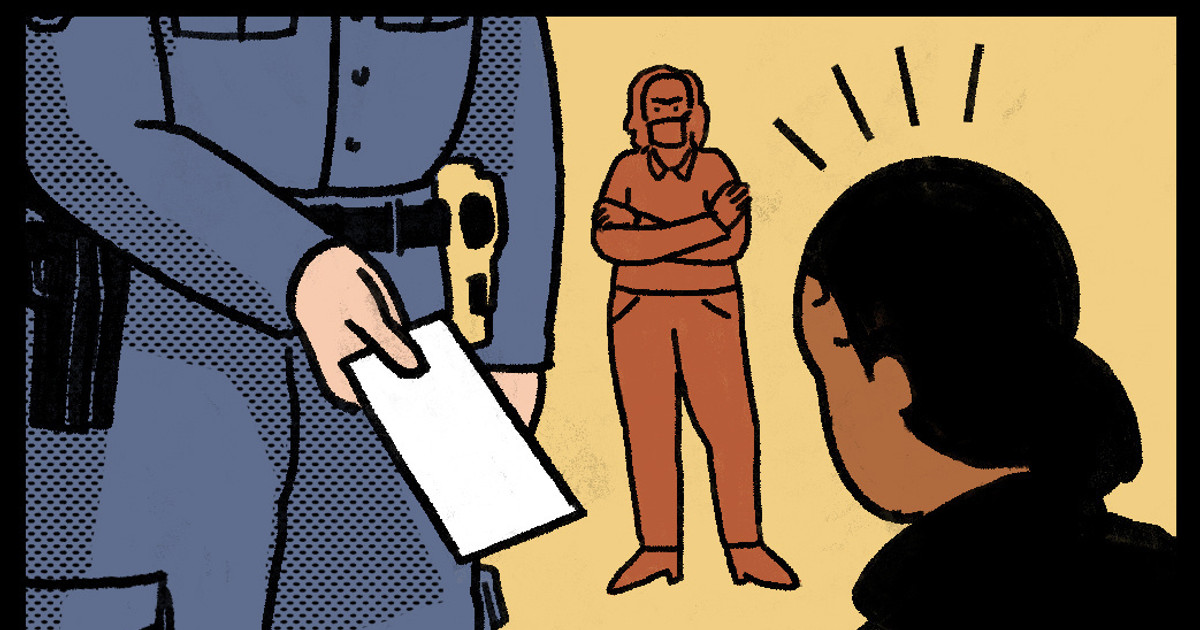
Two national civil rights groups have filed a complaint against Rockford Public Schools, Illinois' third-largest school district, alleging discriminatory practices in school discipline that disproportionately target Black students with police tickets and arrests. The complaint, submitted to the U.S. Department of Education’s Office for Civil Rights, argues that minor behavioral issues are being handled by police rather than educators, funneling Black students into the justice system. The groups seek federal intervention to change these practices and highlight broader racial disparities in school discipline within the district.
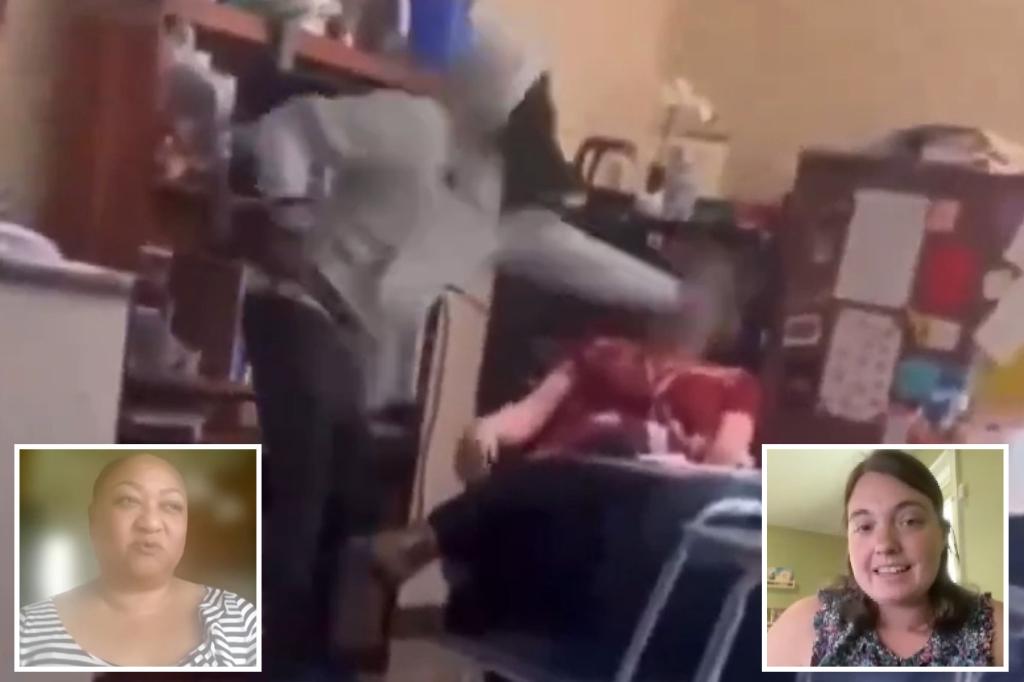
Former teachers at a North Carolina high school where a student assaulted his teacher say they were not surprised, citing a long-standing issue of violence in the school. The incident has sparked discussions about the impact of remote learning during the pandemic on student behavior, as well as the need for better discipline and support for educators. The school district condemned the assault and the student involved has been charged with misdemeanor offenses.
Black students in Ohio are disproportionately suspended for disobedience and disruption, with subjective terms like disrespect and insubordination leading to selective punishment. Racial and cultural differences between educators and students, as well as bias, contribute to these disparities. Toledo's public schools, under federal monitoring, are working to address the root causes of the disparity through culturally responsive training, mental health support, and social-emotional wellness teams. Teacher experience and training are key to preventing suspensions, as less-experienced teachers and subjective disciplinary decisions contribute to racial gaps. Researchers argue that more support for teachers and alternatives to suspensions could reduce racial inequities and improve academic outcomes for students.
Public schools across the U.S. suspend students for ambiguous reasons, leading to hundreds of thousands of missed school days annually, with black students and students with disabilities being disproportionately affected. Vague violations such as insubordination and disorderly conduct give teachers wide latitude in interpreting and assigning suspensions, often for low-level infractions. Research shows that suspensions negatively impact academic performance and contribute to higher dropout rates. While some policymakers aim to limit suspensions to severe misbehavior, others advocate for stricter discipline policies, despite warnings from experts and teachers. Critics argue that suspensions are ineffective and fail to address underlying issues, such as anxiety or personal struggles, prompting calls for alternative strategies and comprehensive support for students and educators.
A West Virginia bill that would have allowed teachers to remove kindergarten and elementary school students from the classroom for severe misbehavior failed to pass after legislators missed a midnight Sunday deadline. The bill aimed to address school discipline and behavioral issues among children with trauma and adverse experiences at home, but faced opposition due to concerns about disproportionate impact on foster children, children with disabilities, and minority students. Lawmakers expressed frustration with addressing only the symptoms of societal problems and not the root causes.
Four Brockton School Committee members have requested the deployment of the National Guard at Brockton High School due to an increase in violent and drug-related incidents, while many city leaders, including the mayor, oppose the idea. City councilors argue that school administrators should do more to address disciplinary issues and truancy, and that the divided school committee needs to work together to find solutions. Some councilors believe that the school's administrators have failed to enforce rules consistently, while others emphasize the need for parental involvement in addressing disciplinary issues. The school committee's internal divisions have also been cited as a factor contributing to the challenges faced by the school.
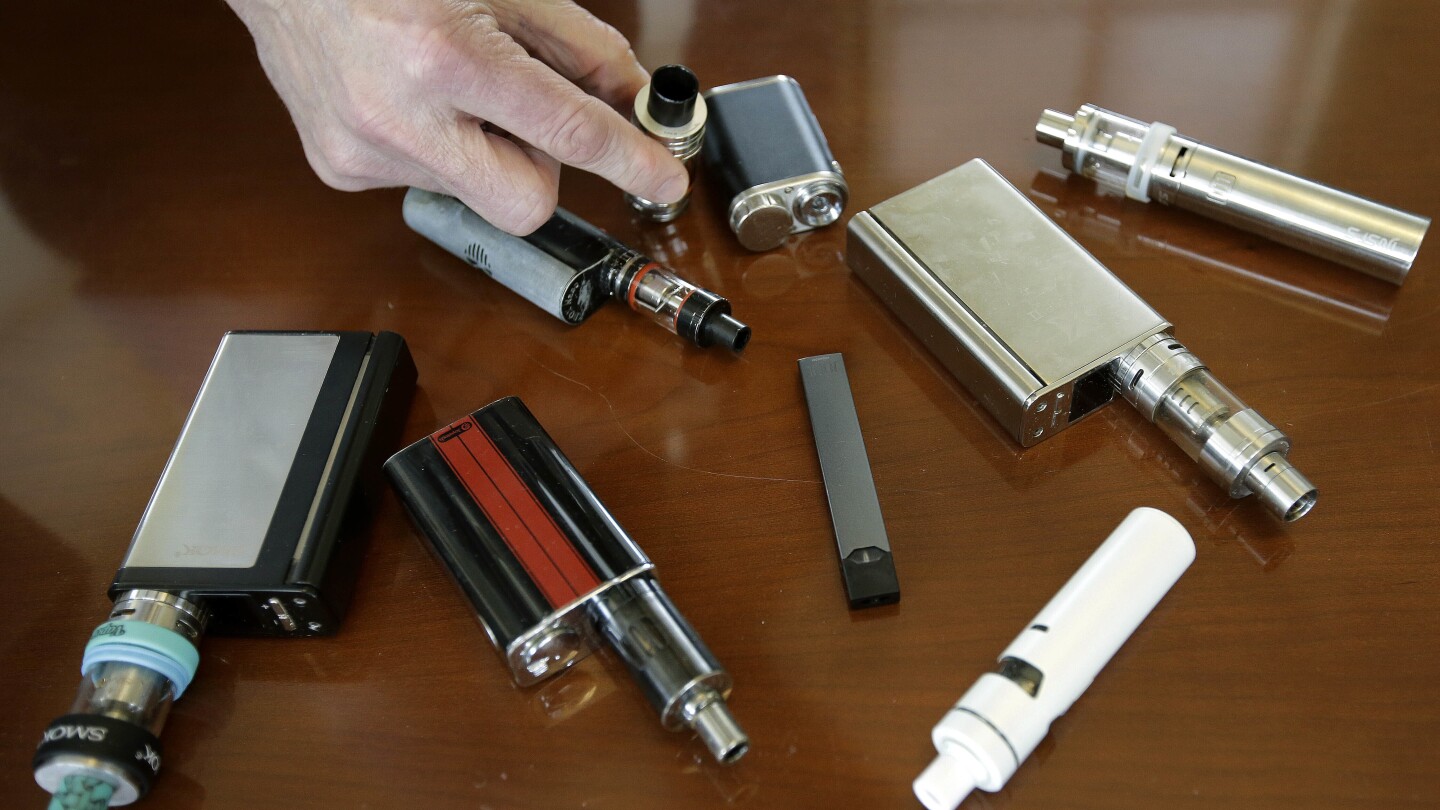
Schools across the US are using surveillance technology, including vape sensors, to crack down on student vaping, often without informing students. A student caught vaping faced harsh punishments, including being sent to an alternative school for 30 days and being told she could have faced criminal charges. The sensors, which can cost over $1,000 each, have been marketed as tools to fight the virus by checking air quality. Some students have faced misdemeanor or felony charges, and the use of such technology has raised privacy concerns. Despite efforts to curb vaping, students have found ways to outsmart the sensors, and some schools are implementing prevention strategies that include educational videos and tip lines.
The Los Angeles Unified School District (LAUSD) is piloting a rehabilitation-focused approach to student overdoses instead of the traditional zero tolerance policy. This shift comes in response to a rise in student opioid overdoses, with fentanyl being involved in the majority of teen overdose deaths. LAUSD is prioritizing medical attention and creating re-entry plans for students following an overdose, offering therapy sessions and outpatient rehabilitation at little to no cost. Other school systems across the country are also changing their approach to discipline, but funding and bureaucratic challenges remain.
Darryl George, a black high school student in Texas, has been removed from his school and transferred to a disciplinary school program after being suspended for violating the district's dress code due to the length of his locs. The school district cited chronic disciplinary infractions, including disruption of the classroom and violation of the dress and grooming policy, most of which are apparently connected to his hairstyle. Darryl's family has filed a federal lawsuit against state leaders and the school district, alleging failure to enforce a new state law prohibiting discrimination based on hairstyles associated with race. The family believes Darryl's expulsion is retaliation for filing the lawsuit.
California Governor Gavin Newsom has signed a bill that bans "willful defiance" suspensions for middle and high school students, which includes behaviors such as breaking dress code, talking back to teachers, or using phones in class. The new law also prohibits suspensions and expulsions for tardiness or truancy. Supporters argue that these suspensions disproportionately affect Black and Latino students, leading to reduced learning and higher dropout rates. The legislation aims to address the underlying causes of student misbehavior and provide support for their success in school.
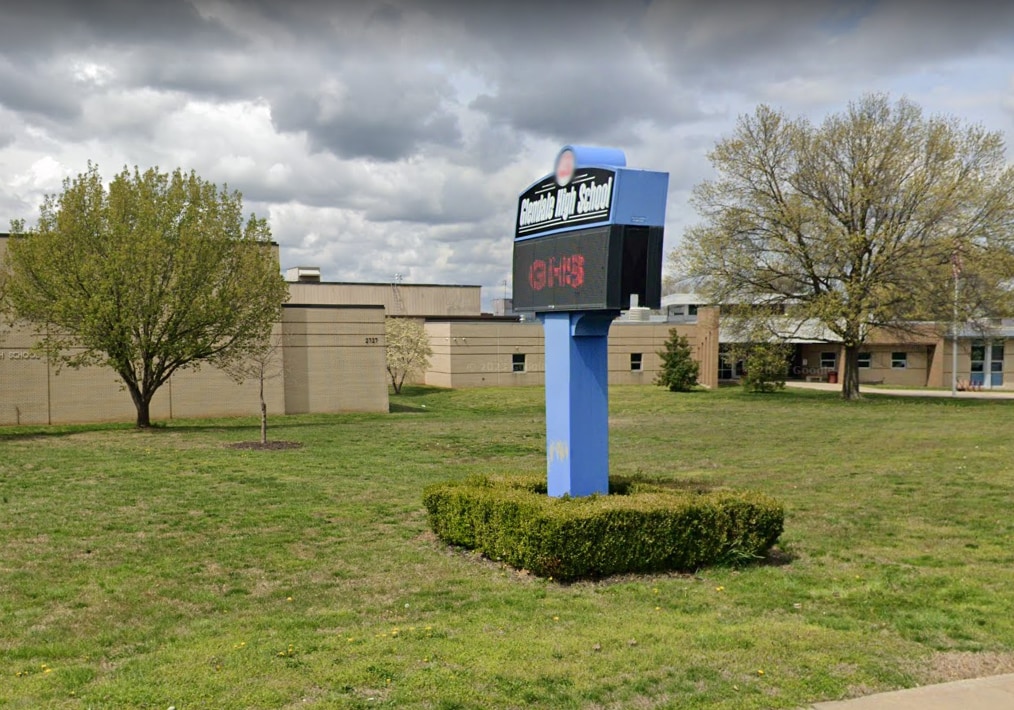
A 15-year-old student at Glendale High School in Missouri filmed her geometry teacher using the n-word twice in class and was subsequently suspended for three days for recording without prior approval. The student and her mother are challenging the punishment, arguing that she was acting as a whistleblower. The teacher has been fired, and officials maintain that while the teacher's actions were inexcusable, students are prohibited from recording in class without prior approval. The student handbook prohibits using cellphones to record faculty, staffers, or other students on campus without prior approval.