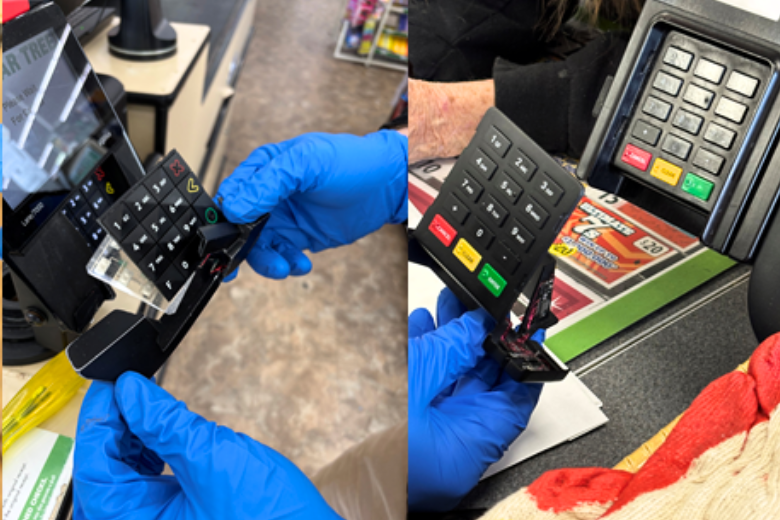
Fairfax County police and the U.S. Secret Service discovered 20 credit card skimming devices at various stores during a pre-holiday operation, warning shoppers to be vigilant and check for suspicious devices to prevent theft of personal and financial information.
WhatsApp is testing a new feature that limits the number of messages high-volume senders and spammers can send without a reply, aiming to reduce spam and scam messages, with the trial rolling out in multiple countries soon.
The FBI warns against replying to suspicious text messages, especially those pretending to be from known contacts or institutions, as they can lead to scams, data theft, or financial loss. Organized criminal gangs are using sophisticated tactics to lure victims into conversations that escalate into scams like romance, investment, or sextortion. Experts recommend verifying the sender independently, avoiding engagement, and using tools like Scam Guard or Scam Checker to report and analyze suspicious texts. Recent scams, including Amazon refund and QR code attacks, are surging, emphasizing the importance of cautious communication and proactive protection measures.
The FBI warns against replying to unknown or suspicious text messages, which are increasingly used by organized criminal gangs for scams like fraud and romance schemes. Experts recommend verifying sender identities independently and using tools like Australia's Truyu app or MalwareBytes' Scam Guard to detect and prevent these scams, which pose significant risks to personal data and finances.
Gen Z is changing traditional phone etiquette by not saying 'hello' when answering calls, expecting the caller to initiate conversation, partly to avoid spam and scams. This shift reflects broader changes in communication habits and technology, highlighting how social norms evolve with new technology.
Keanu Reeves reportedly pays a company to help remove fake social media accounts impersonating him, as scammers exploit his lack of official social media presence. This issue is part of a broader trend of celebrities battling AI-generated impersonations and scams online, with Reeves being one of the most impersonated figures due to his popularity and mystique.
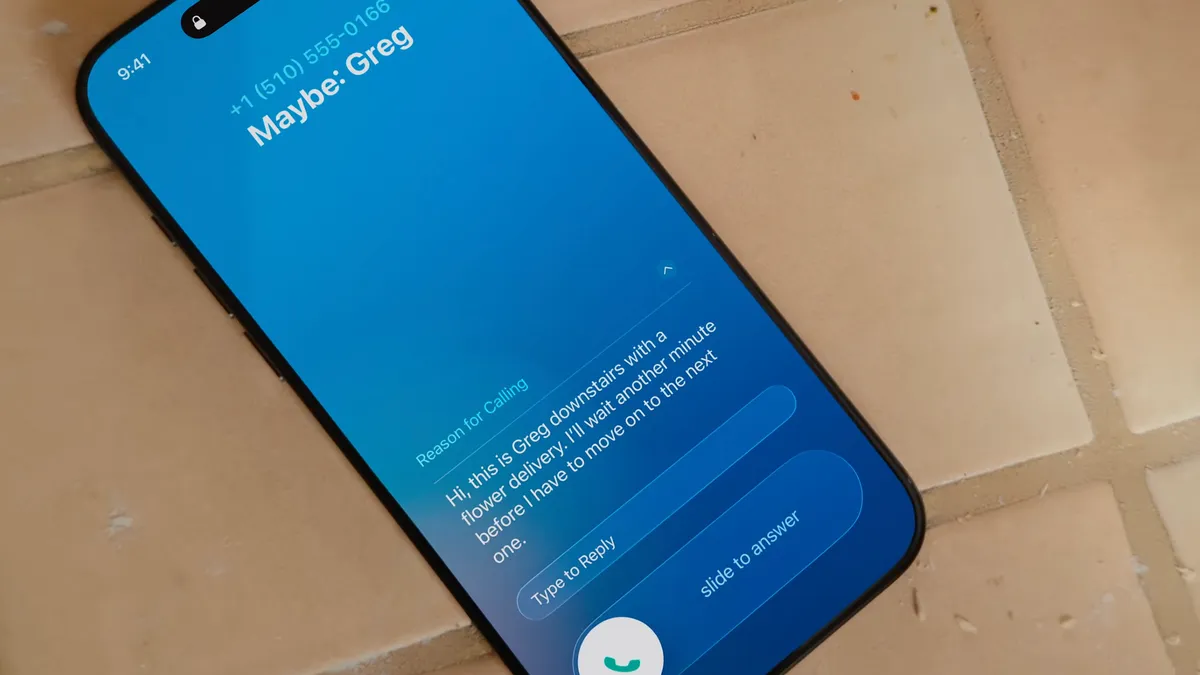
Apple is finally adding call and message screening features to help users block scam calls and texts, enhancing privacy and security, especially against AI voice clone scams and phishing attempts. Although late to the game, these features are a welcome addition to reduce scam exposure and inbox clutter.
With Valentine's Day approaching, the risk of falling victim to online romance scams is heightened. The article provides tips to avoid being scammed, including being cautious of red flags, avoiding sharing personal information, and using antivirus software. It also lists steps to take if you suspect you're being scammed, such as logging out of accounts, changing passwords, and reporting the scammer. Additionally, it highlights common Valentine's Day scams, such as malicious e-cards and dangerous dating websites, and emphasizes the importance of trusting instincts and using common sense when navigating online relationships.
"Smishing" is a form of phishing where scammers attempt to obtain personal and banking information through unsolicited text messages. They often pose as government agencies, businesses, or package delivery services. Americans lost $330 million to smishing scams in 2022. To protect yourself, be cautious of unsolicited messages asking for personal information, be suspicious of urgent requests, and verify with the source by calling instead of relying on text messages. To block smishing messages, use filtering options on your phone and report them to your wireless provider or the FTC. If you've already fallen victim to a smishing scam, get your computer checked for malware, stop communication with the scammer, and report the incident to your bank and relevant authorities.
The Federal Trade Commission has issued a warning to Gmail, Outlook, Android, iPhone, and other digital platform users about phishing scams that can ruin lives. Cybercriminals send phishing emails and texts to steal important details. The FTC advises users to block unwanted calls and text messages, not give personal or financial information in response to unexpected requests, resist the pressure to act immediately, know how scammers tell you to pay, and talk to someone you trust before taking any action.