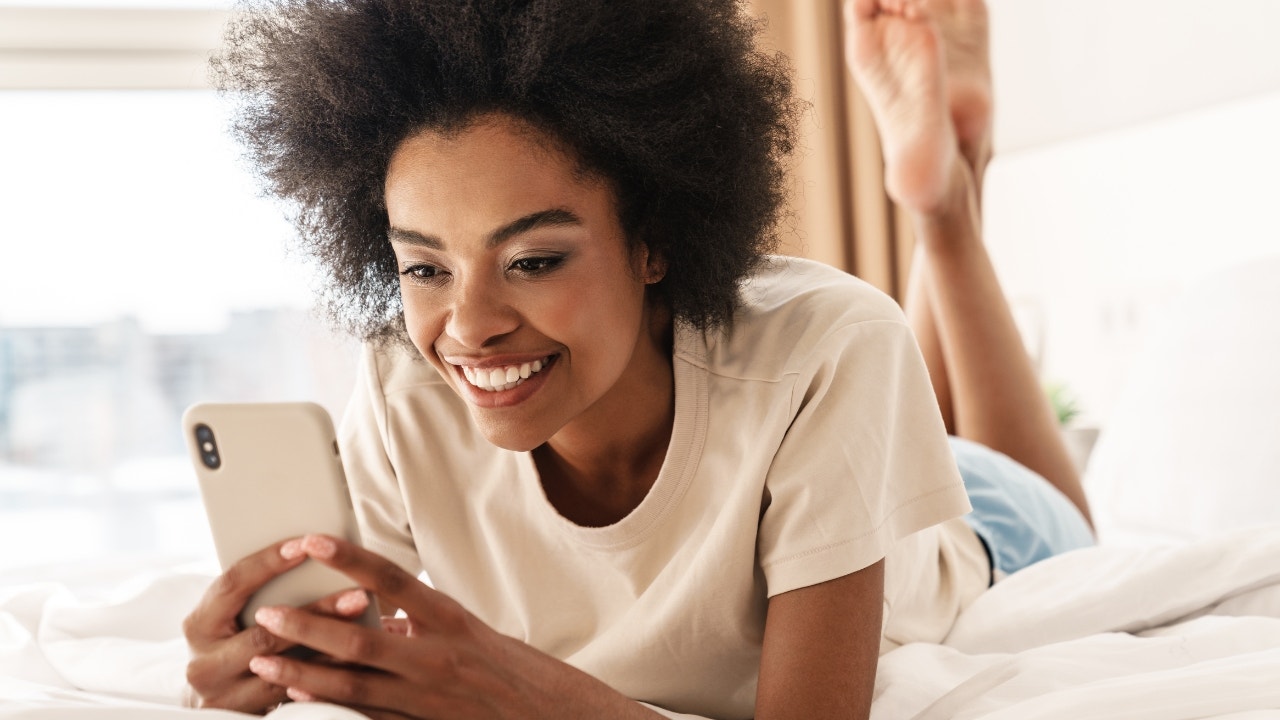
Gen Z is changing traditional phone etiquette by not saying 'hello' when answering calls, expecting the caller to initiate conversation, partly to avoid spam and scams. This shift reflects broader changes in communication habits and technology, highlighting how social norms evolve with new technology.
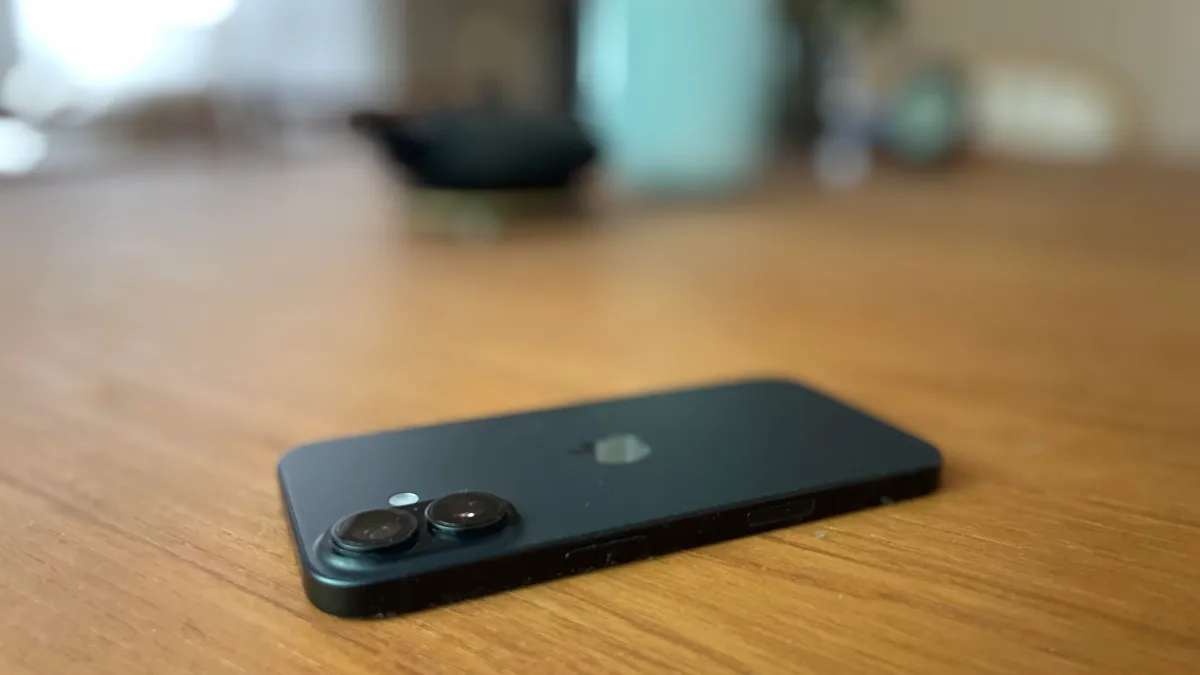
The article emphasizes the importance of keeping your phone face down when not in use to save battery, show attentiveness in social settings, reduce digital distraction, and minimize the phone's intrusive presence in daily life, ultimately promoting better human connection and mindfulness.
The release of the musical film 'Wicked' has reignited the debate over phone use in movie theaters, with many moviegoers frustrated by others taking photos and videos during screenings. This behavior, which has become more common post-pandemic, is seen as a result of social media's influence on personal experiences. While some argue a quick photo isn't disruptive, others believe it detracts from the collective moviegoing experience. Theaters like Alamo Drafthouse maintain strict no-phone policies, but enforcement is challenging due to understaffing. The debate highlights a cultural shift in movie-watching etiquette.
The Washington Post has attempted to establish a set of phone etiquette rules that can be agreed upon by everyone, regardless of age or relationship. Some of the guidelines include avoiding leaving voicemails, texting before calling, using phone calls for emotional matters, not calling again if the person doesn't answer, being considerate about video calls, and avoiding loud conversations in public. While these rules aim to address the miscommunication and distrust caused by generational differences in phone usage, it remains to be seen if they will be widely accepted.
Etiquette expert Jacqueline Whitmore advises opting for a text message in casual or personal situations, as voicemails are often ignored and time-consuming. However, voicemails are still relevant in professional settings, and it's important to state your name, callback number, and reason for calling. When texting, always ask the recipient's preferred method of communication and avoid using it for long, complex discussions or sensitive information. Consider the time of day when texting to avoid being intrusive. Video voicemails can add a personal touch but should be used with close acquaintances or for expressive messages. It's acceptable to let calls go to voicemail when engaged in important tasks. Maintain others' privacy by avoiding speakerphone use in public places and ask permission before initiating a FaceTime call. When in doubt, ask the receiver how they prefer to be contacted to avoid frustration or confusion.
The way we make phone calls has evolved with advancements in technology, leading to changes in phone etiquette. Leaving voice mails is now considered outdated, as most phones transcribe them and people prefer written communication. It is recommended to text before calling someone to ask if they are available to talk, especially for video calls. Emotions and personal matters are best discussed over the phone, while factual updates and coordination work better in writing. It is important to respect others' personal space and privacy when using speakerphone or video calls in public. Apple's new features, such as video voice mails and call screening, offer new options for communication. Despite these changes, phone calls remain a valuable way to connect and strengthen relationships.