Google will shut down its Dark Web Report tool in February 2026 due to its limited helpfulness, encouraging users to rely on other security tools like Password Manager and 2-Step Verification to protect their personal information online.
Scammers are exploiting Google Forms, a popular tool in Google Drive, to trick users into providing personal information. Users are advised to be cautious and verify the legitimacy of forms before filling them out to avoid falling victim to malicious schemes.
A New Jersey meeting to decide governor debates was disrupted by a Zoom bomb containing pornographic and racist content, prompting investigations and a rescheduling with enhanced safeguards.
Elmo's X account was hacked, leading to the posting of antisemitic and racist messages, which have since been deleted. The incident highlights concerns over rising antisemitic threats amid geopolitical tensions and recent online platform issues, including AI systems spouting extremist views. Sesame Workshop is working to regain control of the account, amid broader concerns about online hate and misinformation.
A massive data breach has exposed 16 billion passwords and login credentials from major companies and government officials, raising urgent security concerns. Cybercriminals can exploit this data for credential stuffing, phishing, and identity theft, emphasizing the need for immediate password changes, enabling two-factor authentication, and vigilant monitoring of accounts to prevent misuse.
A massive leak of 16 billion login credentials from major tech companies and services has been confirmed, representing the largest data breach in history. Experts warn this exposes users to increased risks of phishing and account takeover, emphasizing the importance of adopting password management tools and passkeys for enhanced security. Users are encouraged to change reused passwords and switch to passkeys to better protect their online accounts.
NordPass and NordStellar's latest analysis reveals the top 10 most common passwords in the US, with 'secret' and '123456' leading the list. These easily guessable passwords pose significant security risks, as they can be cracked in less than a second. Experts advise using unique, complex passwords with a mix of letters, numbers, and symbols, and recommend password managers and two-factor authentication to enhance online security.
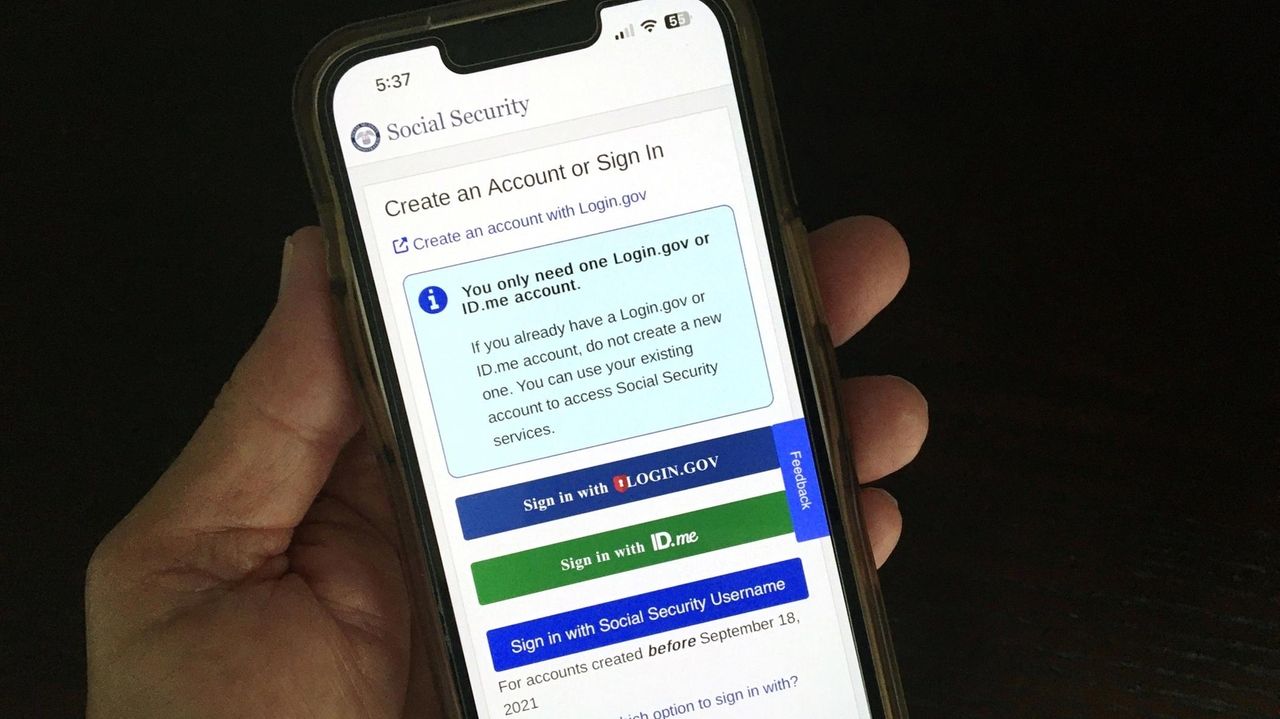
The Social Security Administration (SSA) is urging users to transition to the new, secure online system, Login.gov, for accessing their Social Security information. This change aims to enhance security and streamline user experience. Over 5 million users have already made the switch. The SSA emphasizes the importance of regularly checking your account to ensure accurate reporting and to protect against scams. Existing Login.gov and ID.me users do not need to take further action.
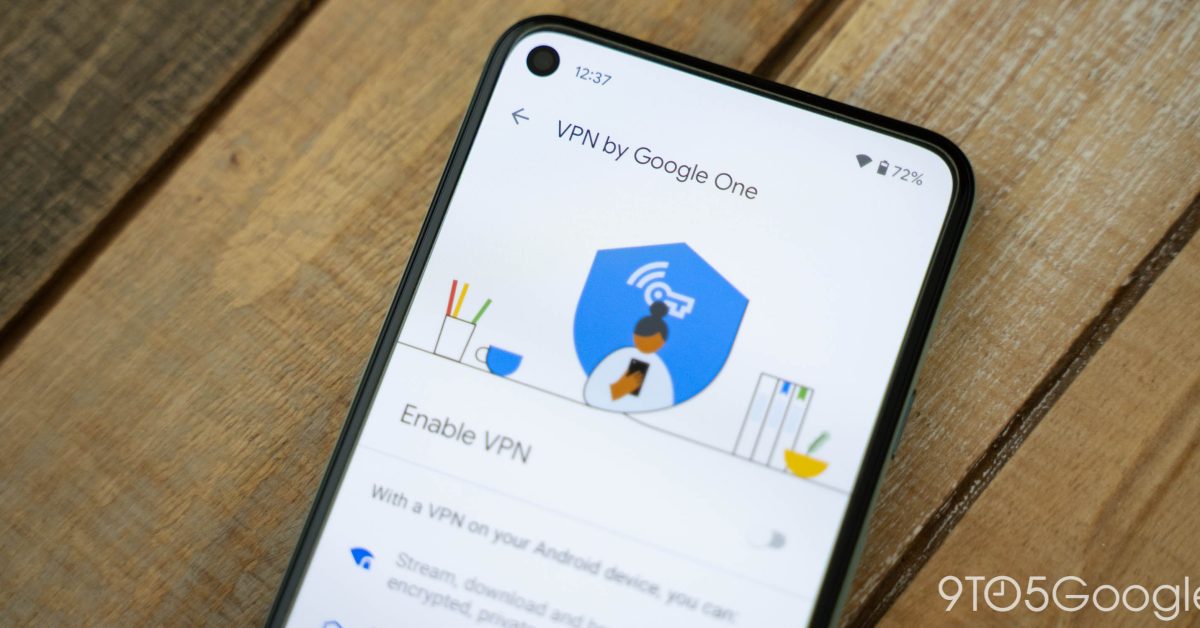
Google has discontinued its VPN by Google One service as of June 21, citing low usage. Initially launched in October 2020 for premium subscribers and later expanded to all plans, the VPN was designed for online protection rather than location switching. Google recommends users uninstall the app from their devices. Pixel and Google Fi Wireless users still have access to separate VPN services.
Google Maps allows users to blur their homes on Street View for privacy reasons, but the process is permanent and cannot be undone. To blur your house, locate it on Street View, click "Report a problem," and follow the instructions to submit your request.
Shohei Ohtani's former interpreter, Ippei Mizuhara, allegedly stole $16 million from Ohtani's bank account by impersonating him and making fraudulent wire transfers to pay off gambling debts. This incident highlights the importance of securing online accounts. To protect yourself, use a password manager to generate and manage complex, unique passwords for each site, enable multi-factor authentication for extra security, consider using passkeys that rely on biometric information, and use a password manager to generate random answers for security questions.
Google One is discontinuing its VPN feature due to low usage, with existing users being directed to third-party alternatives. The free Pixel VPN introduced with the Pixel 7 series will remain, and an upgrade is coming to older Pixel models in June. The VPN available with Google Fi will also continue to be available.
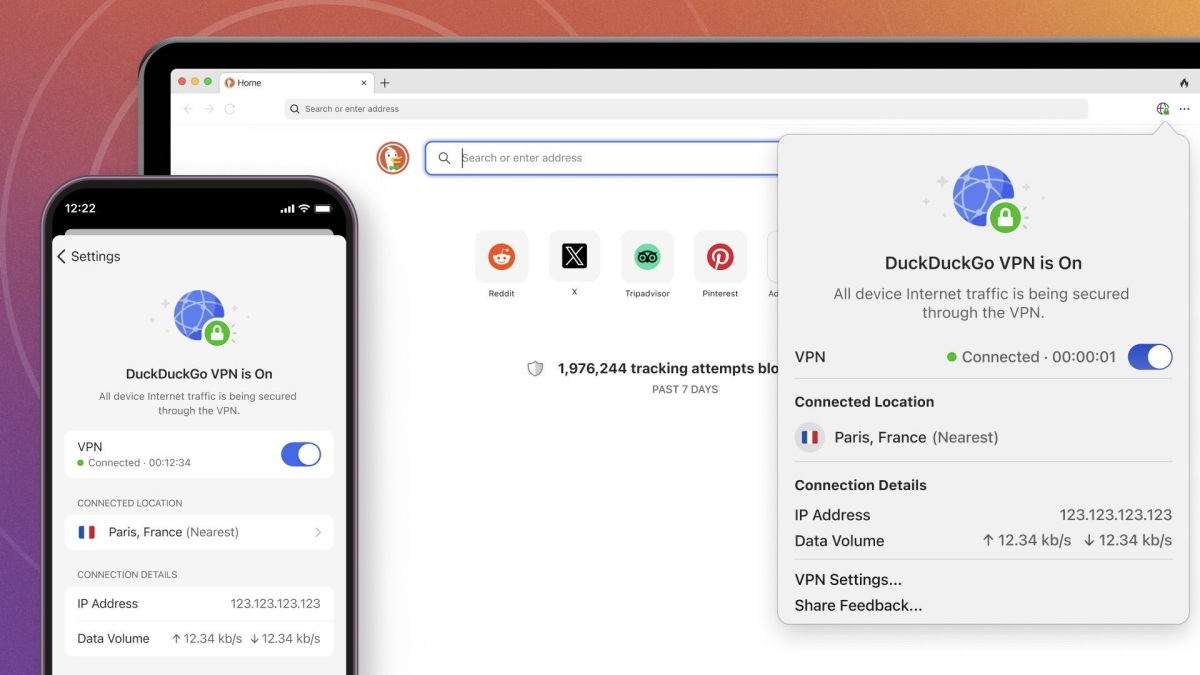
DuckDuckGo has introduced a new subscription service called Privacy Pro, which includes a VPN, personal information removal service, and identity theft restoration. Priced at $9.99 per month or $99.99 per year, the bundle seems to offer a good deal compared to subscribing to these services separately. While the VPN is based on the open-source WireGuard protocol and the personal information removal service scans for and removes data from common data brokers, the identity theft restoration service provides comprehensive support in case of identity theft. However, it's recommended to try the monthly plan first before committing to the annual subscription, and to explore other VPN and privacy services to find the best fit.
In 2024, with the increasing presence of AI and the potential for privacy invasion, it's important to protect personal information online. Steps to remove oneself from the internet include requesting removal of sensitive webpages from Google search results, adjusting social media privacy settings, and dealing with data brokers who profit from personal details. Incogni, a service by Surfshark, offers assistance in removing personal information from data brokers and provides a 55% discount on an annual plan with the code "9to5Google."
Google announces an initiative to provide free AI-powered tools and investments to enhance online security, including an open-source resource for detecting malware and a white paper detailing the use of AI for cyber defense. The company also plans to invest in research grants and partnerships to advance cybersecurity initiatives using AI, as hackers are increasingly integrating AI into their cyber operations.