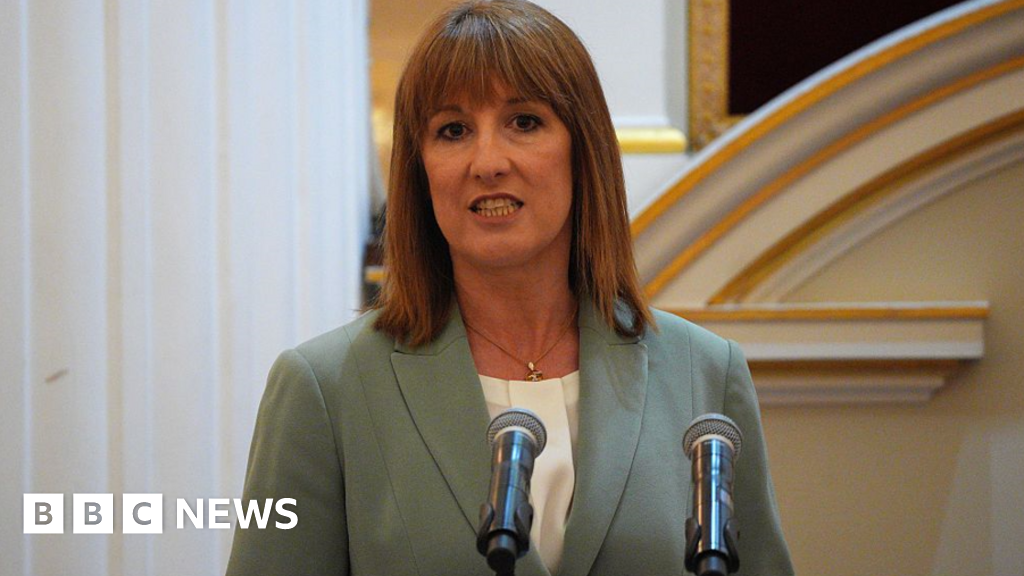
Rachel Reeves emphasized the need to change the negative narrative around savers investing in shares to promote economic growth, with government plans to support investment and reform financial regulation, amidst economic challenges and political debates on wealth taxes and fiscal policy.
Japanese bankers are facing a new challenge as rising interest rates prompt them to ask customers to pay more for credit, marking a shift from the previous 15 years of offering lower and lower interest rates on loans. This change in strategy is sharpening competition for deposits and benefiting Japanese savers.
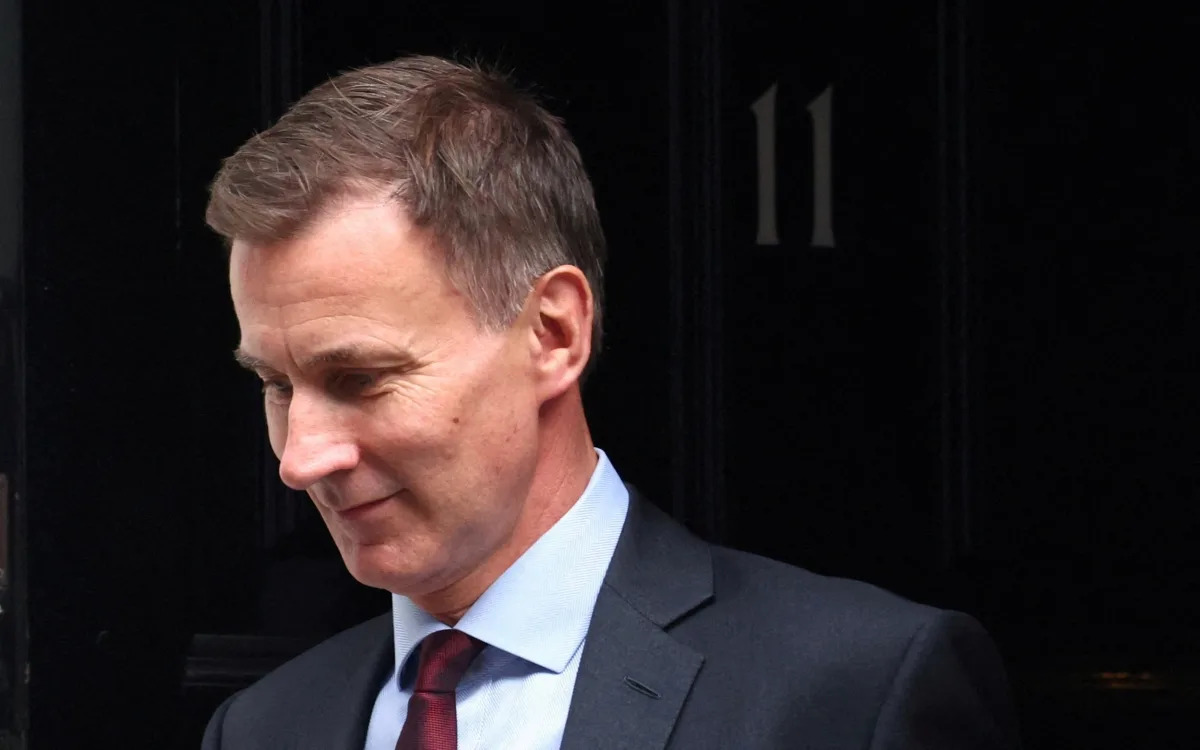
British Chancellor of the Exchequer Jeremy Hunt plans to rely on savers to fill the gap in public finances by increasing the amount expected from National Savings & Investments (NS&I) in the Autumn Statement. NS&I has seen a surge in deposits due to higher interest rates, prompting the savings provider to raise its net funding target. The increased reliance on savers may reduce the need for government debt issuance, with economists suggesting NS&I's funding target could be raised by at least £5bn. The government aims to announce a reduction in UK gilt sales alongside modest tax cuts to boost investment and economic growth.
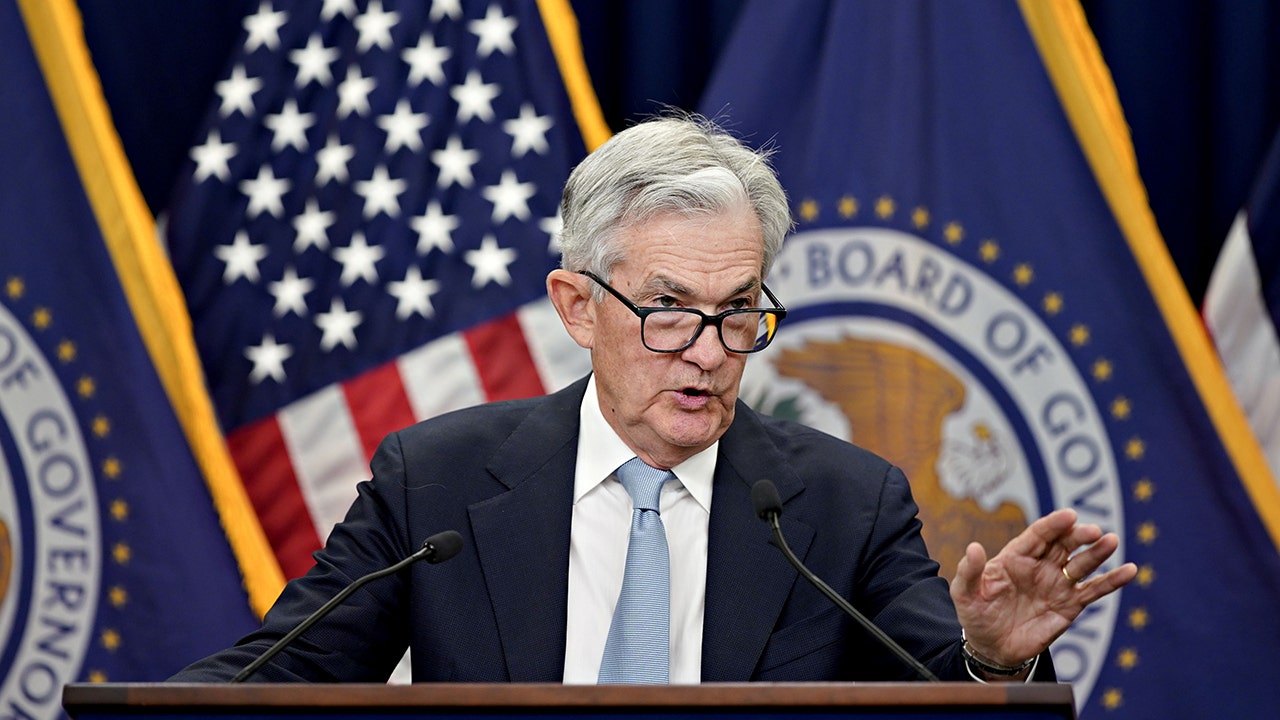
The Federal Reserve has indicated that high interest rates will be the new normal for Americans, signaling an end to the era of ultra-cheap money. While savers may benefit from higher rates, borrowers will face steeper debt payments on credit cards, mortgages, and student loans. The Fed voted to leave interest rates unchanged at their highest level since 2001 but opened the door to another increase before the end of the year. Economic projections suggest that the central bank will not cut rates until 2024, and officials anticipate lowering rates to 2.9% by 2026. The steady increase in rates over the past 18 months has already cost Americans hundreds, if not thousands, of dollars, impacting housing affordability and credit card debt.
Belgium has raised a record 21.9 billion euros ($23.65 billion) from savers in a bond sale aimed at pressuring banks to raise deposit rates. This marks the biggest funding drive from households in Belgium's history and is likely Europe's biggest retail bond sale. The demand for the bond is seen as a clear signal to banks to pay higher rates, as discontent grows with lenders failing to keep up with surging interest rates. Bonds issued by governments targeted at savers have become a popular alternative as European lenders resist raising savings rates.
Balances in certificates of deposit (CDs) have surged to $480.2 billion in February, up from $36.5 billion in April 2022, according to the Federal Reserve. However, many savers are not unlocking the full potential of CDs. A CD ladder can help savers navigate today's high interest rates and maximize their returns on cash.
Charles Schwab and State Street reported a decline in bank deposits as savers seek higher returns amid low interest rates. Schwab's bank deposits fell by $8.2bn in Q2 2021, while State Street's deposits decreased by $14bn in the same period. The trend reflects savers' growing preference for higher-yielding investments such as stocks and bonds.